

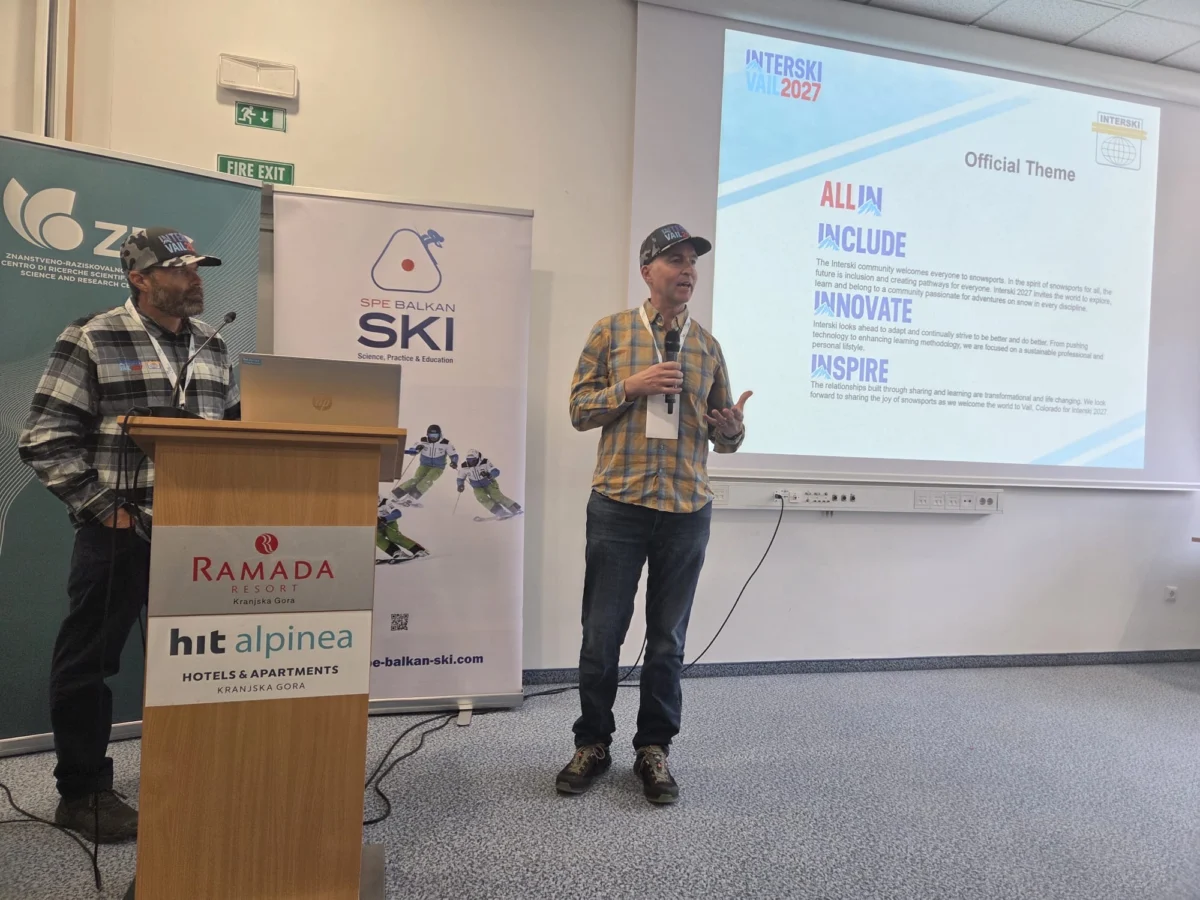
The 2026 SPE Balkan Ski Conference, held in March in the picturesque setting of Kranjska Gora, Slovenia, served as a pivotal international gathering, bringing together a diverse array of researchers, educators, and snowsports professionals united by a shared commitment to advancing the science and practice of snowsports education globally. This event underscored the dual nature of the snowsports profession: deeply rooted in local communities and specific resort operations, yet profoundly interconnected through universal challenges and opportunities that transcend national borders. The conference provided an invaluable forum for instructors, coaches, academic leaders, and scientists from across the globe to exchange innovative ideas, present cutting-edge research, and collectively chart the future trajectory of snowsports pedagogy and professional development. Its ethos, centered on the synergistic integration of science, practical application, and education, mirrored the foundational principles guiding leading organizations worldwide, including the Professional Ski Instructors of America and American Association of Snowboard Instructors (PSIA-AASI).
Global Nexus for Snowsports Advancement
The SPE Balkan Ski Conference has consistently positioned itself as a crucial platform for fostering international dialogue within the snowsports community. Held against the backdrop of the Julian Alps, Kranjska Gora, a renowned ski resort and host of numerous international ski competitions, offered an ideal environment for delegates to engage in deep discussions about the industry’s evolution. The gathering attracted participants from a multitude of countries, highlighting the global reach and shared commitment to excellence in snowsports instruction. This collaborative spirit is essential for an industry facing complex challenges, from the impacts of climate change on snow reliability to the evolving demographics of participants and the continuous demand for innovative teaching methodologies. By bringing together diverse perspectives, the conference aimed to harmonize best practices, identify emerging trends, and accelerate the adoption of evidence-based approaches in snowsports education.
A Legacy of International Exchange: The SPE Balkan Ski Conference and IAESS
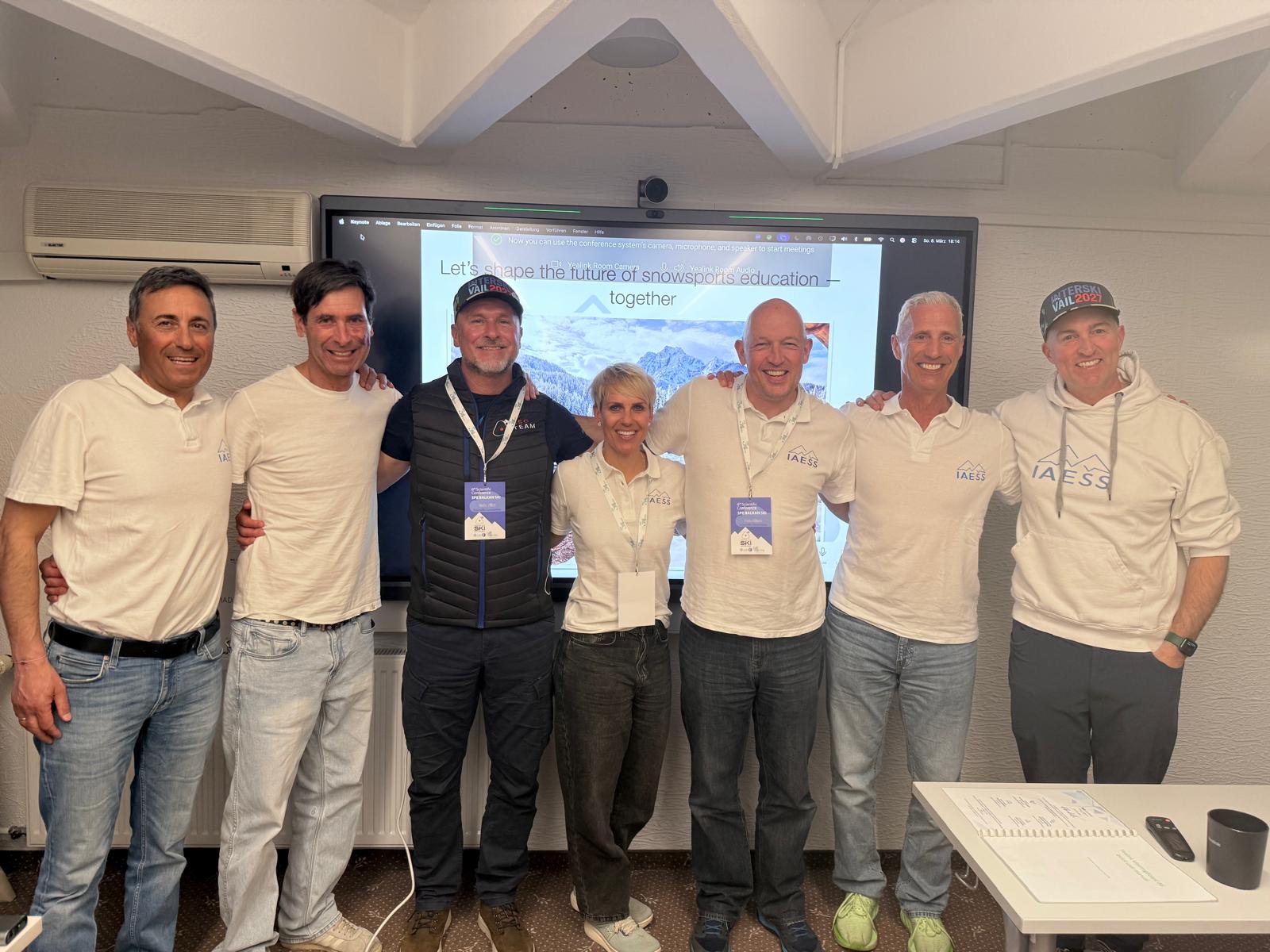
The Balkan Ski Conference, while focused on a specific region, draws upon a broader international framework, benefiting significantly from the support and endorsement of organizations like the International Association of Education in Science and Snowsport (IAESS). As a member of the IAESS board since 2019, Dave Schuiling, PSIA-AASI Director of Education & Credentialing, emphasized the critical role of such collaborations in strengthening the professional and academic foundations of the field. IAESS, established to connect research, education, and practice, serves as a vital conduit for knowledge dissemination across the global snowsports industry. Its mission aligns perfectly with the conference’s goals, helping to elevate snowsports instruction from a seasonal occupation to a recognized profession grounded in scientific evidence, collaborative learning, and continuous improvement.
IAESS’s commitment extends beyond in-person events. The association actively supports the global snowsports community through its ongoing webinar and online seminar series, providing accessible professional development resources regardless of geographical location. Many of these sessions, offered freely, are archived on the Interski International YouTube channel, creating an expanding digital library of invaluable content for instructors, educators, and leaders worldwide. This digital outreach complements physical conferences, ensuring that the latest research and best practices are available to a wider audience, fostering a truly global learning ecosystem.
The history of international snowsports conferences, including Interski Congresses, dates back decades, demonstrating a long-standing recognition of the value of cross-border collaboration. These events often serve as incubators for ideas that eventually shape national standards and instructional techniques. The Balkan Ski Conference, therefore, represents a vital continuation of this tradition, focusing on regional advancements while contributing to the larger global discourse.
PSIA-AASI’s Role and the Learning Connection Framework
For national organizations like PSIA-AASI, active participation in international forums like the Balkan Ski Conference is indispensable. It allows for the sharing of innovative work developed within the United States while simultaneously providing invaluable opportunities to learn from international colleagues. This reciprocal exchange ensures that PSIA-AASI’s educational frameworks, credentialing systems, and professional development pathways remain current, relevant, and forward-looking in a rapidly evolving global landscape.
A key internal framework for PSIA-AASI, "The Learning Connection℠," found strong affirmation in the discussions at the conference. This framework defines the fundamentals of technical skills, teaching skills, and, significantly, people skills, making great instruction more visible, teachable, and measurable. The research and presentations shared at the Balkan Ski Conference — spanning topics from trust and professionalism to aging, leadership, and inclusion — consistently underscored the central role these human elements play in creating effective and engaging learning environments on snow. Schuiling noted that the work PSIA-AASI is undertaking to define and develop people skills is not an isolated endeavor but rather a fundamental component of a broader international movement to better understand the human dimensions of teaching and learning in sport.
Key Discussions and Groundbreaking Research
The conference program featured a rich array of presentations, each contributing to a comprehensive understanding of the multifaceted nature of snowsports education.
The Crucial Role of People Skills in Instruction
Dave Schuiling’s presentation, "Making People Skills Visible," delved into the essential, yet often intangible, interpersonal competencies that distinguish exceptional instructors. His research explored methods to better define, observe, and cultivate these skills, which are crucial for effective communication, motivation, and creating a positive learning atmosphere. This work aligns with a growing recognition that technical proficiency alone is insufficient; an instructor’s ability to connect with students on a human level is paramount to their success and enjoyment.
Building Trust: The Foundation of Effective Learning
Complementing Schuiling’s focus on interpersonal skills, Paul Garner, a former British Alpine Skiing Demonstration Team member, delivered a compelling session on the concept of "trust." Garner’s presentation reinforced the idea that trust forms the bedrock of all effective learning environments. When students trust their instructors, they are more likely to take risks, accept feedback, and persevere through challenges. This trust fosters open communication, mutual respect, and a sense of psychological safety, all of which are critical for students to connect with the learning process and achieve their full potential on snow.
Adapting to Demographics: Aging and Lifelong Participation
Vanessa Mann, IAESS Secretary General, presented insightful work on "aging and teaching," addressing a significant demographic shift observed in many developed countries. As populations age, the snowsports industry faces the imperative to adapt its teaching methodologies and program designs to support lifelong participation. Mann’s research provided valuable insights into how instructors can tailor their approaches to meet the specific physical, cognitive, and motivational needs of older learners, ensuring that snowsports remain accessible and enjoyable for all ages. This topic is particularly relevant given the economic importance of retaining experienced participants and attracting new ones across different age groups.
Fostering Diversity and Women’s Leadership
Discussions around diversity and the growing role of "women’s leadership" within the snowsports industry were also central to the conference. These conversations are vital for ensuring that the profession is welcoming, inclusive, and reflective of the broader society it serves. Experts highlighted the need for deliberate strategies to promote gender equality, enhance representation in leadership roles, and create pathways for women to thrive in all aspects of snowsports. Embracing diversity, whether in gender, background, or ability, is not only a matter of equity but also a strategic imperative for the long-term sustainability and vibrancy of the industry. Diverse perspectives lead to more innovative solutions and a more expansive appeal for snowsports.
Elevating Professionalism in Snowsports
Pete Allison, Penn State University Associate Professor of Values and Experiential Learning, delivered a thought-provoking presentation on "professionalism in snowsports." His exploration of the intricate relationships between professionalism, professional learning, professional development, and the broader profession resonated deeply with attendees. Allison’s work underscored that teaching snowsports transcends the definition of a mere seasonal job; it is a demanding profession that necessitates ongoing learning, critical self-reflection, and an unwavering commitment to excellence. This perspective aligns with PSIA-AASI’s own emphasis on the "Consummate Professional," advocating for continuous education and a holistic approach to instructor development.
Broader Implications for the Global Snowsports Industry
The collective energy generated at gatherings like the Balkan Ski Conference, where researchers bring new knowledge and practitioners contribute real-world experience, is instrumental in refining the ideas that shape how snowsports are taught, how instructors are trained, and how the next generation of snowsports professionals is developed. The discussions extend beyond instructional techniques, touching upon broader industry challenges such as environmental sustainability, technological advancements in equipment, and strategies for youth engagement. The collaborative nature of these conferences fosters a sense of shared responsibility for the future health and growth of snowsports globally.
The implications of such international collaboration are far-reaching. It facilitates the development of more universal standards for instruction, potentially leading to greater reciprocity in credentialing across different countries. It accelerates the adoption of scientifically validated teaching methods, moving the industry towards more evidence-based practices. Furthermore, by addressing issues like diversity, inclusion, and lifelong participation, these conferences help ensure that snowsports remain accessible and appealing to a broader demographic, securing its relevance for future generations.
Shaping the Future: From Kranjska Gora to Interski Vail 2027
The insights gained and connections forged at the 2026 SPE Balkan Ski Conference are expected to have a lasting impact, informing national strategies and contributing to the global dialogue. These discussions also provide crucial groundwork for future international events, notably the Interski Vail 2027 Congress. Interski, the quadrennial gathering of international ski and snowboard instruction organizations, serves as the ultimate global platform for exchanging ideas and demonstrating cutting-edge techniques. The themes explored in Kranjska Gora — innovation, inclusivity, and inspiration — are perfectly encapsulated in the official theme of Interski Vail 2027: "ALL IN: Innovate, Include, Inspire." The synergy between these events ensures a continuous cycle of learning, development, and professional elevation for the snowsports community worldwide.
Ultimately, the conference served as a powerful reminder that the snowsports profession is built upon a shared passion, not merely for the sports themselves, but for empowering individuals to learn, grow, and thrive in the unique environment of the mountains. By strategically connecting research, practice, and professional development through robust frameworks like "The Learning Connection" and fostering extensive collaboration with international colleagues, the global community continues to elevate both the craft and the profession of snowsports instruction. Dave Schuiling’s return from the conference, inspired by the groundbreaking ideas, rigorous research, and unwavering dedication of his international peers, reflects a collective optimism for the future of snowsports education.
Continuing Education: Upcoming IAESS Online Seminar
For those interested in continuing the professional development journey, the International Association of Education in Science and Snowsport (IAESS) will host its next online seminar, titled "Examiner AI—Turning On-Snow Observations into Professional Feedback in Seconds." This webinar is scheduled for Wednesday, May 27, at 9 a.m. MDT. Registration is available via the following link: https://us06web.zoom.us/meeting/register/WNd6ELmBTPmMQw7wLPLPEA#/registration. Such initiatives exemplify the ongoing commitment of IAESS and its partners to provide accessible, cutting-edge educational resources to the global snowsports community.
