

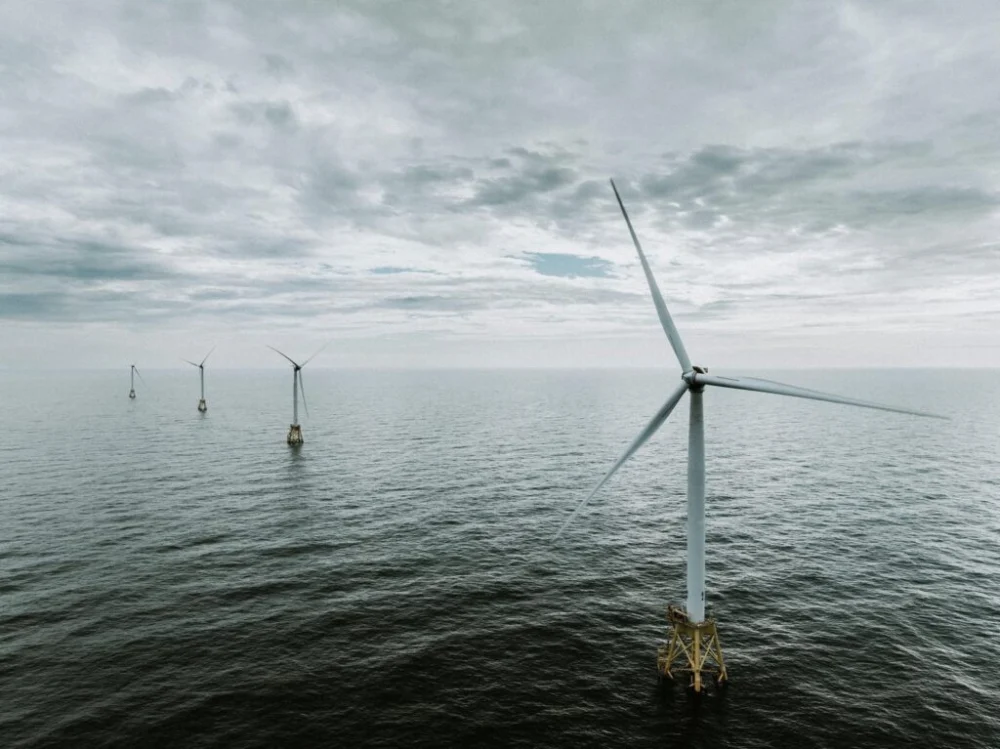
The United States energy landscape is currently undergoing a rapid and fundamental transformation as the federal government implements a series of executive and departmental actions aimed at reversing the transition toward renewable energy. In a coordinated effort to prioritize fossil fuel production and "energy dominance," the current administration has moved to halt major offshore wind developments, threaten the funding of premier climate research institutions, and open vast tracts of the Outer Continental Shelf to oil and gas leasing. These policy shifts represent a significant departure from the previous decade of environmental regulation and international climate commitments, signaling a new era of federal priority centered on traditional energy extraction and the deregulation of the power sector.
The Abrupt Suspension of Atlantic Offshore Wind Projects
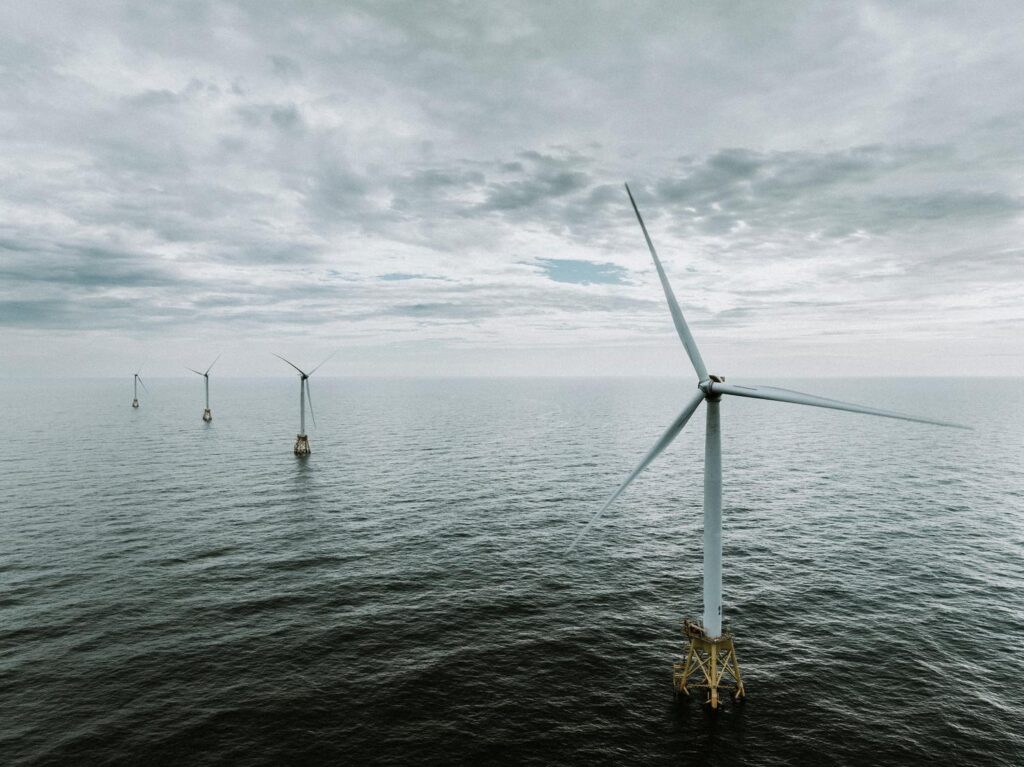
In a move that has sent shockwaves through the renewable energy sector, the Department of the Interior (DOI) recently issued orders to halt five major offshore wind projects that were already in various stages of construction. These projects—Vineyard Wind, Revolution Wind, Coastal Virginia Offshore Wind, Sunrise Wind, and Empire Wind—represent the vanguard of the American offshore wind industry. Collectively, these installations were expected to provide several gigawatts of clean electricity to the Eastern Seaboard, enough to power millions of homes and support thousands of specialized maritime and engineering jobs.
The administration’s justification for the suspension rests on "national security" concerns, which officials claim are classified. By invoking security protocols, the Department of the Interior has bypassed the standard administrative review process, effectively pausing billions of dollars in private investment. Industry analysts note that Vineyard Wind, located off the coast of Massachusetts, was already delivering power to the grid, while the Coastal Virginia project was slated to be one of the largest of its kind in the world.

The economic implications of this halt are substantial. The American Clean Power Association (ACP) estimates that the offshore wind pipeline represents over $100 billion in potential investment by 2030. The sudden cessation of work leaves developers with mounting daily costs for specialized vessels and crews, many of which were contracted years in advance. Furthermore, the decision creates a climate of regulatory uncertainty that may deter future foreign and domestic investment in U.S. infrastructure. Critics argue that the use of national security claims to stall permitted projects sets a legal precedent that could be used to disrupt any infrastructure project deemed unfavorable by the executive branch.
The Proposed Dissolution of the National Center for Atmospheric Research
Simultaneous with the shift in energy production is an escalating tension between the federal government and the scientific community. The administration has signaled its intent to potentially shut down or severely defund the National Center for Atmospheric Research (NCAR), located in Boulder, Colorado. Established in 1960 and managed by the University Corporation for Atmospheric Research (UCAR) under a cooperative agreement with the National Science Foundation (NSF), NCAR is widely regarded as a global leader in climate modeling and atmospheric physics.
NCAR’s contributions to public safety and economic planning are extensive. The center manages the Community Earth System Model (CESM), one of the world’s most sophisticated tools for predicting long-term climate trends and short-term extreme weather events. This data is utilized by the National Weather Service, the Department of Defense, and the private insurance industry to assess risks associated with hurricanes, droughts, and wildfires.
The administration’s rationale for targeting NCAR appears rooted in a desire to de-emphasize climate science within federal budgeting. However, scientific advocates warn that dismantling NCAR would result in a "data dark age." The loss of long-term datasets and the dispersal of world-class research teams would hinder the nation’s ability to forecast water availability in the West, predict the severity of wildfire seasons, and prepare for rising sea levels along the Gulf and Atlantic coasts. The potential closure has drawn bipartisan concern from representatives in Colorado, who highlight the center’s role as an economic engine for the region’s aerospace and technology sectors.
Expansion of Offshore Drilling: 1.27 Billion Acres of U.S. Waters
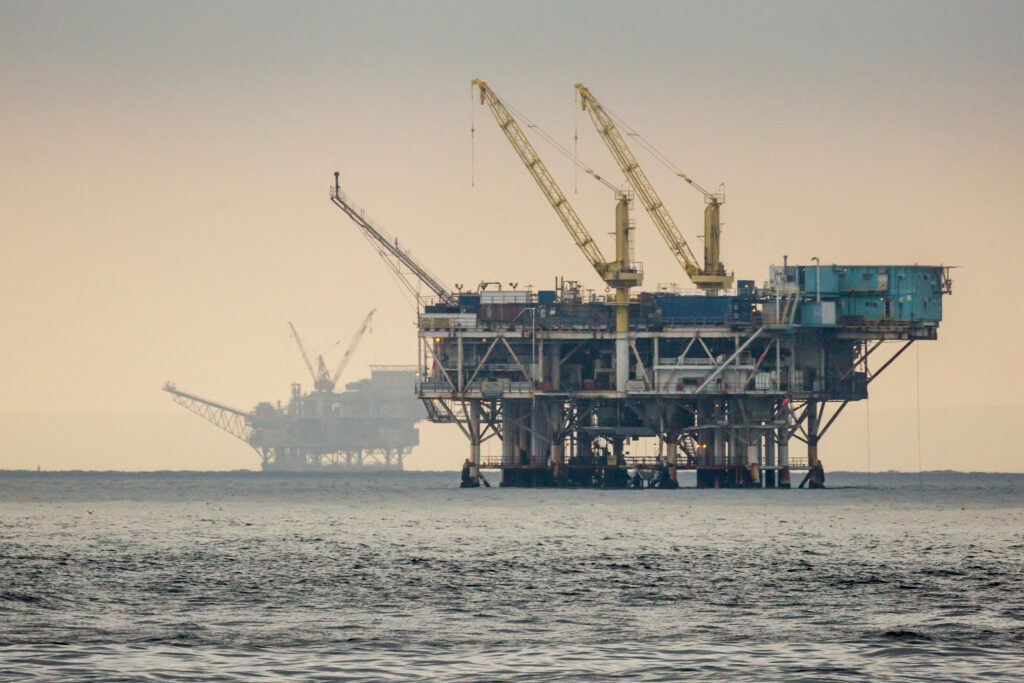
In a direct reversal of the 2024–2029 National Outer Continental Shelf (OCS) Oil and Gas Leasing Program—which had limited new leases to a record-low number—the administration has proposed opening 1.27 billion acres of U.S. waters to oil and gas exploration. The proposal encompasses nearly the entirety of the U.S. coastline, including the Atlantic and Pacific oceans, the Gulf of Mexico, and the sensitive waters of the Arctic’s Beaufort and Chukchi Seas.
This expansion aims to maximize domestic petroleum production, which the administration argues is essential for lowering energy costs and ensuring geopolitical leverage. The proposal would dismantle current protections for federal waters off the coasts of California and Florida, regions where local economies are heavily dependent on tourism and fishing.
Environmental and economic analysts have raised several concerns regarding this plan:
- Greenhouse Gas Emissions: The Department of the Interior’s own previous assessments suggested that expanded offshore drilling would lock in decades of high-carbon infrastructure, making it nearly impossible for the U.S. to meet the goals of the Paris Agreement.
- Ecological Risk: Opening the Arctic to drilling is particularly controversial due to the region’s extreme conditions and the difficulty of responding to potential oil spills in ice-covered waters.
- Economic Conflict: Coastal governors from both parties have historically opposed offshore drilling in their jurisdictions, citing the risk of spills to multi-billion dollar tourism and recreation industries.
The proposal must undergo a public comment period and environmental impact statements (EIS) before leases can be sold. However, the administration has indicated it intends to streamline these reviews to accelerate the auction process.

Federal Intervention in Colorado: The Case of Craig Generating Station
The use of federal emergency powers has extended inland to the state of Colorado, where the Department of Energy (DOE) recently invoked Section 202(c) of the Federal Power Act. This provision allows the federal government to mandate the operation of power plants during "emergencies" to maintain grid reliability. The DOE used this authority to order the Craig Generating Station Unit 1, a coal-fired plant nearing 50 years of age, to remain operational despite its scheduled retirement.
The Craig plant, located in Moffat County, was slated for closure as part of a negotiated transition toward cleaner energy sources led by Tri-State Generation and Transmission Association and Colorado state regulators. Interestingly, at the time of the order, Unit 1 was already offline due to mechanical failures, leading critics to question the "emergency" nature of the mandate.
The federal intervention has created a complex legal and economic situation:
- Ratepayer Impact: Operating an aging, inefficient coal plant is significantly more expensive than utilizing modern wind, solar, or natural gas assets. Independent analysts suggest that forcing the plant to stay online could result in higher electricity bills for rural Coloradans.
- Regulatory Conflict: The order overrides state-level "Just Transition" plans designed to help coal communities move toward new economic models. By forcing the plant to stay open, the federal government has disrupted local labor agreements and environmental compliance schedules.
- Pollution Standards: The continued operation of Unit 1 will result in higher emissions of sulfur dioxide, nitrogen oxides, and carbon dioxide, potentially putting the state of Colorado at odds with federal Clean Air Act requirements.
Broader Implications for the U.S. Energy Transition
The combination of these actions—halting wind, expanding drilling, defunding science, and prolonging coal—suggests a holistic strategy to decouple U.S. energy policy from climate mitigation. The administration argues that these steps are necessary to protect the American economy from the perceived costs of the "green transition" and to ensure that the U.S. remains the world’s leading producer of oil and gas.
However, the long-term implications of this shift are fraught with uncertainty. Legal experts anticipate a wave of litigation from environmental groups, state attorneys general, and renewable energy developers. These lawsuits will likely challenge the use of "national security" as a justification for halting wind projects and the use of "emergency powers" to keep uneconomic coal plants running.
Furthermore, the global shift toward renewable energy continues despite U.S. domestic policy changes. International competitors in Europe and Asia are rapidly expanding their offshore wind capacities and investing in the next generation of atmospheric research. By pivoting away from these sectors, the U.S. risks losing its competitive edge in the burgeoning global green technology market, which is projected to be worth trillions of dollars by mid-century.
As the 2026 midterm elections approach, the debate over these policies is expected to intensify. The tension between immediate fossil fuel production and long-term climate stability has become a central fault line in American politics, with the current administration’s actions serving as a definitive stake in the ground for the former. The outcome of the resulting legal battles and the performance of the energy grid under this new directive will ultimately determine the viability of this "energy dominance" strategy in the years to come.
