

The landscape of international ski tourism is defined as much by the activities that occur after the lifts close as by the descent itself. In the shadow of the Matterhorn’s south-facing slope, the tradition of après-ski manifests through a sensory blend of homegrown Alpine herbal Génépy liqueur, Italian grappa, cloves, and orange zest, often integrated into a potent coffee base. This specific beverage, central to the identity of the Aosta Valley, is consumed via the "Coppa dell’Amicizia," or Friendship Cup—a multi-spouted vessel hand-carved from local walnut wood. To participate in this centuries-old ritual, visitors must navigate a geography recently altered by environmental shifts. Reaching Italy’s Breuil-Cervinia from the Swiss side requires either a two-hour drive from Milan or a 14-mile journey across one of the world’s longest interconnected trail networks, traversing a border between Zermatt and Italy that was officially redrawn due to the recession of glacial ice caused by climate change.
As skiers transition from the vertical terrain of Switzerland into the Italian territory, marked by the iconic pyramidal peak of the Matterhorn, the cultural atmosphere shifts toward the communal and the historic. At establishments such as VRetreats’ Zéro Lounge Bar & Bistrò, the Friendship Cup remains a cornerstone of social interaction. The protocol for the cup is rigid: it must be passed counterclockwise and cannot be returned to the table until the contents are entirely consumed, a practice intended to ward off misfortune. Daniel Menabreaz, manager of the Zero Lounge, emphasizes that the vessel is a "genuine symbol of local identity," representing the solidarity essential to mountain communities where survival once depended on mutual support.
The Historical Genesis of Après-Ski Culture
While the term "après-ski" was popularized in the 1950s, the practice of post-slope socializing dates back to 19th-century Norway. Initially a means of celebrating survival and warming the body after a day of cross-country travel, the concept evolved significantly when it reached the French Alps. In Chamonix, during the inaugural Winter Olympics in 1924, the tradition began to formalize around "vin chaud" (mulled wine) and the consumption of Chartreuse, a herbal liqueur produced by Carthusian monks since the 18th century.
As skiing transformed from a utilitarian mode of transport into a global leisure industry, regional identities began to crystallize around specific post-ski activities. Dana Zapfel, curator and director of collections for the Colorado Snowsports Museum, notes that these traditions serve as a "window into a resort’s history," reflecting the demographics, culinary resources, and economic foundations of the communities that built these mountain hubs. Today, the global après-ski market is a multi-billion dollar secondary industry, often accounting for up to 25% of total resort revenue in premier European and North American destinations.
South American Rituals: Yerba Mate and the Guaraní Legacy
In the southern hemisphere, specifically in the Patagonian regions of Ushuaia and San Carlos de Bariloche, the après-ski experience is defined by the absence of alcohol in favor of a deeply rooted indigenous tradition. Yerba mate, a caffeinated herbal tea, is the primary social lubricant at resorts like Cerro Castor and Cerro Catedral, the latter being the largest lift-served ski area in the southern hemisphere.
The ritual involves a hollowed-out gourd and a "bombilla" (a metal straw with a filter). This practice originated over a millennium ago with the Guaraní people and was later adopted by the gauchos of the Argentinian plains. In a modern context, skiers gather around backcountry fire pits or stand in lift lines with thermoses, sharing the bitter, earthy beverage as a means of connection. Unlike the high-energy "table dancing" scenes of Europe, the Argentinian mate ritual is characterized by a slower pace, often accompanied by local chocolates or churros to balance the tea’s astringency. This tradition underscores a cultural emphasis on endurance and shared experience over the frantic consumption of luxury goods.
The North American Model: Tailgating and Regional Festivals
The evolution of skiing in the United States followed a distinct trajectory, heavily influenced by the return of veterans from the 10th Mountain Division following World War II. These soldiers, trained in mountain warfare, were instrumental in founding over 60 ski areas across the country, including Arapahoe Basin (A-Basin) in Colorado.
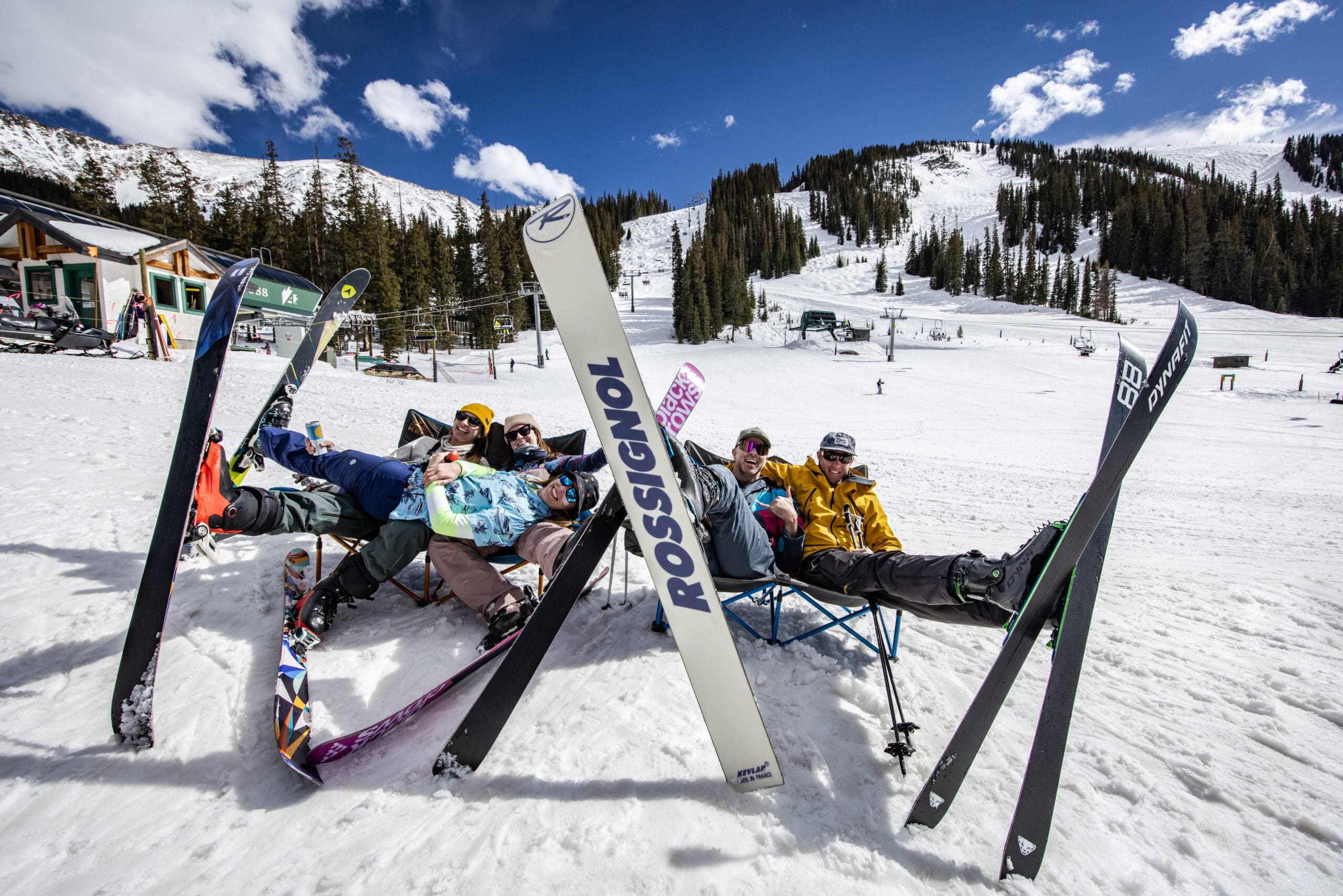
A-Basin, founded by Larry Jump and Olympic skier Frederick "Sandy" Schauffler, has maintained a "no-frills" reputation that contrasts with the increasingly "boutique" nature of nearby Aspen or Vail. This ethos is best exemplified by "The Beach," a section of the Early Riser parking lot located at the base of the slopes. Since the 1980s, The Beach has served as a site for elaborate tailgating parties, where skiers utilize folding chairs, grills, and "shot-skis" (a ski with shot glasses mounted to it). This democratization of après-ski reflects the rugged, utilitarian roots of Colorado’s mountain culture.
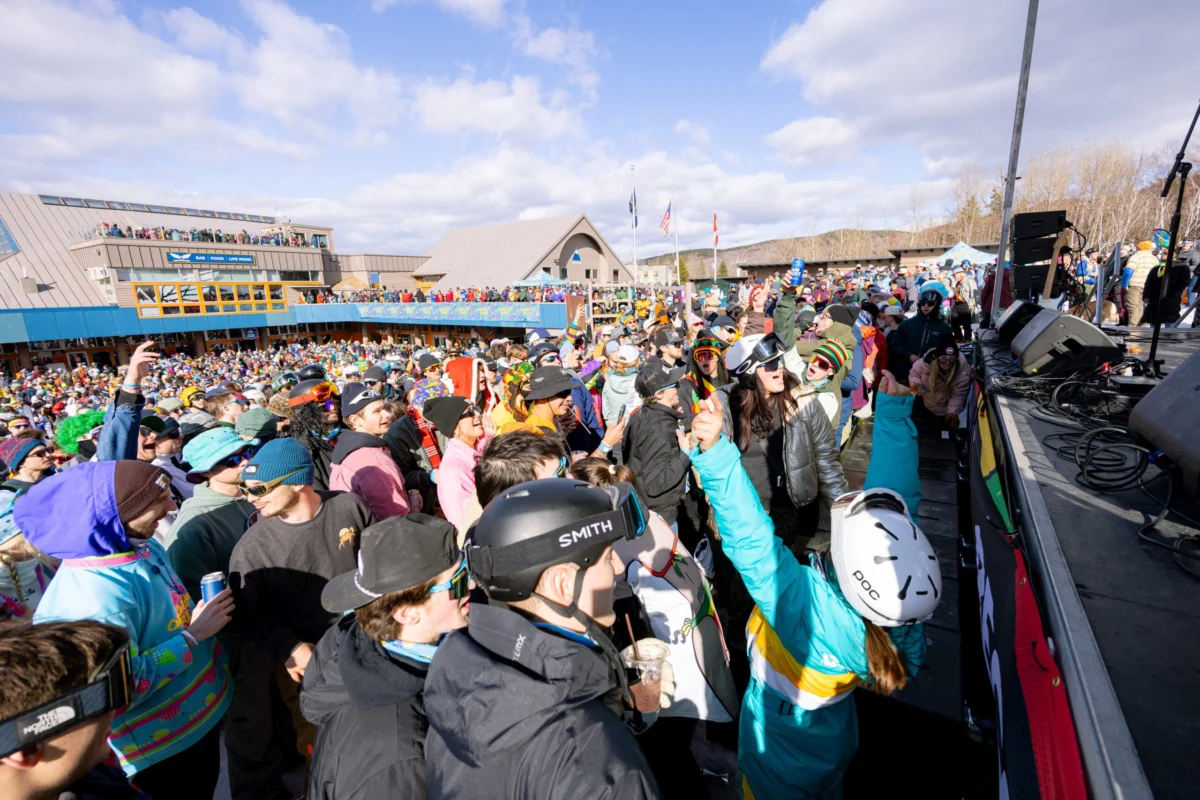
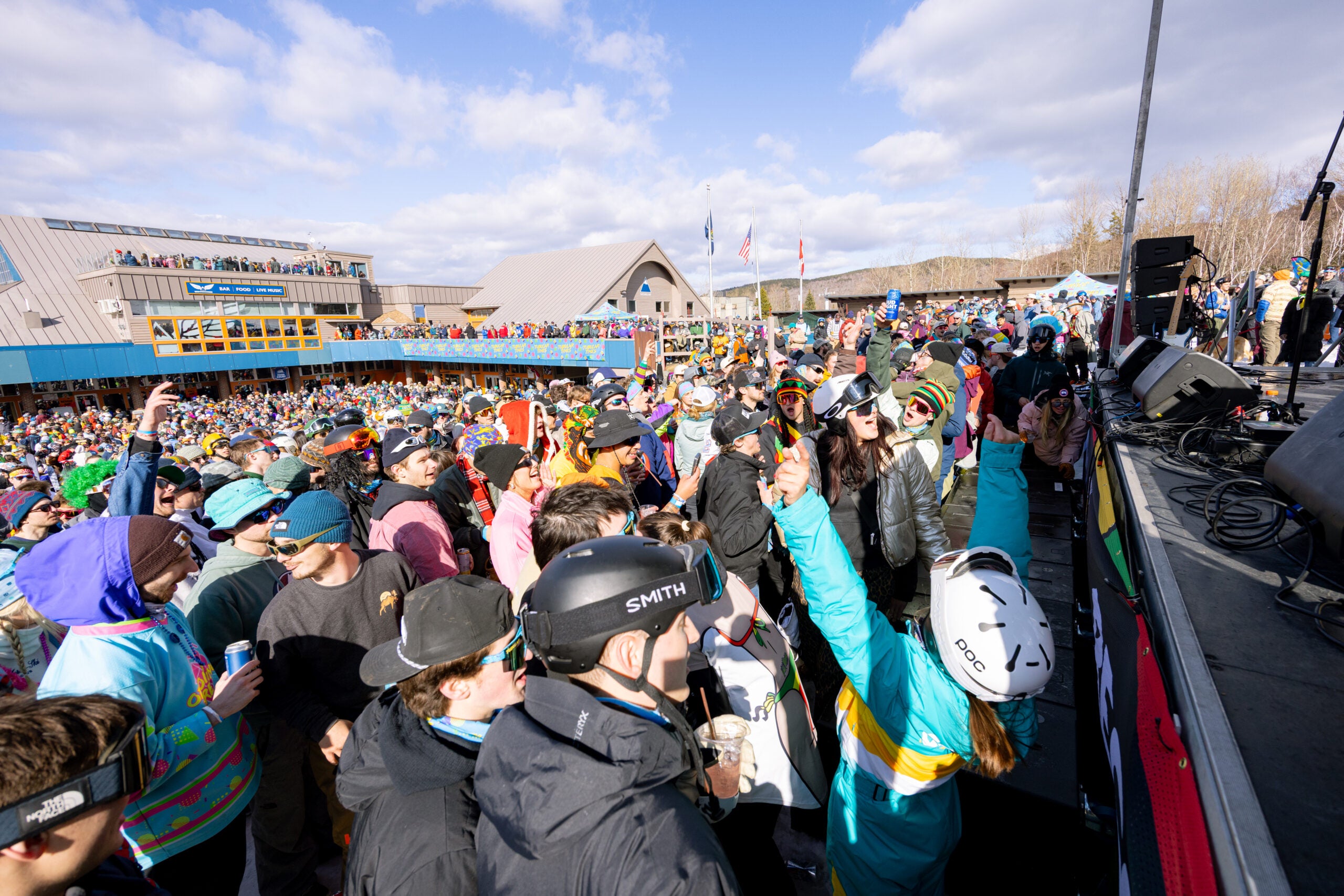
On the East Coast, the tradition takes a different form at Sugarloaf in Maine. Since 1988, the resort has hosted the annual Reggae Fest, a massive spring event that signals the end of the winter season. Scheduled for April 9-11, 2027, the festival draws thousands of "Loafers" who engage in a mountain-wide block party. The event is a significant economic driver for the region, filling local accommodations and supporting regional craft breweries, such as the Orono Brewing Company. The festival’s longevity highlights the importance of seasonal events in maintaining skier loyalty in regions with shorter or more volatile winters.
Japanese Wellness and the Onsen Tradition
In Japan, the post-ski experience is inextricably linked to the country’s volcanic geography. Nozawa Onsen, located in the Japanese Alps on the island of Honshu, offers a 1,200-year history of communal bathing that predates the opening of the formal ski resort in 1924. The village features 13 natural hot springs, or "onsen," housed in traditional wooden bathhouses.
The etiquette of the onsen is strict, requiring complete nudity and a specific washing ritual before entering the mineral-rich waters. This focus on physical recovery and spiritual cleansing provides a stark contrast to the high-intensity social scenes found in the West. Following the soak, the tradition continues in "izakayas" (Japanese pubs) where sake and ramen are the standard fare. The integration of ancient wellness practices with modern powder skiing (often referred to as "JaPow") has made Japan a premier destination for travelers seeking a holistic "après" experience.
Austrian Alpine Engineering and High-Volume Hospitality
St. Anton am Arlberg in Austria is widely considered the "cradle of modern skiing." It was here that Hannes Schneider developed the "Stem Christie" method, which revolutionized ski instruction in the early 20th century. However, St. Anton is equally famous for the MooserWirt, an establishment that claims some of the highest beer sales per square foot in Austria.
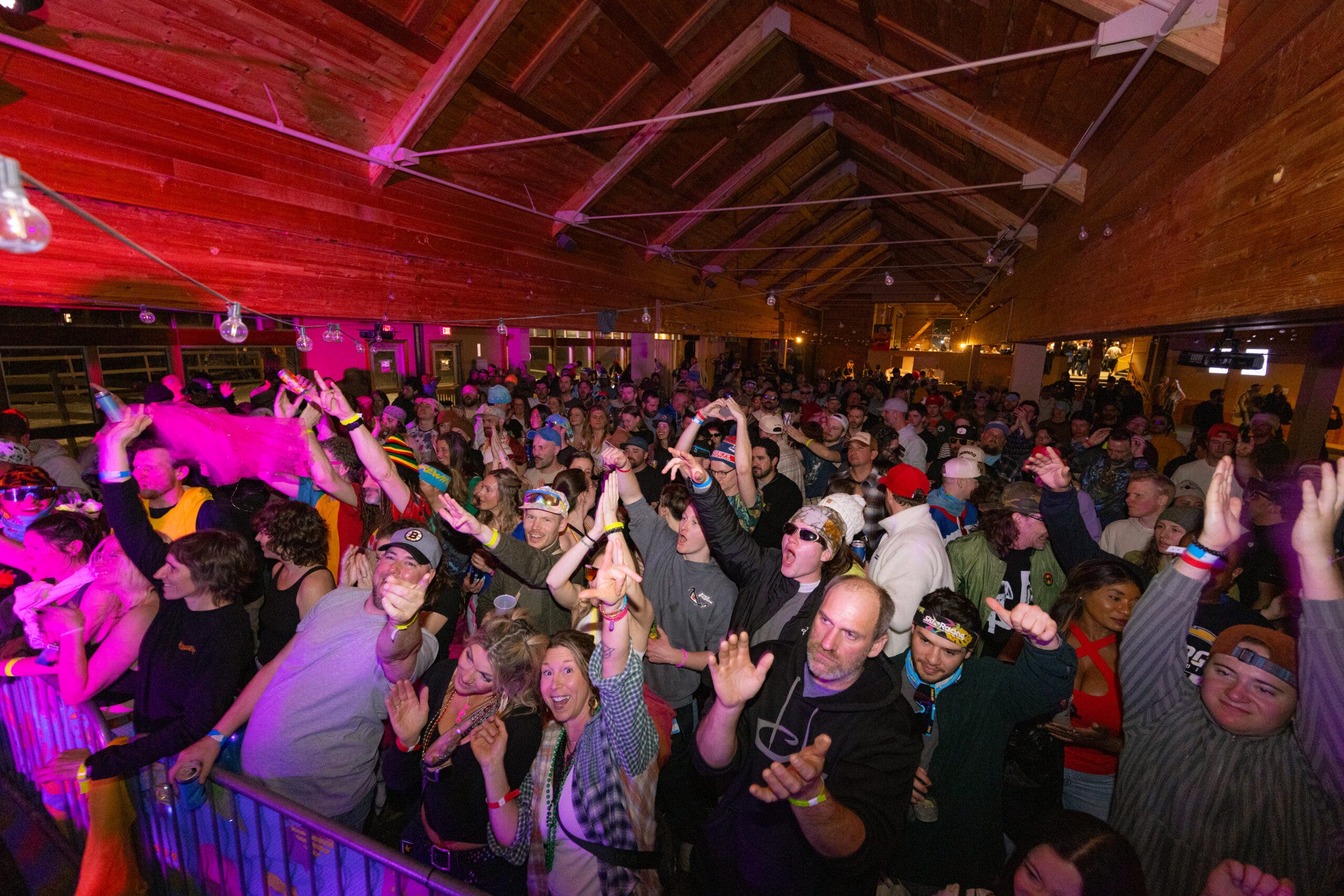
The infrastructure required to support this level of consumption is a feat of engineering, including 23 miles of underground tubing designed to pump beer directly to the bar’s seven service stations. The social atmosphere is characterized by "table dancing" in ski boots, a practice that has become a generational staple of Austrian Alpine culture. Despite the festive environment, the historical weight of the Arlberg region remains present, with visitors often visiting the hamlet of Stuben or utilizing the historic Valluga cable car, originally constructed in 1955, to access views spanning five countries.
French Luxury and the 2030 Olympic Horizon
At the high end of the economic spectrum lies Courchevel, France. Part of "Les Trois Vallées," the largest linked ski area in the world, Courchevel was a planned development built on former cow pastures to stimulate the regional economy post-WWII. Over the decades, it has evolved into a hub for global billionaires and Hollywood elite, featuring a higher concentration of Michelin-starred restaurants than almost any other ski destination.
The après-ski scene here is defined by "The Winston Club" and similar high-luxury venues, where cigar sommeliers pair rare Cubans with vintage cognacs. This segment of the market focuses on exclusivity and conspicuous consumption. The resort is currently preparing for a return to the global stage as a host for the 2030 Winter Olympics (Alpes 2030), a development expected to bring further infrastructure investment and solidify the French Alps’ position as a leader in luxury sports tourism.
Socio-Economic Analysis and Future Implications
The diversity of these traditions illustrates the complex socio-economic role of après-ski in the global tourism industry. As climate change continues to impact the length and reliability of ski seasons, resorts are increasingly relying on their "off-mountain" offerings to attract visitors. The shift of the Italian-Swiss border at the Matterhorn serves as a stark reminder of the environmental fragility of these regions.
Furthermore, a demographic shift is occurring. While traditional alcohol-centric après-ski remains popular in Europe and parts of North America, there is a growing demand for wellness-oriented activities, as seen in the popularity of Japanese onsens and the communal tea rituals of Argentina. This trend suggests that the future of mountain tourism may lie in a more diversified portfolio of experiences that cater to a broader range of cultural values and health-conscious consumers.
In conclusion, après-ski is far more than a post-sport social hour; it is a vital cultural archive that preserves the history, values, and economic strategies of mountain communities worldwide. Whether through the shared spout of a walnut Friendship Cup or the quiet steam of a Patagonian fire pit, these rituals continue to define the human experience in the world’s most extreme environments.
