

Protect Our Winters (POW), a leading climate advocacy organization, has significantly expanded its grassroots reach through the formalization of its Chapter Program, a strategic initiative designed to bridge the gap between outdoor recreation and local policy-making. By deploying dedicated field organizers in key mountain and coastal regions, the organization is pivoting toward a localized model of climate action that emphasizes community-level engagement over traditional top-down federal lobbying. This shift reflects a broader trend in environmental activism where the "Outdoor State"—a demographic of approximately 50 million Americans who identify as outdoor enthusiasts—is being mobilized to influence local government, utility boards, and regional land-use decisions.
The Strategic Shift to Localized Advocacy
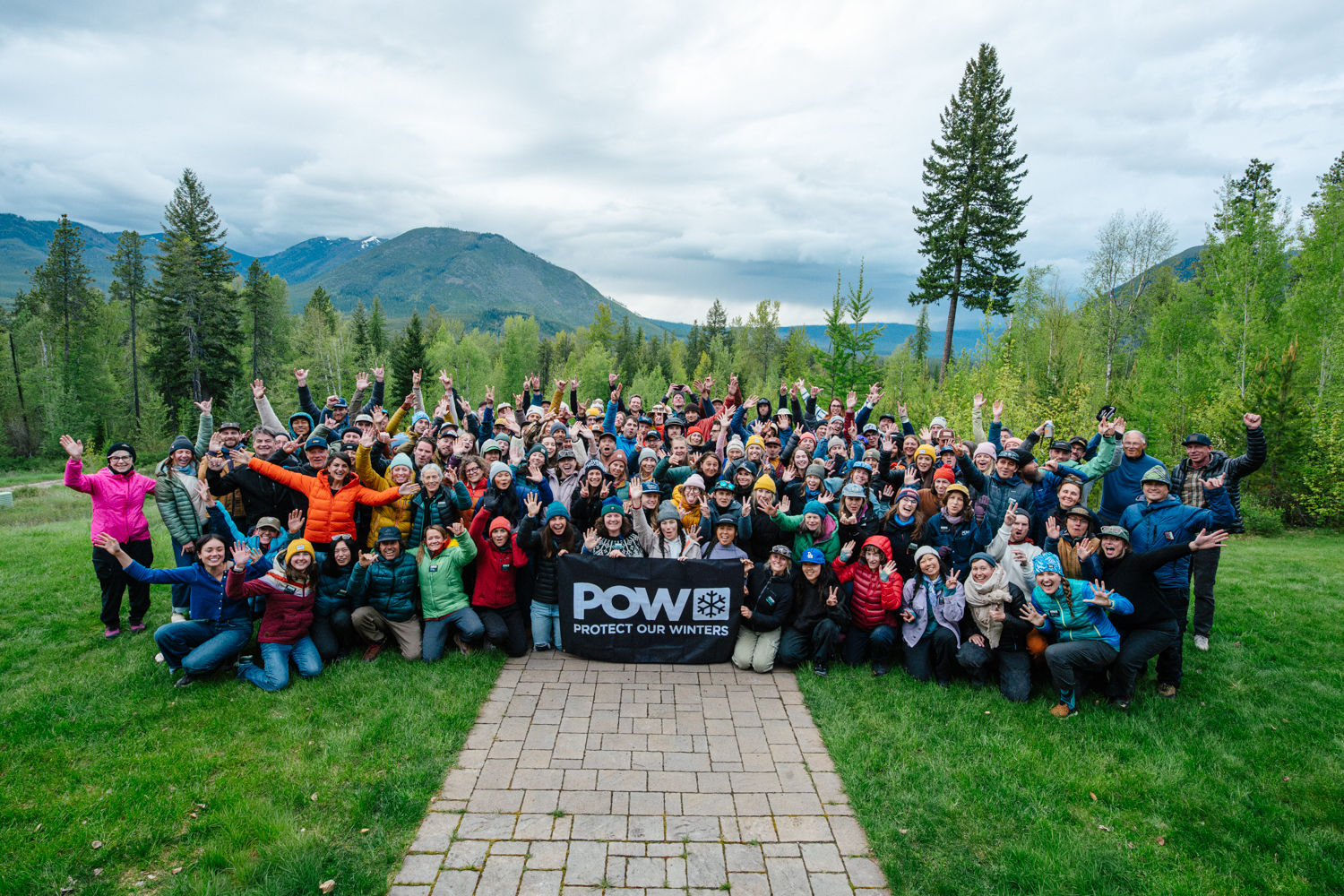
The Protect Our Winters Chapter Program operates on the premise that while national climate policy is essential, the most immediate and tangible impacts on the environment are often decided at the municipal and county levels. The program connects local mountain and coastal communities to a year-round advocacy network, moving beyond seasonal awareness campaigns. By positioning field organizers in regions like the White Mountains of New Hampshire, the Gallatin Valley in Montana, the Western Slope of Colorado, and the Truckee-Tahoe corridor, POW is attempting to convert "adrenaline sports" enthusiasts into effective civic participants.
The logic behind this localized focus is rooted in the accessibility of local officials. While federal representatives may be insulated by layers of bureaucracy and national party platforms, town council members and county commissioners are often directly accessible to their constituents. In these smaller arenas, individual testimonies and community-led initiatives can sway decisions regarding renewable energy infrastructure, public land protections, and climate resiliency projects.
Regional Organizers and the Front Lines of Climate Action
The success of the Chapter Program relies on field organizers who possess both deep roots in their respective outdoor communities and a sophisticated understanding of local policy mechanisms.
The White Mountains and New England Energy Policy
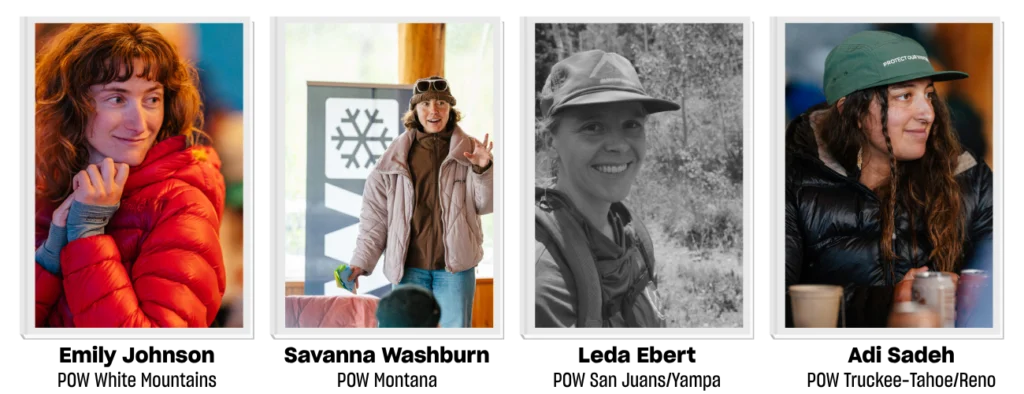
In New Hampshire, Field Organizer Emily Johnson leads efforts in the White Mountains. Johnson’s work underscores the intersection of community building and institutional power. A significant focus for the New England chapter has been the governance of electric cooperatives. Earlier in 2026, the POW Action Fund supported the successful election of Laurel Boivin to the New Hampshire Electric Co-op’s Board of Directors. Boivin, an expert in energy policy and environmental compliance, represents a shift in how utility boards are being contested by environmental advocates. Because utility boards dictate the energy mix of a region, these low-turnout elections are now viewed as high-leverage opportunities for climate action.

Montana’s Energy Planning and Public Comment
In Montana, Field Organizer Savanna oversees the Gallatin Valley and surrounding areas, where the focus has been on NorthWestern Energy’s Integrated Resource Plan (IRP). An IRP is a critical 20-year roadmap that determines how a utility will generate and supply electricity. Activists in Montana have criticized the current plan for its continued reliance on gas, coal, and nuclear energy at the expense of wind and solar. To combat this, the Montana chapter has utilized unconventional organizing methods, such as community bike rides that conclude with public comment workshops. This approach demystifies technical energy documents, allowing citizens to engage with complex regulatory processes that directly affect their utility rates and carbon footprints.
Colorado’s Western Slope and Clean Energy Infrastructure
Leda, the organizer for Southwest Colorado and the Yampa Valley, manages a geography characterized by diverse ecosystems and a transition away from traditional coal economies. A notable victory for this region was the lifting of a moratorium on Battery Energy Storage Systems (BESS) in La Plata County. BESS technology is essential for stabilizing the grid as it transitions to intermittent renewable sources like wind and solar. The lifting of the moratorium was directly attributed to sustained public pressure and comments from local residents, proving that local zoning and land-use regulations are often the primary hurdles to a clean energy transition.
The Sierras and Decarbonization in Nevada
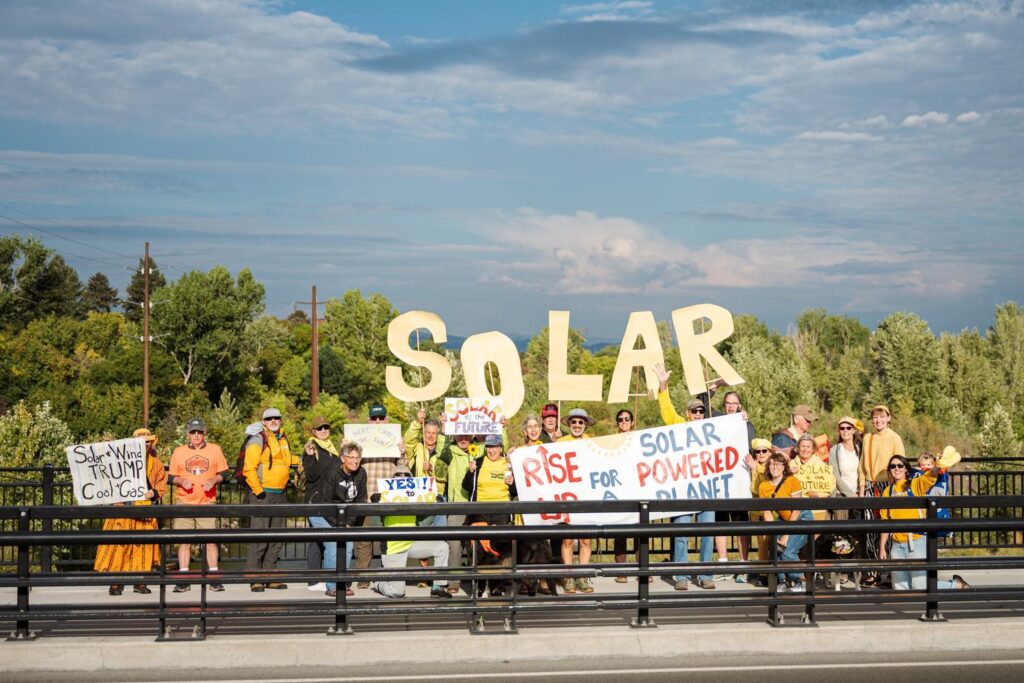
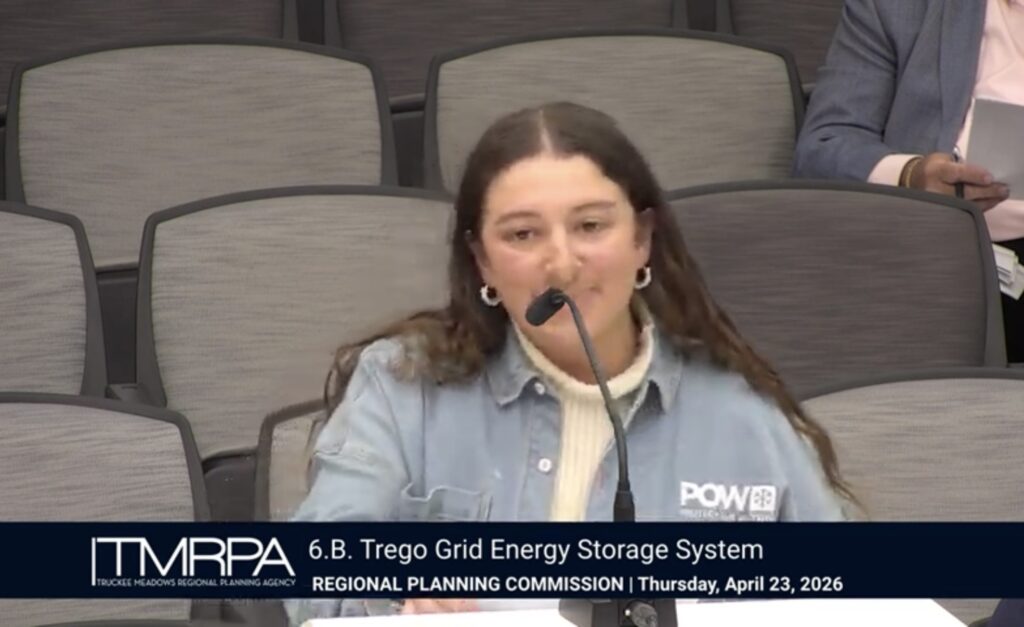
In the Truckee-Tahoe and Reno region, Field Organizer Adi has focused on grid modernization. A landmark success for the Reno chapter was the advancement of the TregoGrid project, which integrated 200 MW of battery storage into the local grid. This project serves as a model for how grassroots advocacy can support large-scale decarbonization goals. Additionally, the Tahoe chapter has focused on "shifting who decides" by increasing voter turnout in critical districts, linking local outdoor recreation interests to broader federal representation.
Data-Driven Justification for the "Outdoor State"
The economic and social weight of the outdoor recreation industry provides the data-driven backbone for POW’s advocacy. According to the U.S. Bureau of Economic Analysis (BEA), the outdoor recreation economy accounts for $1.1 trillion in economic output, representing approximately 2.2% of the U.S. GDP. This sector provides nearly 5 million jobs, many of which are located in the rural mountain and coastal towns where POW chapters operate.
Climate change poses a direct threat to this economic engine. Data from the National Oceanic and Atmospheric Administration (NOAA) indicates that winter seasons are shortening across the Northern Hemisphere, with some regions seeing a 20% decrease in snow cover over the last century. For communities reliant on ski tourism and winter sports, this represents not just an environmental crisis but an existential economic threat. By mobilizing the workforce and consumers of this $1.1 trillion industry, POW is leveraging a powerful economic bloc to demand policy changes.
Chronology of the Chapter Program’s Evolution
The development of the Chapter Program marks a new era in POW’s nearly two-decade history:
- 2007: Professional snowboarder Jeremy Jones founds Protect Our Winters to unite the winter sports community against climate change.
- 2010–2018: The organization focuses primarily on federal advocacy, bringing professional athletes to Washington D.C. to lobby for carbon pricing and clean energy standards.
- 2019: POW recognizes the need for a permanent, year-round presence in mountain towns to sustain advocacy beyond the winter months.
- 2023–2024: The Chapter Program is piloted in key Western states, focusing on specific local policy "wins" like utility board elections and county-level clean energy projects.
- 2026: The program expands to New England and the Sierras, formalizing the role of field organizers and integrating "voter turnout" initiatives into the chapter mission ahead of the midterm elections.
Implications for Future Climate Policy
The implications of this localized strategy are twofold. First, it creates a "pipeline" for civic leadership. By encouraging residents to attend their first town council meeting or write a letter to the editor, the Chapter Program builds the "civic muscle" necessary for long-term political engagement. Several POW volunteers have transitioned from community members to candidates for local boards and commissions, creating a lasting shift in local governance.
Second, the success of these chapters demonstrates that climate action can be depoliticized when framed through the lens of local heritage and economic stability. In states like Montana and New Hampshire, where environmentalism can sometimes be viewed with skepticism, framing advocacy around "protecting the places we love" and ensuring "clean air and water" allows for a broader coalition of support.
Conclusion: The Road to the Midterms and Beyond
As the 2026 midterm elections approach, the POW Chapter Program is pivoting toward voter mobilization. Organizers are focusing on "Run to the Polls" events and voter education in swing districts where the margin of victory is often slim. The goal is to ensure that the outdoor community’s values are reflected at the ballot box, from the local school board to the U.S. Congress.
The Chapter Program proves that advocacy is not reserved for policy experts in metropolitan centers. By empowering the "powder-loving" residents of mountain towns to speak at council meetings and engage with technical energy plans, Protect Our Winters is redefining the landscape of environmental activism. The transition from athlete-led lobbying to community-led organizing suggests that the future of climate policy will be won not just in the halls of D.C., but in the town halls of the American West and the community centers of New England. For these field organizers, the message is clear: the first town council meeting may be intimidating, but it is the essential first step in ensuring that the winters—and the communities that depend on them—are protected for future generations.
