

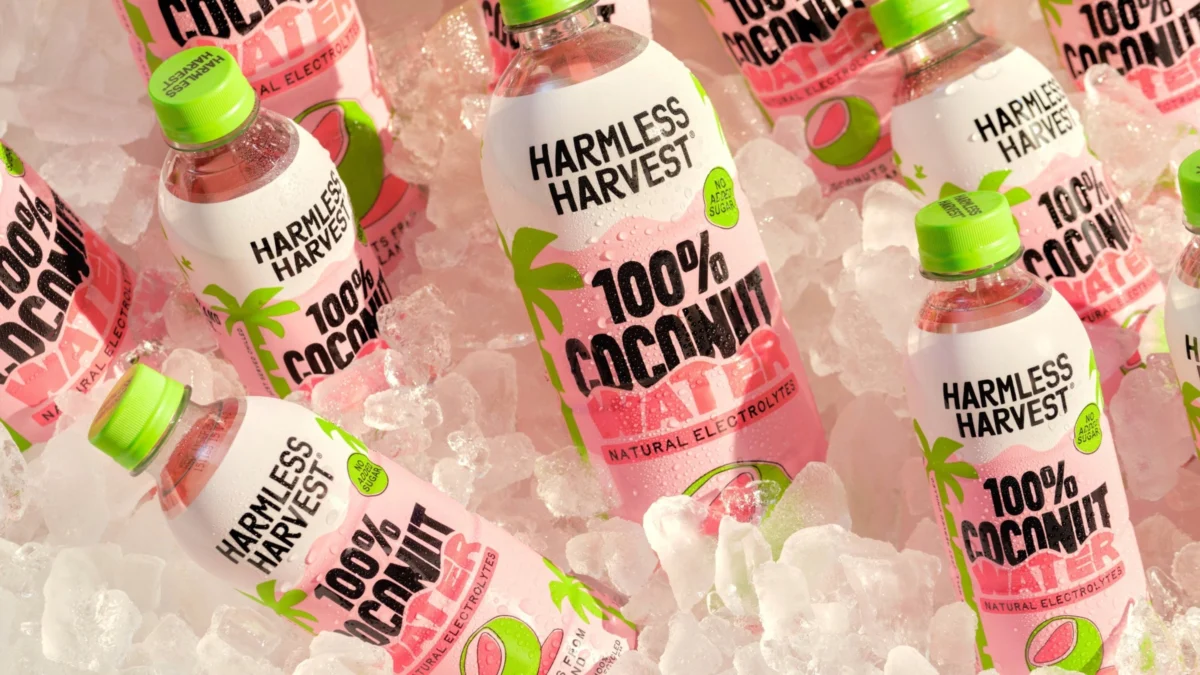
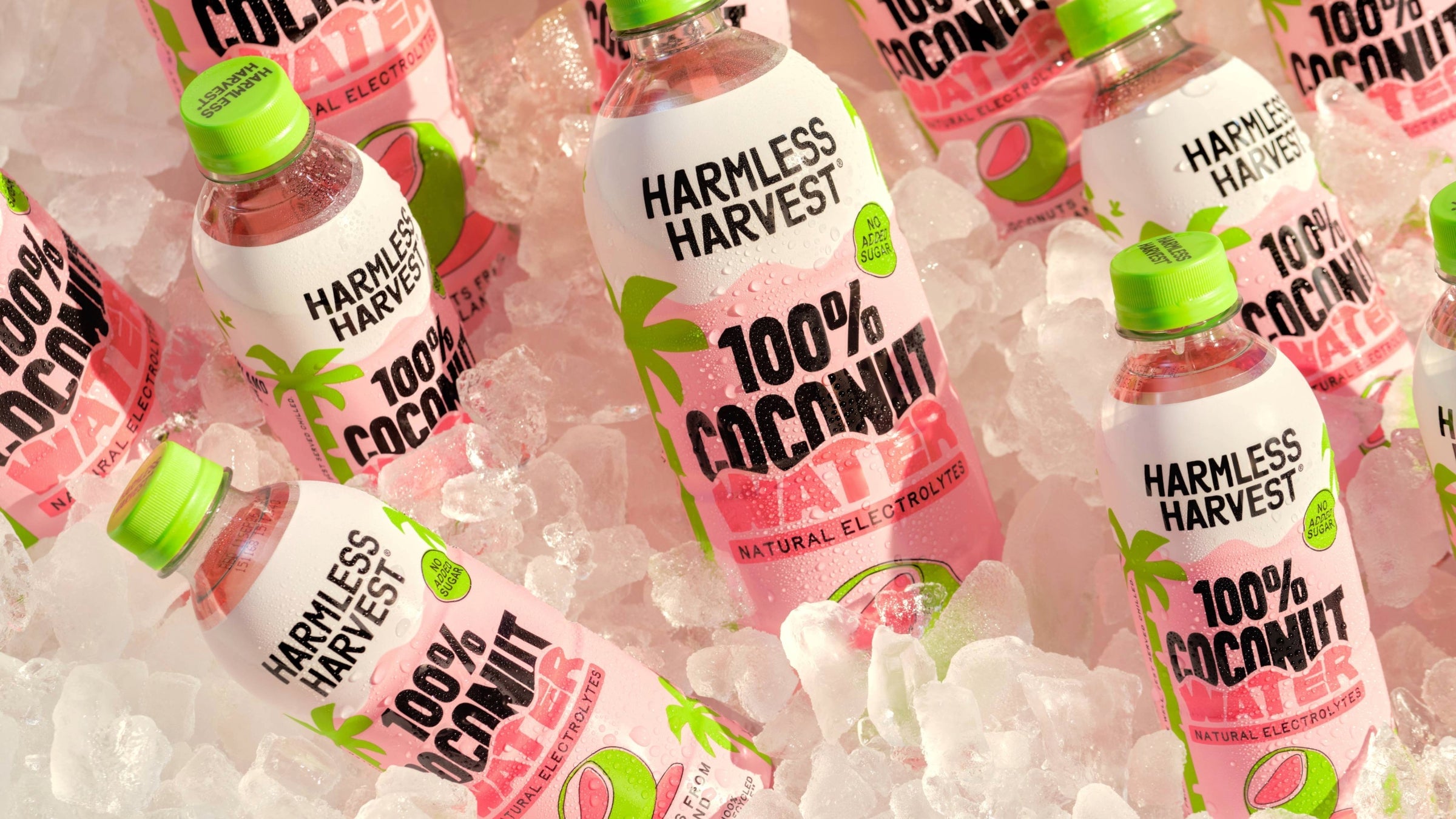
The global beverage industry is witnessing a significant shift as consumers move away from synthetic performance enhancers in favor of whole-food alternatives. At the forefront of this transition is Harmless Harvest, the California-based pioneer of refrigerated coconut water, which has officially announced the launch of its new pantry-friendly, shelf-stable coconut water. This move represents a strategic expansion for the company, aiming to integrate premium, nutrient-dense hydration into the daily routines of a broader demographic, ranging from urban professionals to casual fitness enthusiasts. By leveraging advanced micro-filtration and optimized heat treatment, the brand seeks to maintain the nutritional integrity and flavor profile of its flagship product while removing the logistical barrier of constant refrigeration.
The launch comes at a time when the "functional hydration" market is increasingly crowded with powdered supplements, effervescent tablets, and synthetic electrolyte mixes. However, Harmless Harvest is positioning its 100% coconut water as a return to simplicity. The product contains a single ingredient—organic coconut water—with no added sugars, preservatives, or artificial flavorings. This "clean label" approach is designed to appeal to a consumer base that is increasingly skeptical of highly processed recovery drinks.
The Evolution of Hydration Science and the Role of Electrolytes
To understand the significance of this product launch, one must examine the biological requirements of human hydration. Electrolytes—primarily potassium, sodium, magnesium, and calcium—are essential minerals that carry an electric charge. They are fundamental to maintaining fluid balance, supporting nerve function, and facilitating muscle contractions. While the sports nutrition industry has historically marketed electrolyte replenishment to elite marathoners and high-endurance athletes, modern physiological research suggests that electrolyte balance is a critical component of cognitive function and general wellness for the average person.
Coconut water is unique in the botanical world for its high concentration of naturally occurring potassium. A single serving can provide more potassium than a medium-sized banana, making it a potent tool for counteracting the sodium-heavy diets common in many industrialized nations. Unlike formulated sports drinks, which often rely on monopotassium phosphate or other lab-synthesized minerals, coconut water delivers these nutrients in a bioavailable form. Harmless Harvest’s expansion into the shelf-stable category is a direct response to the growing consumer demand for "holistic hydration"—the idea that maintaining mineral balance should be an effortless, everyday habit rather than a reactive measure taken only after intense physical exertion.
Chronology of Innovation: From the Cold Case to the Pantry
The journey toward a shelf-stable product has been a multi-year endeavor for Harmless Harvest. Founded in 2011, the company initially disrupted the market by introducing the first non-thermally pasteurized coconut water to be sold in the United States. For over a decade, the brand was synonymous with the refrigerated produce section, known for its distinctive pink hue and fresh-from-the-nut taste.
In 2021, the company began exploring methods to increase the accessibility of its products without compromising the delicate flavor of the Nam Hom coconut, a specific variety grown in Thailand known for its aromatic properties. Traditional shelf-stable beverages typically undergo "flash pasteurization," a high-heat process that can degrade vitamins and alter the natural sweetness of the juice.
By late 2024, Harmless Harvest’s research and development team perfected an "optimized heat treatment" combined with a proprietary micro-filtration system. This process effectively neutralizes spoilage-inducing microorganisms while preserving the antioxidants and minerals that define the brand. The official rollout in November 2026 marks the culmination of this technical evolution, allowing the product to be stored at room temperature for months before consumption.
The "Pink" Phenomenon: A Fact-Based Analysis of Quality
One of the most frequently asked questions regarding Harmless Harvest products is the source of its occasionally pink color. While many beverage manufacturers use additives like titanium dioxide or artificial dyes to ensure visual uniformity across every bottle, Harmless Harvest has opted for transparency regarding the natural chemistry of the coconut.
The pink coloration is a result of high levels of polyphenols—a type of antioxidant—interacting with light and oxygen. This enzymatic reaction is similar to how an apple turns brown when sliced, yet in coconut water, it indicates a high concentration of active compounds. According to internal quality control data, the shelf-stable version continues to embrace this natural variation. The company maintains that the presence of the pink hue is a visual testament to the absence of heavy-handed processing or chemical stabilizing agents.
Ethical Sourcing and the Impact on Thai Agricultural Communities
The broader implications of Harmless Harvest’s growth extend to the agricultural landscape of Thailand, specifically the Ratchaburi province. The company sources exclusively from organic-certified farms that cultivate the Nam Hom coconut. As a Fair for Life certified organization, Harmless Harvest’s expansion into the shelf-stable market is expected to increase the demand for organic coconuts, providing a more stable income for thousands of small-scale farmers.
Industry analysts note that the company’s commitment to "Regenerative Organic Certified" (ROC) standards sets a benchmark for the beverage industry. These practices include intercropping, which increases biodiversity, and the avoidance of synthetic pesticides, which protects local water tables. By scaling its operations through a shelf-stable line, Harmless Harvest is effectively scaling its environmental impact, encouraging more Thai farmers to transition from conventional to organic farming methods.
Market Trends and Competitive Landscape
The global coconut water market was valued at approximately $6.5 billion in 2023 and is projected to grow at a compound annual growth rate (CAGR) of over 10% through 2030. Within this sector, the "premium" and "organic" segments are the fastest-growing sub-categories.
Harmless Harvest’s entry into the pantry-stable space places it in direct competition with established giants such as Vita Coco and Zico. However, market experts suggest that Harmless Harvest’s focus on the "Nam Hom" variety provides a competitive advantage in terms of flavor profile. "The challenge for premium brands has always been the ‘cold chain’—the expensive and carbon-intensive process of keeping products refrigerated from the factory to the consumer’s hand," says Julianne Mercer, a senior food and beverage analyst. "By cracking the code on shelf-stability without sacrificing their organic, single-ingredient promise, Harmless Harvest is removing the final barrier to mass-market dominance."

Official Perspectives on Brand Mission
While the company has not released a formal press conference transcript, statements from leadership emphasize a mission-driven approach to the new product line. Representatives for Harmless Harvest have stated that the goal of the pantry-friendly line is to "meet the consumer where they are."
"Hydration is often treated as a chore or a statistic to be tracked on a wearable device," a company spokesperson noted during a recent industry trade show. "Our philosophy is that hydration should be an intentional and enjoyable part of life. Whether you are at your desk, in a yoga studio, or on a hiking trail, having access to high-quality electrolytes shouldn’t depend on whether you have access to a refrigerator. This launch is about making the best version of nature’s hydration accessible to everyone, everywhere."
Broader Impact and the Future of Functional Beverages
The shift toward shelf-stable, clean-label products is likely to influence other sectors of the functional beverage market. As consumers become more educated about the "matrix" of nutrients found in whole foods versus isolated supplements, the demand for minimally processed drinks is expected to rise.
Furthermore, the environmental impact of this launch cannot be overlooked. Shelf-stable products require significantly less energy to transport and store, as they do not necessitate refrigerated trucks or energy-intensive cold storage in warehouses. This aligns with Harmless Harvest’s broader sustainability goal of reducing its carbon footprint across the entire supply chain.
In conclusion, the introduction of Harmless Harvest’s shelf-stable coconut water is more than a simple product line extension. It is a calculated move to redefine how the average consumer perceives and accesses hydration. By combining the rigorous standards of organic farming with technical innovations in food safety, the company is bridging the gap between "performance nutrition" and "everyday wellness." As the product hits major retailers nationwide this month, it serves as a case study in how a brand can scale its operations while maintaining the core values of transparency, quality, and environmental stewardship.
