

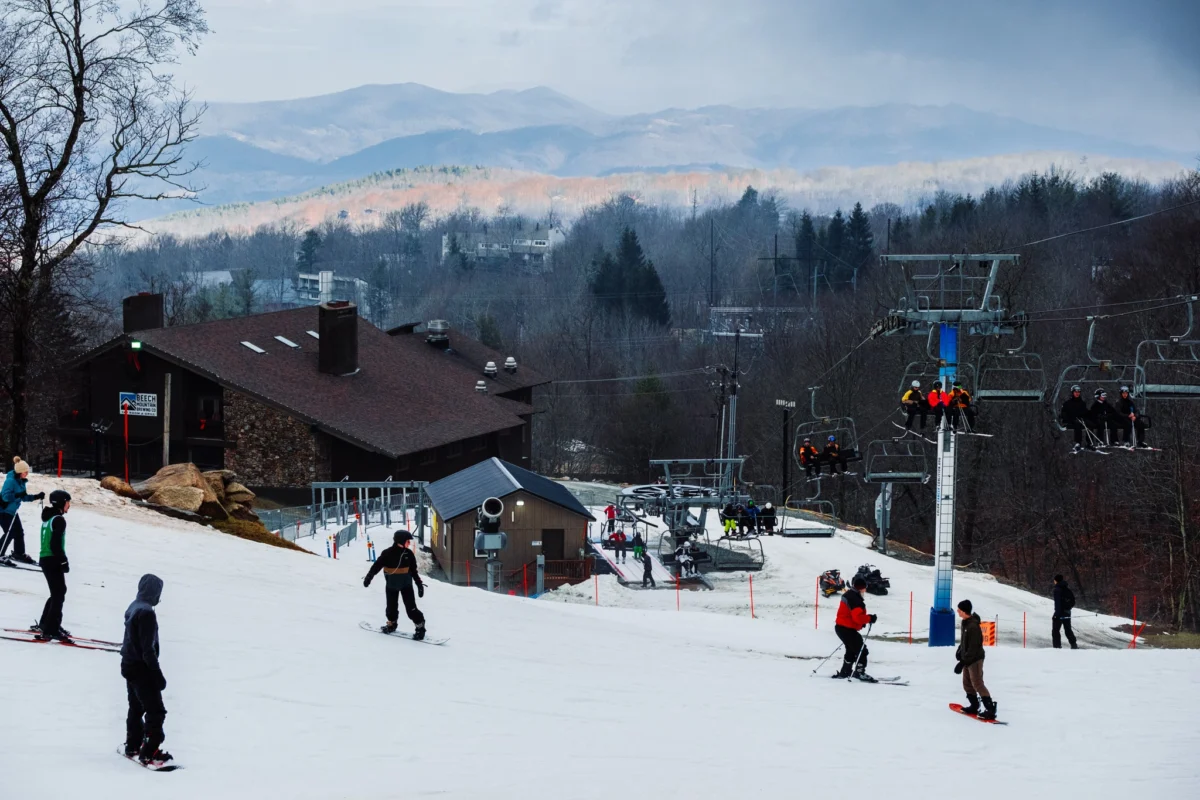
The landscape of American skiing is often defined by the rugged peaks of the Rocky Mountains or the icy glades of the Northeast, yet a burgeoning winter sports culture in the Blue Ridge Mountains has established North Carolina as a premier destination for a distinct type of traveler. At the center of this movement are Beech Mountain Resort and Sugar Mountain Ski Resort, two neighboring peaks that have transformed the town of Banner Elk into what is widely recognized as the Ski Capital of the South. Standing at an elevation of 5,506 feet, Beech Mountain Resort holds the distinction of being the highest-elevation ski area in the Eastern United States. This geographic advantage, combined with aggressive infrastructure investment and a focus on the "vacation" aspect of the winter sports industry, has created a resilient economic engine that serves the Deep South and defies the traditional limitations of Southern climates.
The Strategic Geography of Banner Elk
Banner Elk, North Carolina, serves as the logistical hub for the region’s winter operations. The town is characterized by its white clapboard buildings and a small-town atmosphere that belies its significant impact on regional tourism. Within a five-mile radius of the town center, visitors have access to two of the most significant ski operations in the Southeastern United States. Sugar Mountain Ski Resort occupies the horizon less than four miles to the south, while Beech Mountain rises to the north.
This proximity allows Banner Elk to capture a diverse demographic of travelers, primarily from states such as Florida, Georgia, and South Carolina. For many residents of these states, the Blue Ridge Mountains represent the most accessible opportunity to experience alpine conditions. Unlike the "ski trips" common in the West—often characterized by high-intensity "vertical-foot" chasing and minimal amenities—the North Carolina experience is marketed as a "ski vacation." This distinction emphasizes the social and recreational aspects of the trip, including base-area breweries, karaoke, and family-oriented programming.
Historical Roots and the Resilience of the Blue Ridge
The attraction to the Blue Ridge Mountains is not a modern phenomenon but rather an evolution of a recreational culture that dates back to the 19th century. During the 1800s, the hardwood-forested hills of the southern Blue Ridge spawned the American summer camp culture. Families from the sweltering lowlands of South Carolina and Georgia traveled to the higher elevations to escape the heat and the seasonal threat of malaria.
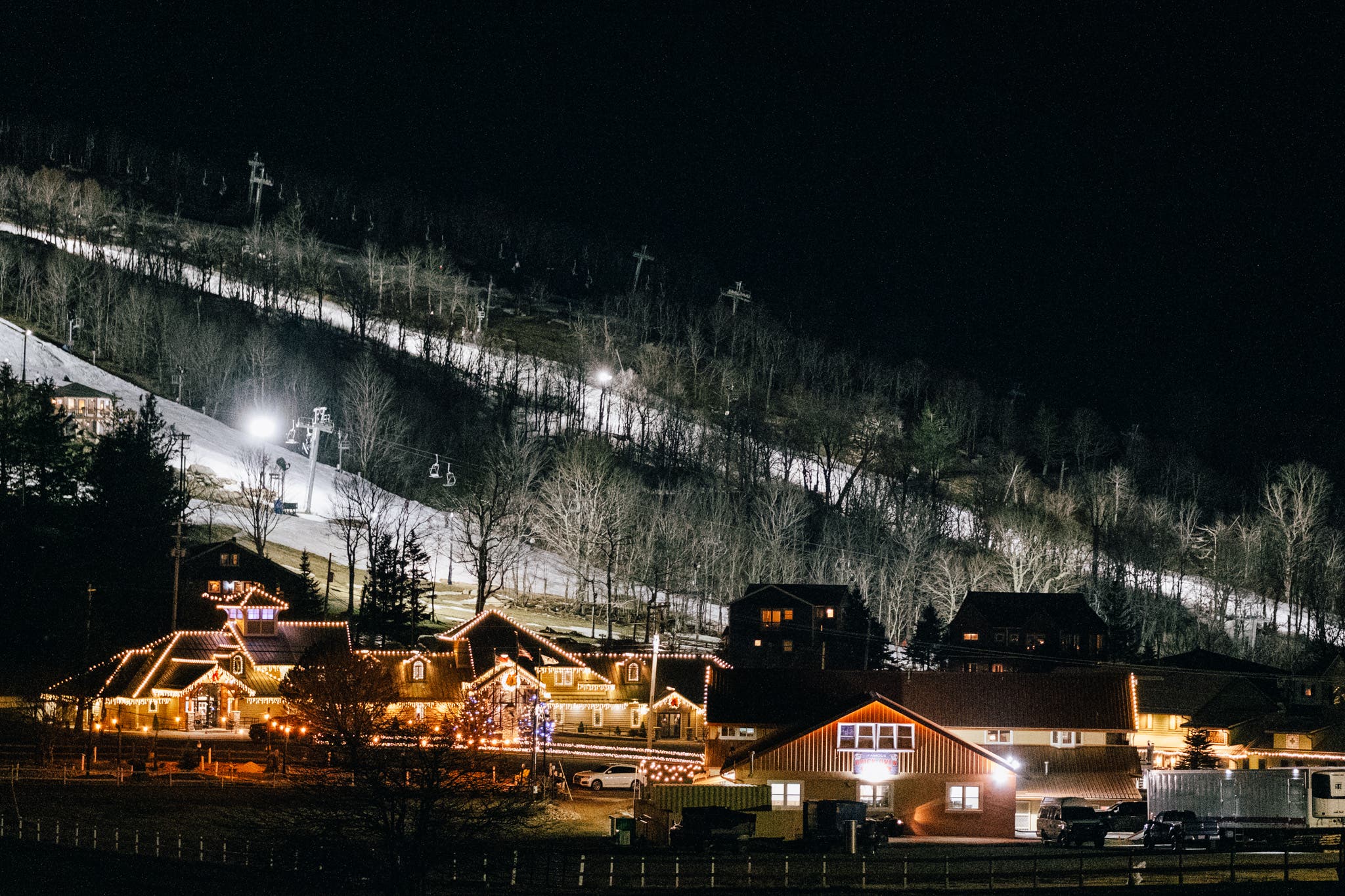
This historical precedent of "rejuvenating mountain air" has translated seamlessly into the winter season. The modern ski industry in North Carolina began to take shape in the mid-20th century, but its true test came in the fall of 2024. Hurricane Helene caused significant devastation across western North Carolina in September 2024, raising concerns about the viability of the 2024-2025 ski season. However, the resilience of the local infrastructure was demonstrated when both resorts opened with minimal delays. Sugar Mountain, for instance, utilized rented lighting equipment to maintain its popular night-skiing operations while permanent repairs were underway.
Technical Specifications and the Science of Snowmaking
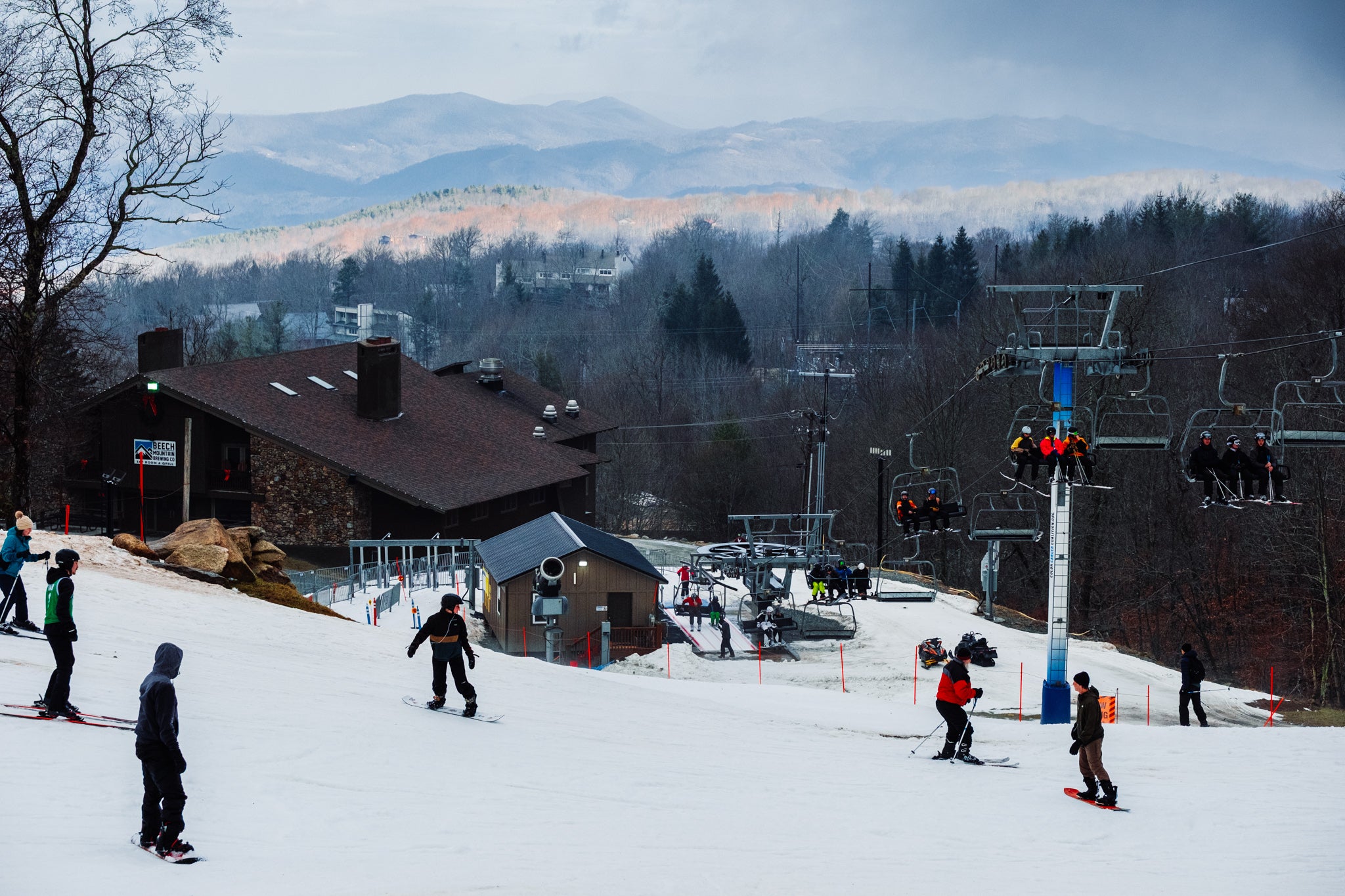
The viability of skiing in the South is inextricably linked to snowmaking technology. Because the region experiences fluctuating temperatures, Beech and Sugar Mountains have invested heavily in high-capacity snow-gun systems. Both resorts currently boast 100 percent snow-gun coverage across their skiable terrain.
Beech Mountain Resort
Beech Mountain features 17 ski runs spread across 95 skiable acres. The resort offers 830 feet of vertical drop, framed by winter-bare beech trees and rhododendrons typical of the Blue Ridge balds. A unique feature of Beech Mountain is its integrated community; a residential neighborhood flanks the upper chairlifts, creating a "ski-in, ski-out" atmosphere rare for the region. Additionally, the resort houses Beech Mountain Brewing, one of the few American microbreweries located directly within a ski resort’s base area.
Sugar Mountain Ski Resort
Sugar Mountain offers a slightly larger footprint with 125 skiable acres. It is home to North Carolina’s only double-black diamond run, a short, double-fall-line pitch designed to challenge advanced skiers. The resort is known for its "roller-coaster" runs—high-speed, groomed trails that cater to the intermediate cruiser. Sugar Mountain is also recognized for its operational longevity, frequently opening by late October and maintaining operations through early April.
Nancy Owen, Tourism Director at Banner Elk Tourism, emphasizes that the advancement in snowmaking has removed the unpredictability of the Southern winter. "We have so many visitors in the area where it’s the first time they’ve ever seen snow, and with the advances in snowmaking, we can pretty much guarantee that for them," Owen stated.
Educational Integration and Competitive Success
While the resorts cater heavily to vacationers, the region also fosters serious competitive talent. Lees-McRae College, a private liberal arts institution in Banner Elk, has leveraged its proximity to the slopes to become a powerhouse in collegiate winter sports. The college’s stone buildings sit on a bluff at the edge of town, housing a student body that includes numerous Division II national champions in skiing and snowboarding.
In a significant move for Southern athletics, Lees-McRae elevated its ski and snowboard teams to varsity status in 2024. This was a landmark decision, marking the first time a Southeast ski program achieved varsity recognition. To further support the local economy and industry, the college offers a Ski Industry Business and Instruction minor, ensuring that the next generation of resort managers and instructors is trained within the very ecosystem they will serve.
Socioeconomic Accessibility and Market Demographics
One of the primary drivers of success for the Banner Elk resorts is the low barrier to entry for novice participants. The resorts have streamlined the process for "once-a-season" skiers. Travelers from warm-weather climates, such as Miami or Atlanta, can arrive without any specialized gear. The resorts offer comprehensive rental packages that include not just skis and boots, but also outerwear and helmets.
This accessibility is a key component of the regional business model. "It’s expensive to fly a family of four to Colorado or Vermont," Owen noted. "Beech or Sugar is not going to be the biggest hill, but you’re still going to get kids and people on the snow. If you only relied on the diehard skiers, the sport would be dead."
The "Southern pace of life" also dictates the atmosphere on the slopes. Observers often note a lack of the "powder fever" that can make Western resorts feel aggressive. At Beech Mountain, it is not uncommon to see groups of skiers moving at a leisurely pace, prioritizing the social experience over the number of runs completed. This relaxed environment is conducive to learning and has turned the region into a multi-generational destination where parents who learned to ski at Sugar Mountain in the 1980s are now bringing their own children.
Economic Analysis and Future Implications
The economic impact of the ski industry on Avery County and the surrounding Western North Carolina region is substantial. During the winter months, the influx of tourists from the "Deep South" corridor supports a wide array of secondary businesses, including short-term rentals, restaurants, and retail shops. The ability of these resorts to operate consistently from late autumn to early spring provides a stabilized tax base for a region that was historically dependent on seasonal agriculture and summer tourism.
The success of these resorts also provides a case study in climate adaptation. By focusing on a small skiable footprint and 100 percent snowmaking coverage, Beech and Sugar have mitigated the risks associated with warmer winters. As long as nighttime temperatures drop sufficiently for snowmaking, the resorts can maintain a high-quality product regardless of natural precipitation levels.
Furthermore, the 2024-2025 season demonstrated that the infrastructure of these resorts is robust enough to survive extreme weather events like Hurricane Helene. The rapid restoration of services and the creative use of temporary equipment highlighted a level of operational agility that is essential for the long-term sustainability of the industry in the Southeast.
Conclusion: The Cultural Value of the Southern Slope
The North Carolina ski experience offers a counter-narrative to the elitism sometimes associated with the sport. By focusing on nostalgia, family accessibility, and a "vacation-first" mentality, Beech Mountain and Sugar Mountain have secured their place in the national landscape. While they may not offer the thousands of acres of terrain found in the West, they provide a vital entry point for thousands of new skiers every year.
As the industry continues to evolve, the "Ski Capital of the South" remains a testament to the idea that skiing is as much about the environment and the community as it is about the terrain. In the high-elevation balds of North Carolina, the sport is very much alive, thriving on a blend of Southern hospitality, advanced engineering, and a deep-rooted appreciation for the mountain air. For the vacationers from Florida and the varsity racers at Lees-McRae alike, these slopes represent a unique and essential chapter of American alpine culture.
