

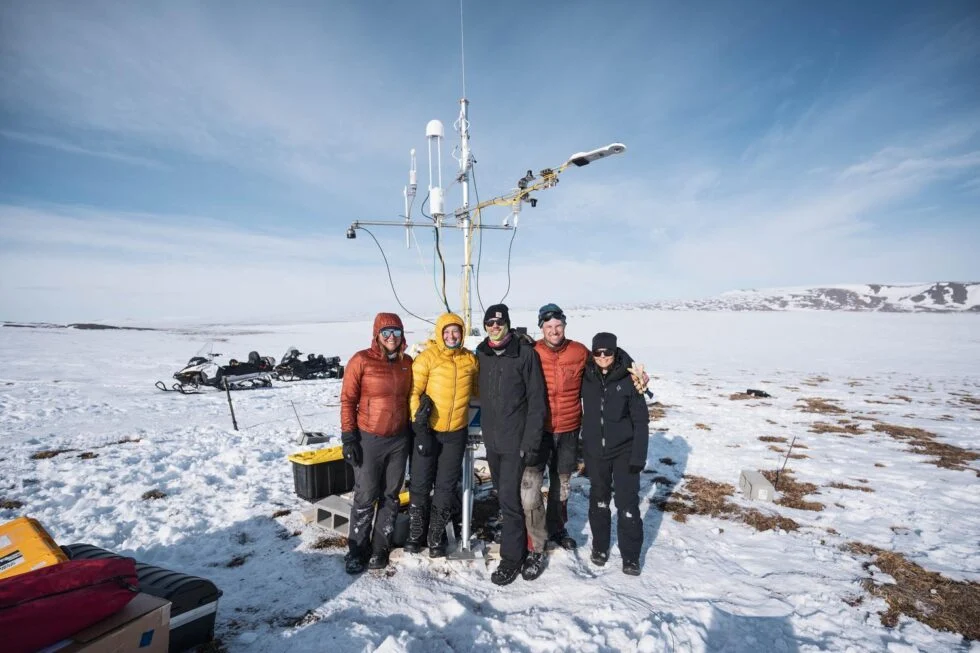
A specialized team of climate researchers and advocates recently completed a critical mission at the Toolik Field Station on Alaska’s North Slope, marking a significant milestone in Arctic monitoring capabilities. Led by Dr. Jenny Watts, an ecologist and carbon flux expert from the Woodwell Climate Research Center, and Dr. Kelly Gleason, a snow hydrologist from Portland State University, the expedition successfully installed the first flux tower in the Arctic specifically designed to monitor greenhouse gas emissions from a permafrost thaw slump. This initiative, supported by the Protect Our Winters (POW) Science Alliance, aims to bridge the gap between localized geological shifts and global climate models, which have historically struggled to account for the rapid, erratic release of carbon and methane from collapsing northern landscapes.
Logistics and Chronology of the North Slope Expedition
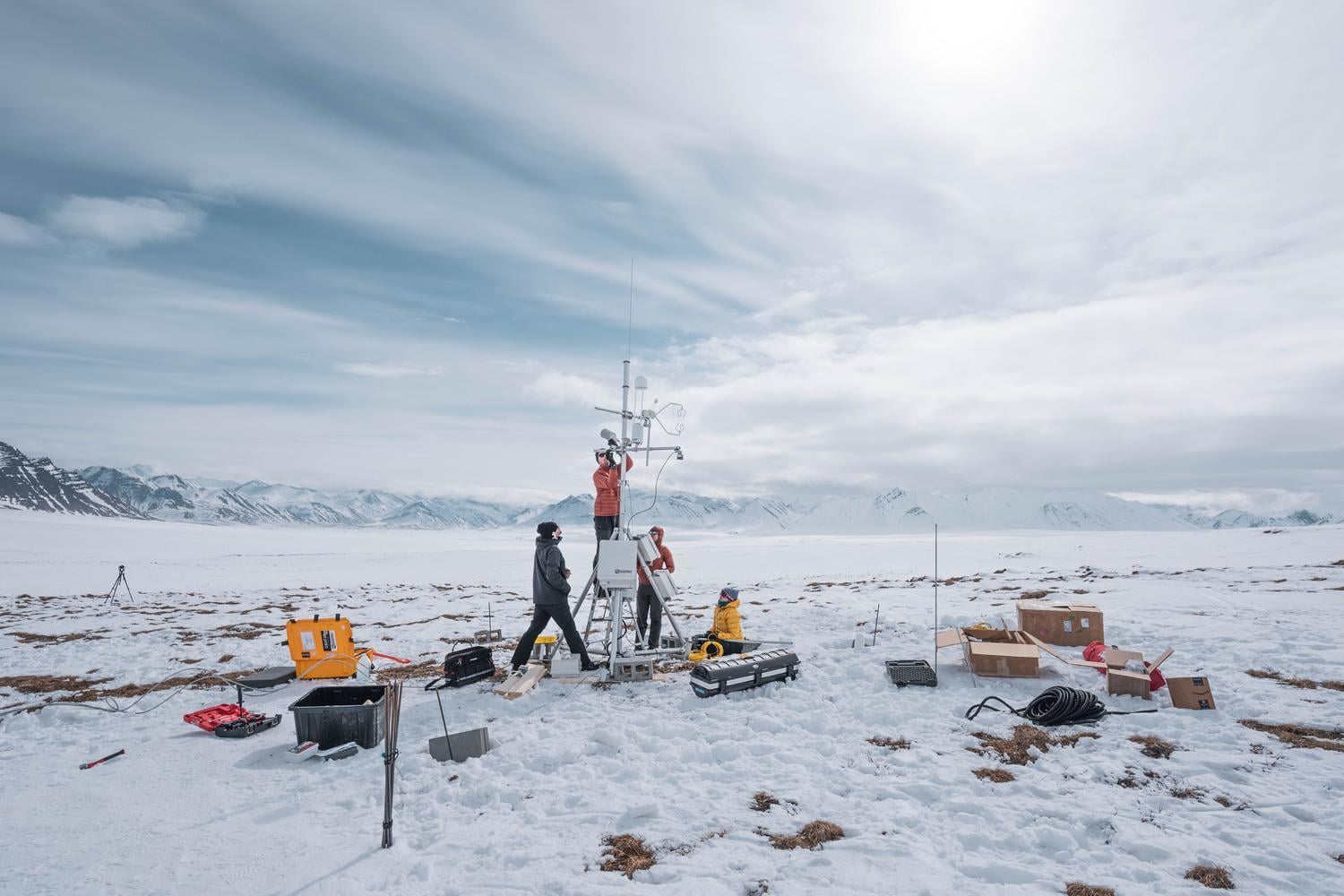
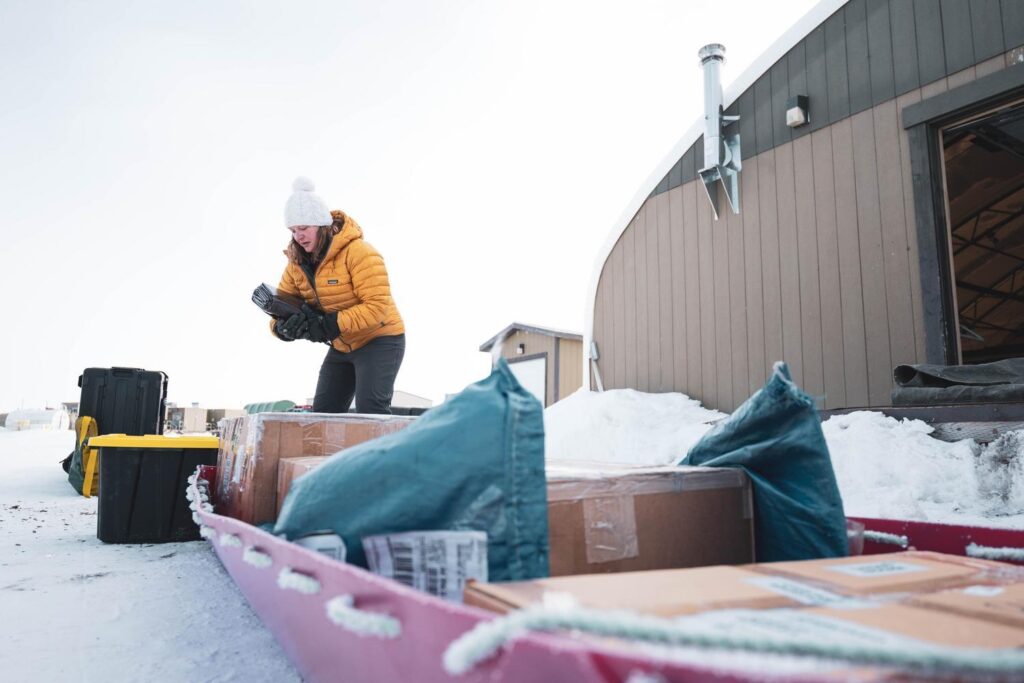
The operation began in early May, a period when the Arctic transition from winter to spring presents both logistical advantages and extreme physical challenges. Operating out of the Toolik Field Station—a premier Arctic research hub managed by the University of Alaska Fairbanks—the team faced temperatures that remained well below freezing, with hoarfrost frequently coating the tundra. The mission required the transport of several tons of sensitive electronic and structural equipment across the frozen expanse of the North Slope, a task executed via snowmachines and heavy-duty sleds.
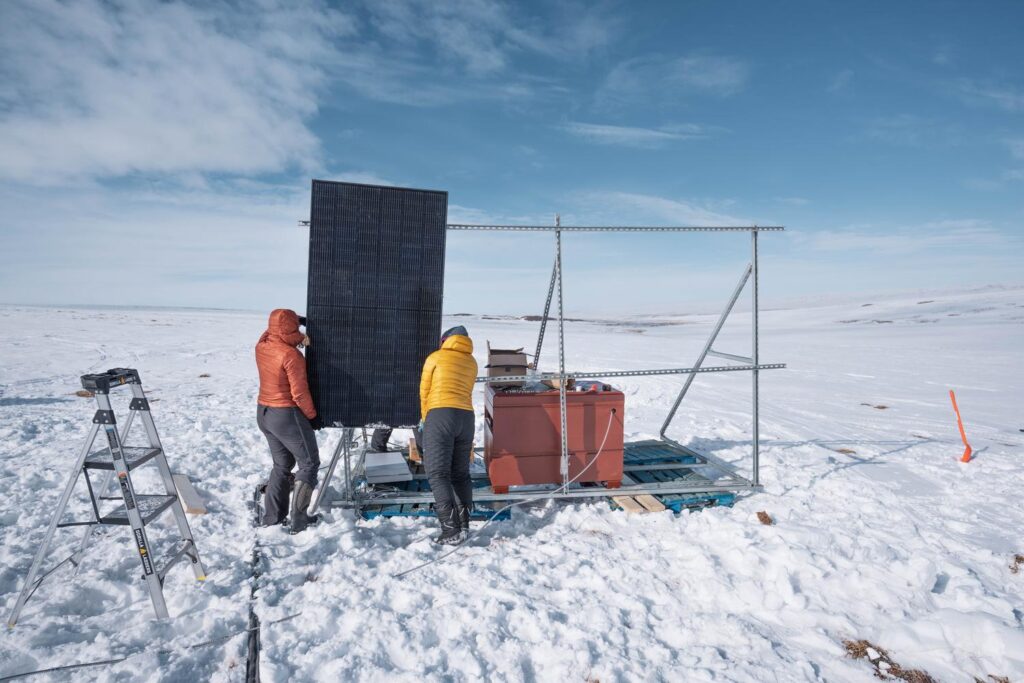
The transport phase was a multi-day effort, navigating the undulating terrain between the station and the specific research site located near the Brooks Range. The equipment list was extensive, reflecting the need for the station to operate autonomously in one of the most remote environments on Earth. The cargo included a 15-foot aluminum tower frame, specialized guy-lines for wind stabilization, cement anchors, and four large-scale solar panels. To power the sensors through periods of low light and extreme cold, the team hauled eight deep-cell batteries, each weighing over 100 pounds, housed in a reinforced electrical enclosure.
The installation process itself took several days of manual labor in sub-zero conditions. The team, which included researchers Kyle, Christina, and Kai, had to secure the tower against the high-velocity winds common to the Alaskan interior while ensuring that the sensors remained at a precise height to capture atmospheric gas exchanges. By the end of the deployment window, the flux tower was fully operational, beginning its long-term task of measuring the invisible "breath" of the thawing tundra.
The Science of Permafrost Thaw Slumps
The primary objective of the mission is to study "thaw slumps"—dramatic geological features that represent the "abrupt thaw" of permafrost. Unlike gradual thawing, which occurs evenly across the landscape, a thaw slump is a form of thermokarst where ice-rich permafrost melts rapidly, causing the ground to lose its structural integrity and collapse downhill. This process exposes ancient organic matter—some of which has been frozen for tens of thousands of years—to the atmosphere and microbial decomposition for the first time.
When this organic material thaws, microbes begin to break it down, releasing carbon dioxide (CO2) and methane (CH4) in the process. Methane is of particular concern to the scientific community; over a 20-year period, it is roughly 80 times more potent at trapping heat in the atmosphere than carbon dioxide. Current global climate models often overlook these localized "hotspots" of emission because they are difficult to observe and quantify. The data collected by Dr. Watts’ new tower will provide empirical evidence of the sheer volume of gases escaping from these slumps, which preliminary observations suggest could be significantly higher than the emissions from stable, intact tundra.
Supporting Data: The Dual Role of Arctic Snow
A critical component of the research, led by Dr. Gleason, focuses on the paradoxical role of snow in the Arctic energy balance. In mountain environments like the Western United States, snow is primarily viewed as a seasonal water reservoir. However, in the Arctic, its function is twofold: it acts as both a reflective shield (albedo) and a thermal blanket (insulation).
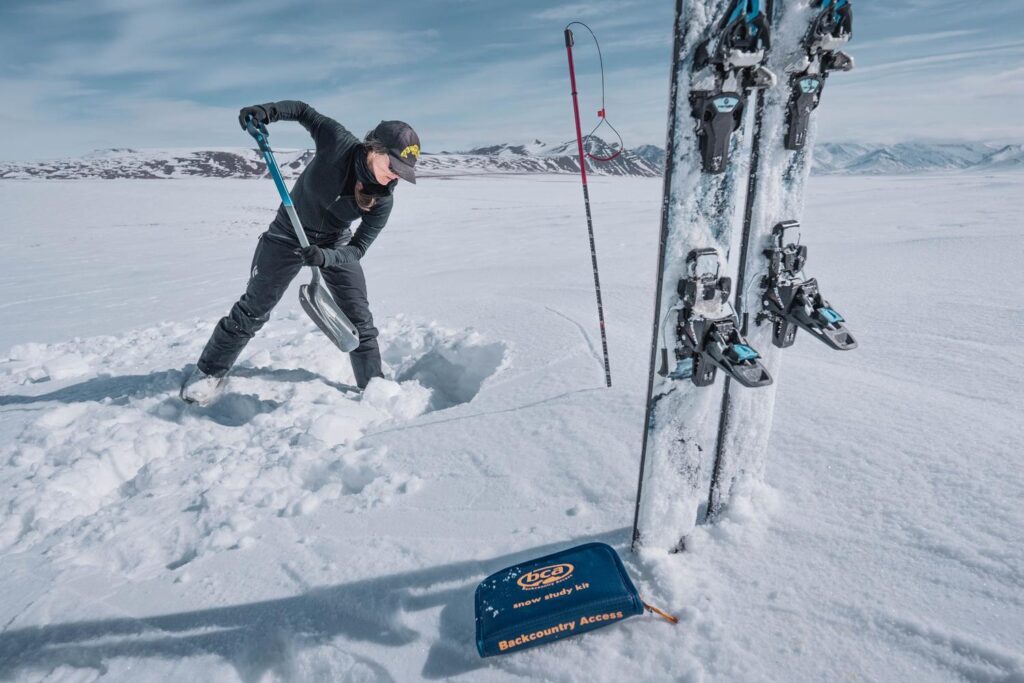
Dr. Gleason’s field measurements during the expedition highlighted a troubling feedback loop. As global temperatures rise, the Arctic atmosphere becomes more humid due to the loss of sea ice and increased evaporation from the open ocean. This has led to an increase in snowfall in certain Arctic regions. While a brighter, whiter surface reflects more solar radiation back into space—a cooling effect—the physical depth of the snow creates a powerful insulating layer that traps heat in the ground.
During the expedition, Dr. Gleason conducted a comparative analysis of snow pits to quantify this effect. The findings were stark:
- Shallow Snowpack (57 cm): In areas with less snow, the ground temperature dropped to -10°C. This deep freeze helps keep the permafrost stable and slows microbial activity.
- Deep Snowpack (Approx. 2 meters): In areas where snow had drifted to significant depths, the temperature at the soil surface was recorded at nearly -3°C.
The seven-degree difference is critical. At -3°C, the soil is close enough to the freezing point that microbial life can remain active even in the height of winter, continuing to emit greenhouse gases while the surface appears frozen. This "insulation feedback" suggests that increased snowfall could actually accelerate the thawing of permafrost from the top down, even if the air above remains frigid.
Stakeholder Perspectives and the Role of Advocacy
The mission also serves as a high-profile collaboration between the scientific community and climate advocacy groups. The POW Science Alliance, a wing of the non-profit Protect Our Winters, aims to utilize the expertise of scientists like Gleason and Watts to inform policy and public discourse. The organization argues that data-driven storytelling is essential for motivating legislative action on climate change.
"Protecting the Arctic starts with understanding it," noted the researchers involved. The sentiment reflects a growing trend in the scientific community toward "actionable science"—research that is not only published in academic journals but also translated for use by policymakers and the general public. By documenting the physical reality of permafrost collapse and the complex feedbacks of snow insulation, the team provides a tangible link between global carbon emissions and the destabilization of the North Slope.
Representatives from the Woodwell Climate Research Center emphasized that the Arctic is warming nearly four times faster than the global average. The data from the Toolik flux tower is expected to be shared with international monitoring networks, helping to refine the accuracy of the Intergovernmental Panel on Climate Change (IPCC) projections.
Broader Impact and Global Implications
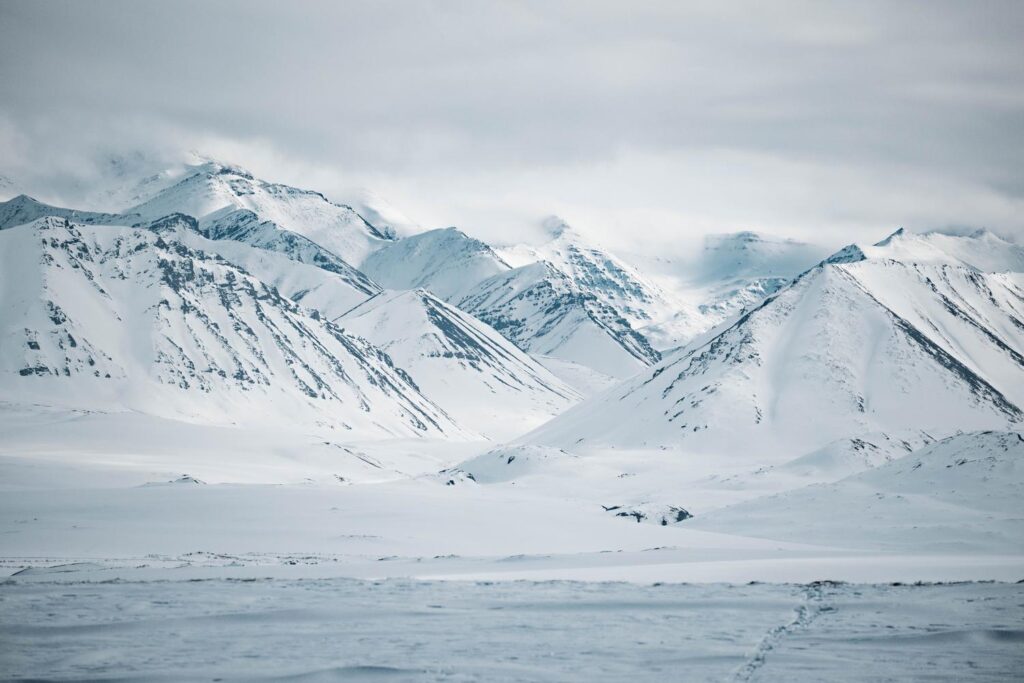
The implications of the research conducted at Toolik Field Station extend far beyond the borders of Alaska. The Arctic is often described as the "world’s refrigerator," but as it transitions from a carbon sink to a carbon source, it threatens to trigger a self-sustaining warming cycle that human intervention may be unable to stop.
The permafrost contains an estimated 1,400 to 1,600 billion tons of carbon—roughly double the amount currently in the Earth’s atmosphere. If the insulation feedback identified by Dr. Gleason and the abrupt thaw events monitored by Dr. Watts continue to accelerate, the resulting emissions could consume a significant portion of the remaining "carbon budget" established by the Paris Agreement to limit global warming to 1.5°C or 2°C.
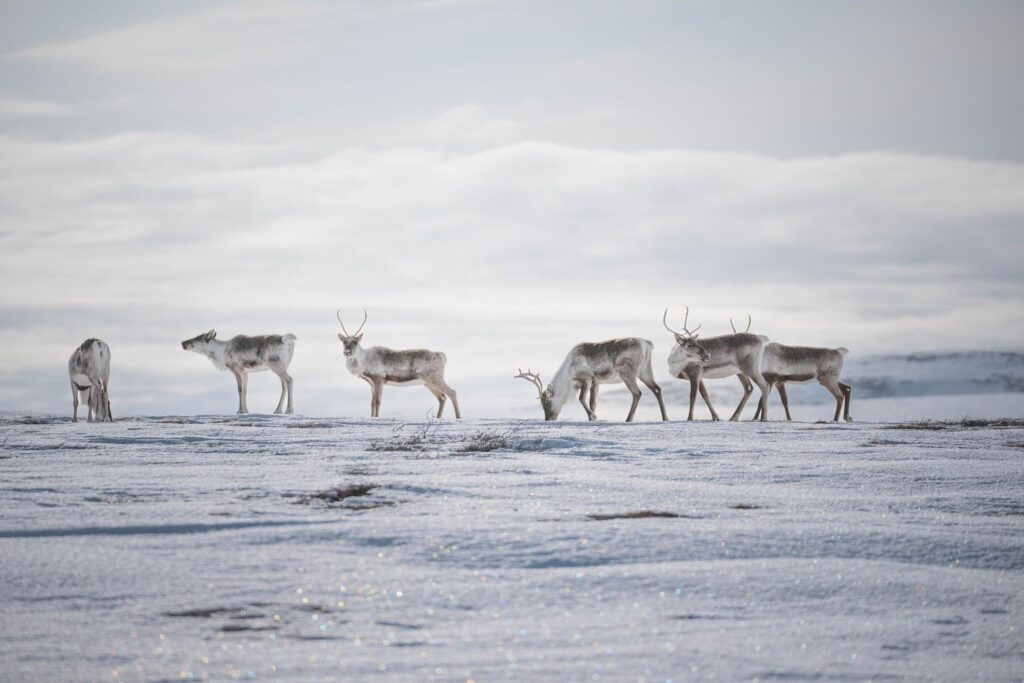
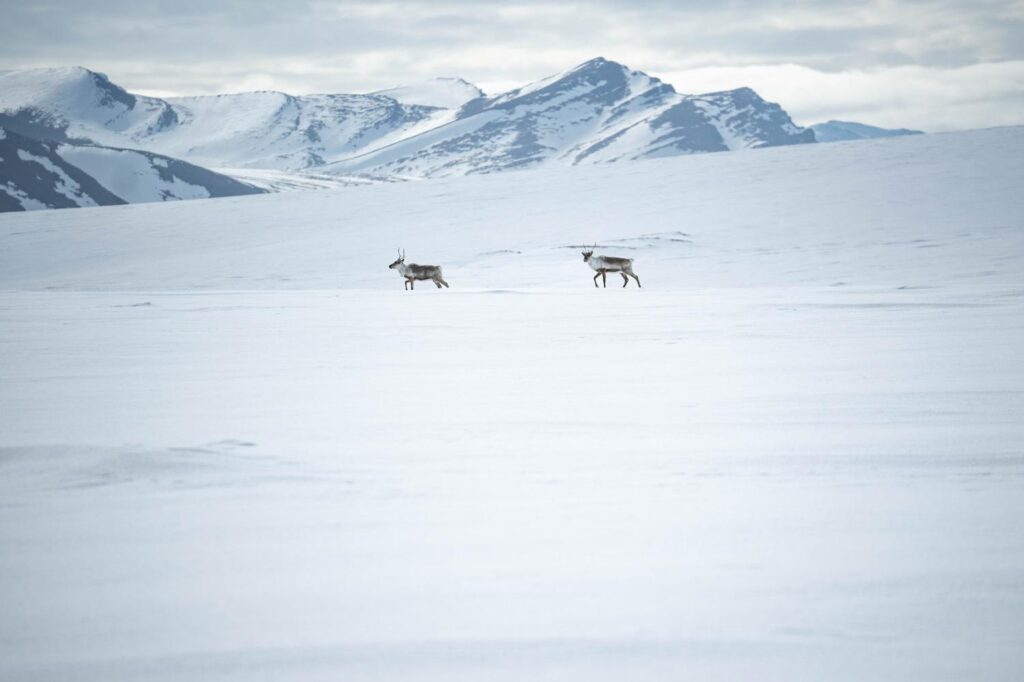
Furthermore, the destabilization of the North Slope has immediate impacts on local biodiversity and infrastructure. The caribou herds observed by the team during their deployment rely on stable tundra for migration and grazing. Thaw slumps and thermokarst activity disrupt these patterns and can lead to the destruction of roads, pipelines, and indigenous communities built on what was once thought to be permanently frozen ground.
Conclusion: A Call for Integrated Climate Action
The successful installation of the flux tower at Toolik Field Station represents a fusion of technical engineering, rigorous field science, and strategic advocacy. As the tower begins to beam data back to researchers, it will offer a real-time look at a landscape in transition. The findings of Dr. Gleason and Dr. Watts underscore a vital reality: the Arctic is not a static environment but a dynamic system where subtle changes in snow depth or soil temperature can have global repercussions.
The mission concludes that while science provides the necessary diagnostic tools to understand the climate crisis, the "cure" lies in systemic policy changes that reduce global dependence on fossil fuels. The work on the North Slope serves as a reminder that what happens in the remote reaches of the Arctic is inextricably tied to the future of the global climate. Through continued monitoring and vocal advocacy, the members of the POW Science Alliance and their partners at Woodwell and Portland State University aim to ensure that the "invisible" changes occurring in the frozen North are brought to the forefront of the global agenda.
