

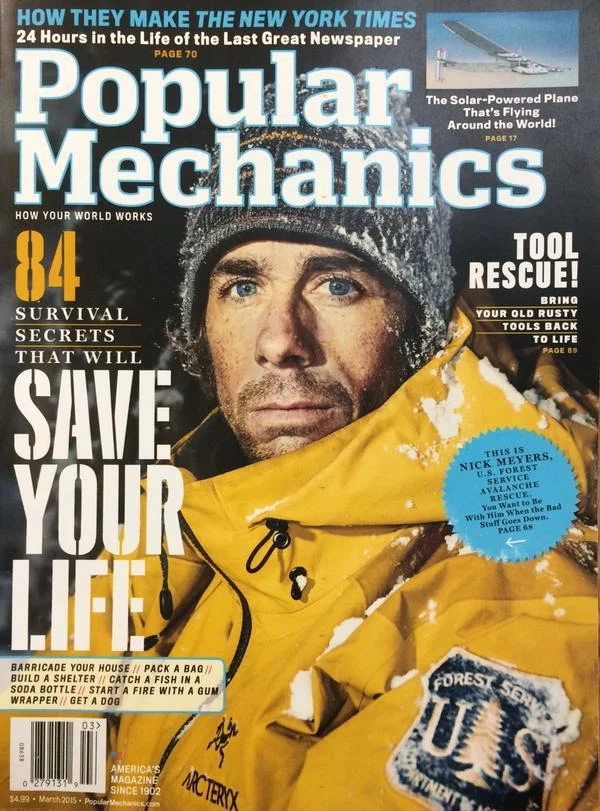
Mount Shasta, CA – Nick Meyers, a highly respected figure in the mountaineering and avalanche safety community, has been prominently featured on the cover of the latest issue of Popular Mechanics magazine. Meyers, who serves as the Director of the Mount Shasta Avalanche Center and holds the critical role of Lead Climbing Ranger on Mount Shasta, was recognized for his extensive expertise in high-altitude survival and avalanche rescue. The feature highlights his insights into essential gear and preparedness for extreme mountain environments, positioning him as a leading authority in the field.
A Leading Voice in Avalanche Safety and Mountain Rescue
The Popular Mechanics feature, titled "10 Survival Essentials an Avalanche Rescue Expert Always Carries," delves into the practical knowledge and specialized equipment that seasoned professionals like Meyers rely on when navigating treacherous mountain terrain. This recognition underscores the vital work conducted by the Mount Shasta Avalanche Center in providing crucial weather and snowpack information to skiers, snowboarders, and climbers, ultimately aiming to reduce the risk of avalanche-related incidents.
Meyers’ role as Lead Climbing Ranger on Mount Shasta, a dormant volcano and the highest peak in the Cascade Range, places him at the forefront of managing climbing activities and ensuring the safety of those who ascend its challenging slopes. This dual responsibility provides him with unparalleled, real-world experience in understanding the dynamic and often perilous conditions prevalent in high mountain environments. His insights are not merely theoretical; they are forged in the crucible of active rescue operations and rigorous hazard assessment.
The Genesis of the Popular Mechanics Feature
While the exact timeline of Popular Mechanics‘ decision to feature Meyers is not publicly detailed, such placements typically result from a magazine’s editorial team identifying individuals whose expertise aligns with their content themes. Given Popular Mechanics‘ consistent focus on technology, engineering, and practical problem-solving, Meyers’ background in applied survival techniques and specialized gear makes him an ideal candidate. The magazine likely sought to leverage his firsthand knowledge to provide actionable advice to its readership, many of whom are outdoor enthusiasts or individuals interested in preparedness.
The article itself, accessible via a link provided by the Mount Shasta Avalanche Center, directly quotes Meyers on his essential survival items. These are not abstract concepts but tangible tools and strategies that have been proven effective in life-or-death situations. The selection of these items is informed by years of experience, a deep understanding of the unique dangers posed by avalanches and extreme weather, and the specific demands of climbing a peak as formidable as Mount Shasta.
Mount Shasta: A Unique and Demanding Environment
Mount Shasta, with its elevation of 14,179 feet (4,322 meters), presents a formidable challenge to climbers and outdoor adventurers. Its glaciated slopes, unpredictable weather patterns, and potential for avalanches create a high-risk environment. The Mount Shasta Avalanche Center plays a critical role in monitoring these conditions. Established to provide essential forecasting and educational resources, the center is a cornerstone of safety for the region. Its operations involve rigorous data collection, including snowpack analysis, weather monitoring, and the dissemination of daily avalanche advisories.
The work of the center is particularly vital during the winter and spring months when avalanche risk is at its peak. Climbers and backcountry users rely on these advisories to make informed decisions about when and where to travel, significantly mitigating the inherent dangers. Meyers’ leadership ensures that these advisories are accurate, timely, and accessible, contributing directly to the safety of hundreds, if not thousands, of individuals annually.
Supporting Data and the Science of Avalanche Safety
The insights presented in the Popular Mechanics article are grounded in established principles of avalanche science and mountaineering safety. Avalanche formation is a complex process influenced by several factors, including snowpack structure, temperature fluctuations, wind, and terrain. Understanding these factors is paramount for predicting avalanche risk.
According to the National Avalanche Center, avalanches kill an average of 30-40 people per year in the United States. This stark statistic underscores the importance of the work done by individuals like Nick Meyers and organizations like the Mount Shasta Avalanche Center. The center’s efforts in education and forecasting directly contribute to reducing these fatalities by empowering individuals with the knowledge to assess risk and make safer choices.
Meyers’ expertise likely encompasses a deep understanding of:
- Snowpack Stratigraphy: Analyzing the layers within the snowpack to identify weak layers that could lead to an avalanche.
- Weather Patterns: Interpreting meteorological data to predict conditions that favor avalanche formation, such as rapid warming or heavy snowfall.
- Terrain Analysis: Identifying avalanche-prone slopes based on aspect, elevation, and slope angle.
- Rescue Techniques: Mastering the use of essential avalanche safety equipment, including transceivers, probes, and shovels, and understanding search protocols.
The items featured in the Popular Mechanics article are direct applications of this scientific understanding. For example, a robust avalanche transceiver is critical for locating buried victims, while a collapsible probe allows for precise pinpointing of their location. A sturdy shovel is essential for efficient excavation. Beyond these rescue tools, Meyers likely emphasizes items that enhance survival in extreme cold, such as specialized insulation, navigation aids, and emergency shelter.
Broader Impact and Implications for Mountain Safety
The prominence of Nick Meyers on the cover of Popular Mechanics has several positive implications for the field of avalanche safety and mountain rescue:
- Increased Public Awareness: The feature introduces a wider audience to the inherent dangers of mountain environments and the importance of preparedness. This can lead to more responsible outdoor recreation practices.
- Validation of Expertise: It elevates the profile of avalanche safety professionals and highlights the critical nature of their work. This can encourage more individuals to pursue careers in this field.
- Promotion of Best Practices: By sharing practical advice on survival essentials, the article implicitly promotes the adoption of best practices in gear selection and personal preparedness among outdoor enthusiasts.
- Support for Avalanche Centers: Increased visibility for figures like Meyers can indirectly bolster support for avalanche centers through public recognition and potential funding. These centers are often underfunded, and public appreciation for their life-saving work is invaluable.
The accompanying blog post mentioned on the Mount Shasta Avalanche Center’s website offers further insight into Nick Meyers’ background and contributions. Such resources are invaluable for those seeking to understand the depth of his experience and the dedication he brings to his roles. These platforms serve as educational tools, providing detailed information about avalanche safety, climbing Mount Shasta, and the broader mission of the avalanche center.
Official Responses and Community Reactions
While direct quotes from Popular Mechanics editors are not available in the provided text, the act of placing Meyers on their cover is a strong endorsement of his expertise. The Mount Shasta Avalanche Center, in sharing the news, expressed clear pride and appreciation: "Great work, Nick!" This sentiment is likely echoed by many within the mountaineering and avalanche safety communities who recognize Meyers’ significant contributions.
Leaders within organizations like the National Avalanche Center and the Forest Service, which often partners with local avalanche centers, would undoubtedly view this feature as a positive development. It validates the ongoing efforts to educate the public and improve safety in mountainous regions. The recognition serves as a testament to the effectiveness of localized avalanche centers in providing essential safety information and expertise.
Future Outlook and the Evolution of Mountain Safety
The recognition of Nick Meyers signifies a growing public interest in outdoor adventure and the critical need for robust safety protocols. As more people engage with the backcountry, the demand for accurate forecasting, comprehensive education, and expert guidance will continue to rise. The work of the Mount Shasta Avalanche Center, and the individuals who lead it, will remain indispensable in meeting these demands.
The evolution of avalanche safety is a continuous process, driven by ongoing research, technological advancements, and the accumulation of practical experience. Features like the one in Popular Mechanics play a crucial role in disseminating this evolving knowledge base to a broader audience. By highlighting the essential tools and wisdom of experienced professionals, such articles contribute to a culture of safety and preparedness that can save lives in the most unforgiving environments. Nick Meyers’ presence on the cover of Popular Mechanics is not just a personal achievement; it is a significant moment for the entire field of avalanche safety and mountain rescue.
