

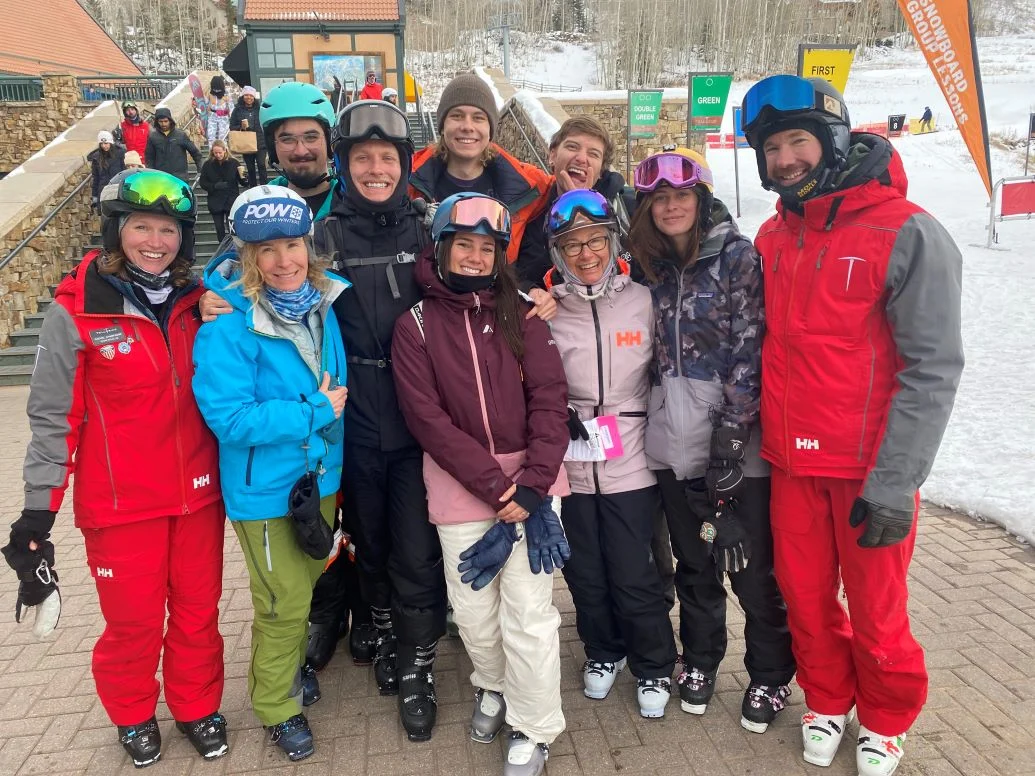
Telluride Ski and Snowboard School has embarked on a pioneering initiative to transform its new-hire instructor training program, moving away from conventional didactic methods towards an experiential and adaptive learning framework. Spearheaded by Training Manager Rick Rauch for the 2023-2024 season, this ambitious overhaul aims to accelerate the development of aspiring snowsports professionals, empowering them to transition from rote imitation to independent, creative problem-solving in a significantly shorter timeframe. This innovative approach, detailed in an excerpt from the Fall 2026 Issue of 32 Degrees magazine, challenges long-standing industry norms and seeks to address the persistent challenges associated with rapid instructor onboarding ahead of peak operational periods.
The Critical Role of Ski and Snowboard Schools in Resort Operations
Ski and snowboard schools are far more than just instructional departments; they are integral to the economic vitality and guest experience of mountain resorts. Annually, these schools contribute substantially to resort revenue, often serving as the primary point of contact for first-time visitors and families. Beyond financial contributions, instructors are the frontline ambassadors of the resort, shaping guests’ perceptions, ensuring safety, and fostering a lifelong love for snowsports. A positive learning experience can transform a one-time visitor into a returning enthusiast, directly impacting repeat business and word-of-mouth referrals. The National Ski Areas Association (NSAA) consistently highlights the importance of beginner programs in driving participation growth, underscoring the strategic value of effective instructor training. With the U.S. ski industry generating billions in economic activity and supporting hundreds of thousands of jobs, the quality of instruction directly correlates with the industry’s sustained growth and public image. Therefore, the process by which new instructors are brought into this crucial role is a matter of significant strategic importance for every resort.
The Traditional Paradigm: Strengths and Significant Drawbacks
For decades, the standard approach to new-hire training in ski and snowboard schools across the country has followed a largely linear, didactic model. This method typically commences in early December, presenting a comprehensive curriculum designed to equip new instructors with the foundational knowledge and basic skills required for their role. The curriculum often encompasses fundamental ski and snowboard technique suitable for beginner to green-level students, extensive terrain familiarization, safe lift usage protocols, essential people skills, the resort’s specific Teaching Model, basic equipment setup and maintenance, and comprehensive safety protocols.
Much of this information is traditionally conveyed through lecture formats, often conducted outdoors on the side of the beginner slope, or in classroom settings. The expectation is that new instructors will absorb this vast amount of data, remain engaged, and retain the critical components necessary for their initial success. Following this initial training phase, new instructors at many resorts are afforded the opportunity to "shadow" an experienced professional during live lessons. This allows them to observe teaching in practice before debriefing with their mentor to discuss observations and insights. More progressive schools might also incorporate a "shine," where a new instructor teaches a lesson under the observation of an experienced pro, receiving immediate feedback.
While this traditional model provides a structured introduction and ensures a baseline level of knowledge transfer, it presents significant drawbacks. The sheer volume of information delivered in a short timeframe often leads to cognitive overload, a well-documented phenomenon in adult learning where the brain’s working memory is overwhelmed, resulting in diminished retention and comprehension. Studies on adult learning indicate that passive information absorption, such as lectures, yields significantly lower retention rates compared to active, experiential learning. This rapid influx of information, coupled with limited practical application opportunities, can induce fatigue bordering on burnout even within the first week.
Furthermore, the traditional model frequently confines new hires to their initial training groups, inadvertently hindering their integration into the broader team of seasoned instructors. This isolation can foster a sense of being an outsider, undermining team cohesion and limiting opportunities for informal learning from a wider pool of colleagues. As Rick Rauch observes, the absence of robust alternatives when a lesson inevitably deviates from the planned trajectory can be deeply frustrating for new instructors, often leading to a crisis of confidence as they grapple with unexpected scenarios. Resorts also face questions regarding the return on investment (ROI) for the time and money committed to training, especially if early performance issues become common or instructor retention suffers due to a lack of confidence and preparedness.
The Looming Deadline: Seasonal Pressures and Instructor Readiness
The timeline inherent in the ski industry’s operational calendar imposes immense pressure on new-hire training programs. Typically, new instructors are onboarded and commence training in the first few days of December. This leaves a critically brief window—often just a few short weeks—before the onset of the busiest period of the season: the holiday crowds. This rapid turnaround necessitates that new staff are not only proficient in basic techniques but also confident, adaptable, and capable of managing the dynamic and often chaotic environment of a busy resort.
For ski and snowboard schools, the stakes are exceptionally high. The holiday season represents a peak in guest traffic and revenue generation, making it an "all-hands-on-deck" situation. The readiness of new instructors directly impacts guest satisfaction, safety, and the overall efficiency of school operations. An unprepared instructor can lead to negative guest experiences, safety incidents, and added strain on supervisory staff. The pressure to quickly transform "naïve hopefuls" into "professional ambassadors" is immense, with the success of the entire season often hinging on the effectiveness of this expedited training period. Resort management, naturally, seeks assurances that their significant investment in recruitment and training will yield a capable workforce ready to meet the demands of this critical operational window. The lack of time for new instructors to fully integrate, practice, and gain confidence before being thrust into high-pressure situations has long been identified as a major challenge for the industry.
A New Vision for Instructor Development: The "Copy, Choose, Create" Framework
Understanding the limitations of traditional training, Dr. Kim Peterson, a Level 3 alpine and Level 1 adaptive instructor with a Children’s Specialist 2 credential and author of the "Guest-Centered Teaching Model," proposed a valuable framework for instructor development: Copy, Choose, Create. This model outlines a natural progression of skill acquisition and pedagogical maturity among snowsports professionals.
- Copy: Early in their careers, new instructors predominantly Copy. They replicate examples, techniques, and teaching cues they have seen or heard from their trainers or experienced peers. This stage is essential for establishing foundational understanding and building an initial repertoire of teaching behaviors. However, reliance solely on copying can limit adaptability when faced with novel or challenging lesson circumstances.
- Choose: As instructors gain more experience, they transition to the Choose stage. Here, they begin to select from a growing list of approaches, strategies, and drills that they have observed or learned, applying them to best fit the specific lesson circumstances, student needs, and environmental conditions. This stage marks a significant step towards independent decision-making and a more nuanced understanding of teaching.
- Create: The pinnacle of instructor development is the Create stage. Well-seasoned, confident instructors can customize existing teaching content or innovate entirely new approaches in the moment, drawing upon a deep knowledge base, extensive experience, and intuitive understanding of their students and the learning process. This stage embodies true mastery and pedagogical artistry.
The traditional didactic approach to new-hire training largely confines instructors to the "Copy" stage. While providing a necessary foundation, it struggles to accelerate their progression to "Choose" and "Create" before the holiday rush demands independent, adaptable professionals. The challenge for ski and snowboard schools, therefore, is not merely to transmit information but to foster the rapid development of problem-solving and decision-making skills that move instructors beyond mere imitation.
Telluride’s Bold Shift: Re-Imagining New-Hire Training
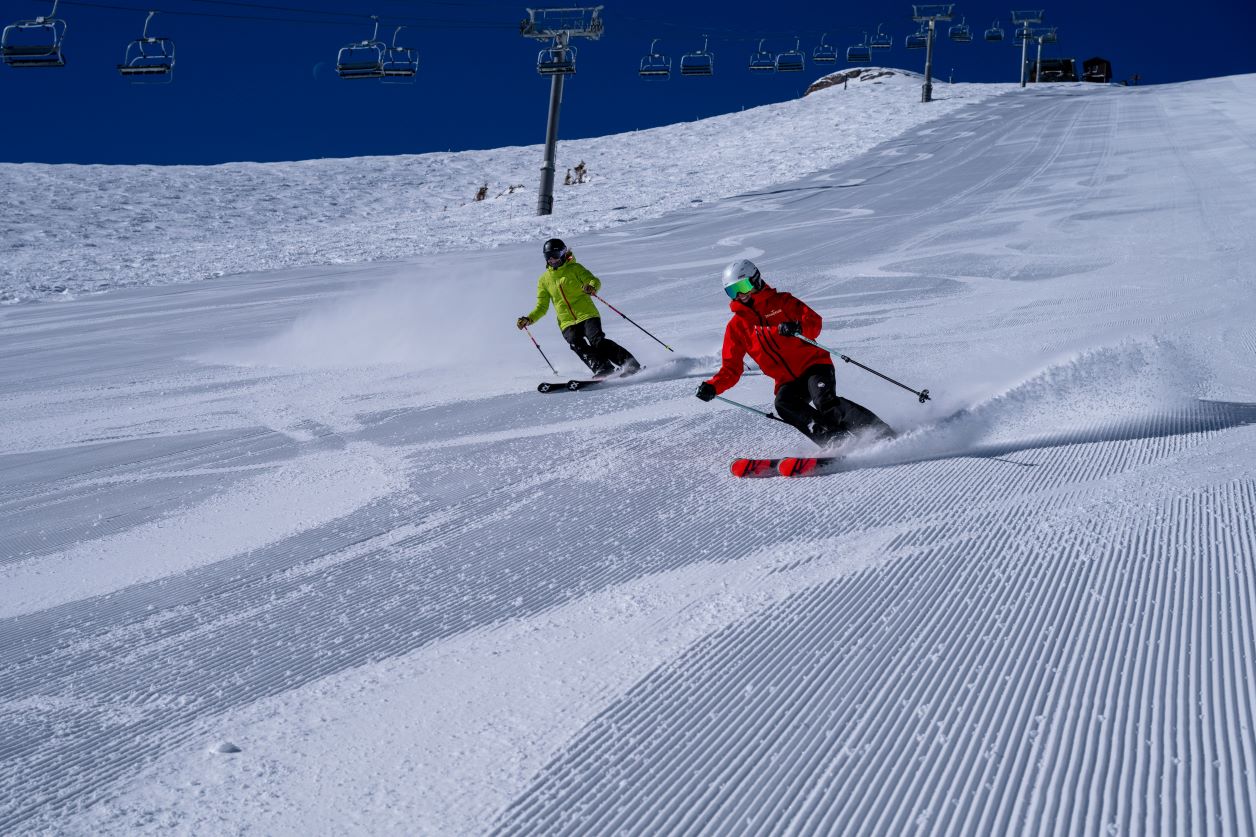
Driven by the imperative to accelerate instructor development and overcome the drawbacks of the conventional model, the Telluride Ski and Snowboard School initiated a radical re-imagination of its new-hire training for the 2023-2024 season. The core tenet of this new approach was to empower new instructors to "train themselves," a concept that immediately garnered both intrigue and skepticism within the training team, as noted by Rick Rauch.
This strategic departure abandoned the familiar linear, didactic method in favor of an approach that heavily borrowed from modern pedagogical theories: experiential learning, ecological dynamics, and constraints-based learning. The objective was clear: not merely to aid information recall, but to catalyze a fundamental shift in how new instructors learn, enabling them to move quickly from merely copying established patterns to making sound, independent decisions when lessons inevitably unfolded in unexpected ways. This represented a significant cultural and methodological shift, requiring trainers to move from being lecturers to facilitators, guiding a process of self-discovery and practical application. The initial reaction of the training team, scanning a clinic description that promised such a radical departure, underscored the ambitious nature of Telluride’s vision.
The Methodologies: Experiential Learning, Ecological Dynamics, and Constraints-Based Approaches Explained
Telluride’s innovative training model is underpinned by robust educational theories that emphasize active engagement and contextualized learning:
-
Experiential Learning: This pedagogical philosophy, famously articulated by theorists like David Kolb, posits that learning is a process of "making meaning from direct experience." It moves beyond passive reception of information to active involvement, reflection, conceptualization, and active experimentation. In the context of snowsports instruction, this means new hires are not just told how to teach; they are put in situations where they do teach, observe the outcomes, reflect on their performance, and then adapt their strategies. This cycle of doing and reflecting accelerates skill acquisition and fosters a deeper understanding than rote memorization ever could. It allows for immediate application of theoretical knowledge in a practical, dynamic setting, enhancing retention and building confidence.
-
Ecological Dynamics: This theoretical framework, central to motor control and learning, studies how organisms (in this case, ski and snowboard instructors) move and interact with their environment. It emphasizes the concept of "perception-action coupling," where an individual’s actions are intrinsically linked to their perception of the environment. For snowsports instructors, this means learning to "read" the terrain, the snow conditions, the students’ body language, and the dynamic flow of the mountain environment, and then adapting their teaching strategies and movements in real-time. Instead of a rigid, pre-planned lesson, ecological dynamics encourages instructors to attune themselves to the ever-changing landscape of a lesson, making flexible, informed decisions based on immediate feedback from their surroundings and students. This approach moves away from prescriptive instructions towards developing an intuitive, responsive teaching style.
-
Constraints-Based Learning (Newell, 1986): Building on ecological dynamics, constraints-based learning suggests that motor skill development is not about being told what to do, but about shaping the learning environment through various "constraints" (task, environment, and individual) to encourage the emergence of desired behaviors. Instead of direct instruction, trainers design scenarios where the learner is subtly guided towards the correct or most effective movement patterns or teaching strategies.
- Task Constraints: Modifying the objective of a lesson or drill (e.g., "teach a student to link five turns without using your voice").
- Environmental Constraints: Altering the physical space (e.g., specific terrain, snow conditions, time limits, presence of other skiers).
- Individual Constraints: Adjusting factors related to the learner (e.g., specific equipment, physical limitations, existing skill level).
By manipulating these constraints, instructors are compelled to discover effective solutions themselves, fostering deeper learning and greater adaptability. This "discovery learning" approach is particularly powerful in complex, dynamic environments like a ski slope, where no two lessons are ever exactly alike. Rick Rauch highlighted that both ecological dynamics and constraints-based learning heavily rely on the idea of the learner doing as a major component of the skill acquisition process, a principle Telluride actively embraced.
Anticipated Outcomes and Initial Reactions
The shift to this innovative training model at Telluride was met with "immediate and skeptical" reactions from the training team, a natural response to a fundamental change in established practice. This skepticism, however, presented an opportunity for the leadership to clearly articulate the rationale and potential benefits. For the new hires, the experience was designed to be profoundly different.
The anticipated outcomes of Telluride’s re-imagined training are multifaceted:
- Enhanced Retention and Understanding: By actively engaging with the material through experiential and constraints-based methods, new instructors are expected to retain information more effectively and develop a deeper, more nuanced understanding of teaching principles.
- Accelerated Skill Development: The emphasis on "doing" and problem-solving is intended to fast-track instructors through Kim Peterson’s "Copy" stage, enabling them to "Choose" and even "Create" teaching solutions much earlier in their careers.
- Improved Confidence and Adaptability: Confronting and solving real-world teaching challenges during training builds resilience and confidence, preparing instructors more effectively for the unpredictable nature of live lessons, especially during the demanding holiday season.
- Stronger Team Integration: Collaborative problem-solving inherent in these methodologies fosters a sense of shared purpose and belonging, integrating new hires into the team more organically than sequestered, lecture-based groups.
- Reduced Burnout: Greater confidence, a sense of empowerment, and effective strategies for handling unexpected situations can significantly reduce the stress and potential for burnout that often plague new instructors.
- Higher Return on Investment (ROI): More effective training leads to higher quality instructors, improved guest satisfaction, and potentially higher instructor retention, ultimately providing a better return on the resort’s investment in its workforce.
While the initial skepticism from the training team highlights the challenge of implementing such a paradigm shift, the commitment from Telluride’s leadership to these modern pedagogical principles suggests a willingness to invest in the long-term professional development and well-being of its instructors. The success of this model will rely on continuous evaluation, adaptation, and sustained buy-in from all stakeholders.
Implications for the Industry and Future Outlook
Telluride’s bold initiative to re-imagine new-hire training holds significant implications for the broader snowsports industry. If successful, this model could serve as a blueprint for other resorts seeking to enhance instructor quality, improve guest satisfaction, and boost staff retention in an increasingly competitive labor market. The industry has long grappled with the challenge of quickly preparing seasonal staff for high-pressure roles, and Telluride’s approach offers a compelling alternative to traditional methods.
The shift towards experiential, ecological dynamics, and constraints-based learning aligns with broader trends in professional development across various skill-based industries, which increasingly recognize the limitations of purely didactic instruction. The emphasis on practical application, adaptability, and self-discovery resonates with contemporary understanding of how adults learn most effectively, particularly in dynamic, complex environments.
Challenges remain, including the need for specialized training for the trainers themselves to effectively facilitate these new methodologies, the development of appropriate assessment tools for a non-linear learning process, and the ongoing collection of data to quantify the impact on instructor performance, guest satisfaction, and retention rates. However, the potential benefits – a more confident, adaptable, and highly skilled instructor workforce – are substantial.
The interest generated by this initiative, as evidenced by its feature in 32 Degrees magazine and the dedicated episode on the First Chair Podcast discussing "A Case Study on New-Hire Training" with Rick Rauch, signals a growing appetite within the snowsports community for innovative solutions. Telluride’s commitment to pushing the boundaries of instructor development could usher in a new era of professional training, ultimately benefiting instructors, guests, and the entire snowsports industry. As the demand for high-quality instruction continues to grow, the ability of resorts to cultivate truly skilled and adaptable professionals will be a key differentiator in shaping the future of mountain experiences.
