

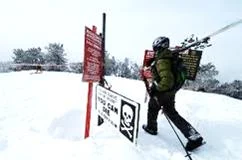
The allure of untouched powder and the thrill of venturing beyond the marked and patrolled boundaries of ski resorts has led to a growing phenomenon known as "sidecountry" skiing. This burgeoning trend, particularly prevalent in ski areas situated on or adjacent to public lands, presents a complex duality: an extraordinary recreational resource offering unparalleled freedom, yet a domain devoid of avalanche control and rescue services. The responsibility for safety, and indeed survival, rests entirely with the individual skier or snowboarder. As articulated by Doug, the core concern for parents is stark: "after a parent waves goodbye in the ski area parking lot do they know what the kids are doing? Are they leaving the ski area for R-rated terrain?" This question highlights a critical gap in awareness and preparedness that has significant implications for both recreationalists and ski area operators.
The Expanding Frontier: Understanding the Sidecountry
The term "sidecountry" refers to terrain that lies immediately outside the ski area boundary but is still accessible from the resort’s lift system. This often involves traversing a short distance from a designated run or hiking a short ascent to reach ungroomed, untracked snowfields. Unlike the controlled environment within a ski resort, where trained ski patrols conduct avalanche mitigation, monitor snowpack stability, and organize rescue efforts, the sidecountry operates under a different set of rules – or rather, a lack thereof.
In these uncontrolled areas, skiers and snowboarders are entering a wilder, more unpredictable environment. Avalanche forecasting is provided by regional centers, but specific avalanche control efforts, such as bombing slopes to trigger controlled slides, are not undertaken by ski area personnel. Consequently, if an accident occurs, such as an avalanche burial or a serious injury, the onus falls upon the individuals themselves or external rescue organizations to mount a response. This can involve lengthy delays and significantly increased risks for all involved.
A Growing Trend, A Growing Risk
The appeal of sidecountry terrain is undeniable. It offers the promise of pristine snow, solitude, and a sense of adventure that is increasingly sought after by a generation of skiers and snowboarders looking to push their limits. Data from the National Ski Areas Association (NSAA) indicates a consistent rise in overall skier and snowboarder visits over the past decade, with an estimated 60 million visits recorded in the 2022-2023 season alone. While not all these visits are directly attributed to sidecountry exploration, the overall growth in participation undoubtedly contributes to increased interest in these areas.
Several factors fuel this trend:
- The pursuit of fresh snow: The ephemeral nature of untracked powder is a powerful draw. As resorts become more crowded, skiers and snowboarders increasingly seek out areas where they can experience this elusive commodity.
- Technological advancements: The proliferation of backcountry safety equipment, such as avalanche transceivers, probes, shovels, and airbag systems, has made these endeavors seem more accessible and less inherently risky for those who are trained.
- Social media influence: Platforms like Instagram and YouTube are replete with images and videos of exhilarating powder turns in remote, off-piste locations. This visual content can inspire and encourage others to explore similar terrain.
- Perceived accessibility: The proximity of sidecountry areas to resort infrastructure makes them an attractive option for those who may not have the time or resources for extended backcountry expeditions.
However, this accessibility can create a false sense of security. The ease with which one can step from a groomed run into potentially hazardous terrain can lead to underestimation of the risks involved.
The Parental Dilemma: A Disconnect in Awareness
The statement by Doug, a concerned observer of this trend, encapsulates a fundamental parental anxiety. When a child leaves the ski area parking lot, the assumption is often that they will remain within the resort’s confines, where safety protocols are in place. However, the reality for many teenagers and young adults is that the lure of the sidecountry, with its perceived freedom and challenge, can be irresistible. This presents a critical information gap. Parents may not be aware of the risks their children are exposing themselves to, nor the extent of their preparedness for such environments.
This disconnect is not limited to parents. It extends to a broader societal understanding of the inherent dangers of uncontrolled backcountry skiing. While the term "R-rated terrain" is colloquial, it accurately reflects the increased potential for serious injury or fatality due to avalanche hazards, complex terrain, and the absence of immediate rescue.
Avalanche Risks in Uncontrolled Terrain
The data on avalanche fatalities underscores the gravity of venturing into uncontrolled areas. According to the Colorado Avalanche Information Center (CAIC), between the 2000-2001 and 2022-2023 seasons, an average of 34 people died in avalanches in the United States annually. While these statistics encompass all backcountry incidents, a significant portion of these fatalities occur in areas adjacent to ski resorts, often referred to as sidecountry or slackcountry.
Key contributing factors to avalanche accidents in these zones include:
- Inadequate training and education: Many individuals venturing into the sidecountry lack formal avalanche safety training (such as AIARE Level 1 courses) and a solid understanding of snowpack assessment, weather patterns, and terrain analysis.
- Complacency due to proximity: The ease of access from a ski resort can lead to a false sense of security, with individuals underestimating the dynamic nature of mountain snow and the potential for hazardous conditions to exist just beyond the resort boundary.
- Group dynamics and peer pressure: The desire to keep up with friends or impress others can lead to poor decision-making, with individuals venturing into dangerous terrain against their better judgment.
- Incomplete or misused safety equipment: While many sidecountry enthusiasts carry essential safety gear, its effectiveness is contingent on proper training in its use. A transceiver is useless if one doesn’t know how to perform a transceiver search, and a shovel is ineffective if one doesn’t know how to efficiently excavate a buried victim.
The Legal and Ethical Landscape for Ski Areas
Ski resorts operating on public lands, such as National Forests, are generally permitted to allow access to adjacent uncontrolled terrain. However, this permission comes with a complex legal and ethical landscape. While ski areas are not typically obligated to conduct avalanche control or provide rescue services in these areas, there can be a perception among the public that the resort bears some responsibility, especially when access is readily available from their lifts.
The article’s mention of ski patrols not conducting avalanche control in these areas is crucial. This distinction highlights the responsibility of the individual. However, the proximity of these areas to resort boundaries can create ambiguity. If a skier exits a resort through a marked gate and immediately enters a hazardous zone, the line between resort responsibility and individual autonomy becomes blurred in the public perception.
Navigating the Sidecountry Safely: Essential Preparedness
The document linked in the original article, "Sidecountry: Rated R," serves as a critical resource for understanding the risks and necessary precautions. To mitigate the inherent dangers, individuals planning to explore sidecountry terrain must prioritize the following:
- Education and Training: Obtaining a recognized avalanche safety certification, such as an AIARE Level 1 course, is paramount. This training provides essential knowledge in snowpack assessment, weather interpretation, terrain selection, and companion rescue techniques.
- Essential Safety Gear: Carrying and knowing how to use an avalanche transceiver, probe, and shovel is non-negotiable. This equipment is vital for locating and excavating buried avalanche victims.
- Companion Rescue Practice: Regular practice of avalanche rescue scenarios with partners is crucial to ensure proficiency and minimize response times in a critical situation.
- Weather and Avalanche Forecasting: Before venturing out, it is imperative to consult regional avalanche forecasts and weather reports. Understanding the current snowpack conditions and the likelihood of avalanche activity is a fundamental aspect of risk management.
- Terrain Awareness: Developing the ability to assess terrain for avalanche hazards, including slope angle, aspect, and potential triggering features, is a skill that requires ongoing learning and experience.
- Travel in Groups and Communicate: Always travel with a partner or group. Establish clear communication protocols and ensure everyone in the group is aware of the plan and the intended route.
- Know Your Limits: Be honest about your skill level and experience. Do not be afraid to turn back if conditions are beyond your comfort zone or preparedness.
Broader Implications and Future Considerations
The growing popularity of sidecountry skiing presents several broader implications for the outdoor recreation industry and public land management:
- Increased Demand for Education: There is a growing need for accessible and affordable avalanche safety education programs to meet the increasing demand from recreationalists.
- Public Awareness Campaigns: Targeted public awareness campaigns are necessary to educate skiers and snowboarders about the risks associated with sidecountry terrain and the importance of preparedness.
- Collaboration between Stakeholders: Increased collaboration between ski resorts, avalanche forecasting centers, outdoor industry organizations, and land management agencies could lead to more effective risk mitigation strategies.
- Potential for Increased Rescue Incidents: As more people venture into uncontrolled terrain, the likelihood of rescue incidents increases, placing a strain on limited search and rescue resources, which are often volunteer-based.
- Debates on Access and Regulation: The inherent risks associated with sidecountry terrain may, in the future, lead to debates about access restrictions or the implementation of specific regulations, particularly in areas with a high incidence of accidents.
The "R-rated" nature of sidecountry terrain is not a hyperbole; it is a stark reality that demands respect, knowledge, and meticulous preparation. The freedom and exhilaration of untracked snow come with a profound responsibility, and for those who choose to explore these wilder frontiers, a commitment to safety education and preparedness is not merely advisable – it is essential for survival. The question for parents, and indeed for every individual venturing beyond the ropes, is whether they truly understand the risks they are embracing and are adequately equipped to navigate them.
