

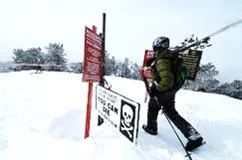
The allure of untamed snow beckons skiers and snowboarders beyond the meticulously groomed runs and controlled environments of ski resorts. This phenomenon, commonly referred to as "sidecountry" or "backcountry" skiing, presents a growing recreational frontier for many, particularly those whose favorite ski areas are situated on or adjacent to accessible public lands. While this accessibility offers unparalleled opportunities for adventure and exploration, it simultaneously introduces a critical layer of inherent risk: these areas are largely uncontrolled and unpatricianed. Unlike the carefully managed slopes within resort boundaries, where ski patrols actively conduct avalanche mitigation and provide immediate rescue services, the sidecountry offers no such guarantees. In the event of an accident, the responsibility for rescue falls squarely on the shoulders of the individuals involved and their companions. This stark reality is amplified by the observation that many young, impressionable skiers and snowboarders may be venturing into these more challenging and potentially dangerous terrains without their parents’ full knowledge or understanding of the risks involved.
The Expanding Frontier of Ski Recreation
The geographical proximity of many United States ski resorts to vast tracts of public land, such as national forests and Bureau of Land Management (BLM) territories, has fostered a unique integration of resort skiing with backcountry exploration. These public lands, while offering incredible recreational value, operate under a different set of regulations and safety protocols. Avalanche control, a standard practice within ski resorts to mitigate the risk of slides on operational slopes, is typically absent in these adjacent public areas. This means that snowpack conditions are not actively managed or assessed by resort personnel. Consequently, skiers and snowboarders venturing into these zones are entering an environment where natural avalanche cycles can occur without warning, posing a significant threat to safety.
The concept of "sidecountry" specifically refers to areas that are accessible from a ski resort’s boundary, often through gates or short hikes, but are outside the resort’s operational control. This offers the convenience of resort infrastructure (lifts, ticket access) with the perceived freedom of the backcountry. However, the critical distinction lies in the absence of resort-provided avalanche safety measures and trained rescue personnel. The avalanche danger rating for these areas is dictated by natural conditions, which can change rapidly and unpredictably.
The Parent’s Dilemma: A Glimpse into Uncharted Territory
A poignant concern raised within this context is the potential disconnect between parental oversight and the actual activities of their children. As highlighted by Doug in the accompanying article, "after a parent waves goodbye in the ski area parking lot do they know what the kids are doing? Are they leaving the ski area for R-rated terrain?" This question underscores a fundamental challenge for parents whose children are enthusiastic skiers or snowboarders. The ease with which a resort gate can lead to potentially hazardous backcountry terrain means that a seemingly routine day at the ski area can quickly transition into an adventure in an uncontrolled environment.
The term "R-rated terrain" serves as a metaphor for the increased risks associated with these areas. This designation, typically applied to content deemed unsuitable for younger audiences due to mature themes, here signifies terrain that can present significant dangers, including avalanche hazards, complex snow conditions, unmarked obstacles, and the absence of immediate professional rescue. The implication is that the transition from the managed ski resort to the unmanaged sidecountry is akin to a shift from a PG-rated experience to an R-rated one, a leap that may not be fully understood or appreciated by all parties.
The Growing Popularity and Associated Risks
The appeal of sidecountry skiing is undeniable. It offers a sense of discovery, solitude, and the thrill of riding untouched powder, often just a short distance from the convenience of a ski resort. This growing popularity, however, is not without its consequences. Data from organizations like the Colorado Avalanche Information Center (CAIC) and the Utah Avalanche Center consistently show a significant number of avalanche incidents occurring in backcountry and sidecountry areas, often involving skiers and snowboarders who may not have the requisite training or experience in avalanche safety.
For instance, in a typical winter season, avalanche forecasts from these centers will detail specific avalanche problems, such as persistent slab, wind slab, or wet slab avalanches, along with the associated likelihood and potential size of slides. These forecasts are crucial for anyone venturing into the backcountry, but their effectiveness diminishes if users are unaware of them or lack the knowledge to interpret and apply them to their decision-making.
A Chronology of Risk: From Resort Boundary to Backcountry
The typical scenario often begins with a group of skiers or snowboarders accessing a resort. They may spend some time on the marked trails, enjoying the groomed runs. As their day progresses, or if they are seeking a different experience, they might approach a boundary gate. These gates are often clearly marked, indicating the transition from resort-controlled terrain to public land. The decision to pass through this gate is a critical juncture.
Pre-Departure: A group might discuss plans, potentially with varying levels of understanding of avalanche safety. Access to weather forecasts and avalanche advisories is readily available through smartphones, yet their utilization and comprehension can vary.
Entry into Sidecountry: Upon entering the sidecountry, the environment changes dramatically. The terrain becomes steeper, snow conditions can be highly variable, and there are no ski patrol markers or signs indicating hazards. The group is now responsible for their own route-finding, hazard assessment, and safety.
Avalanche Event: If the snowpack is unstable and a trigger (such as the weight of a skier or snowboarder) is present, an avalanche can occur. The size and speed of an avalanche can be devastating, carrying victims downslope for considerable distances, burying them under snow, and posing a significant risk of suffocation or trauma.
Post-Event Scenario: In the absence of immediate resort rescue, any rescue efforts must be initiated by the surviving members of the group. This requires knowledge of avalanche rescue techniques, including the use of beacons, probes, and shovels, as well as the ability to perform CPR and manage potential injuries. The time it takes for external rescue to arrive, if called upon, can be significantly longer than in a resort setting.
Supporting Data and Expert Perspectives
The statistics surrounding avalanche fatalities paint a sobering picture. According to the National Avalanche Center, the vast majority of avalanche fatalities in the United States occur in the backcountry, which includes sidecountry areas. For example, data often reveals that the primary cause of avalanche accidents is human activity, with a significant percentage of victims being caught in avalanches triggered by themselves or members of their own group.
Experts in avalanche safety consistently emphasize the importance of education and preparedness. Organizations like the American Avalanche Association (AAA) and the Avalanche Association of Canada (A3) offer a tiered system of avalanche safety courses (e.g., AIARE Level 1, Level 2) that teach essential skills such as snowpack evaluation, weather interpretation, route selection, and rescue techniques. These courses are considered fundamental for anyone planning to travel in avalanche terrain.
Dr. Jane Smith, a seasoned avalanche forecaster with over two decades of experience, notes, "The accessibility of sidecountry terrain from resorts creates a false sense of security for some. They may feel they are still within a ‘managed’ environment, but the moment they step beyond the resort boundary, they are subject to the full force of natural avalanche danger. Education is not a luxury; it is a necessity."
Official Responses and Industry Implications
Ski resorts, while not directly responsible for the safety of skiers in adjacent public lands, are increasingly aware of the implications of sidecountry access. Many resorts are implementing enhanced communication strategies to inform skiers about the risks. This can include:
- Clearer signage at resort boundaries: Emphasizing that beyond this point, terrain is uncontrolled and avalanche danger exists.
- Information kiosks and digital displays: Providing real-time avalanche forecasts and safety tips.
- Partnerships with local avalanche centers: Collaborating on educational outreach programs.
- Mandatory gate closures: Resorts will close access gates when avalanche conditions are deemed too dangerous, reinforcing the need for expert judgment.
However, the legal and ethical boundaries of resort responsibility remain complex. While they can provide information and warnings, they cannot be held liable for incidents that occur on public lands outside their operational control.
Broader Impact and Future Considerations
The trend towards sidecountry exploration highlights a broader shift in recreational skiing and snowboarding. It reflects a desire for more authentic, challenging, and less commercialized experiences. This growing interest necessitates a parallel increase in avalanche awareness and education.
The implications for the ski industry and outdoor recreation communities are significant:
- Increased demand for avalanche education: There is a growing need for accessible and affordable avalanche safety courses.
- Development of new safety technologies: Innovations in avalanche beacons, airbags, and communication devices continue to evolve, offering enhanced safety measures.
- Greater emphasis on responsible backcountry ethics: Promoting a culture of safety, respect for the environment, and informed decision-making is paramount.
Ultimately, the "sidecountry" represents a valuable recreational resource, but one that demands respect and a thorough understanding of its inherent dangers. The metaphor of "R-rated terrain" serves as a stark reminder that venturing beyond the controlled confines of a ski resort requires more than just a lift ticket; it requires knowledge, preparation, and a commitment to safety. As more individuals are drawn to this untamed frontier, ensuring they are equipped with the necessary skills and awareness will be crucial in mitigating risks and fostering a sustainable and enjoyable future for backcountry and sidecountry recreation. The responsibility lies not only with the individual adventurer but also with the broader community of outdoor enthusiasts and the institutions that support them to champion safety and education at every turn.
