

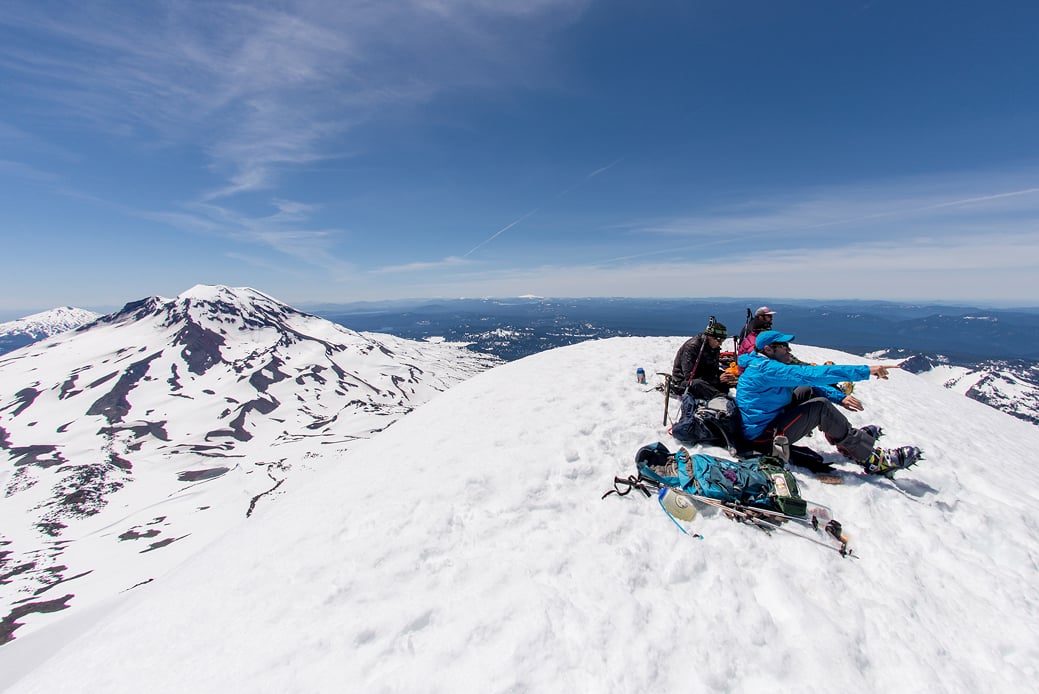
The 2025-2026 winter season across the Western United States has concluded as one of the most volatile and climatically disruptive periods in recent history, characterized by a phenomenon meteorologists and hydrologists are calling a "warm snow drought." While precipitation levels across the region hovered near historical averages, a persistent and extreme temperature anomaly transformed what should have been a robust snowpack into a "hot mess" of premature runoff and rain-on-snow events. As the region transitions into the summer months, the implications for water management, agricultural stability, and wildfire risk have become a primary concern for state officials and federal agencies.
A Season of Thermal Extremes: The 2025-2026 Chronology
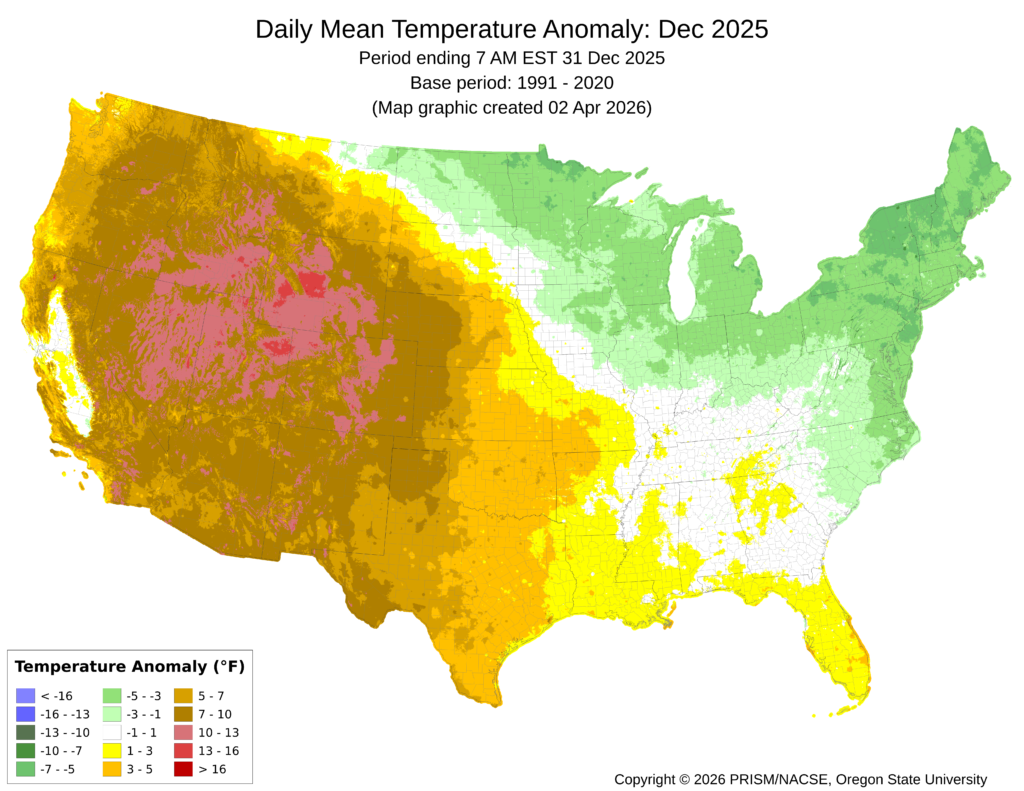
The trajectory of the 2025-2026 water year began with cautious optimism in early autumn, but the season quickly deviated from historical norms. The primary driver of the crisis was not a lack of moisture, but a catastrophic absence of cold air. Data from the PRISM Climate Group indicates that December 2025 was particularly devastating for the region. While the Northeast and Upper Midwest experienced temperatures up to 5 degrees Fahrenheit below average, the Western United States saw temperature anomalies ranging from 5 to 15 degrees Fahrenheit above the long-term mean.
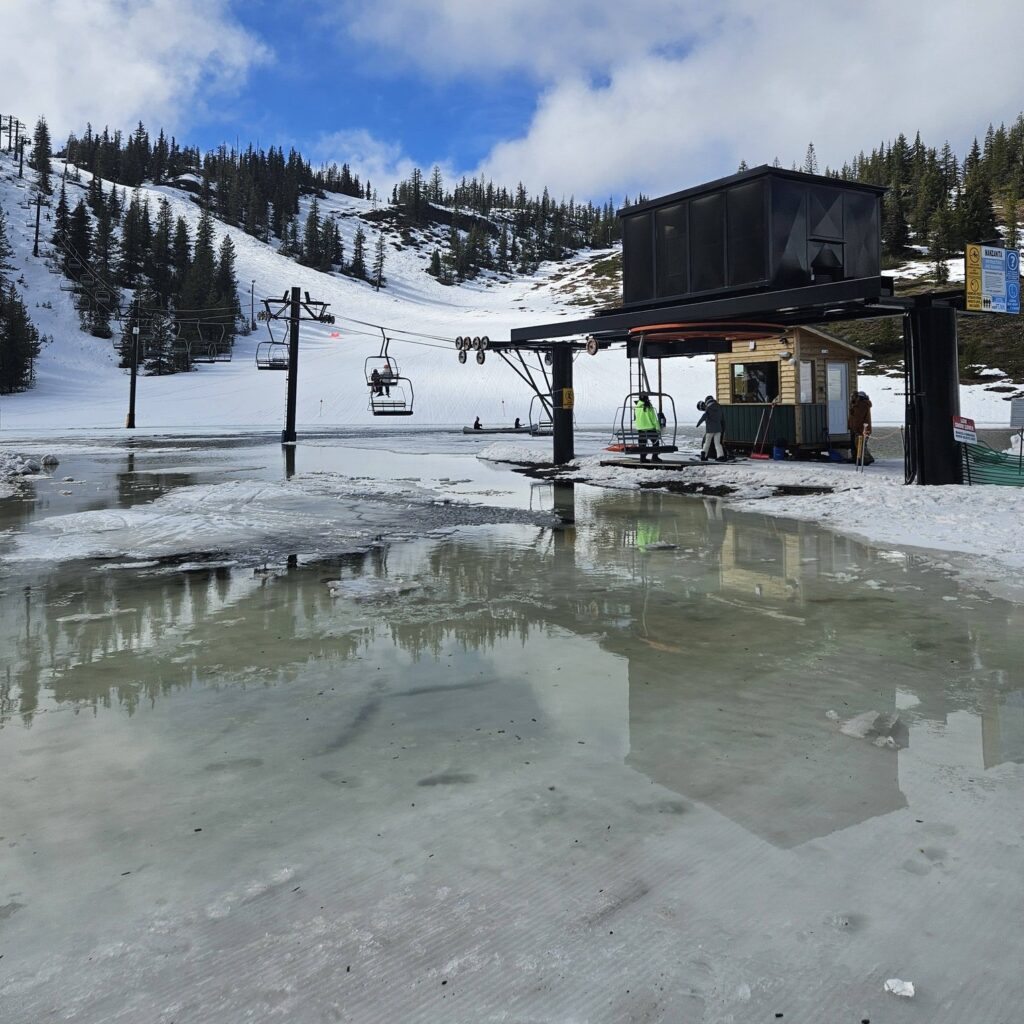
This thermal spike had immediate consequences for the outdoor recreation industry and high-altitude ecosystems. For ski resort operators and backcountry enthusiasts, the typical milestones of the winter season became moving targets. Initial hopes for a "White Christmas" were dashed, pushing expectations to the Martin Luther King Jr. Day holiday. When mid-January failed to deliver a base, the industry looked toward President’s Day weekend, and eventually, Spring Break. However, by the time the traditional peak of the season arrived in March, many low-to-mid-elevation resorts were already facing operational shutdowns. At Oregon’s Hoodoo Ski Area on Santiam Pass, the season was punctuated by an unscheduled "pond skim" in mid-March, a phenomenon usually reserved for end-of-season festivities in late April or May, signaling a collapse of the local snowpack.
Precipitation vs. Temperature: The Statistical Divergence
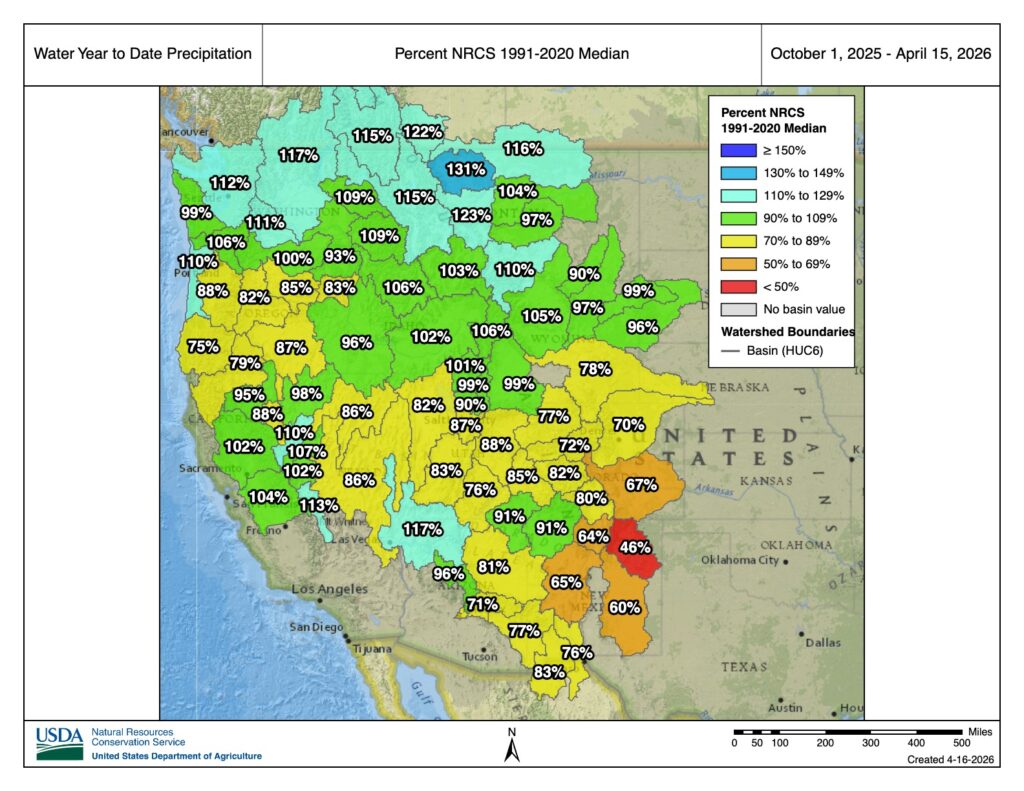
The 2025-2026 water year presents a paradox in hydrologic data. According to the Natural Resources Conservation Service (NRCS), precipitation totals—the "wet" component of the snow recipe—were not universally poor. Northwest Wyoming, Montana, Idaho, and Washington actually recorded precipitation levels slightly above the average for the period of record. Conversely, Oregon, Utah, and Colorado ran slightly dry, yet remained within a range that would typically support a functional, if lean, winter.
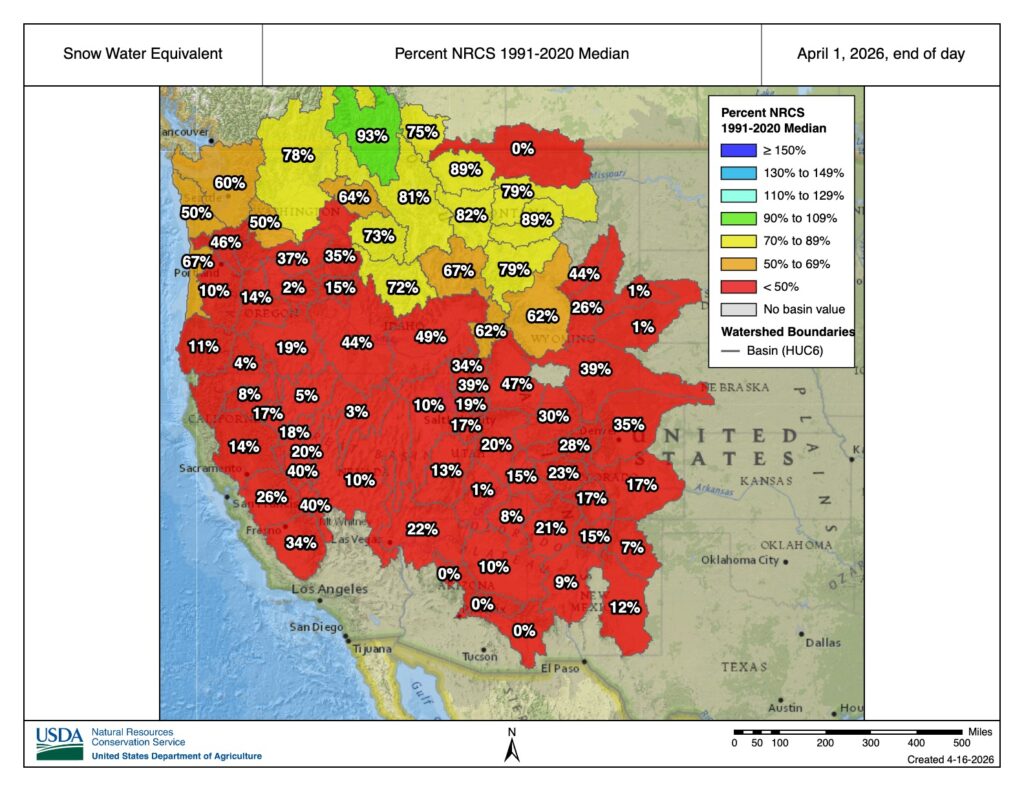
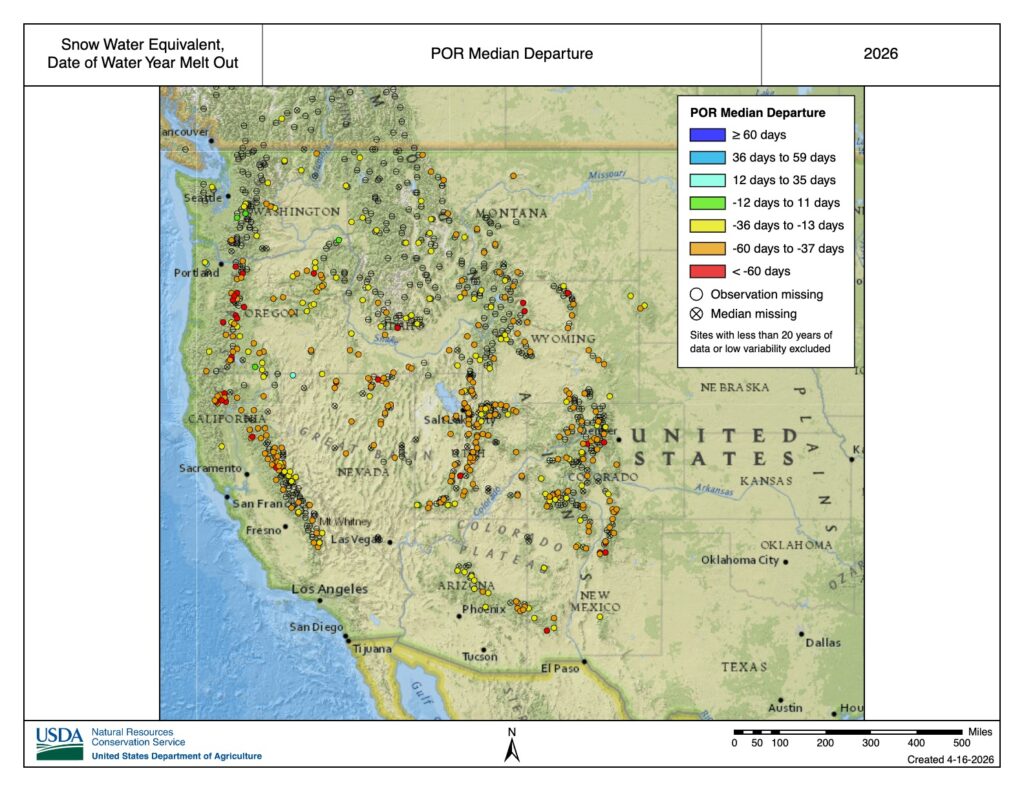
The "smoking gun" for the season’s failure was the Snow Water Equivalent (SWE). By April 1, a critical benchmark used by hydrologists to measure the amount of liquid water contained within the snowpack, values across the West were a mere fraction of the long-term average. In several high-altitude observation stations, the peak SWE values recorded were the lowest in 45 years. The most alarming data point, however, was the "snow off" date. Melt-out date anomalies showed that many stations lost their entire snowpack more than two months earlier than average. This premature melting effectively moved the hydrologic calendar forward by 60 days, leaving the landscape vulnerable to drying out long before the onset of the traditional summer heat.
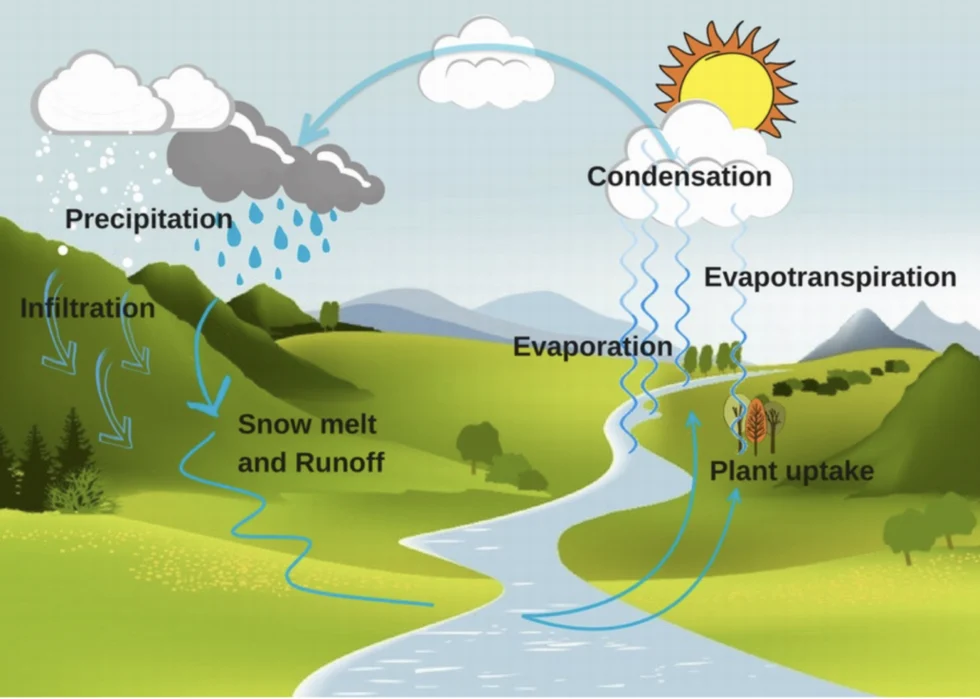
The Hydrologic Cycle and the Global Water Perspective
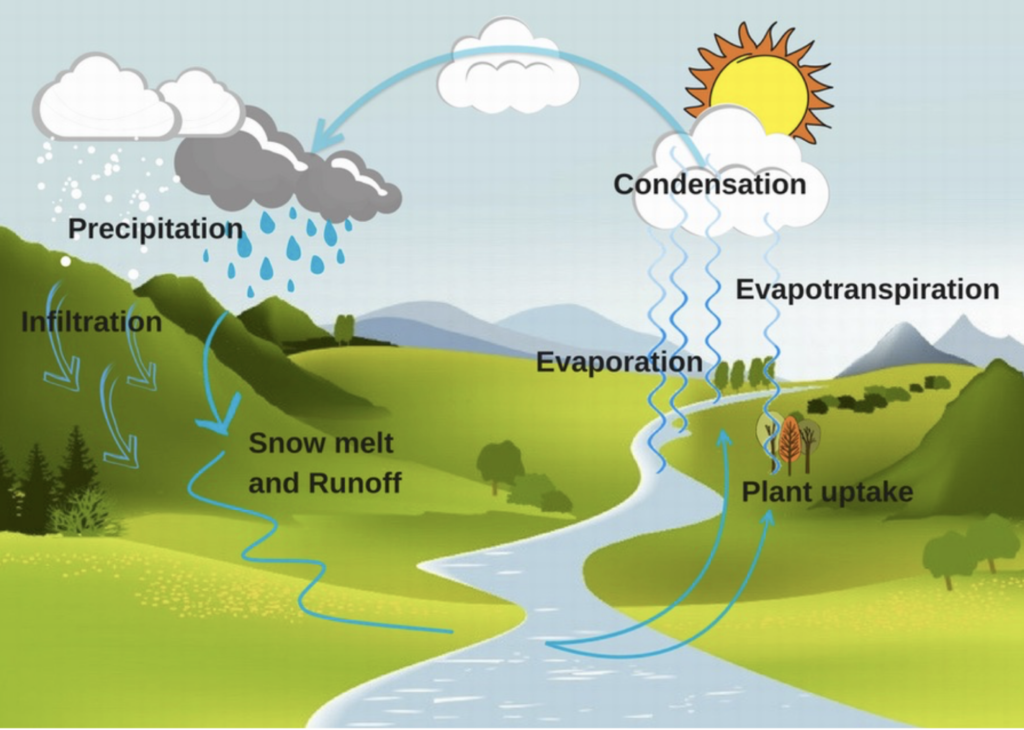
To understand the gravity of a failed snow season, it is necessary to contextualize the Western United States’ water resources within the global hydrologic cycle. Dr. David Hill, a professor at Oregon State University and a National Geographic Explorer, notes that water is a finite and often inaccessible resource. While the Earth is a "water planet," the vast majority of that water is saline or sequestered in deep aquifers and polar ice. Less than one-hundredth of one percent of the Earth’s total water volume is readily available to support human life and terrestrial ecosystems.
On a global average, approximately one meter of precipitation falls on Earth’s land surfaces annually, which translates to roughly 13,000 gallons per person per day. While this figure seems substantial, the primary challenge of water management is the spatial and temporal mismatch between supply and demand. The Western United States relies on a sophisticated network of infrastructure—including the Central Valley Project, the Colorado River Aqueduct, and thousands of smaller reservoirs—to bridge the gap between winter supply and summer demand. However, the most critical component of this infrastructure is not man-made; it is the seasonal snowpack.
Snow as the "Distributed Reservoir"
The seasonal snowpack serves as a "superpower" in the water resource equation. It acts as a massive, distributed reservoir that stores water during the cold months and releases it gradually during the late spring and early summer. This natural delay in runoff provides several essential ecosystem services:
- Flood Mitigation: By holding moisture in solid form, the snowpack prevents the massive runoff events that would occur if all winter precipitation fell as rain.
- Thermal Regulation: The slow release of meltwater keeps stream temperatures low, which is vital for the survival of cold-water fish species like salmon and trout.
- Infrastructure Support: The gradual release of water allows man-made reservoirs to fill slowly and remain at capacity longer into the irrigation season.
Estimates suggest that the volume of water stored in the contiguous United States’ snowpack at its peak is approximately five times the storage capacity of Lake Mead, the nation’s largest reservoir. When the snowpack fails, as it did in the 2025-2026 season, the burden on surface reservoirs becomes unsustainable.
Impact on the Colorado River Basin and Regional Infrastructure
The 2025-2026 season has exacerbated an already dire situation in the Colorado River Basin. Years of persistent drought have led to a steady decline in the water levels of Lake Mead and Lake Powell. The absence of a robust spring melt in 2026 has forced urgent and contentious conversations among the seven basin states regarding water allocations.
Municipalities in the Lower Basin, including Las Vegas and Phoenix, along with agricultural interests in the Imperial Valley, are facing the reality of "Tier 2" or "Tier 3" shortage declarations. The lack of snow-driven runoff means that the "insurance policy" provided by high-altitude snow has been cancelled, leaving the region entirely dependent on the dwindling reserves behind the Hoover Dam. For farmers in the Upper Basin states of Colorado and Utah, the early melt-out has led to soil moisture deficits that threaten crop yields before the primary growing season has even fully begun.
Economic and Psychological Fallout
The "low tide" of the 2025-2026 season has had a measurable economic impact on rural communities dependent on winter tourism. With ski resorts opening late, pausing operations mid-season, and closing months early, the loss in revenue has trickled down to the hospitality, retail, and transportation sectors. Beyond the economic metrics, there is a documented psychological toll on the population. For many residents of the West, snow and cold are "elemental and primal," and the loss of a traditional winter has elicited feelings ranging from disappointment to "climate grief."
Analysis of Long-Term Trends and Future Implications
The 2025-2026 season should not be viewed as an isolated anomaly, but rather as an acceleration of a long-term trend. Historical data from sites like Hogg Pass in Oregon show a clear downward trajectory in annual maximum SWE over several decades. While the "boom and bust" nature of Western weather means that a record-breaking snow year could follow this lean one, the baseline is shifting.
Climate scientists emphasize that as global temperatures rise, the "rain-snow line" is moving to higher elevations. This means that even in years with average or above-average precipitation, the percentage of that moisture stored as snow is decreasing. The 2025-2026 season serves as a "stress test" for the region’s water resilience. It highlights the limitations of current infrastructure and the necessity for more adaptive water management strategies, such as managed aquifer recharge and enhanced conservation measures.
As the West moves into a summer characterized by parched soils and early-season wildfire risks, the lessons of the 2025-2026 "hot mess" are clear. The reliability of the "snow reservoir" can no longer be taken for granted. While the glass may be "half full," as some optimists suggest, the reality is that in the coming years, that glass is increasingly likely to be filled with water rather than the snow that the region’s ecology and economy were built upon. The 2025-2026 season stands as a stark reminder that in the Western United States, winter is not just a season for recreation; it is the foundation of the region’s hydrologic survival.
