

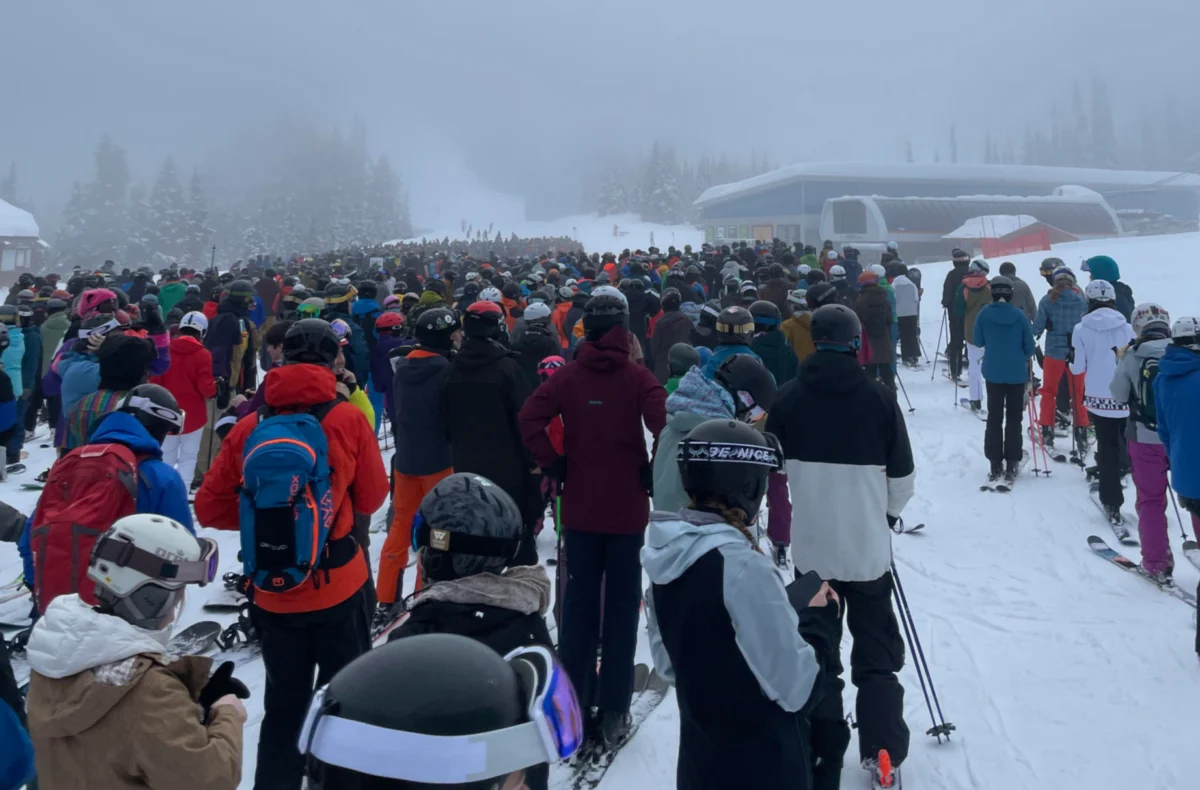
For years, skiers have voiced persistent frustrations about the modern resort experience, primarily centering on two issues: overwhelming crowds and escalating costs. Now, a significant legal challenge aims to argue that these aren’t merely byproducts of popularity, but rather the deliberate outcomes of a much larger, potentially anti-competitive system. On March 23, a class-action antitrust lawsuit was officially filed against Vail Resorts and Alterra Mountain Company, the two dominant forces that collectively shape the American ski landscape through their ubiquitous mega-passes: the Epic Pass and the Ikon Pass. The central allegation? That the entire framework of ski access is, in fact, rigged.
The Core Argument: Consumer Choice Under Siege
At the heart of this landmark lawsuit lies a straightforward, yet potent, assertion: the modern ski pass is not simply a cost-saving measure for avid skiers; it functions as a sophisticated funnel, guiding consumers towards predetermined choices. In the realm of antitrust law, this practice is known as "tying," where a seller leverages its market power to compel consumers to purchase access to goods or services they may not necessarily desire in order to obtain the products they actually want.
For the skiing public, this translates into a system where the allure of discounted access to numerous resorts, often spanning vast geographical areas, effectively locks individuals into specific corporate ecosystems. The lawsuit contends that this structure diminishes genuine consumer choice, transforming it into an illusion. Instead of freely selecting resorts based on snow quality, terrain, or personal preference on any given day, skiers are increasingly channeled onto paths dictated by their initial pass purchase. This creates a binding commitment that can limit spontaneity and prevent skiers from exploring independent or smaller resorts that fall outside the Epic or Ikon networks.
The Day Ticket Dilemma: A Punitive Price Point
Complementing the "funnel" effect of the mega-passes is the increasingly punitive nature of walk-up, day-ticket pricing. The lawsuit asserts that the astronomical cost of single-day lift tickets at major resorts is not an accidental consequence of market forces but a deliberate strategy to coerce skiers into committing to multi-resort passes well in advance of their ski season. This season, walk-up ticket prices have frequently soared above $300 at premier destinations like Park City and Deer Valley, a stark contrast to the perceived value offered by the bundled passes.
This pricing strategy, according to the plaintiffs, serves as the "stick" to the mega-pass’s "carrot." By making spontaneous day-trip skiing prohibitively expensive, Vail and Alterra incentivize skiers to secure their access through the passes, thereby locking them into their respective networks. Once a skier has invested in an Epic or Ikon Pass, they are, in essence, confined to that particular corporate "lane," with limited flexibility to deviate without incurring significant additional costs. This creates a situation where skiers are not only paying for access but are also, by design, being steered towards specific consumption patterns.
A Duopoly Forged Over Decades
The current landscape, dominated by Vail Resorts and Alterra Mountain Company, is not a sudden development but rather the culmination of strategic maneuvers and consolidations spanning roughly three decades. The lawsuit meticulously traces this evolution, highlighting a consistent pattern of mergers, acquisitions, and strategic partnerships. One by one, independent ski resorts were either absorbed into these burgeoning empires or found themselves increasingly unable to compete against their vast scale and bundled offerings.
The result today is a market structure that is difficult to ignore. Vail Resorts, through its Epic Pass, now commands access to a staggering portfolio of resorts across North America, Europe, and Japan, including iconic destinations like Whistler Blackcomb, Park City, and Vail. Alterra Mountain Company, with its Ikon Pass, offers access to a similarly impressive array of properties, such as Aspen Snowmass, Mammoth Mountain, and Steamboat. Even resorts that are not directly owned by either company often find themselves affiliated with one of the mega-passes, either as a partner resort or through reciprocal access agreements. This blurring of lines between direct ownership and partnership further solidifies the duopoly’s influence, creating a complex web of interconnectedness that limits the perceived viable alternatives for many skiers.
This consolidation has led to a situation where a significant majority of destination ski resorts in the United States are now controlled by these two entities. Data from industry analyses consistently show that Vail Resorts and Alterra collectively manage hundreds of ski areas, representing a substantial portion of the nation’s skiable acreage and lift capacity. This concentration of market power is a key factor fueling the antitrust concerns raised in the lawsuit.
Corporate Responses: Defending Access and Value
Vail Resorts, through its CEO Rob Katz, has consistently championed the Epic Pass as a force for democratization within the ski industry. The company maintains that its pass strategy has significantly lowered the cost of season-long skiing for millions, making the sport more accessible than ever before. Historically, the introduction of the Epic Pass in 2008 was indeed a disruptive force, offering unprecedented value and challenging the traditional pricing models of individual resorts. Vail argues that its model has fostered competition by providing a compelling alternative to expensive, single-resort season passes, thereby benefiting consumers.

However, the lawsuit poses a more pointed question: what happens when the disruptors become the entrenched system? The plaintiffs suggest that the original intent of offering more affordable access has evolved into a strategy for market dominance and consumer control.
Alterra Mountain Company has, to date, declined to issue a public statement regarding the lawsuit, adhering to a policy of not commenting on ongoing legal matters. This silence, while standard practice, leaves Vail’s narrative as the primary corporate response to the allegations.
The Breaking Point: Crowds, Climate, and Consumer Frustration
This legal battle is unfolding at a particularly precarious moment for the ski industry, a period marked by a confluence of challenges that have amplified skier discontent. A season characterized by inconsistent snowfall and a warming climate has exacerbated concerns about the long-term viability of snow sports. Simultaneously, the visible and often frustratingly long lift lines at popular resorts have become a defining feature of the modern ski experience, leading many to feel that the mountain has transformed from a sanctuary into an overcrowded theme park.
The companies often counter these criticisms by pointing to infrastructure investments, such as new lifts and improved grooming, arguing that they are expanding capacity to meet demand. However, many skiers remain unconvinced, feeling that the increased capacity is outpaced by the sheer volume of pass holders, leading to a diminished on-mountain experience. This sentiment of reaching a "breaking point" for consumer tolerance, fueled by a combination of rising costs, environmental concerns, and a perceived decline in the quality of the ski experience, provides fertile ground for a legal challenge of this magnitude.
The Road Ahead: Potential Industry Repercussions
Currently, the lawsuit remains in its nascent stages. No class has been officially certified, meaning the legal action has not yet been broadened to represent all affected skiers. Similarly, no substantive rulings have been made, and cases of this nature are known to be protracted, often spanning several years before resolution.
However, the implications of this lawsuit extend far beyond potential monetary damages. If the plaintiffs succeed in gaining traction or achieving a favorable outcome, it could necessitate a fundamental re-evaluation of the entire ski pass model. Such a victory could lead to:
- Increased Resort Independence: A ruling against the tying practices might encourage more independent resorts to offer competitive, unbundled pricing options, fostering a more diverse market.
- Greater Pass Flexibility: The lawsuit could pave the way for passes with fewer restrictive conditions, allowing for more spontaneous travel and reduced commitment to a single corporate network.
- Enhanced Competition: A legal precedent could deter future anti-competitive consolidation and encourage a more robust competitive landscape within the ski industry.
- Rethinking Pricing Strategies: The exorbitant cost of day tickets could be scrutinized, potentially leading to more equitable pricing structures for all skiers.
In essence, a successful challenge could fundamentally alter how skiers plan their winter adventures, shifting the power dynamic back towards individual choice and away from predetermined corporate pathways.
The Lingering Question: Freedom vs. Systemic Control
For decades, skiing has been marketed and experienced as the epitome of freedom: the liberty to choose your line, your mountain, and to chase the perfect storm. The inherent allure of the sport has always been tied to this sense of unfettered exploration and personal agency.
Now, a profound question hangs over the future of this cherished pastime: has that freedom been subtly eroded and replaced by a system where the very mechanism of access dictates where you go, long before the snow even falls? This antitrust lawsuit is not merely a legal dispute; it is a referendum on the soul of modern skiing and the balance between corporate strategy and the enduring spirit of independent adventure. The outcome could redefine the very essence of the ski experience for generations to come.
