

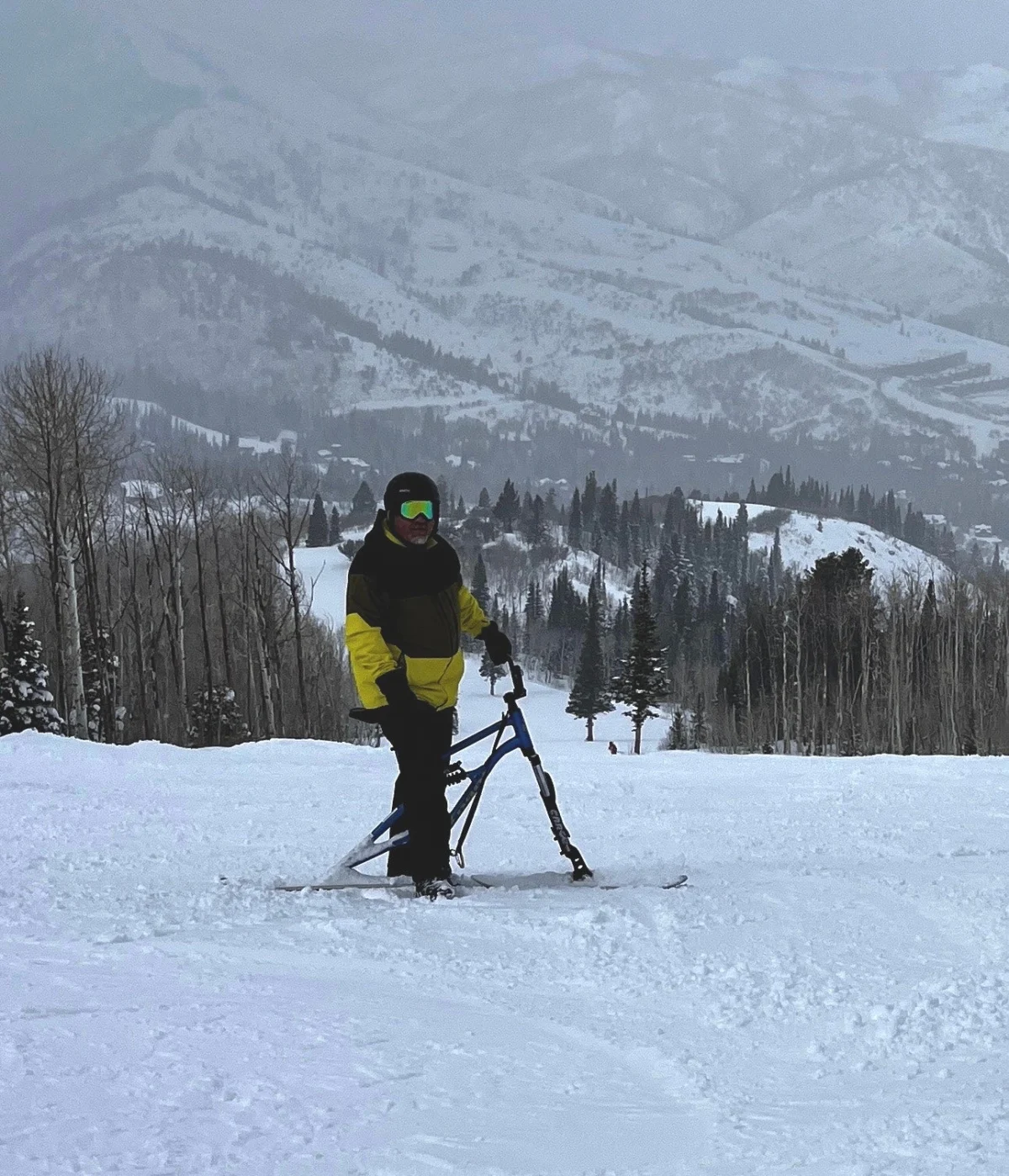
As the winter season gracefully recedes, replaced by the lengthening days and increasingly mellow conditions of spring, a unique and exhilarating new sport is capturing the attention of mountain enthusiasts: the ski bike. Once a niche curiosity, these innovative machines, combining the agility of a bicycle with the gliding prowess of skis, are rapidly becoming a prominent fixture on slopes worldwide. From bustling resort parking lots alive with the spirit of late-season camaraderie to the serene upper reaches of mountain trails, the ski bike is forging its own identity, attracting a diverse array of riders seeking a fresh perspective on snow-based recreation.
The sight of a ski bike, with its distinct frame and ski-equipped appendages where wheels would normally be, has become increasingly common, prompting double-takes and sparking conversations among skiers and snowboarders alike. This "why didn’t I think of that?" marvel is not merely a fleeting trend but a burgeoning sport with a surprisingly deep historical lineage, now reimagined with modern engineering and design. Its ascent in popularity signifies a broader shift in how individuals engage with winter landscapes, embracing new forms of mobility and enjoyment.
The Genesis and Evolution of Ski Biking
At its fundamental level, a ski bike is a testament to elegant engineering, merging familiar bicycle mechanics with the inherent physics of snow sports. Riders steer using handlebars, mimicking the intuitive control of cycling, while the skis provide flotation and glide. This seemingly novel concept actually traces its origins back to the late 19th century in the European Alps. Historical accounts and patent records reveal early iterations of "skibobs" and similar contraptions, such as the Brenter Sitzski from 1949, which were initially developed as practical modes of transportation. In regions with deep, consistent snowfall, these early ski bikes served a vital purpose, enabling individuals to navigate snowy terrain efficiently, even for tasks like mail delivery. These early designs, though rudimentary by today’s standards, laid the groundwork for a sport that would eventually evolve into a high-performance recreational pursuit.
The technological advancements of the 20th and 21st centuries have dramatically transformed the ski bike from a utilitarian tool into a sophisticated piece of sporting equipment. Modern ski bikes are not simply about sliding; they are engineered for dynamic performance, allowing riders to carve turns with precision, launch off jumps, and descend slopes with speed and control comparable to their traditional ski and snowboard counterparts. This evolution has opened up the sport to a wider audience, appealing to both seasoned winter athletes and individuals seeking an alternative to conventional snow sports.
Categorizing the Ski Bike Experience: Three Distinct Styles of Shred
The diversity in ski bike design reflects the varied demands and preferences of riders. While the core concept remains consistent, manufacturers have developed distinct categories to cater to different riding styles and terrains. Understanding these variations is key to appreciating the breadth of the ski biking phenomenon.

-
Type I (Freeride/All-Mountain): These are the most common ski bikes, designed for versatility. They typically feature a longer wheelbase and a more relaxed geometry, providing stability on a variety of snow conditions and slopes. Their design prioritizes a comfortable ride and the ability to navigate groomed runs, powder, and even moderate off-piste terrain with confidence. Riders often describe the experience as a blend of skiing and mountain biking, offering a fluid and engaging descent.
-
Type II (Freestyle/Park): As observed in the original article, freestyle ski bikes are engineered for maneuverability and aerial performance. They often have shorter wheelbases, higher ground clearance, and more responsive steering, making them ideal for park riding. These bikes excel at tricks, jumps, and rail riding, allowing younger riders, in particular, to progress rapidly. The ability to execute spins and grinds mirrors the progression seen in snowboarding and freeskiing.
-
Type III (Downhill/Race): Built for speed and aggressive descents, Type III ski bikes are characterized by their robust construction, advanced suspension systems, and specialized ski configurations. These machines are optimized for racing and high-speed freeriding, demanding a high level of skill and control from the rider. They often feature wider skis for better flotation in softer snow and narrower, more rigid skis for optimal edge hold on hardpack.
The Park Progression: A New Playground for the Next Generation
One of the most striking observations in the evolving landscape of snow sports is the rapid adoption and mastery of ski biking by younger demographics, particularly those who have grown up immersed in digital culture and mountain biking. Resorts are increasingly recognizing this trend, with some actively creating or adapting terrain parks to accommodate ski bikers. Progression parks, such as "Little Kings" or "Mombo" at resorts like Park City and Heavenly, are becoming popular proving grounds. Here, young riders on Type II freestyle ski bikes are demonstrating remarkable agility, executing 180-degree spins, and navigating boxes and rails with an ease that often takes years to achieve on skis or snowboards.
This accelerated learning curve can be attributed to several factors. For many young individuals, the tactile experience of handlebar steering is inherently familiar and intuitive, especially for those with a background in cycling. Furthermore, the design of freestyle ski bikes facilitates a lower center of gravity and a more stable platform, which can reduce the intimidation factor often associated with learning new snow sports. The visual appeal of dynamic tricks and jumps on a ski bike also resonates with a generation accustomed to high-octane action sports content. This rapid integration into park culture suggests that ski biking is not just an alternative but a complementary discipline that is actively shaping the future of snow park innovation.
The Ideal Springtime Pursuit: Embracing the Season’s Spirit
Spring skiing is synonymous with a particular ethos: maximizing fun while minimizing environmental impact and embracing the unique characteristics of the season. Ski biking aligns perfectly with this philosophy. One of its most significant advantages is its reduced impact on the rider’s body. The design of a ski bike distributes weight differently and absorbs shocks through the frame and skis, placing less direct strain on the knees and back compared to skiing or snowboarding. This joint-friendly nature allows for extended riding sessions, from the first chair of the morning to the last call at the lodge, without the same level of fatigue or discomfort that can afflict traditional snow sports participants.

For those who eagerly anticipate the return of dry trails and the thrill of mountain biking, a ski bike offers a compelling bridge. It brings the dynamic, responsive feel of cycling directly to the snow, providing a similar sense of flow and control. The sensation of carving down a slope, leaning into turns, and feeling the snow beneath the skis can be remarkably akin to the experience of riding a mountain bike on a flowing singletrack. This makes ski biking an ideal activity for the shoulder seasons, when traditional cycling is not yet feasible, but the desire for outdoor adventure remains strong.
Navigating the Mountain Responsibly: Environmental Considerations and Best Practices
As ski biking continues to gain traction, responsible riding practices become increasingly paramount, particularly during the spring months. The melting snow reveals delicate ecosystems, and the emergence of dirt and vegetation necessitates a mindful approach to trail usage. Adherence to designated ski routes is crucial to protect these sensitive areas from unnecessary damage. Ski resorts and governing bodies are actively working to establish clear guidelines for ski bike use, often integrating them into existing trail management protocols.
Furthermore, a commitment to environmental sustainability extends to the equipment itself. Just as skiers and snowboarders are increasingly adopting eco-friendly waxes, ski bikers are encouraged to do the same. The use of plant-based, biodegradable waxes is a critical step in preventing "forever chemicals" – per- and polyfluoroalkyl substances (PFAS) – from leaching into the snowmelt and ultimately contaminating waterways. This focus on ecological responsibility is not merely an add-on but an integral part of the modern outdoor recreation ethic. By embracing these practices, ski bikers can ensure that their pursuit contributes positively to the preservation of the natural environments they enjoy.
The Broader Impact and Future Trajectory of Ski Biking
The burgeoning popularity of ski biking signifies more than just a new way to descend a mountain; it represents a broader cultural shift in how people interact with winter landscapes. It caters to a growing demand for diverse recreational opportunities and appeals to a demographic that values innovation and adaptability. The sport’s historical roots, combined with its modern technological advancements, offer a unique narrative that resonates with both tradition and progress.
The implications of this trend are far-reaching. Ski resorts are increasingly recognizing the economic and recreational benefits of accommodating ski bikers, leading to expanded trail access and dedicated facilities. The development of specialized ski bike rental fleets and beginner lesson programs is making the sport more accessible to newcomers. Furthermore, the growing community of ski bikers is fostering a culture of shared enthusiasm and innovation, with riders constantly pushing the boundaries of what’s possible.
Looking ahead, the trajectory of ski biking appears robust. As awareness grows and more individuals experience the unique joys of this sport, its integration into the mainstream of winter recreation is likely to accelerate. The ongoing development of new designs, materials, and riding techniques will undoubtedly further enhance its appeal. Whether it becomes a primary winter passion or a complementary activity to skiing, snowboarding, or mountain biking, the ski bike has firmly established itself as a legitimate and exhilarating way to experience the magic of the mountains, promising continued growth and excitement for seasons to come.
