

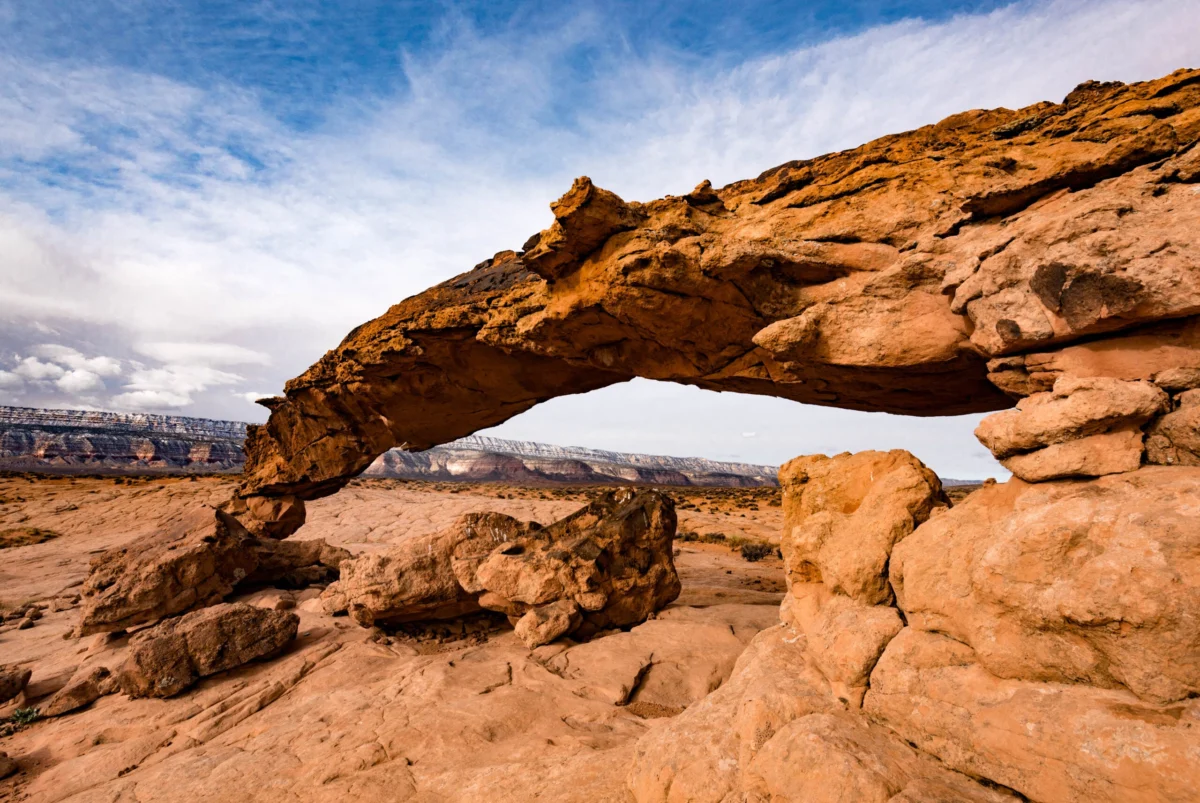
The dramatic, rust-colored canyons of Southern Utah, landscapes immortalized in cinematic adventures such as Teton Gravity Research’s 2020 mountain biking film ‘Accomplice,’ are now the focal point of a significant legislative battle over the stewardship of America’s public lands. On March 4, 2026, a joint resolution was introduced by Senator Mike Lee and Representative Celeste Maloy, leveraging the Congressional Review Act (CRA) to challenge and potentially dismantle the recently finalized Grand Staircase-Escalante National Monument (GSENM) Management Plan. This legislative maneuver has drawn sharp criticism from conservation advocates and some political figures, who view it as a destabilizing action that jeopardizes a nationally significant natural and cultural resource.
Senator Michael Bennet of Colorado has decried the move, labeling it a "shameful addition to our nation’s history of broken promises," underscoring the perceived betrayal of established conservation principles and public trust. The resolution aims to nullify the comprehensive management plan developed by the Bureau of Land Management (BLM) for the approximately 1.9 million acres of the GSENM, a vast expanse renowned for its geological wonders, ecological diversity, and profound cultural significance.
A Blueprint Under Fire: The Genesis of the GSENM Management Plan
The Grand Staircase-Escalante National Monument, established in 1996 by President Bill Clinton, has long been a subject of political contention. Its vast size and the diverse interests it encompasses – from recreation and conservation to resource extraction and tribal heritage – have necessitated extensive planning to ensure its long-term preservation and sustainable use. The management plan, finalized in late 2025 after years of scientific study, public engagement, and interagency collaboration, represented a significant effort to balance these competing demands.
This plan was not an arbitrary decree. It was the culmination of a multi-year process that involved extensive input from a broad spectrum of stakeholders. The BLM, responsible for overseeing the monument, engaged in numerous public meetings, solicited written comments, and consulted with local communities, scientific experts, conservation organizations, and, crucially, the Grand Staircase-Escalante Inter-Tribal Coalition. This coalition, representing several Indigenous tribes with ancestral ties to the region, played a vital role in ensuring that the plan respected and protected sacred sites, traditional practices, and cultural heritage. The plan aimed to provide a framework for managing the monument’s resources, including its unique paleontological sites, critical wildlife habitats, and opportunities for outdoor recreation, while also acknowledging and integrating traditional ecological knowledge.
Weaponizing the Congressional Review Act: A Novel and Contentious Tactic
The legislative strategy employed by Senator Lee and Representative Maloy involves an unprecedented application of the Congressional Review Act (CRA). Enacted in 1996, the CRA provides Congress with a mechanism to review and, if desired, overturn federal agency regulations. Typically, it applies to rules that agencies issue through formal rulemaking processes. The Utah delegation’s argument hinges on classifying the GSENM Management Plan as a "rule" subject to the CRA’s expedited review procedures.

This classification is highly contested. Critics argue that management plans for national monuments, especially those developed through collaborative processes involving scientific assessments and stakeholder input, are fundamentally different from agency rules. Todd Tucci, an attorney with Advocates for the West, has characterized this approach as "legislative Russian roulette," highlighting the potential for a single congressional vote to erase years of meticulous planning and scientific consensus.
The CRA allows either chamber of Congress to pass a joint resolution of disapproval by a simple majority. If such a resolution were to pass both the House of Representatives and the Senate, and be signed by the President (or if a presidential veto were overridden), the agency regulation would be invalidated. Crucially, the CRA also includes a provision that prevents an agency from issuing a substantially similar rule in the future without new statutory authority from Congress. This "one-bite-at-a-apple" provision means that if the GSENM Management Plan were to be overturned via the CRA, the BLM could be permanently barred from developing a similar comprehensive management framework for the monument, leaving nearly two million acres in a state of perpetual administrative uncertainty and potentially vulnerable to less protective land use policies.
Beyond the Dirt: A Cultural and Economic Assault
The implications of nullifying the GSENM Management Plan extend far beyond the ecological and recreational aspects of the monument; they represent a significant blow to Indigenous communities and local economies.
Preserving Indigenous Heritage and Sovereignty
For Indigenous leaders, the Grand Staircase-Escalante holds profound cultural and spiritual significance. Keitti Jake of the Paiute Indian Tribe of Utah emphasizes that these lands are repositories of "stories, footsteps, and teachings" that are intrinsically linked to their ancestral identity and heritage. The management plan was hailed by many tribal representatives as a landmark achievement because it actively prioritized Indigenous knowledge and the protection of sacred sites, some of which have been subject to desecration and exploitation.
The nullification of this plan risks undoing these protections, potentially opening these culturally sensitive areas to activities that could further damage or disrespect irreplaceable heritage. It represents a regression from efforts to foster a more inclusive and respectful approach to public land management, one that acknowledges the enduring connection Indigenous peoples have with their ancestral homelands. The inclusion of Indigenous perspectives in land management is not merely symbolic; it is essential for understanding and protecting the ecological and cultural integrity of these landscapes, knowledge accumulated over millennia.
Economic Stability for Local Communities
The economic fabric of communities surrounding the GSENM is deeply intertwined with the monument’s existence and its designated management. Nate Waggoner, representing the Grand Staircase Regional Guides Association, has expressed grave concerns that the proposed legislative action plunges decades of small business investment into chaos. Stable, long-term permits and a clear management framework are essential for the survival of local guides, outfitters, and tourism-related businesses.

Without the predictability afforded by a finalized management plan, these businesses face an uncertain future, making it difficult to secure loans, invest in equipment, and retain staff. This uncertainty disproportionately impacts small, locally-owned enterprises that form the backbone of the region’s economy. Critics argue that this move benefits a select few who may seek to industrialize or privatize public lands, at the expense of the established local economies that depend on the preservation and accessibility of these natural wonders for sustainable tourism. The economic ripple effects could extend to hospitality services, retail, and other sectors that benefit from the influx of visitors drawn to the unique attractions of the monument.
Standing for the Wild: A National Imperative
From the perspective of organizations like Teton Gravity Research, which have consistently championed the preservation of wild spaces, the attempt to dismantle the GSENM Management Plan is an affront to the principle of public land stewardship. Their connection to these landscapes is not merely aesthetic or recreational; it is intrinsic to their identity and their mission to document and share the beauty and challenges of the natural world.
The fight to protect the Grand Staircase-Escalante is viewed as part of a larger struggle to safeguard all public lands across the nation. The precedent set by using the CRA to overturn such a comprehensive management plan could have far-reaching consequences, potentially emboldening similar efforts to undermine protections for other national monuments, parks, and wilderness areas. As Bobby McEnaney of the Natural Resources Defense Council (NRDC) has stated, this action constitutes an "assault on a national treasure."
The argument is that if any public land designation or management plan can be so easily overturned through a procedural maneuver, then no public land is truly secure. This raises fundamental questions about the long-term commitment to conservation and the role of federal agencies in protecting these shared resources for future generations. The stability and health of public lands are not isolated concerns; they are integral to national environmental health, economic resilience, and the preservation of democratic values that ensure access and enjoyment for all citizens. The implications of this legislative gambit resonate across the country, impacting not just the breathtaking vistas of Utah but the very concept of enduring public stewardship for America’s natural heritage.
