

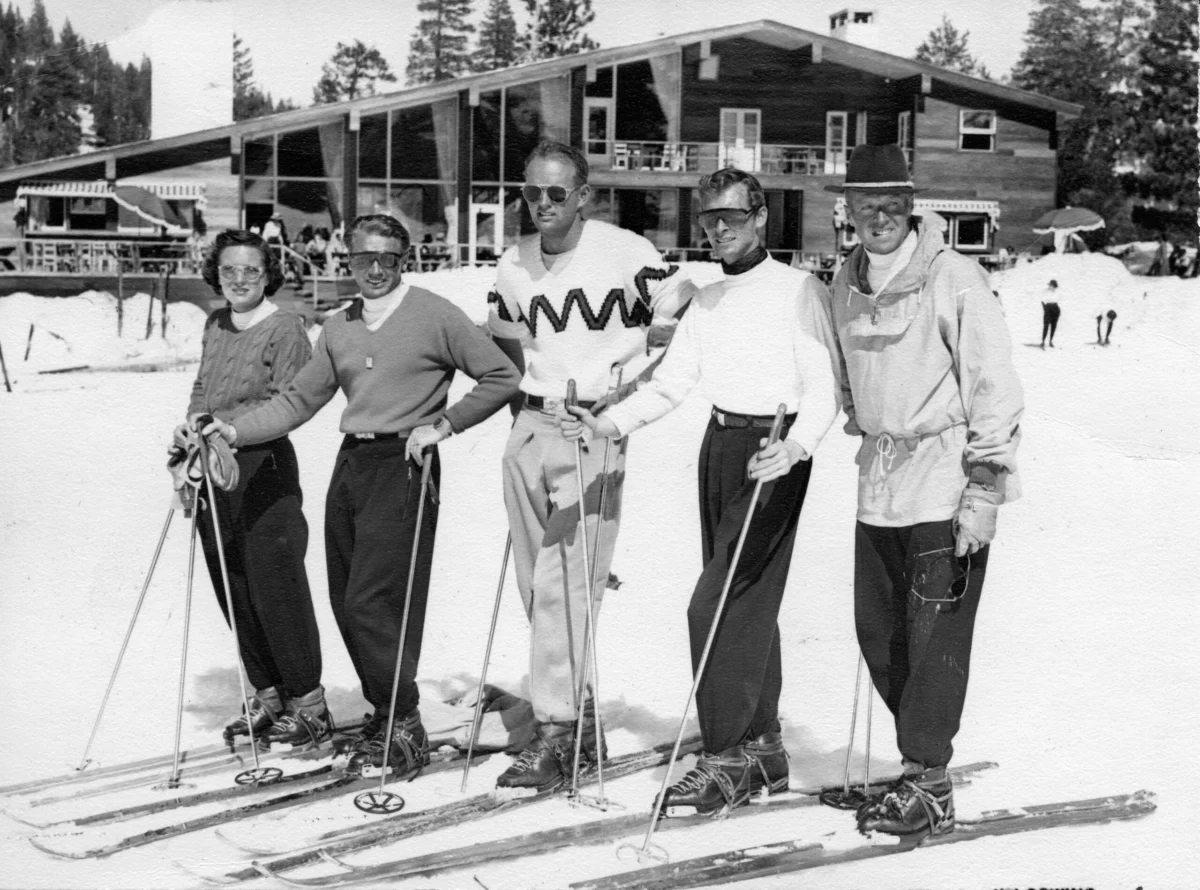
April 24, 2026 – As winter resorts across the globe begin to wind down their operations, a seasoned cohort of skiers continues to grace the slopes, their presence a testament to a lifelong passion and a remarkable resilience. These are the mountain’s elders, individuals whose weathered outerwear, seasoned hands, and keen eyes tell tales of countless powder days. While many younger skiers grapple with the inevitable realities of aging and the potential decline of their athletic abilities, a select group of seasoned veterans offers a compelling blueprint for extending not just one’s lifespan or healthspan, but crucially, one’s "skispan."
The author, at 33 years old, finds himself at a crossroads, contemplating the physical limitations that advancing age might impose on his beloved sport. This personal reflection served as the impetus for a deeper exploration into the wisdom of those who have defied these expectations. Interviews with a diverse group of skiers, some in their 70s and 80s, reveal a rich tapestry of insights, woven from decades of experience, a healthy dose of luck, and a profound understanding of what it takes to remain connected to the mountain. As the Roman philosopher Seneca famously stated, "Luck is what happens when preparation meets opportunity." This sentiment is echoed by John Bouchard, a 74-year-old American skier and climber, who offers a pragmatic perspective: "You can’t control the hand that you’re dealt, but you can control how you play."
The Pillars of Sustained Skiing: Community, Prudence, and Efficiency
The collective wisdom gleaned from these veteran skiers coalesces around several key themes, each contributing to their enduring presence on the slopes.
1. The Indispensable Power of Community
At the forefront of sustained engagement with skiing, for many of these individuals, is the profound sense of community it fosters. Scientific research consistently underscores the vital role of social connection in longevity and overall well-being. A landmark study published by Harvard T.H. Chan School of Public Health in 2022, which analyzed data from over 50,000 individuals, found that strong social relationships were associated with a 50% reduced risk of premature death. For skiers, this community often forms organically on the mountain, transcending generational divides and geographical boundaries.
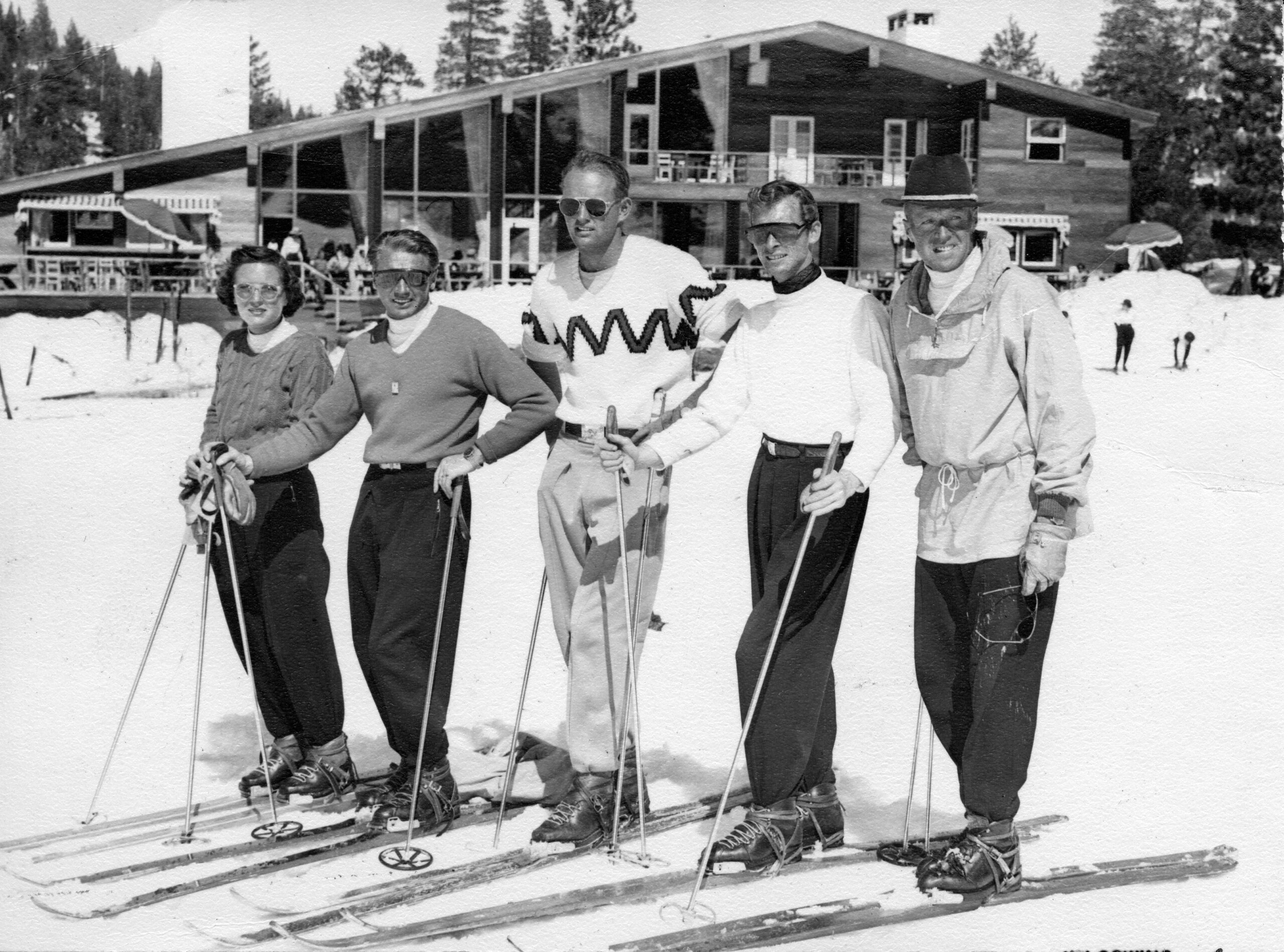
Mike Campbell, a 75-year-old snowboarder who has spent his winters in the French Alps for decades, articulates this sentiment powerfully. "In skiing, I found a community," he states. "Similar to what I found surfing in the 60s and 70s." This sense of belonging and shared experience is a powerful motivator. Jaybird, a 71-year-old American who also calls the French Alps his winter home, illustrates this point with a quiet conviction. When asked why he continues to return year after year, he simply states, "Everyone else keeps coming back, too." The absence of significant attrition among his long-time ski companions over the decades further emphasizes the enduring bonds formed within this alpine fraternity.
2. Prudent Decision-Making: Prioritizing Longevity Over Audacity
A recurring piece of advice from the seasoned skiers centers on a philosophy of deliberate, forward-thinking decision-making. Joe Puchek, a 74-year-old skier with 71 years of experience on the slopes, encapsulates this in a simple yet profound statement: "Make the decisions today that will allow you to ski tomorrow." This adage extends beyond mere physical conditioning; it speaks to a conscious avoidance of unnecessary risks that could jeopardize future participation.
Puchek elaborates on this by reflecting on his own past experiences. "Not getting injured is important," he explains. "I regret doing aerials when I was a kid because crashing from heights has wrecked my back." This sentiment serves as a cautionary tale for younger skiers who may be tempted by high-risk maneuvers. The pursuit of extreme feats, while potentially exhilarating, can have long-term physical consequences. Mike Campbell reinforces this idea, drawing a distinction between true mastery and reckless abandon. "It doesn’t matter if you skied an insane line," he advises. "There’s a difference between extreme and beauty." The implication is clear: sustainable engagement with the sport prioritizes grace and control over gratuitous danger, thereby safeguarding one’s physical capital for the long haul.
3. The Art of Skiing Efficiently
As the body ages, its capacity for raw strength naturally diminishes. The veteran skiers interviewed have all adapted to this reality by focusing on efficiency. "You just have to accept it," Joe Puchek states pragmatically regarding declining strength. "But you also have to ski efficiently. That means skiing from your core. And taking the line that’s there, not necessarily the line you want. The line of least resistance." This approach emphasizes technique, core engagement, and adaptability over brute force.
Furthermore, advancements in ski technology have played a significant role in enabling older skiers to maintain their participation. "It’s easier to ski as an older person now because the gear is so much better," exclaims Mike Campbell. "Lighter and easier on the body," Joe Puchek agrees. Some skiers have even taken innovation into their own hands. Jaybird and his friends, for instance, have been known to shorten their freeride skis, a modification designed to enhance maneuverability and reduce the physical strain of turning. These adaptations highlight a proactive approach to overcoming the physical challenges of aging while still embracing the core elements of the sport.
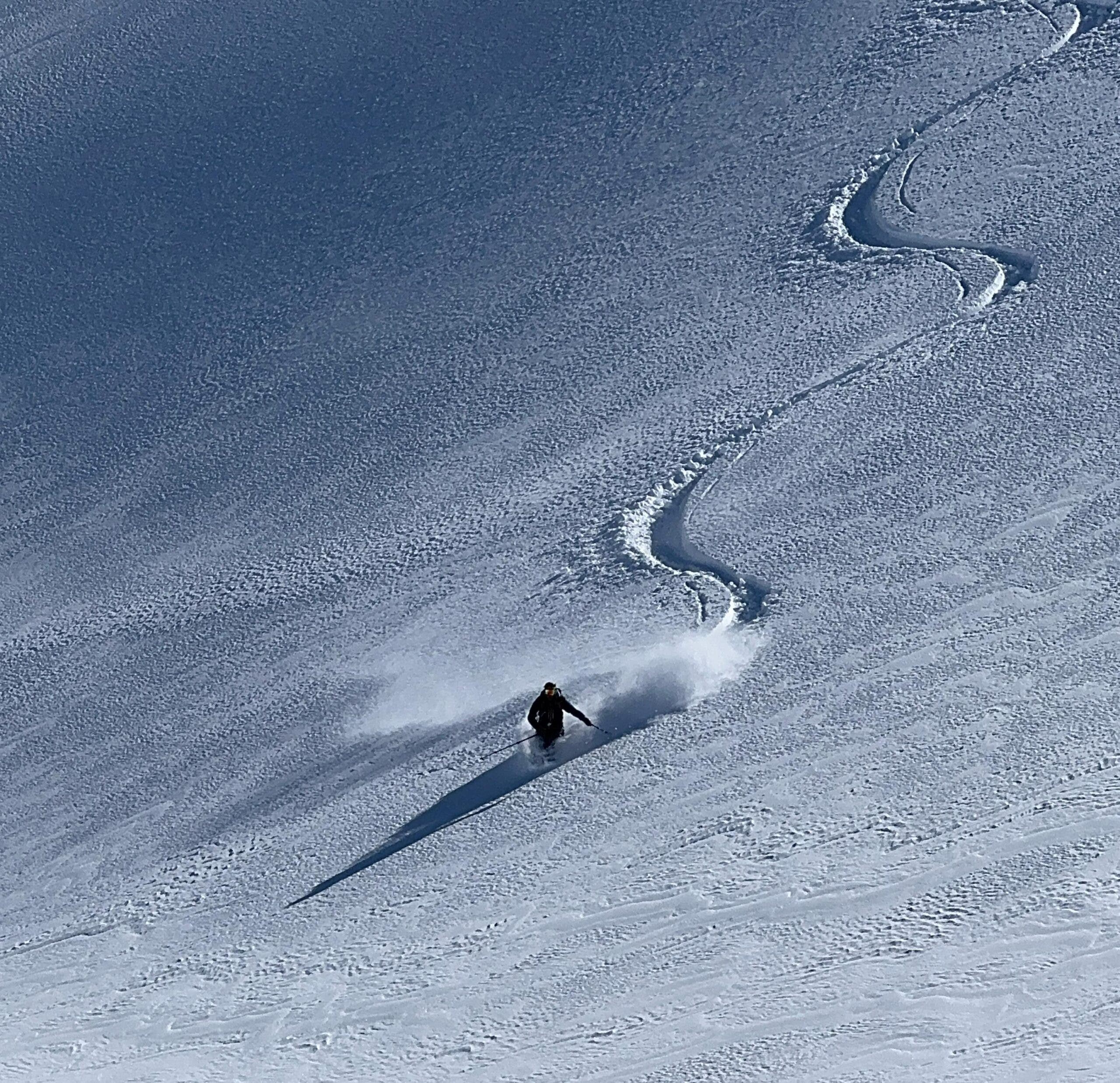
Beyond the Physical: Spirituality, Discovery, and Financial Realities
The pursuit of longevity on the slopes extends beyond the purely physical, encompassing spiritual engagement, a continuous drive for discovery, and a pragmatic approach to the financial aspects of the sport.
4. Embracing a Spiritual Dimension
For some, the act of skiing transcends mere physical exertion, evolving into a profound spiritual practice. Mike Campbell describes his connection to the mountain in almost mystical terms. "For me, it’s more of a spiritual thing," he explains. "Skiing is a movement, dancing. The way we move affects the way we see, and the way we see affects the way we move. Dance is no more than the dancer and the dancing. Once that stops, there’s nothing. You can’t hold it or keep it." This perspective suggests that the essence of skiing lies in the present moment, a dynamic interplay between the individual and the environment.
Jaybird, while acknowledging the validity of more "structural" approaches like yoga and dedicated training regimes, sees the value in Campbell’s spiritual outlook. "Other guys are structural [yoga, weights, diets, etc.], but Mike is spiritual. Both work," he observes, underscoring the multifaceted nature of sustained engagement.
5. The Unending Quest for Discovery
Maintaining enthusiasm for a sport over many decades requires a constant source of renewal. For these veteran skiers, this often comes in the form of continuous discovery. Mike Campbell continues to find purpose in the "hunt" for optimal snow conditions, even on groomed runs. "Why not just ski groomers at our age? Maybe the primordial desire to hunt. To find the best snow of the day," he muses. "In that sense, maybe off-piste skiing is what keeps us around, even though the snow is harder on our bodies. Groomers just don’t offer the same kind of hunt."
Jaybird admits to occasional bouts of boredom but finds rejuvenation in fresh snowfall and challenging terrain. "I do get bored, a little bit. But then a storm comes, and it gets better again. My favorite is tree skiing because it’s harder to make the same turn twice." John Bouchard, driven by a desire to test his limits, finds his moments of bliss "just after I accomplish some goal that was at the limit of my increasingly limited abilities." He also maintains a youthful perspective by remembering the feeling of being 70 when he was even younger. This continuous pursuit of new challenges and experiences is crucial for staving off complacency and maintaining passion.
6. Navigating the Financial Realities of the Slopes
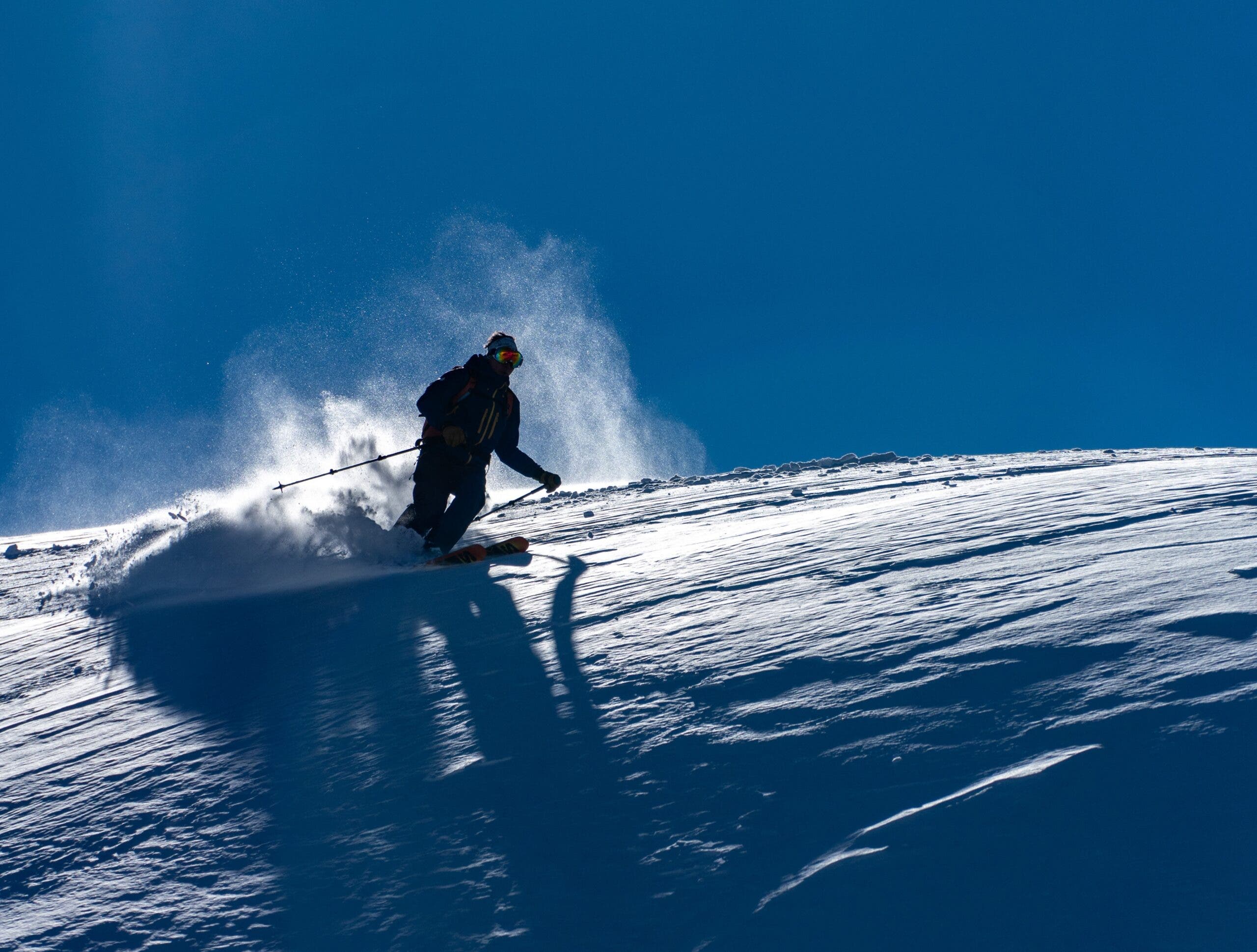
Joe Puchek articulates a pragmatic formula for sustained skiing: "You gotta have desire, ability, time, and money. Those four things are all it takes, but if you don’t have any one of them, you’re not skiing." The financial aspect, often a significant barrier for many, has been managed by these individuals through a conscious prioritization of their passion.
Puchek’s approach has been one of necessity and consistent budgeting. "Since I was a kid, buying a ski pass has been like buying toothpaste and toilet paper. You had to have a ski pass," he explains. His financial strategy has involved making practical choices, such as always buying used cars and building his own home, rather than pursuing luxury. Mike Campbell echoes this sentiment with his philosophy of "simple simplicity," advocating for a life that eschews material possessions and expensive lifestyles in favor of a spiritual devotion to skiing.
A particularly insightful strategy shared by Puchek is establishing a long-term base in the Alps. "It’s easier to eat healthy here. The lifestyle is better. And it was much more expensive living in Gunnison [Colorado] than it is living here," he notes. This suggests that strategic location choices and a mindful approach to cost of living can significantly facilitate sustained engagement with the sport.
7. A Profound Respect for the Mountain
Perhaps the most profound lesson from these seasoned skiers is their deep-seated respect for the mountain itself. Joe Puchek summarizes this with the realization that "you don’t take from the mountain, you ski what you’re given." Mike Campbell shares a similar perspective, stating, "There’s no ownership of the mountain. You simply pass through."
This philosophy of non-possession and transient passage offers a powerful metaphor for life itself. Both skiing and life are described as timeless yet fleeting, offering a spectrum of experiences from joy and euphoria to frustration and pain. The ability to accept this transient nature, to embrace the present moment, and to perform to the best of one’s ability while it lasts, is presented as the ultimate key to a fulfilling and enduring relationship with the slopes. The old-timers, having witnessed and experienced so much, find a unique satisfaction in this acceptance, viewing each additional day on the mountain as a cherished bonus.
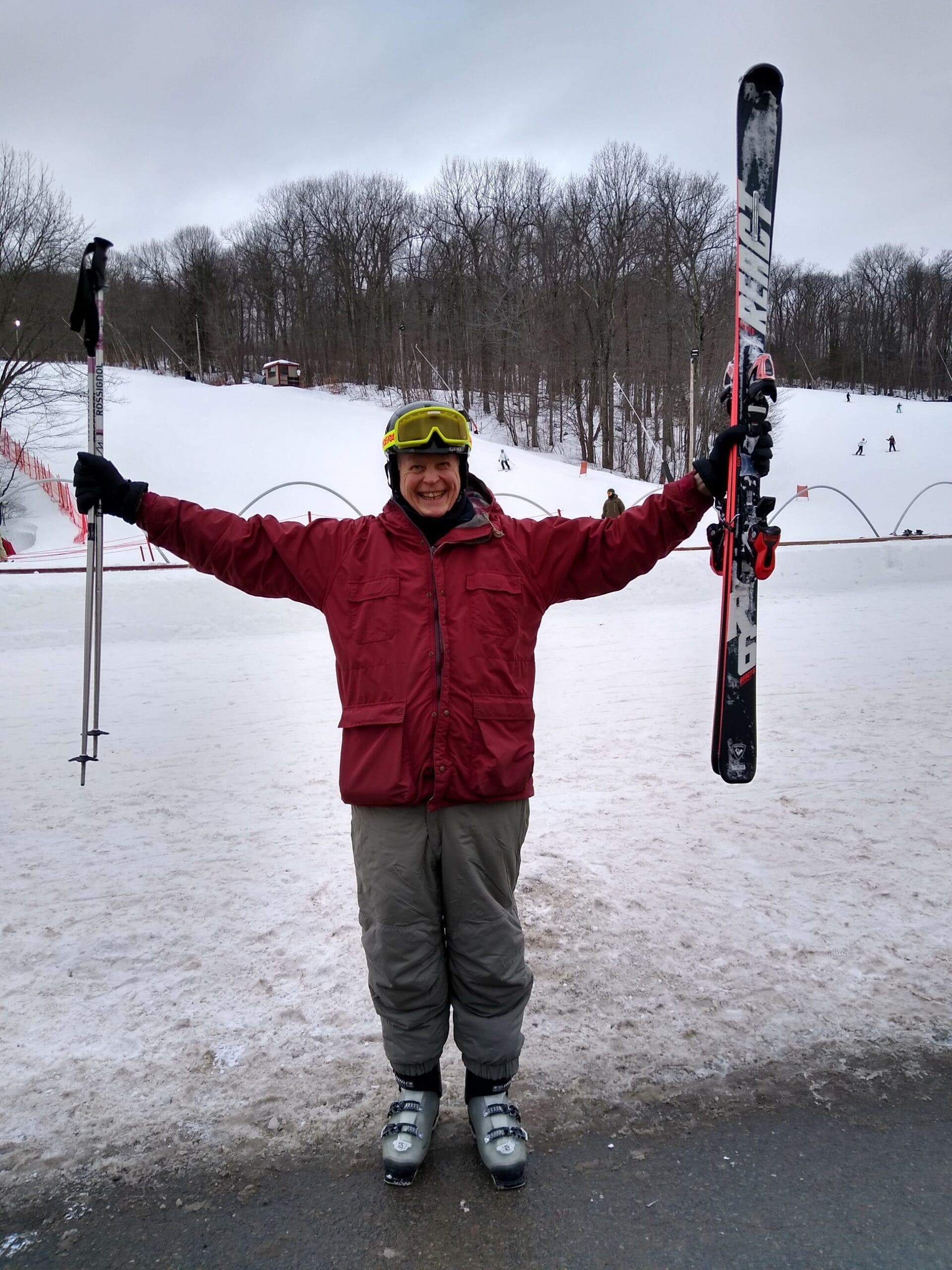
The insights shared by these veteran skiers offer a compelling roadmap for anyone seeking to extend their active participation in winter sports. Their wisdom, rooted in a blend of prudence, community, efficiency, and a deep respect for nature, transcends mere physical endurance, pointing towards a holistic approach to a lifelong passion. As the ski season concludes for many, the enduring spirit of these mountain elders serves as a powerful reminder that the pursuit of joy and adventure on the snow need not be constrained by age.
