

Recent meteorological data and atmospheric studies indicate that the traditional experience of summer is undergoing a fundamental shift. Across the Northern Hemisphere, outdoor enthusiasts and casual observers alike have noted a marked increase in the intensity and duration of extreme heat events. What were once considered "once-in-a-century" occurrences are now manifesting with a frequency that challenges modern infrastructure and public health systems. To understand the mechanics behind this trend, atmospheric scientists and meteorologists are pointing toward a combination of shifting jet stream patterns, the thermodynamics of "heat domes," and the persistent influence of anthropogenic climate change.
Defining the Modern Heat Wave
While the term "heat wave" is often used colloquially to describe any period of uncomfortably hot weather, the National Oceanic and Atmospheric Administration (NOAA) provides a specific technical framework. According to NOAA, a heat wave is defined as a period of two or more days during which temperatures are abnormally high relative to the historical averages for a specific region. However, meteorologists like Will Stikeleather, an atmospheric scientist and member of the POW Science Alliance, suggest that a purely temperature-based definition may be insufficient to capture the true hazard.
"The technical definition is intentionally broad because heat waves manifest differently depending on the geography," Stikeleather explains. "A critical component often overlooked in simple temperature readings is humidity. High moisture content in the air prevents the human body from cooling itself through the evaporation of sweat, which dramatically amplifies heat stress. Therefore, the ‘real feel’ or heat index is often a more accurate measure of the risk to the public."
The Mechanics of Atmospheric Blocking and Heat Domes
The primary driver of modern heat waves is a phenomenon known as a "heat dome." This occurs when a large high-pressure system becomes established in the upper atmosphere. Under these conditions, the high pressure acts as a lid, trapping warm air over a specific region. As the air sinks toward the surface, it undergoes adiabatic warming—a process where the compression of the air mass causes its temperature to rise.
This system is further exacerbated by the rotational nature of high-pressure centers. In the Northern Hemisphere, these systems rotate clockwise, often drawing in warm, humid air from the south and pumping it into the affected zone. The danger escalates when these systems become stationary. Typically, weather patterns are moved along by the jet stream—a fast-moving ribbon of air high in the atmosphere. However, when the jet stream develops large, stagnant loops, it can lead to "atmospheric blocking."

These "traffic jams" in the sky were responsible for the historic 2021 heat wave that devastated the Pacific Northwest and British Columbia. During that event, temperatures soared above 115°F in regions where many homes and businesses lacked air conditioning. The event was not merely a spike in temperature but a multi-day stagnation of extreme heat that led to hundreds of fatalities and significant ecological damage.
The Role of Climate Change as a Force Multiplier
The correlation between rising global temperatures and the severity of heat waves is supported by a robust body of evidence. Since 1895, the contiguous United States (CONUS) has seen a baseline temperature increase of approximately 2°F. While this may seem marginal, it shifts the entire probability distribution of weather events. A higher baseline means that even standard atmospheric fluctuations can push temperatures into the "extreme" category more easily.
Data from NOAA indicates that the frequency of heat waves in the United States has nearly tripled since the 1960s. Perhaps more concerning is the expansion of the "heat wave season." The window between the first and last heat wave of the year has grown from an average of 25 days to approximately 70 days. This expansion means that communities must now prepare for extreme heat events in late spring and early autumn, periods when they were historically rare.
The Intergovernmental Panel on Climate Change (IPCC) in its sixth assessment report (IPCC6) stated that it is "virtually certain" that climate change is the primary driver behind the increased frequency and severity of warm temperature extremes globally. For example, the June 2021 Western Canada heat wave was estimated to be a 1-in-1,000-year event. Analysis shows that this event was 2°C hotter than it would have been during the pre-industrial period of 1850–1900.
European Extremes and World Weather Attribution
The impact is not limited to North America. In Europe, the rate of increase in daily extreme temperatures is approximately double the global average. In Western Europe specifically, these extremes are rising at three times the global rate.
Historical comparisons provide a stark perspective. The summer of 1976 was long considered the benchmark for extreme heat in Europe. However, a study by World Weather Attribution found that the hottest temperatures recorded in 2026 were estimated to be 3.5°C higher than they would have been under identical atmospheric conditions in 1976. The probability of experiencing a sustained period of 40°C (104°F) temperatures across a swath from Spain to the Czech Republic is now ten times more likely than it was as recently as 2003.

Regional Vulnerabilities and Arctic Amplification
Geographical factors play a significant role in how heat waves are experienced. On the U.S. East Coast, rising sea surface temperatures are fueling higher evaporation rates, leading to oppressive humidity levels that amplify heat stress. In contrast, the Desert Southwest is experiencing a "dry" heat that is reaching new record peaks.
One of the most complex factors in modern meteorology is "Arctic Amplification." The polar regions are warming at a rate significantly faster than the rest of the planet. Research by Francis and Vavrus (2012) and White et al. (2023) suggests that this narrowing temperature gap between the poles and the equator is causing the jet stream to become "wavier." These exaggerated waves are more prone to stalling, creating the persistent blocking patterns that allow heat domes to remain over a region for weeks at a time.
In the United States, the Northeast has emerged as one of the fastest-warming regions, containing three of the top five fastest-warming states since 1970. However, Alaska remains the fastest-warming state overall, a direct consequence of its proximity to the rapidly changing Arctic environment.
The Urban Heat Island Effect and Public Health
The built environment of modern cities creates a unique microclimate known as the "urban heat island effect." Urban centers are characterized by high concentrations of concrete, asphalt, and steel—materials with low albedo, meaning they absorb and retain solar radiation rather than reflecting it. In contrast, rural areas with dense vegetation benefit from evapotranspiration, a biological process where plants release moisture, cooling the surrounding air.
The most significant danger in urban environments is the lack of nighttime cooling. "Heat doesn’t dissipate efficiently overnight in cities," says Stikeleather. "The human body requires a recovery period during the cooler night hours to shed the heat stress accumulated during the day. When nighttime temperatures remain in the 80s or 90s, the physiological strain becomes cumulative, leading to a sharp increase in heat-related illnesses and mortality among vulnerable populations."
Compounding Natural Hazards: The Wildfire Link
Heat waves do not occur in isolation; they act as catalysts for other environmental disasters. A primary concern for the Western United States and Canada is the "curing" of vegetation. When a heat dome settles over a region with a below-average snowpack, the resulting desiccation of forests and grasslands creates a "tinderbox" effect.
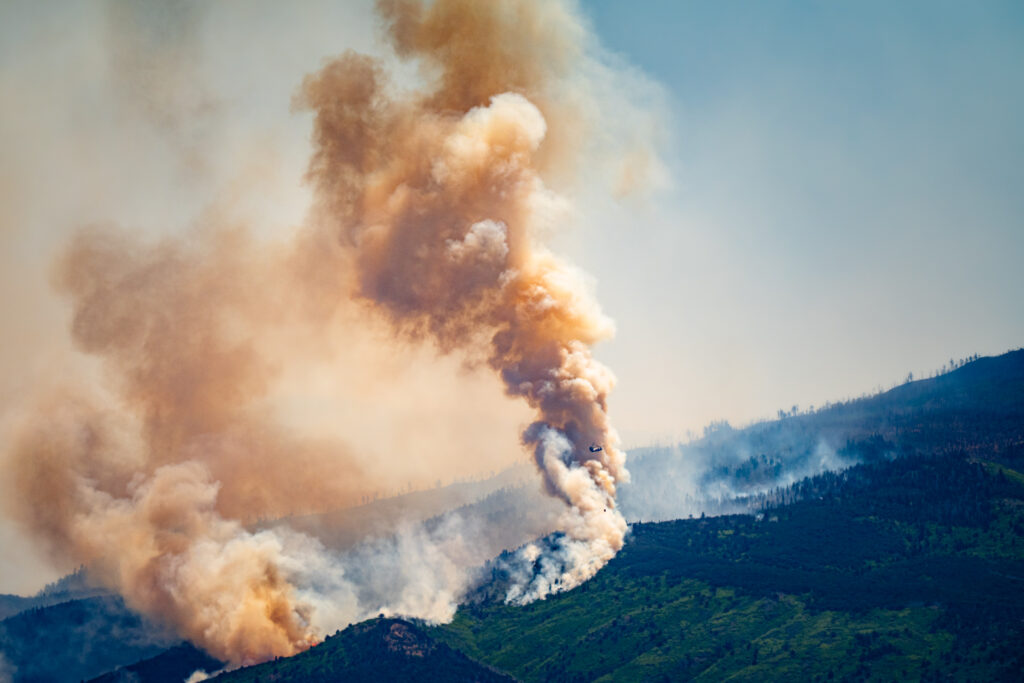
In 2026, meteorologists observed that vegetation in large portions of the Pacific Northwest had dried out sufficiently to burn weeks ahead of the traditional fire season. Normally, these fuel types do not reach peak flammability until September. However, the expansion of the heat wave season has moved this threshold into July. This shift significantly increases the window for extreme fire behavior in populated areas such as Spokane, Washington, where the combination of high temperatures and dry fuel can lead to rapid-fire spread that outpaces suppression efforts.
Infrastructure Strain and the Energy Paradox
The socio-economic implications of sustained heat waves are profound. As temperatures rise, the demand for air conditioning places an unprecedented load on the electrical grid. This creates a feedback loop: increased energy consumption often leads to higher greenhouse gas emissions (if the grid relies on fossil fuels), which in turn contributes to further global warming.
Furthermore, extreme heat can physically degrade infrastructure. High temperatures can cause railway tracks to buckle, pavement to heave, and power transformers to overheat and fail. For the "Outdoor State"—the millions of people whose livelihoods and recreation depend on a stable climate—these changes represent a fundamental threat to the viability of industries ranging from ski resorts to guided river expeditions.
Strategic Responses and Clean Energy Transitions
Addressing the escalation of heat waves requires a dual approach: immediate adaptation and long-term mitigation. Adaptation includes the development of "cooling centers," the implementation of urban greening projects to increase albedo, and the upgrading of energy grids to handle peak loads.
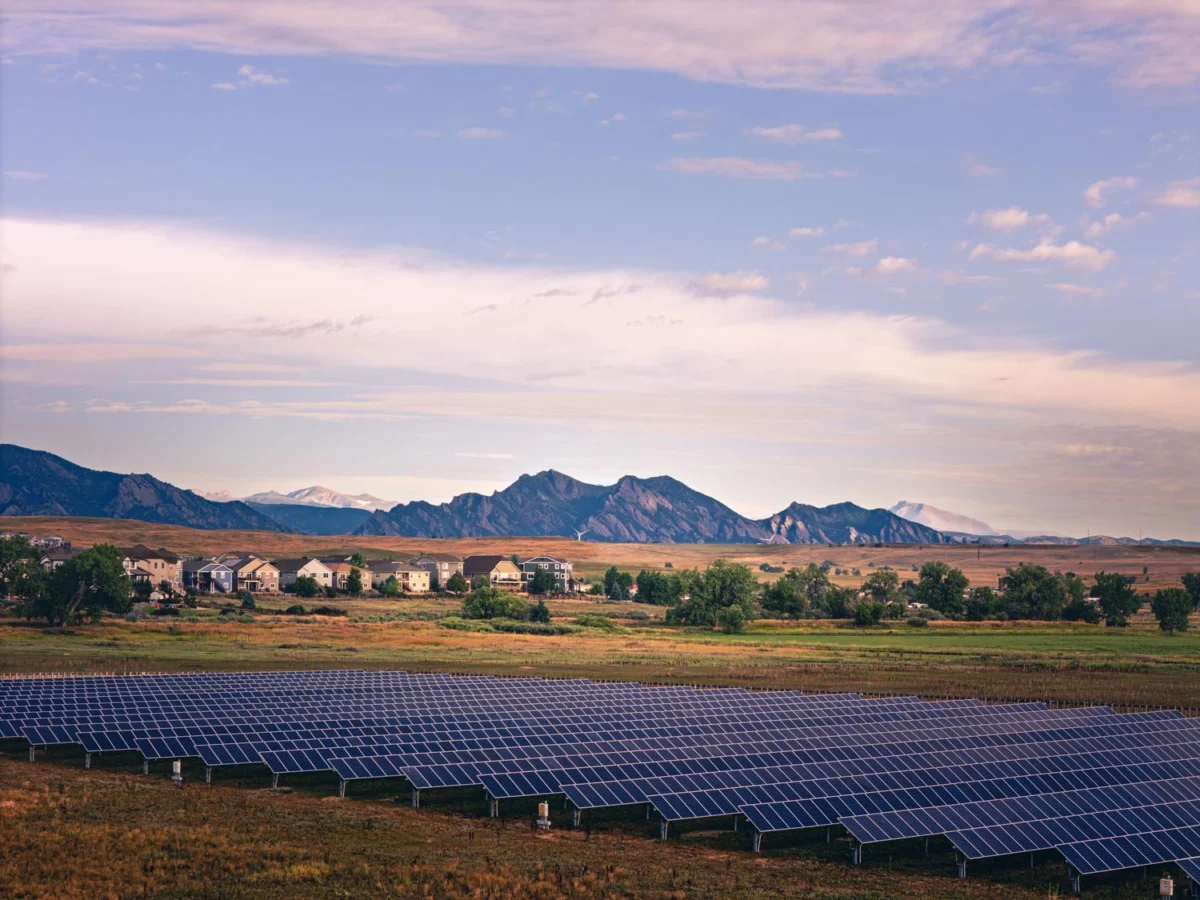
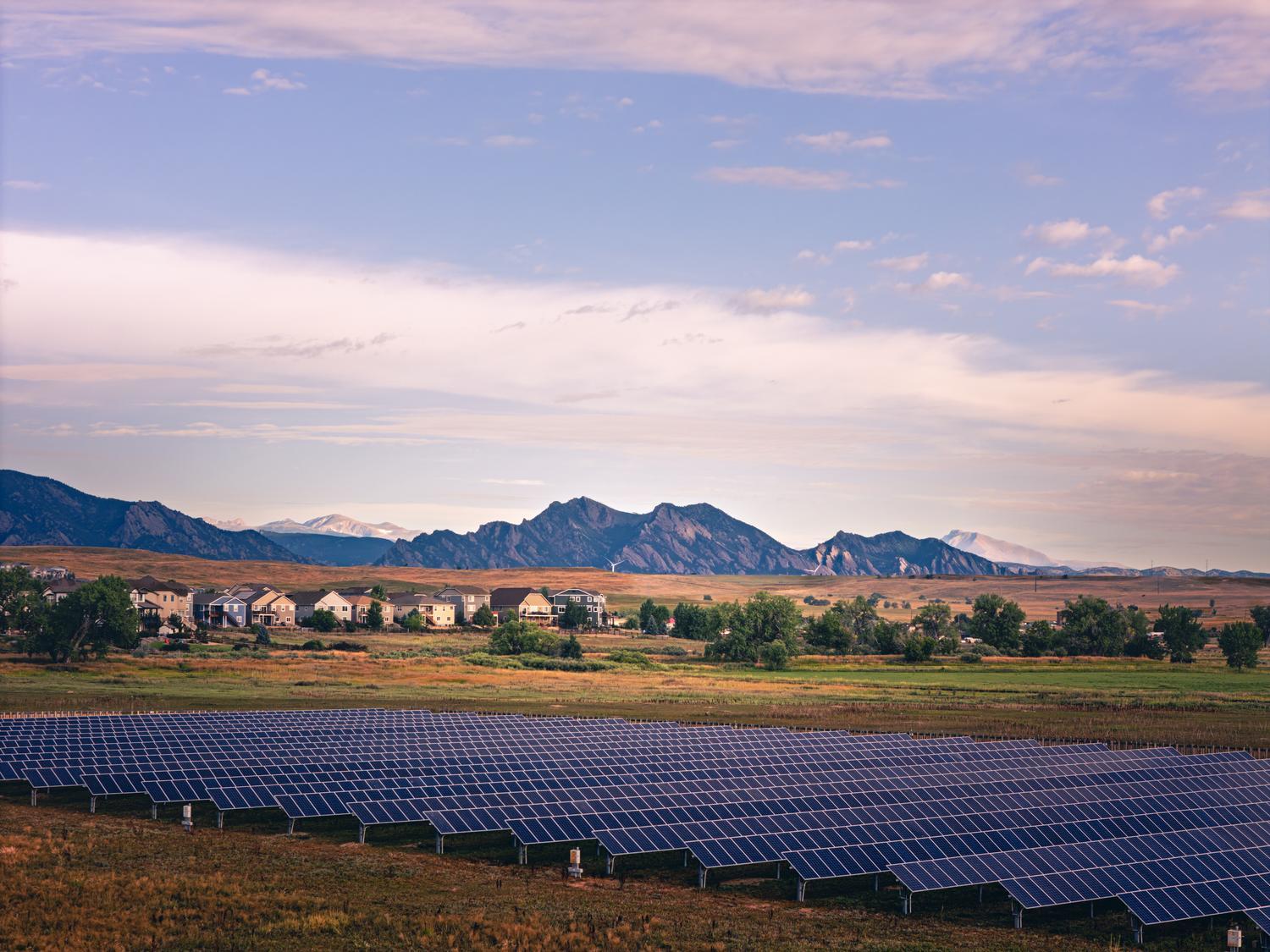
However, scientists agree that mitigation—addressing the source of the warming—is the only way to break the cycle. There is a growing movement toward local, clean energy solutions to decarbonize the grid. Community-led initiatives, such as rooftop solar gardens in Jefferson County, Colorado, and rural electric co-op upgrades, are being cited as models for building regional resilience.
By transitioning to renewable energy sources, communities can reduce the emissions that fuel Arctic amplification and jet stream volatility. Organizations like the POW Science Alliance advocate for the use of "Clean Energy Toolkits," which provide frameworks for local governments and individuals to accelerate the transition to wind, solar, and geothermal power.
Conclusion and Safety Recommendations
As the science confirms that extreme heat is becoming a permanent fixture of the summer months, public safety remains the immediate priority. Health officials recommend that individuals monitor local forecasts closely, focusing on the Wet Bulb Global Temperature (WBGT) rather than just the standard thermometer reading. During peak heat events, it is advised to shift outdoor activities to the early morning hours, maintain rigorous hydration, and utilize public cooling spaces if home environments become unsafe.
The trend toward more frequent and severe heat waves is a clear signal of a changing climate. While the science behind these events is complex, the data is unequivocal: the baseline has shifted, and the "new normal" for summer requires a fundamental reassessment of how society builds, works, and interacts with the natural world.
