

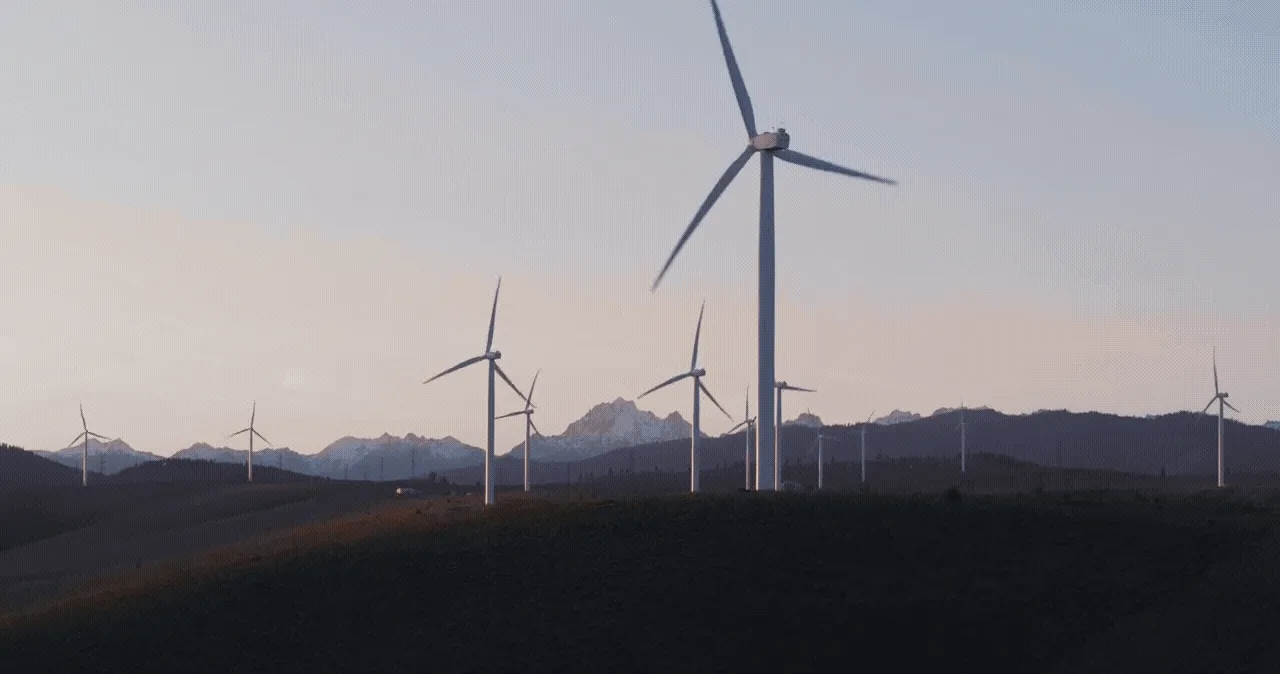
The global shift toward renewable energy has triggered a sophisticated and well-funded counter-movement characterized by the strategic deployment of disinformation designed to stall the transition from fossil fuels. As wind, solar, and electric vehicle technologies reach unprecedented scales of deployment, they have been met with a parallel escalation in public skepticism, often fueled by narratives that exaggerate environmental risks, question economic viability, and highlight aesthetic concerns. Industry analysts and social science researchers have identified a coordinated effort, largely supported by fossil fuel interests, to influence public opinion through the dissemination of misleading claims regarding property values, wildlife impact, and grid reliability. This phenomenon represents a significant challenge to climate policy, as it shifts the public discourse from systemic solutions to localized, often scientifically unsubstantiated, grievances.
The Taxonomy of False Information in Climate Discourse
In the professional study of communication, a critical distinction is made between misinformation and disinformation, both of which play pivotal roles in shaping the energy narrative. Misinformation refers to the sharing of inaccurate information without the intent to deceive. This often occurs when concerned citizens repeat talking points they believe to be true, such as the claim that offshore wind turbines are a primary driver of whale strandings or bird population declines. While the individuals sharing these claims may be acting in good faith, the cumulative effect is the dilution of scientific consensus and the creation of unnecessary public alarm.
Disinformation, conversely, is the intentional creation and distribution of false or misleading information to achieve a specific political or economic objective. In the context of the energy transition, disinformation campaigns are frequently orchestrated by entities with a financial stake in the continued dominance of coal, oil, and natural gas. By seeding "red herring" arguments—issues intended to be misleading or distracting—these actors can derail legislative progress and delay the decommissioning of carbon-intensive infrastructure. The objective is often not to win a scientific debate, but to create enough perceived uncertainty to prevent decisive policy action.
A Chronology of Climate Deception and Public Influence
The current landscape of energy disinformation is the result of a decades-long evolution in corporate communications. To understand the present moment, one must examine the timeline of how energy narratives have been shaped by the industry.
In the late 1970s and early 1980s, internal research conducted by major oil companies, such as Exxon, accurately predicted the trajectory of global warming caused by fossil fuel combustion. However, by the late 1980s, the industry’s public-facing strategy shifted from scientific inquiry to the manufacture of doubt. This period saw the rise of industry-funded front groups and "think tanks" tasked with questioning the validity of climate science.
Throughout the 2000s, the narrative evolved from denying climate change to "greenwashing," where companies publicly supported carbon reduction goals while privately lobbying against regulations. In the 2020s, as renewable energy became the most cost-effective source of new power generation, the focus shifted again. The current strategy involves attacking the reliability and environmental footprint of the alternatives. This "new climate denial" does not necessarily argue that the planet isn’t warming, but rather that the solutions—wind, solar, and electric vehicles—are worse than the problem they seek to solve.
Analyzing Common Myths and Supporting Scientific Data
To provide a factual basis for the energy transition, it is necessary to examine the data behind the most frequent criticisms leveled against renewable technologies. Professional journalistic inquiry requires weighing these concerns against peer-reviewed research and historical performance.
Electric Vehicle Life Cycles and Mineral Extraction
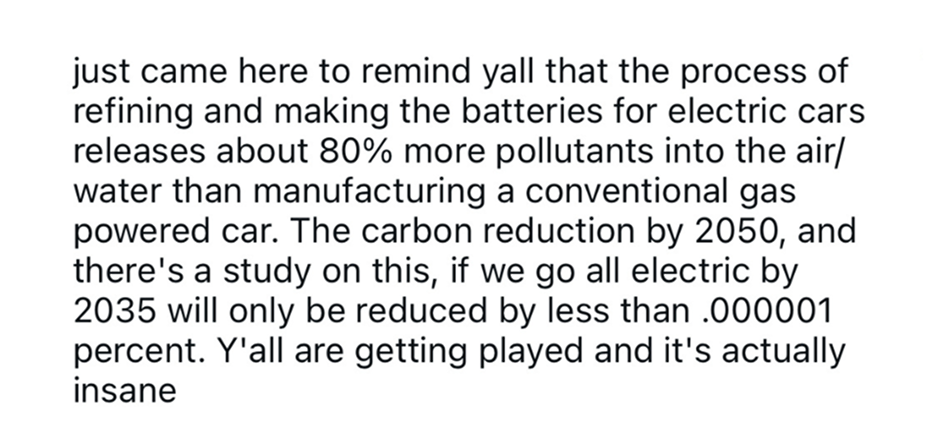
A prominent narrative suggests that the production of electric vehicle (EV) batteries is more environmentally damaging than the operation of internal combustion engine (ICE) vehicles. While mineral extraction for lithium-ion batteries does involve significant ecological and social costs, lifecycle analyses consistently show that EVs are the superior environmental choice.
According to researchers at the Massachusetts Institute of Technology (MIT), a standard gasoline-powered vehicle emits an average of 350 grams of CO2 per mile driven over its lifetime. In contrast, a fully battery-electric vehicle, even when accounting for the carbon-intensive manufacturing process of the battery, creates approximately 200 grams of CO2 per mile. As the electrical grid becomes "greener" with the addition of more renewable sources, the carbon footprint of an EV continues to decrease over time, whereas the emissions of a gasoline car remain constant or increase as the engine ages.
Offshore Wind and Avian/Marine Habitats
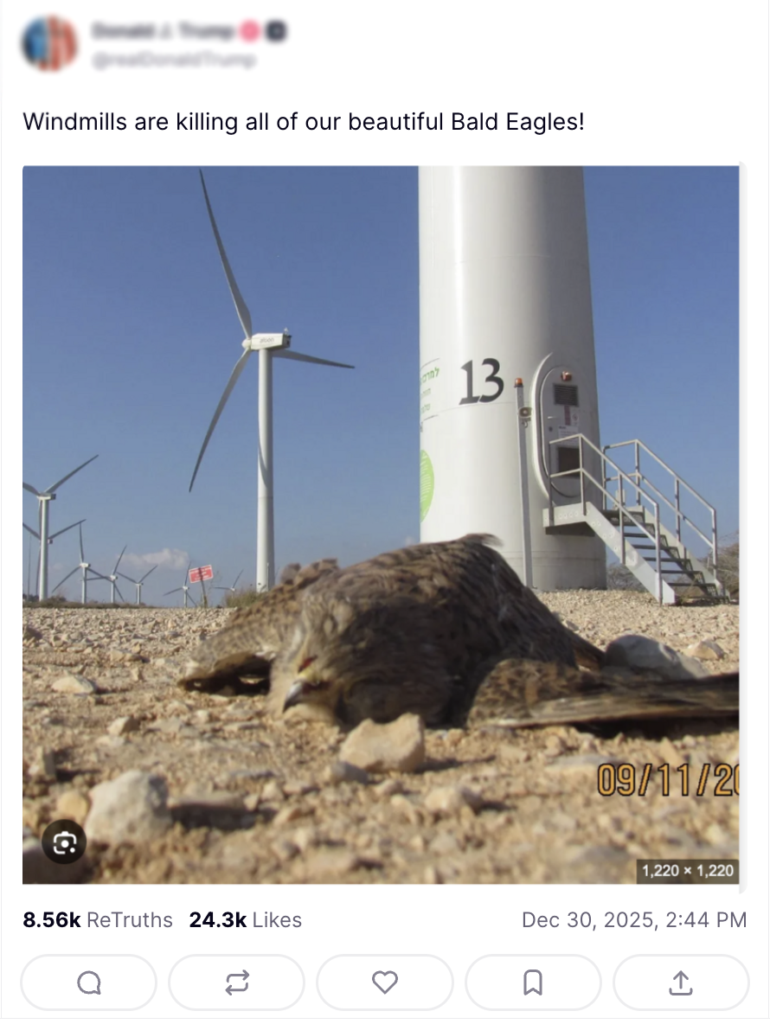
The impact of offshore wind farms on wildlife is a frequent flashpoint for local opposition. Critics often cite bird mortality and marine disruptions as reasons to halt projects. However, data from the U.S. Fish and Wildlife Service and various conservation organizations put these risks into perspective.
While wind turbines do account for avian fatalities, they are responsible for a small fraction of human-caused bird deaths compared to building collisions, domestic cats, and high-voltage power lines. Furthermore, climate change itself remains the single greatest threat to global bird populations and ocean ecosystems. Regarding marine life, the National Oceanic and Atmospheric Administration (NOAA) has stated that there is no scientific evidence linking offshore wind site surveys to the recent increase in whale strandings along the Atlantic coast. Conversely, the risks associated with fossil fuel extraction—such as catastrophic oil spills and the acidification of oceans due to CO2 absorption—pose documented, existential threats to marine biodiversity.
Land Use and Solar Energy
The claim that solar farms ruin valuable farmland is a common refrain in rural communities. However, the emerging field of agrivoltaics demonstrates that solar energy and agriculture can be symbiotic. Studies have shown that certain crops, such as leafy greens and berries, thrive under the partial shade of solar panels, which also helps retain soil moisture and reduce irrigation needs. Furthermore, solar leases often provide farmers with a stable, "drought-proof" source of income that allows them to keep their land in the family rather than selling it to developers for residential or industrial use.
Economic Implications and Market Realities
The transition to clean energy is increasingly driven by economic fundamentals rather than just environmental policy. According to the International Renewable Energy Agency (IRENA), the cost of solar and onshore wind power has fallen by 88% and 68%, respectively, since 2010. In many parts of the world, building new renewable capacity is now cheaper than continuing to operate existing coal plants.
The disinformation campaigns targeting these technologies often ignore the "hidden costs" of fossil fuels, including healthcare expenses related to air pollution and the massive federal subsidies traditionally granted to the oil and gas industry. By framing renewables as an expensive luxury, disinformation ignores the reality that clean energy is becoming the primary driver of global energy security and price stability.
Official Responses and Strategic Counter-Measures
Government agencies and international bodies have begun to recognize disinformation as a systemic risk to national security and economic progress. The United Nations and the Intergovernmental Panel on Climate Change (IPCC) have both highlighted the role of organized skepticism in slowing the global response to the climate crisis.

In the United States, the Department of Energy (DOE) has launched initiatives to provide communities with factual resources to combat misinformation during the permitting process for new energy projects. Non-governmental organizations, such as Protect Our Winters (POW), play a crucial role in this ecosystem by mobilizing specific constituencies—such as the outdoor recreation community—to advocate for evidence-based policy. These organizations emphasize that "perfection is the enemy of the good," arguing that while no energy source is without impact, the transition to renewables represents a significant and necessary improvement over the status quo.
Broader Impact and the Path Toward Energy Literacy
The persistence of energy disinformation has broader implications for the health of democratic discourse. When public debate is flooded with manufactured controversy, it becomes difficult for citizens and policymakers to reach a consensus on infrastructure projects that are essential for long-term stability.
The path forward requires a multi-faceted approach to energy literacy. First, consumers of information must practice "lateral reading"—verifying claims by looking at multiple independent sources rather than relying on a single social media post or editorial. Second, there is a need for greater transparency in the funding of "grassroots" opposition groups, many of which are later revealed to have ties to industrial lobbyists.
Finally, the transition must be managed responsibly. Acknowledging the valid concerns of local communities regarding land use and aesthetics is essential for maintaining the social license to operate. However, these concerns must be balanced against the empirical reality of climate change and the documented benefits of a decarbonized economy. Clean energy is not a perfect solution, but the scientific and economic data indicate it is the most viable and responsible way to power modern society while safeguarding the ecological systems upon which human life depends. As the global energy landscape continues to evolve, the ability to distinguish between genuine scientific inquiry and coordinated disinformation will remain a critical skill for the 21st-century citizen.
