

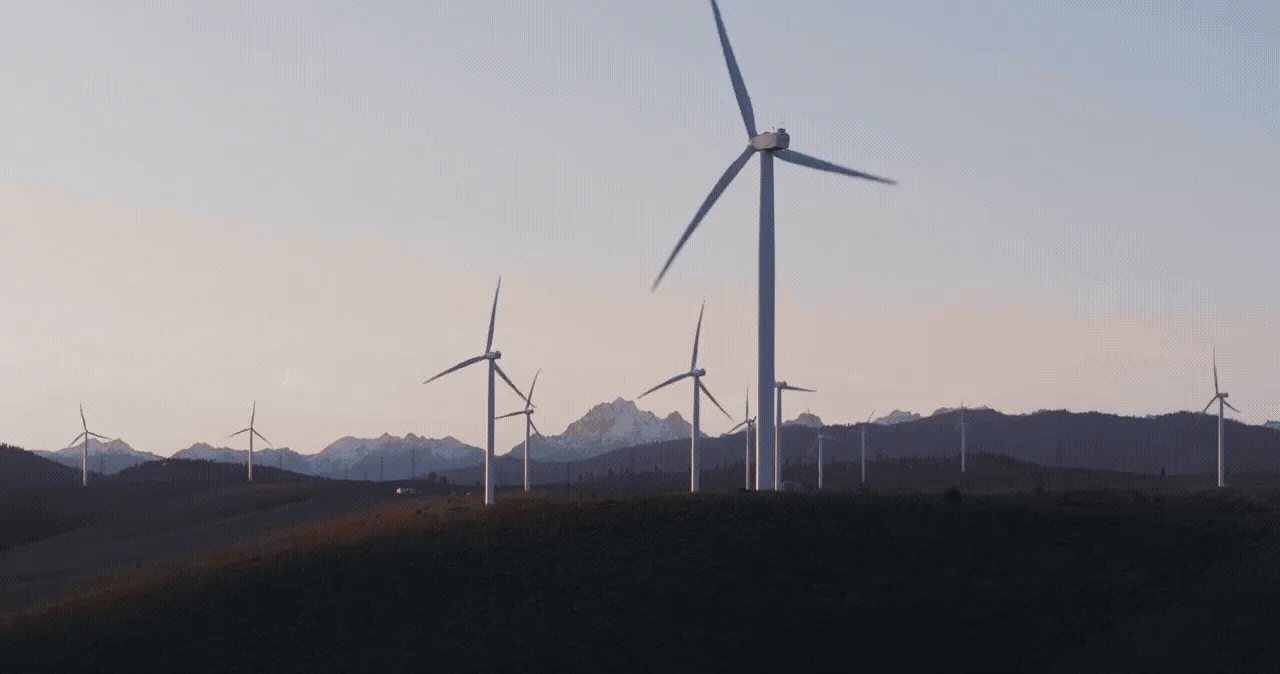
As the global community accelerates its transition toward renewable energy, a sophisticated and well-funded opposition movement has emerged, utilizing digital platforms to disseminate narratives intended to stall the adoption of wind, solar, and electric vehicle technology. Recent reports from climate advocacy organizations, including Protect Our Winters (POW), highlight a growing trend of coordinated disinformation campaigns that target public perception through exaggerated claims regarding property values, wildlife conservation, and energy reliability. While the scaling of clean energy is a documented necessity for meeting international climate targets, the accompanying "fear campaign" has become a significant barrier to policy implementation and community level acceptance.
The Strategic Distinction Between Misinformation and Disinformation
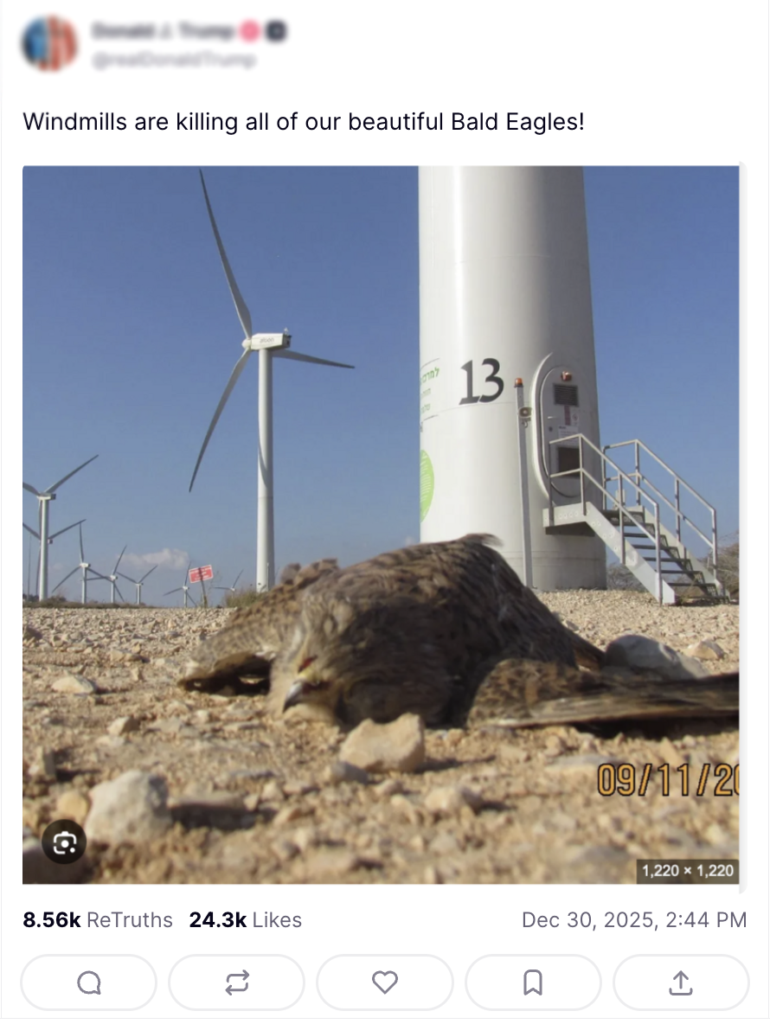
To understand the current landscape of energy discourse, experts emphasize the critical distinction between misinformation and disinformation. Misinformation refers to the accidental sharing of false or misleading information by individuals who believe the content to be true. A common example includes social media users expressing concern over offshore wind farms based on anecdotal reports of bird mortality, unaware that the data suggests these impacts are statistically minimal compared to other human-made structures.
In contrast, disinformation is the intentional seeding of false narratives by bad actors—often those with vested financial interests in the fossil fuel industry—designed to distract, delay, or dodge accountability. According to digital forensics and climate communication specialists, these campaigns are not merely organic expressions of public concern but are often strategically placed to create "in-fighting" among climate advocates and the general public. By shifting the conversation from systemic solutions to narrow, exaggerated grievances, these actors successfully derail legislative and infrastructural progress.

A Chronology of Climate Deception and the Fossil Fuel Influence
The current wave of renewable energy opposition is the latest chapter in a decades-long history of corporate influence over climate science. The chronology of this movement reveals a shift from outright denial of climate change to the current strategy of "climate delayism."
In the late 1970s and early 1980s, internal documents from major oil companies like Exxon (now ExxonMobil) revealed that their own scientists had accurately predicted the warming effects of fossil fuel consumption. However, by the 1990s, the industry began funding a massive public relations effort to cast doubt on the scientific consensus. This era saw the rise of think tanks and lobbying groups dedicated to framing climate change as an "uncertain" phenomenon.
By the mid-2010s, as the physical reality of climate change became undeniable, the strategy shifted again. Following the 2015 Paris Agreement, the narrative moved toward "greenwashing"—where companies claim to support decarbonization while simultaneously expanding oil and gas production. The current era, beginning around 2020, focuses heavily on the alleged "dangers" and "unreliability" of renewable alternatives. This timeline demonstrates a persistent effort to protect market share by undermining the credibility of the energy transition.
Data-Driven Analysis: Debunking Common Renewable Energy Myths
To counter the prevailing disinformation, researchers point to empirical data that contextualizes the environmental impact of clean energy compared to traditional fossil fuels. Two of the most frequent points of contention involve the production of electric vehicles (EVs) and the impact of offshore wind on marine ecosystems.
Electric Vehicles and Resource Extraction
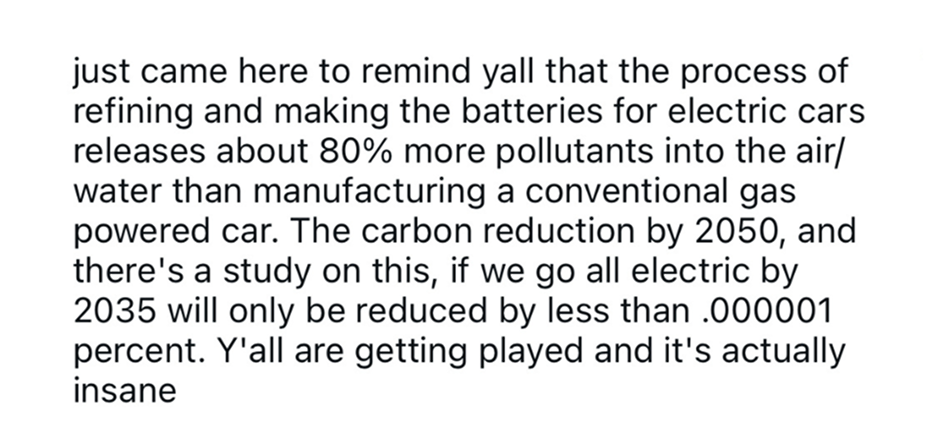
A common narrative suggests that the mineral mining required for EV batteries is more environmentally damaging than the production and operation of internal combustion engine (ICE) vehicles. While mineral extraction does pose ecological challenges, a comprehensive study by the Massachusetts Institute of Technology (MIT) found that the lifetime emissions of EVs are significantly lower than those of gas-powered cars. On average, gasoline cars emit more than 350 grams of CO2 per mile driven over their entire lifecycle. In comparison, fully battery-electric vehicles generate approximately 200 grams per mile. As the electrical grid becomes "greener" with more renewable inputs, the carbon footprint of EVs continues to decrease, a benefit that fossil-fuel-dependent vehicles cannot achieve.
Offshore Wind and Wildlife Conservation
The impact of offshore wind farms on birds and aquatic life is frequently used as a "red herring" to halt projects. While all energy infrastructure has an environmental footprint, the threats posed by fossil fuels are historically more catastrophic. Offshore oil rigs present the risk of spills that can poison entire ecosystems for decades. Furthermore, the National Oceanic and Atmospheric Administration (NOAA) and other scientific bodies have noted that climate change itself—driven by carbon emissions—is the greatest single threat to ocean biodiversity. When compared to the millions of bird deaths caused annually by domestic cats and collisions with glass buildings, the impact of wind turbines is statistically low, and modern designs are increasingly incorporating bird-deterrent technologies.
Institutional Responses and the Rise of "Climate Literacy"
In response to the surge of disinformation, international bodies and governmental agencies are increasingly focusing on "climate literacy." The Intergovernmental Panel on Climate Change (IPCC) has noted in its recent assessment reports that "vested interests" are a primary obstacle to climate action. In the United States, the passage of the Inflation Reduction Act (IRA) in 2022 represented a landmark shift in policy, providing billions of dollars in incentives for clean energy. However, this legislative success has also triggered a counter-reaction from fossil fuel-aligned groups, who have intensified their efforts to influence local zoning boards and municipal elections.
Organizations such as Protect Our Winters have mobilized to educate the public on how to identify "straw man" arguments and false analogies. By encouraging citizens to rely on peer-reviewed scientific evidence rather than social media headlines, advocates hope to create a more resilient public discourse.
The Economic Implications of the Energy Transition
Beyond environmental concerns, the disinformation campaign often targets the economic viability of renewables. Critics frequently claim that wind and solar are "expensive" and "unreliable" without the support of fossil fuel baseloads. However, the International Energy Agency (IEA) and BloombergNEF have consistently reported that the Levelized Cost of Energy (LCOE) for new wind and solar projects is now lower than that of new coal or gas plants in most parts of the world.
Furthermore, the transition is a significant driver of job creation. In the United States, the clean energy sector has seen job growth rates that outpace the general economy. Disinformation campaigns that focus on "lost jobs" in the coal or oil sectors often omit the fact that these industries have been shedding jobs for decades due to automation and market forces, rather than environmental regulation alone.
Broader Impact and the Path Forward
The prevalence of disinformation has a profound impact on the speed of the global energy transition. When local communities are misled about the effects of a proposed solar farm or wind project, the resulting delays can set back climate goals by years. This "friction" in the development process is precisely the goal of coordinated disinformation.
To combat this, experts suggest a multi-pronged approach:

- Verification of Sources: Consumers of information must prioritize outlets that provide scientific backing and transparent methodology.
- Supporting Transparency: Advocating for laws that require greater transparency in the funding of "astroturf" groups (fake grassroots organizations) that oppose renewable projects.
- Civic Engagement: Participating in local government allows citizens to counter disinformation at the level where many energy decisions are made.
- Responsible Transitioning: Acknowledging that while renewables are not "perfect," they are a vast improvement over the status quo. The goal is to pursue infrastructure development with conservation and equity as core principles.
As the energy landscape continues to evolve, the battle over information will remain as critical as the battle over technology. The evidence indicates that while the transition to clean energy requires significant investment and thoughtful planning, the narratives suggesting it is "dangerous" or "ineffective" are largely the product of intentional deception. By fostering a more informed and scientifically literate public, the path toward a sustainable and low-carbon future becomes increasingly clear. The innovation of the human spirit, which has developed the capacity to harness the wind and the sun, must now be matched by a commitment to truth in the digital age.
