

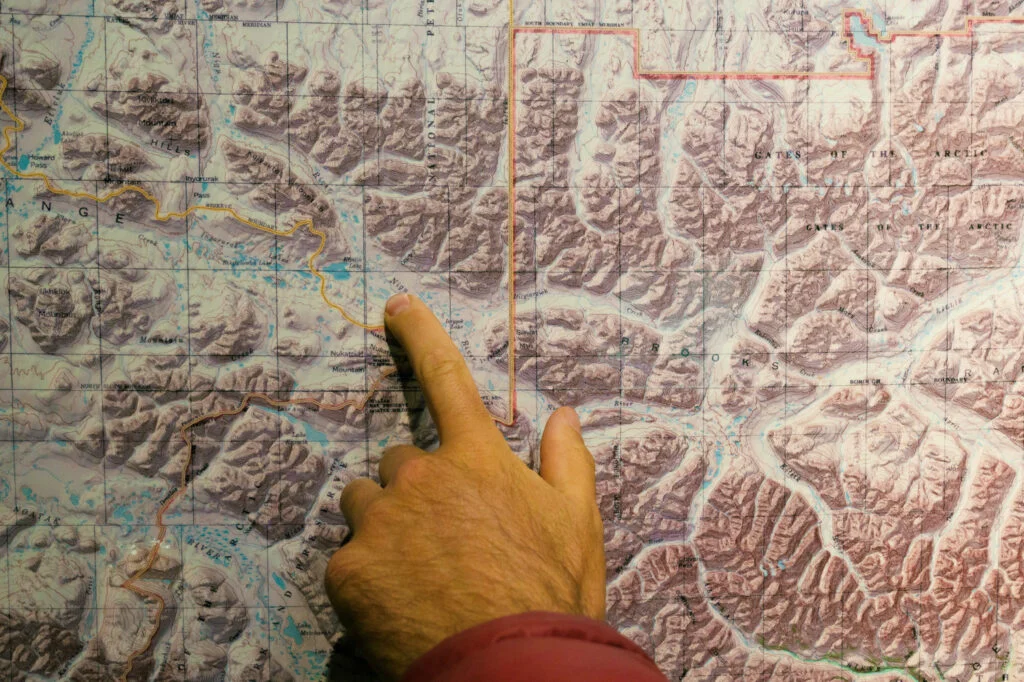
The federal government initiated a significant shift in Arctic land management on March 18th by opening the first of five mandated lease sales in Alaska’s Western Arctic, a move that reignites a century-old debate over the balance between energy extraction and environmental preservation. This latest development involves the National Petroleum Reserve-Alaska (NPR-A), a vast region spanning more than 22 million acres on the state’s North Slope. As the largest single block of public land in the United States, the NPR-A has become the center of a complex legal and political struggle, pitting the mandates of early 20th-century resource security against 21st-century climate realities and conservation goals.
The recent lease sales are part of a broader federal strategy to expand domestic energy production. Under current mandates, the government is required to hold at least five such sales over the next decade. These auctions include sensitive areas such as the Teshekpuk Lake wetlands, a region that environmental scientists have identified as a globally critical habitat. For decades, much of this area remained protected under various administrative designations, but the current legal framework, rooted in the reserve’s original naming and purpose, has provided the "scaffolding" for renewed industrial interest.
A Century of Designation: From Harding to the Modern Era
The origins of the NPR-A date back to 1923, when President Warren G. Harding signed an executive order establishing "Naval Petroleum Reserve No. 4." At the time, the United States Navy was transitioning its fleet from coal to oil, and national security planners were concerned about securing long-term fuel supplies. Geologists had reported oil seeps along the Arctic coast, leading the federal government to withdraw the land from all other uses—including homesteading and mining—to keep it in reserve for military needs.
This designation remained largely static for over fifty years. In 1976, Congress passed the Naval Petroleum Reserves Production Act, which transferred management of the land from the Navy to the Department of the Interior. While the transition moved the land into civilian hands, the name was merely updated to the National Petroleum Reserve-Alaska (NPR-A). Crucially, the legislation did not change the primary identity of the land as a resource for energy development. The act directed the executive branch to conduct an "expeditious program of competitive leasing," a phrase that remains a cornerstone for proponents of North Slope drilling today.
The history of the reserve is also intertwined with early American political scandal. Shortly after Harding designated the reserve, his administration was rocked by the Teapot Dome scandal, involving Interior Secretary Albert Bacon Fall. Fall was convicted of accepting bribes to lease Navy Petroleum Reserve No. 3 in Wyoming to private oil companies without competitive bidding. This historical backdrop serves as a reminder that controversy over the management of public energy reserves is not a modern phenomenon, but a recurring theme in American land use policy.
The Ecological Significance of an Intact Ecosystem
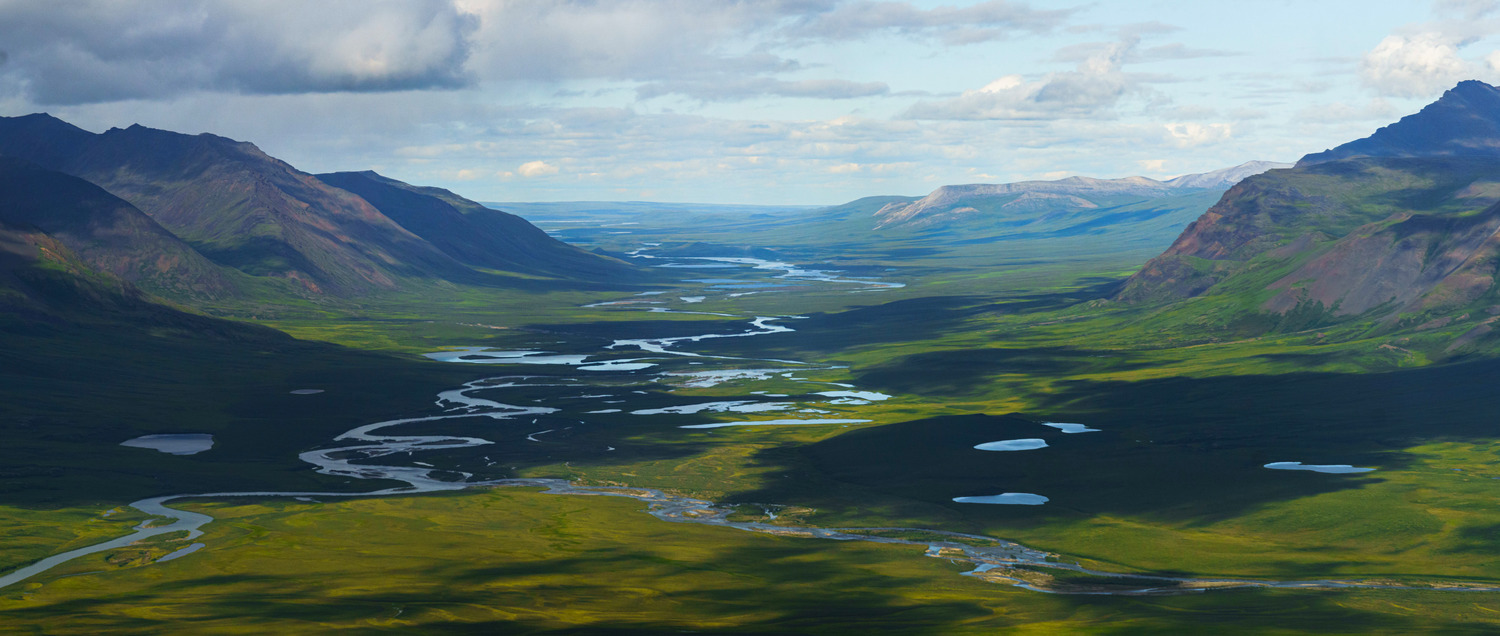
Despite its name, the NPR-A is far more than a subterranean oil tank. It is an integral part of an Arctic ecosystem that remains one of the last "whole" places on Earth. The region, which is roughly the size of the state of Indiana, provides habitat for a staggering array of wildlife.
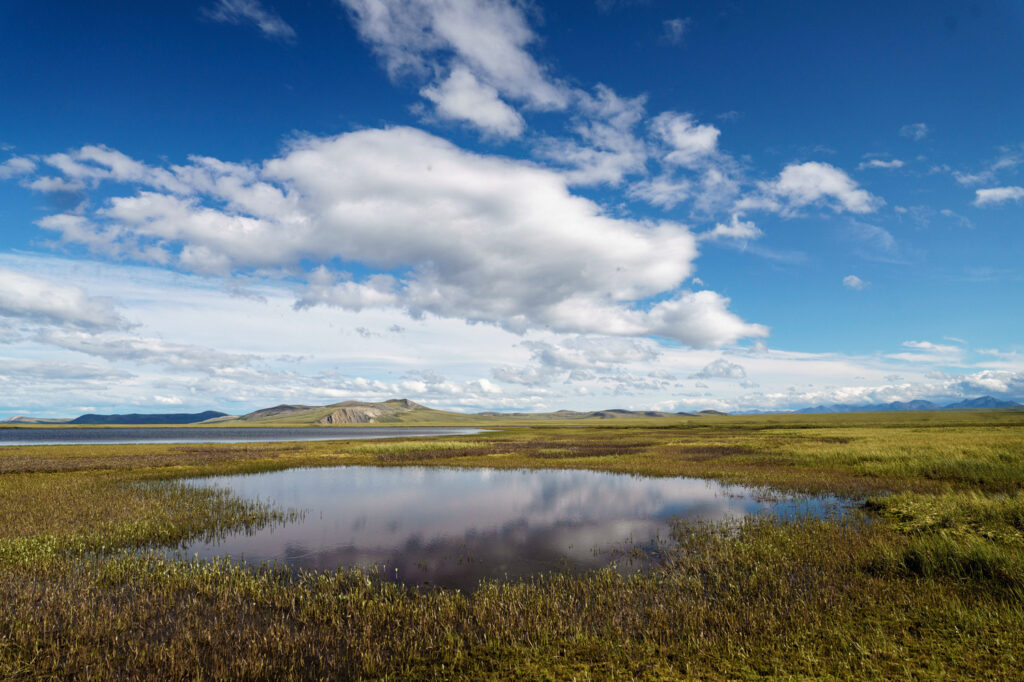
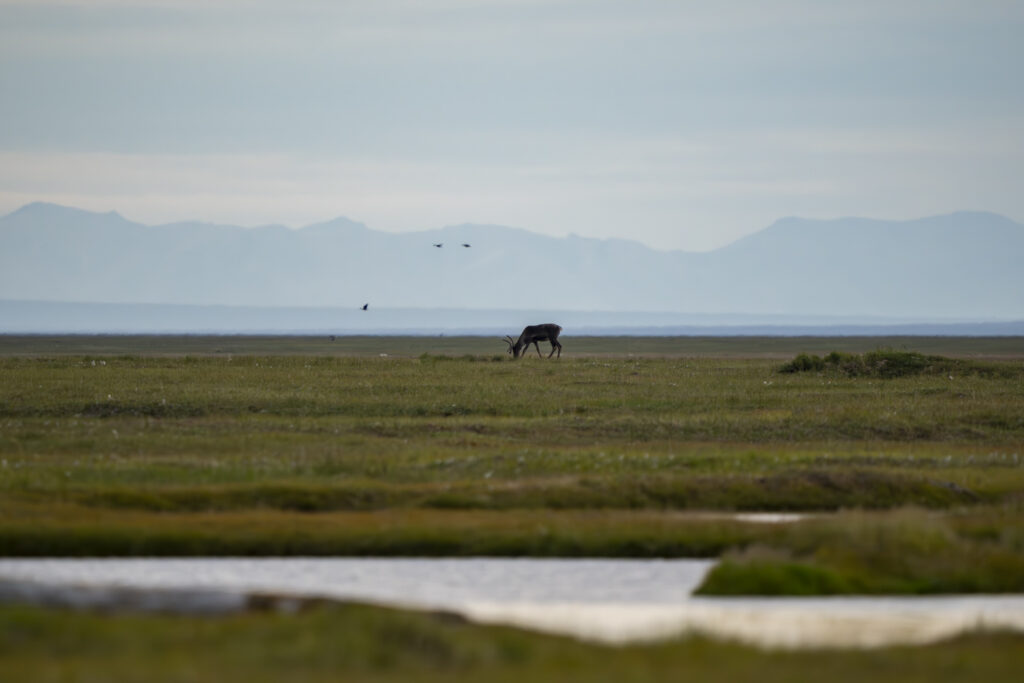
One of the most critical areas within the reserve is the Teshekpuk Lake wetlands. This area serves as the primary calving ground for the Teshekpuk Lake caribou herd and is arguably the most important molting habitat in the Arctic for migratory waterfowl. According to biological surveys, an estimated 5.4 million aquatic birds utilize the NPR-A each season. These birds migrate from six different continents and across the contiguous United States to nest in the tundra.
The Arctic landscape is characterized by its connectivity. Unlike the lower 48 states, where wildlands are often fragmented by roads, fences, and urban development, the Alaskan Arctic remains largely untrammeled. Aside from the Dalton Highway, which connects Fairbanks to the Prudhoe Bay oilfields, there are no major roads cutting through this vast expanse. This lack of fragmentation allows for the natural migration of the Western Arctic Caribou Herd, which numbers nearly half a million animals, and provides the necessary range for apex predators such as grizzly bears and wolves.
Economic Data and Resource Estimates
The push for development in the Western Arctic is driven by significant resource estimates provided by the U.S. Geological Survey (USGS). According to USGS data, the Northern Alaska region may contain nearly half of all undiscovered recoverable oil on federal lands in the entire United States. Specifically, the NPR-A is estimated to hold approximately 900 million barrels of technically recoverable conventional oil.
However, the economics of Arctic drilling are notably different from those in the Permian Basin or other domestic shale plays. Extracting oil from the North Slope is significantly more expensive per barrel due to the extreme climate, the need for specialized infrastructure like ice roads and elevated pipelines, and the vast distances required for transport. Critics of the lease sales argue that Arctic oil development requires substantial public subsidies and that the high cost of production makes it a risky long-term investment, especially as the global energy market shifts toward renewables.
The Willow Oil project, managed by ConocoPhillips, serves as a primary example of the scale of development currently underway. Located within the NPR-A, Willow is estimated to produce approximately 750 million barrels of oil over its lifetime. Proponents argue the project will generate billions of dollars in revenue for the state of Alaska and provide thousands of jobs. Opponents, however, point to the massive carbon footprint of the project and the potential for long-term damage to the permafrost and local wildlife.
The Intersection of Infrastructure and Policy
Current development in the Arctic is not occurring in isolation. Several large-scale projects are converging on the North Slope, creating what conservationists describe as a "web of industrialization." These include:
- The Willow Project: As mentioned, this is a multi-billion dollar development that will include dozens of miles of new roads and pipelines.
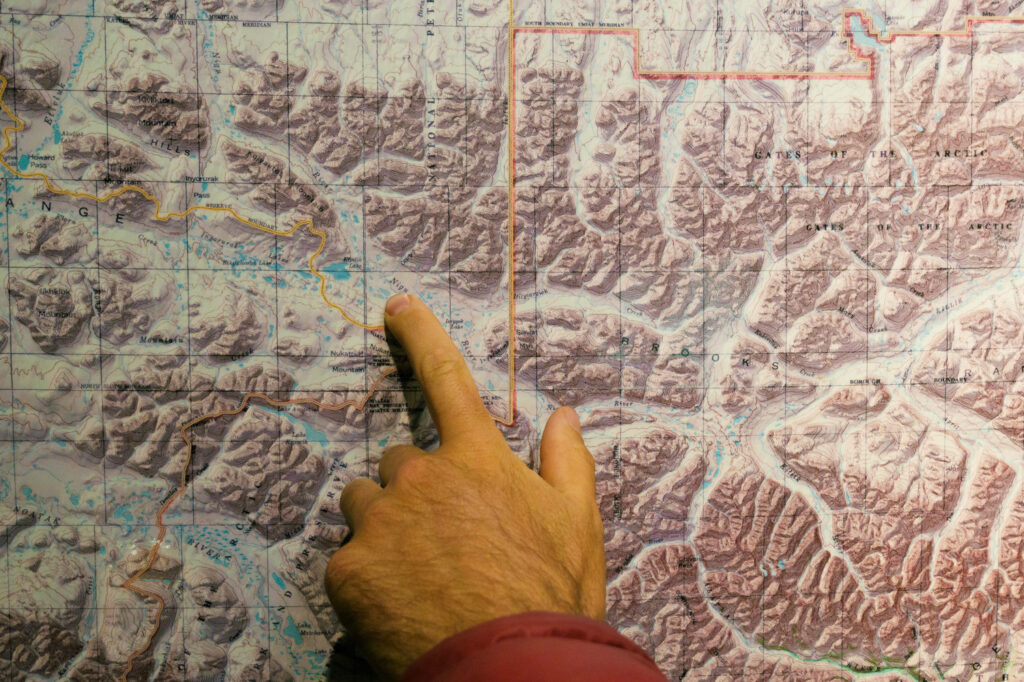
- The Ambler Road: A proposed 211-mile industrial access road that would cut through the Brooks Range to reach the Ambler Mining District. This road would cross both state and federal lands, including portions of the Gates of the Arctic National Preserve.
- ANWR Leasing: Parallel to the NPR-A sales, the federal government has also moved toward leasing portions of the Arctic National Wildlife Refuge (ANWR) coastal plain.
- State Land Sales: The State of Alaska continues to offer oil and gas leases along the existing Dalton Highway corridor to bolster an anemic state budget heavily dependent on petroleum revenue.
These projects are often treated as separate administrative decisions because of the political designations on the map—National Park, National Preserve, Wildlife Refuge, or Petroleum Reserve. However, from an ecological perspective, these lines are invisible. Scientists emphasize that the impact of a road or a drilling pad in one area can ripple across the entire ecosystem, affecting migration routes and water quality far beyond the project’s immediate footprint.
Climate Change and the Arctic Reality
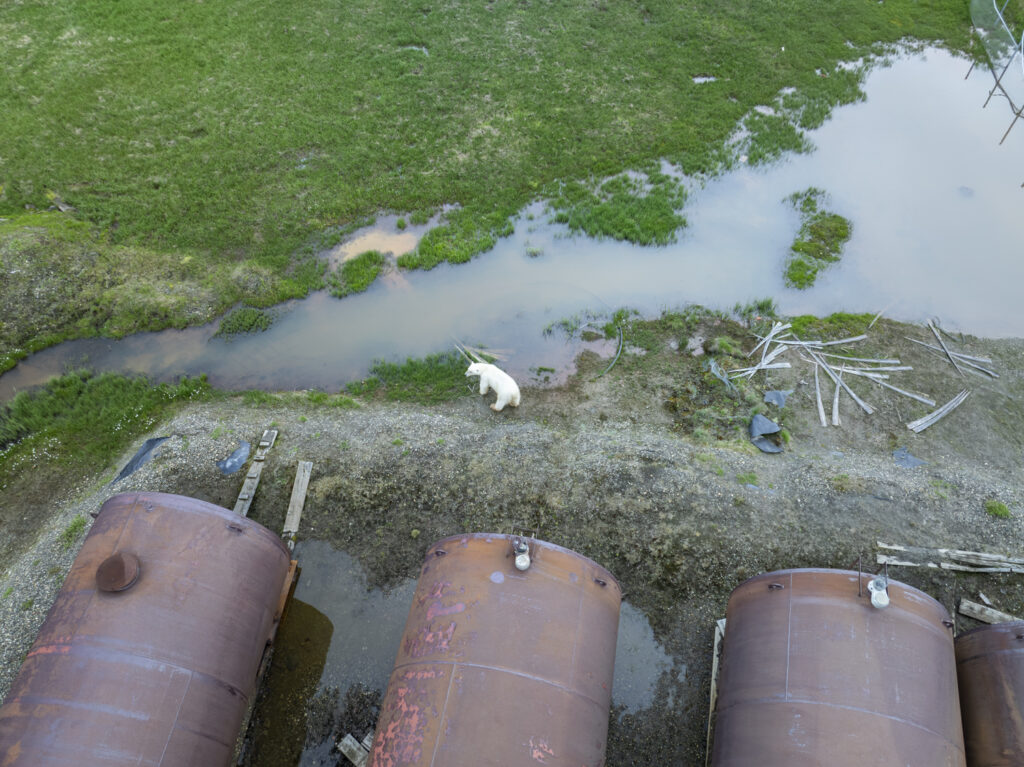
The debate over the NPR-A is further complicated by the fact that the Arctic is warming three to five times faster than the global average. This rapid change is already altering the landscape. Permafrost—the frozen ground that supports the entire Arctic infrastructure—is thawing, leading to "drunken forests" and collapsing terrain. Sea ice is retreating, affecting the hunting grounds of polar bears and the subsistence lifestyles of Indigenous communities.
The decision to expand fossil fuel extraction in a region that is most vulnerable to the effects of carbon emissions is a point of intense scrutiny. Analysis suggests that the long-term capital horizons of oil companies—often spanning 30 years or more—may be at odds with global climate targets. If the world moves toward a net-zero carbon economy by 2050, the massive infrastructure investments being made today in the Western Arctic may become "stranded assets," according to some economic analysts.
Divergent Perspectives and Social Implications
The reaction to the March 18th lease sales has been deeply divided. Alaska’s congressional delegation and state leadership have generally supported the sales, citing the need for energy independence and the economic survival of the state. They argue that the NPR-A was specifically set aside for this purpose and that modern technology allows for "responsible development" with a smaller environmental footprint than in previous decades.
Conversely, environmental advocacy groups and some Alaska Native organizations have expressed grave concerns. For many Indigenous communities, the North Slope is not a "reserve" but a homeland. The caribou and migratory birds that thrive in the NPR-A are essential for subsistence hunting and cultural continuity. These groups argue that the "petroleum reserve" label is a relic of a colonial-era mindset that views the land solely as a source of raw materials for the lower 48 states.
Future Outlook and Policy Implications
As the federal government proceeds with its mandated lease sales, the future of the Western Arctic remains uncertain. While the legal machinery for development is currently in motion, the long-term viability of these projects depends on several factors:
- Political Shifts: Changes in federal administration can lead to significant shifts in how environmental laws are interpreted and how much of the reserve is opened to leasing.
- Financial Markets: As major banks and investment firms face pressure to divest from fossil fuels, the "social license" to operate in the Arctic is becoming more difficult to obtain.
- Legal Challenges: Environmental groups continue to challenge lease sales in court, focusing on the adequacy of environmental impact statements and the government’s failure to account for cumulative climate impacts.
The "sticky name" of the National Petroleum Reserve-Alaska continues to do significant work in the world of policy. It provides the legal justification for industrialization in one of the world’s last great wilderness areas. However, as the global community grapples with the dual crises of biodiversity loss and climate change, the question remains whether a designation made in 1923 should dictate the ecological fate of the Arctic in 2026 and beyond.
The current trajectory suggests a landscape that will increasingly be defined by industrial infrastructure. Yet, the resilience of the Arctic lies in its vastness and its wholeness. Every lease sale, every road segment, and every drilling pad alters the arithmetic of that resilience. As the public and policymakers weigh the benefits of energy production against the value of an intact ecosystem, the Western Arctic stands as a critical juncture for the future of land management in the United States. The land itself has not changed in the century since Harding’s order, but the world around it has, making the choices made today more consequential than ever before.
