

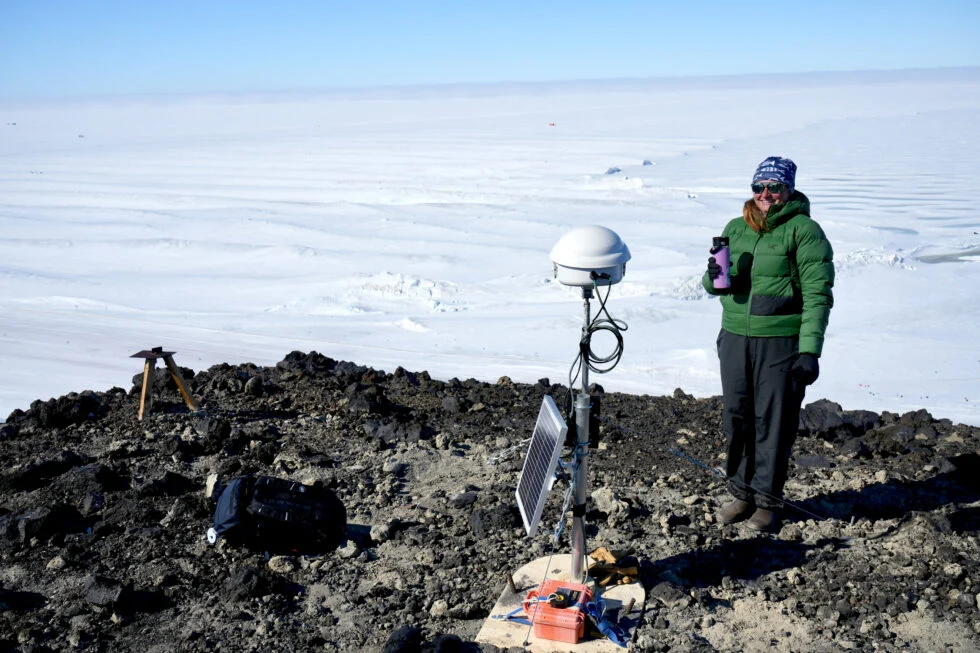
At the southernmost reaches of the planet, the stability of the Antarctic Ice Sheet represents one of the most critical variables in the future of global climate change and coastal preservation. While the continent is often perceived as a static wasteland of frozen water, it is a highly dynamic system where the interaction between ice, ocean, and atmosphere dictates the fate of coastlines thousands of miles away. Dr. Ali Banwell, a Research Scientist at the University of Colorado Boulder and a Professor of Glaciology at Northumbria University, recently concluded a pivotal field season on the McMurdo Ice Shelf. Her research, supported by the National Science Foundation (NSF) and the POW Science Alliance, seeks to answer a fundamental question regarding the structural integrity of Antarctica’s coastal defenses: How much longer can these ice shelves withstand the pressures of a warming world?
The scale of the potential impact is staggering. Glaciologists estimate that if the entire Antarctic Ice Sheet were to melt into the ocean, global sea levels would rise by approximately 190 feet (58 meters). While such a total collapse is not expected in the immediate future, even partial melting or the acceleration of glacial flow could have catastrophic consequences for global infrastructure. To prevent this, Antarctica relies on its ice shelves—vast, floating platforms of ice that extend from the land-based glaciers into the Southern Ocean. These shelves ring approximately 75% of the Antarctic coastline, serving as a "buttress" or a physical barrier that slows the movement of land ice into the sea. Without this resistance, the interior glaciers would flow significantly faster, rapidly increasing the rate of sea-level rise.
The Mechanics of Ice Shelf Buttressing and the Mystery of Rumples
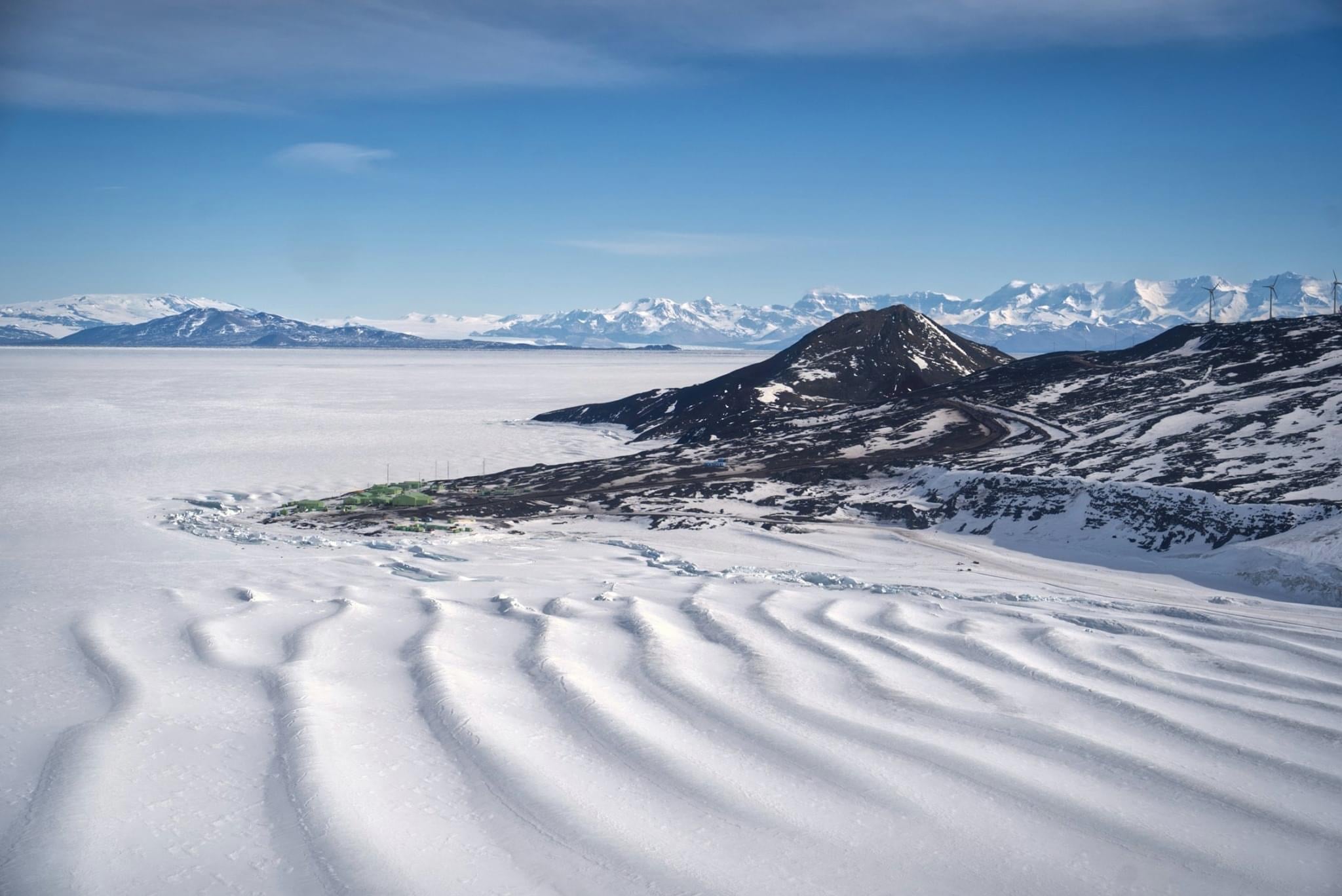
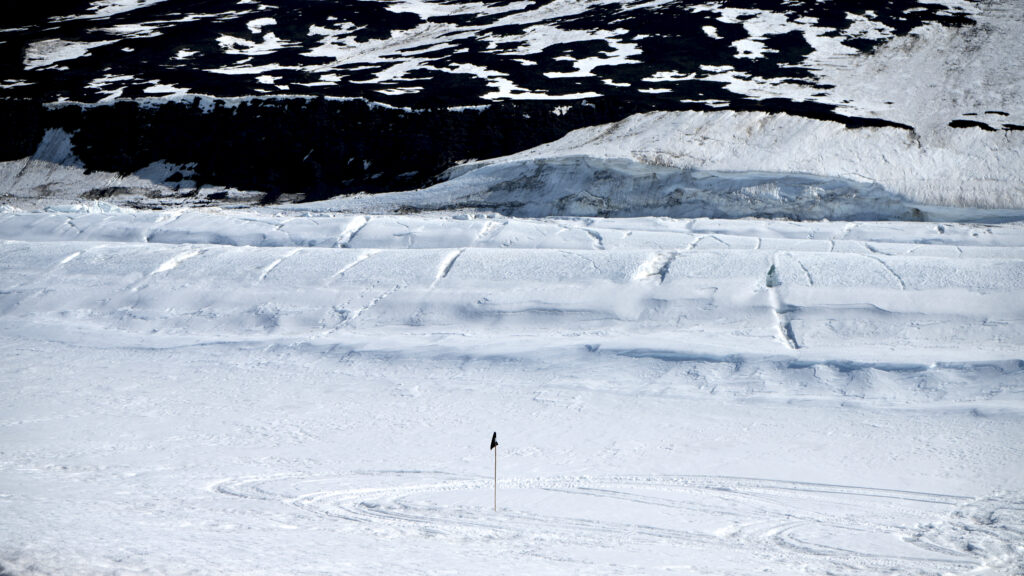
The focus of Dr. Banwell’s research is the McMurdo Ice Shelf, a region near the United States’ McMurdo Research Station on Ross Island. Unlike typical ice shelves that flow outward toward the open ocean, portions of the McMurdo Ice Shelf are being compressed as they are pushed into landmasses. This unique geological interaction creates features known as "ice shelf rumples." These are wave-like ridges and elevations that form when the ice surface buckles under intense pressure.
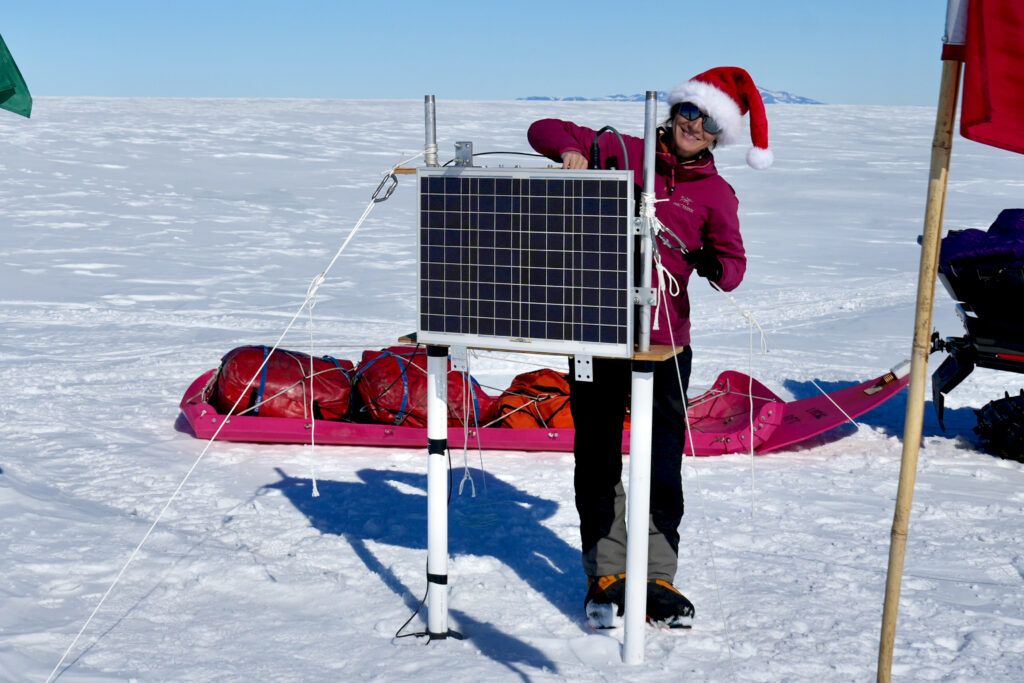
The central scientific inquiry of this mission is to determine whether these rumples act as stabilizing anchors that help hold the ice shelf together or if they represent structural weak points where the ice is more likely to fracture and collapse. Understanding the internal deformation of these rumples is essential for refining climate models. If these features provide significant resistance, they are a vital part of the continent’s defense system. However, if the "crumpling" of the ice leads to deep fractures, it may signal that the shelf is nearing a breaking point.
Chronology of the Field Expedition: Six Weeks on the Ice
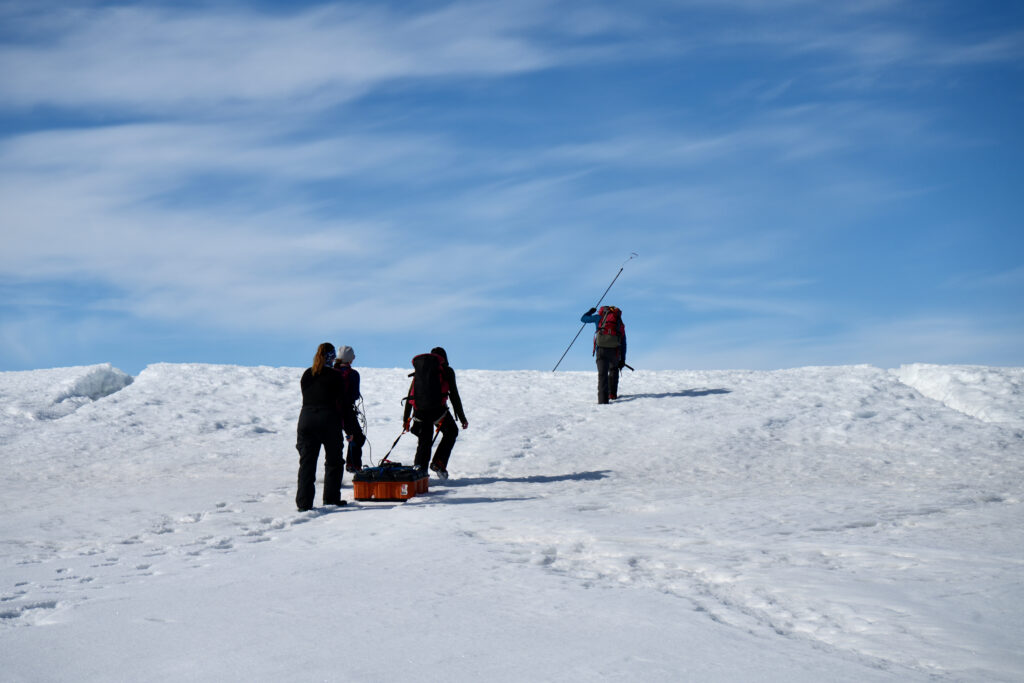
The 2023-2024 field season involved a rigorous six-week deployment. Dr. Banwell led a specialized four-person team, including Co-Principal Investigator Ryan Cassotto (University of Colorado Boulder/University of Maine) and PhD students Allie Berry (University of Maine) and Michela Savignano (University of Colorado Boulder). The team operated out of McMurdo Station, traveling daily by snowmobile across the desolate and treacherous terrain of the ice shelf.
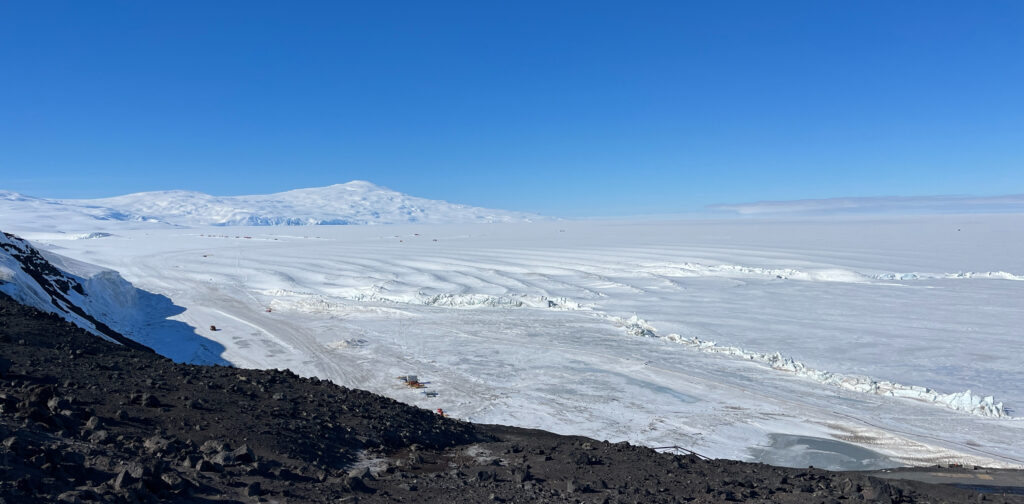
The expedition was defined by long hours of manual labor in a "perpetual summer" where the sun never sets, creating an otherworldly environment for high-stakes data collection. The timeline of the mission was dictated by the brief window of the Antarctic summer, during which temperatures—though still frigid—allow for the installation of sensitive electronic equipment before the onset of the brutal, dark winter.
Throughout the six weeks, the team navigated a landscape increasingly defined by crevasses and shifting ice. The daily routine involved the transport and calibration of a sophisticated network of instruments designed to "listen" to the ice. The project was not merely a study of the surface, but a deep dive into the internal physics of the shelf, requiring the team to drill and plant sensors deep within the frozen mass.
Scientific Methodology: A Multi-Sensor Network
To capture a holistic view of ice shelf health, Dr. Banwell’s team deployed a diverse array of technological tools. Each instrument provides a different piece of the puzzle regarding how the ice reacts to environmental stress:
- Seismometers: These devices detect "icequakes" or the vibrations caused by internal cracking. By monitoring seismic activity, scientists can identify where the ice is under the most tension and how fractures propagate through the shelf.
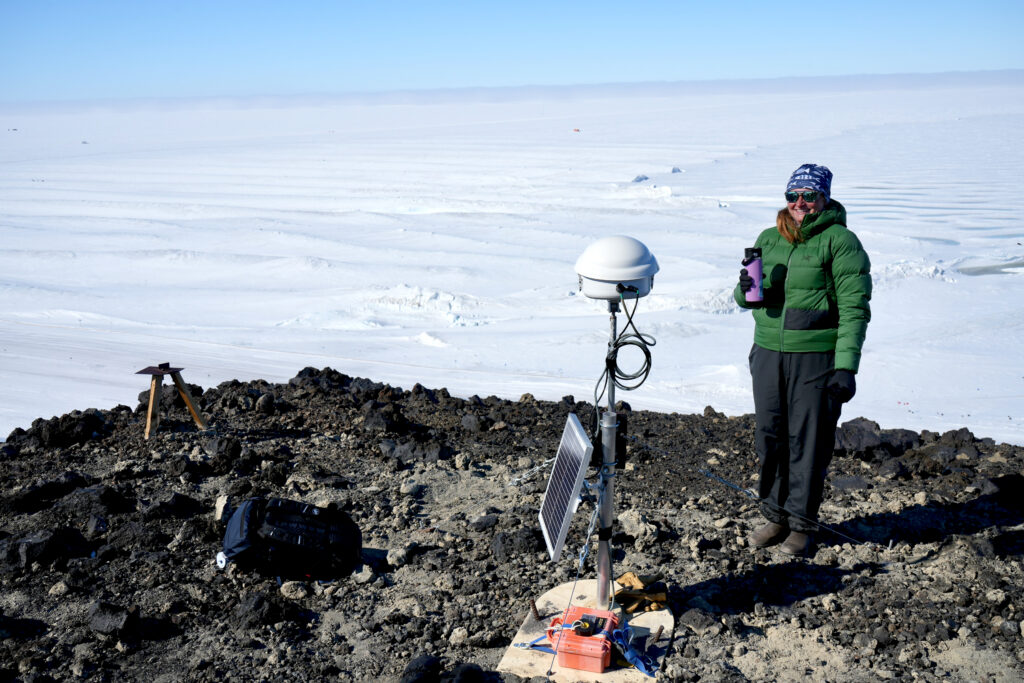
- High-Precision GPS: These units are accurate to within centimeters. They track the horizontal and vertical movement of the ice in real-time, allowing the team to measure exactly how fast the shelf is flowing and how it deforms as it encounters land.
- Radar Systems: Ground-penetrating radar allows the team to look through the ice to measure its thickness and identify internal layers of deformation. This is crucial for understanding how the rumples are structured beneath the surface.
- Weather Stations and Automated Cameras: These provide the environmental context for the physical changes in the ice. The cameras, programmed to take photos every 30 minutes, offer a continuous visual record of surface melt and fracture development, even when no humans are present.
While the human team has returned from the ice, these instruments remain in place. They are currently operating autonomously through the Antarctic winter, recording data in temperatures that can drop below -50 degrees Fahrenheit. The team will return in the following field season to retrieve the hardware and download the months of accumulated data.
Environmental Anomalies and Early Observations
Initial observations from the field season have already raised concerns within the glaciological community. Dr. Banwell noted that the ice shelf is moving faster than previously anticipated, with some sections advancing between one and two feet per day. While this may seem slow by human standards, in the context of geological stability, it indicates a highly dynamic and potentially volatile system.
Furthermore, the team experienced the warmest of the seven summers Dr. Banwell has spent in Antarctica. This record-breaking warmth led to an earlier-than-usual snowmelt, which stripped away the "firn" (the layer of compacted snow that insulates the ice) and exposed a heavily fractured surface. The team encountered a significantly higher number of crevasses than in previous years, a physical manifestation of the stress the ice shelf is under. This increased fracturing is a direct consequence of rising atmospheric temperatures and serves as a sobering indicator of the shelf’s vulnerability.
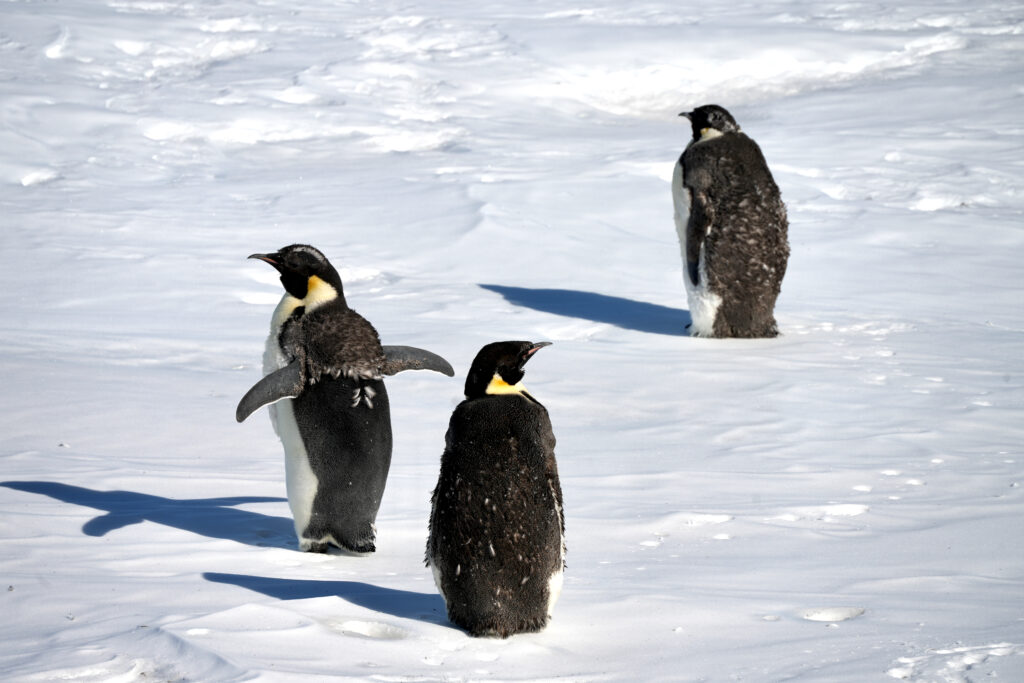
The expedition also observed biological shifts. Three emperor penguins, undergoing their annual molt, remained near the field site for the duration of the mission. While a charismatic presence, the presence of wildlife in areas undergoing rapid physical change highlights the interconnectedness of the Antarctic ecosystem. As the ice changes, the habitats of these iconic species are directly impacted.
Broader Implications: The Global Sea Level Crisis
The research conducted by Dr. Banwell and her colleagues is not merely an academic exercise; it is a vital component of global risk assessment. Current scientific projections suggest a global sea-level rise of one to three feet by the end of the 21st century. While this may appear manageable, a three-foot rise would be enough to displace tens of millions of people, submerge critical infrastructure in cities like New York, Miami, and Shanghai, and contaminate freshwater aquifers with saltwater.
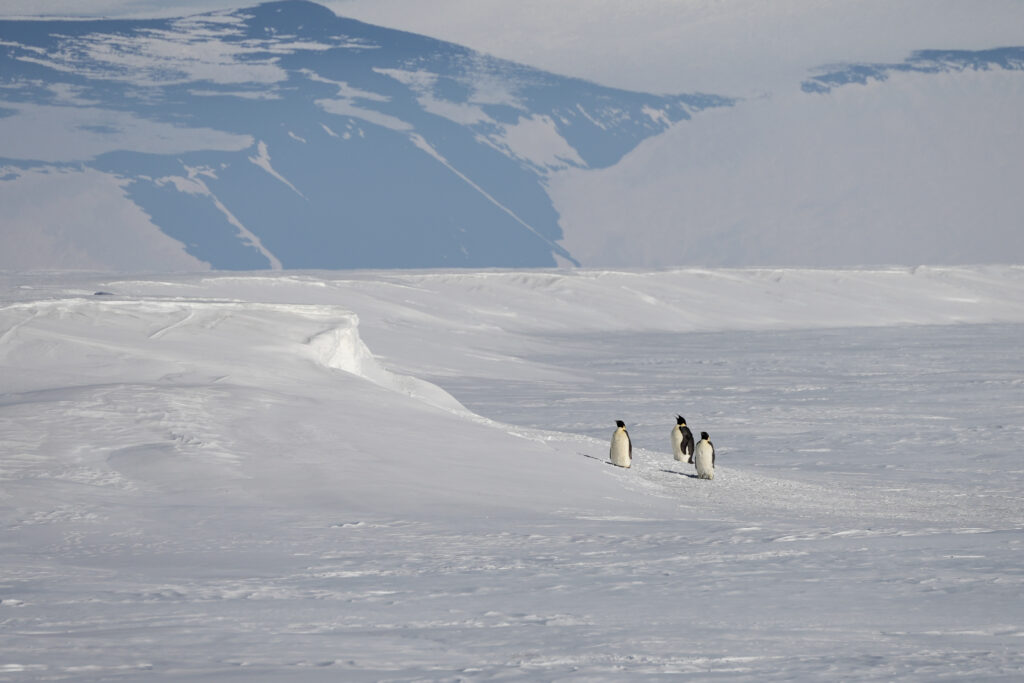
The stability of the McMurdo Ice Shelf is a microcosm of the larger Antarctic continent. The "buttressing" effect is the only thing standing between the massive inland ice sheets and the open ocean. If shelves like McMurdo or the larger Ross Ice Shelf were to fail, the resulting "uncorking" of the glaciers would lead to an exponential increase in the rate of sea-level rise, potentially exceeding current worst-case scenarios.
Analysis of Future Challenges
The data retrieved by the team next season will be cross-referenced with satellite observations from NASA and the European Space Agency to create a high-resolution model of Antarctic ice behavior. This research is critical because current climate models often struggle to predict the exact timing of ice shelf collapses. Events like the sudden disintegration of the Larsen B Ice Shelf in 2002 demonstrated that these structures can fail far more rapidly than previously thought once they reach a certain threshold of thinning and fracturing.
As global greenhouse gas emissions continue to influence polar temperatures, the "warmest summer" observed by Dr. Banwell may soon become the new average. The increased fracturing and velocity of the ice suggest that the Antarctic "line of defense" is thinning. The work of glaciologists on the ground provides the ground-truth data necessary for policymakers to understand the urgency of climate mitigation.
The 2023-2024 McMurdo expedition underscores a fundamental truth of climate science: the most remote regions of the Earth are often the most influential regarding the future of human civilization. One to two feet of ice movement per day in Antarctica translates to a measurable threat to coastal stability worldwide. The ongoing efforts of Dr. Banwell, Michela Savignano, Allie Berry, and Ryan Cassotto represent a race against time to understand the breaking point of the world’s largest reservoir of ice. When they return to the ice next year, the data they retrieve will provide the clearest picture yet of whether Antarctica’s last line of defense will hold, or if the world must prepare for a more rapid rise in the tides.
