

The snowsports industry, a cornerstone of winter tourism and recreation, faces an evolving landscape in its workforce, particularly concerning the recruitment and retention of skilled instructors. As detailed in a recent feature from 32 Degrees, the challenges are significant, ranging from geographical isolation to the pervasive issue of affordable housing, yet innovative strategies are emerging to cultivate a robust and committed teaching corps. This dynamic environment necessitates a deep dive into the demographic shifts, economic realities, and pioneering human resource approaches that define the contemporary snowsports school.
Demographic Evolution and the Appeal of a New Calling
Traditionally, snowsports instruction might have been perceived as a pursuit for younger, transient individuals seeking a seasonal adventure. However, a noticeable demographic shift is underway. The feature highlights a group of new hires at Ski Santa Fe, predominantly in the 50-plus age range, transitioning from diverse professional backgrounds in science, sports, and media. This influx of experienced professionals, often early retirees or those seeking a meaningful "second act," represents a powerful new segment for the industry.
For many, like Sylvia, a PhD who took early retirement to pursue her dream of being a ski instructor, this career change is driven by passion and a desire for an active, community-oriented lifestyle. These individuals bring a wealth of life experience, pedagogical skills, and a strong work ethic to the slopes, enriching the learning experience for guests. Their motivation often transcends purely financial considerations, focusing instead on personal fulfillment, the joy of the sport, and the satisfaction of teaching. This demographic shift aligns with broader societal trends of longer, more active retirements and a desire for purpose-driven work, even if seasonal. Data from the National Ski Areas Association (NSAA) often points to the critical role of experienced staff in maintaining guest satisfaction, underscoring the value of these seasoned recruits.
The Foundational Role of Professional Development and Certification
Central to attracting and retaining high-caliber instructors, regardless of age, is a clear pathway for professional development and certification. The Professional Ski Instructors of America and American Association of Snowboard Instructors (PSIA-AASI) plays a pivotal role in this ecosystem, providing standardized training, assessment, and certification across the United States. For new instructors, the pursuit of Level I certification, as observed at Ski Santa Fe, is not merely a bureaucratic step but a transformative journey.
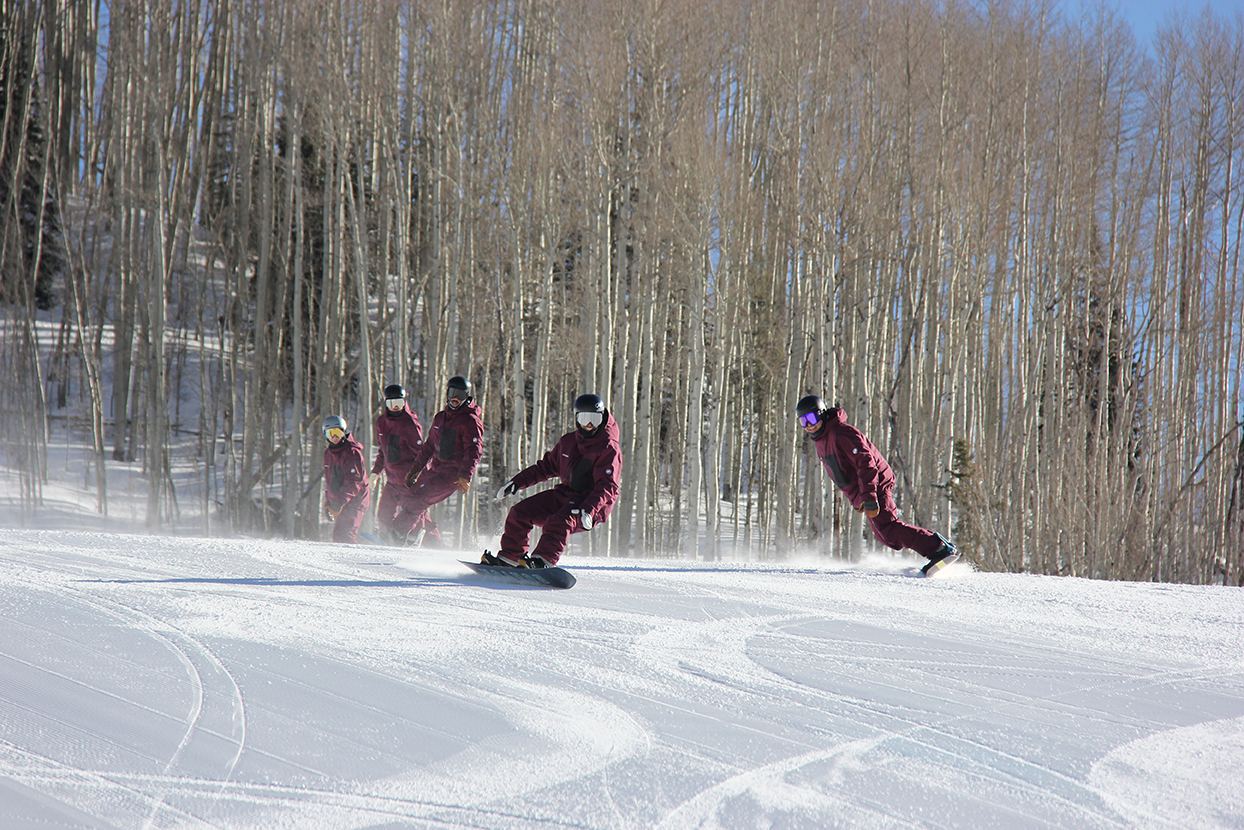
Clinics led by seasoned trainers and examiners like Jimbo Lyman, a Telluride-based PSIA-AASI expert, are instrumental. These sessions elevate technical skills, refine movement analysis, and deepen understanding of alpine biomechanics. Beyond the practical application, the collective goal of certification fosters camaraderie and a shared sense of purpose among new hires. This structured learning environment not only enhances individual instructor competence but also elevates the overall quality of instruction offered by the snowsports school, directly impacting guest safety and learning outcomes. The commitment to continuous learning, often extending to higher levels of certification, acts as a significant motivator, turning a seasonal job into a genuine career path for many.
The Economic Undercurrents: Challenges of Seasonal Employment
Despite the allure of the mountains and the passion for snowsports, the practical realities of seasonal employment present considerable challenges. One of the most critical is the scarcity and prohibitive cost of housing in resort towns. Ski Santa Fe, located just 16 miles from the culturally rich "City Different," illustrates this predicament perfectly. While it benefits from ready access to a workforce from the nearby urban center, the lack of on-hill accommodations means the community disperses quickly at day’s end, impacting the potential for organic, off-duty bonding.
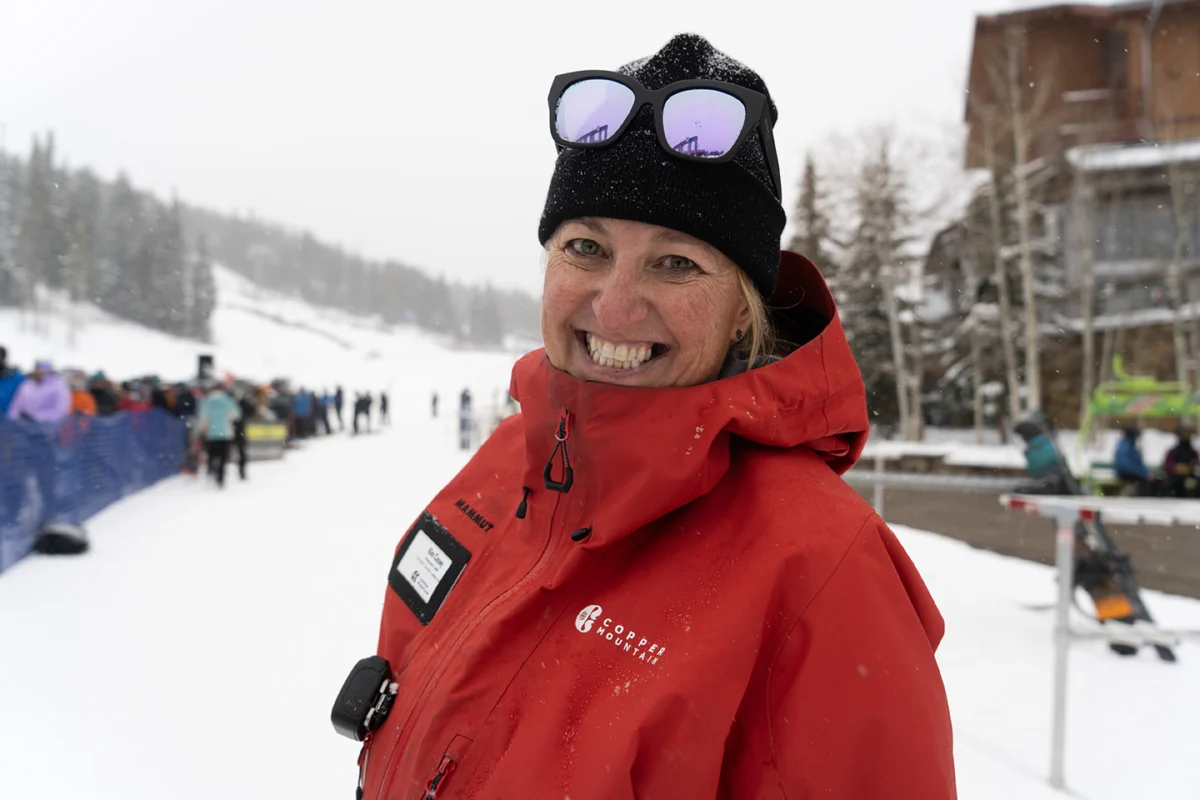
This housing crisis is amplified in major Colorado resorts like Copper Mountain. Tony Macri, AASI Snowboard Team Development Coach and trainer at Copper, emphasizes that securing affordable accommodation is a "game-changer" for new instructors. Mountain towns, with their limited land, high demand from second-home owners, and robust tourism, often price out seasonal workers. This issue is not unique to the ski industry but is a pervasive problem for seasonal workforces across various sectors, from national parks to agricultural hubs. The economic implications are stark: without stable and affordable housing, even the most passionate instructors may be forced to seek employment elsewhere, leading to high turnover and increased recruitment costs for resorts.
Innovative Solutions: Building Community and Providing Support
Recognizing these challenges, leading snowsports schools are implementing innovative strategies to foster a sense of community and provide essential support, thereby boosting recruitment and retention rates.
1. Strategic Housing Initiatives: Copper Mountain stands out for its proactive approach to lodging. Kim Casey, Director of Mountain Sports at Copper, details efforts to actively assist employees in their housing search. This includes securing larger, more affordable homes where multiple instructors can reside together, and allocating spots in employee mountain lodging. Such initiatives directly address the primary barrier to entry and retention for many seasonal workers, transforming a potential deterrent into a compelling incentive. This mirrors broader industry best practices in other seasonal sectors where employer-provided or subsidized housing is recognized as a crucial component of workforce stability.
2. Cultivating a Robust Culture and Camaraderie: The importance of a strong, inclusive culture cannot be overstated. At Ski Santa Fe, Saturday and Sunday morning clinics, a cozy locker room, and daily morning meetings that often conclude with a joke, collectively foster a genuine sense of camaraderie. These informal touchpoints, beyond formal training, build personal connections and a feeling of belonging.
Keith Rodney, a PSIA Telemark Team member, highlights his home mountain of Mount Snow, Vermont, as an exemplar of strong culture. Here, an impressive 70 percent of staff maintain connections year-round, making significant commutes to the mountain. Rodney likens this environment to "walking into the house for Thanksgiving and recognizing everybody," emphasizing the profound sense of family and belonging. This cultural strength acts as a powerful adhesive, transcending geographical distances and the seasonal nature of the work. It taps into fundamental human needs for connection and social support, which can be as motivating as financial compensation.
3. Year-Round Engagement and Professional Pathways: Retention is not merely about surviving the winter season; it’s about building long-term relationships. Copper Mountain’s Kim Casey emphasizes a robust training schedule, year-round communication, and off-season "meet-ups" as critical retention tools. These efforts resulted in an 87 percent return rate for the school, a remarkable figure in a typically high-turnover industry.
Tony Macri further elaborates on how instructors not only pursue certifications but also forge "training families" or small groups with shared goals. This peer-to-peer support and mentorship create a strong internal network. Seeing first-year instructors return year after year, eventually taking on leadership roles as supervisors or trainers, is the ultimate testament to a successful retention strategy. It demonstrates a clear career progression, transforming a seasonal job into a viable and rewarding career path within the snowsports industry. This investment in human capital not only retains talent but also cultivates a pool of experienced leaders who can mentor future generations of instructors.
Broader Impact and Implications for the Snowsports Industry
The strategies employed by resorts like Ski Santa Fe, Copper Mountain, and Mount Snow have far-reaching implications for the entire snowsports industry.
1. Enhanced Guest Experience: A stable, experienced, and highly trained instructor workforce directly translates to a superior guest experience. Confident, skilled, and passionate instructors can more effectively teach, inspire, and foster a love for snowsports, leading to higher guest satisfaction, repeat visits, and positive word-of-mouth recommendations. This is crucial for attracting new participants to a sport that can often seem daunting to beginners.
2. Industry Sustainability and Growth: High instructor turnover incurs significant costs in recruitment, onboarding, and training. By investing in retention, resorts can allocate resources more efficiently. More importantly, a thriving snowsports school is a gateway to the sport, cultivating new enthusiasts who will become future lift ticket purchasers, equipment buyers, and lifelong participants. This contributes directly to the long-term sustainability and growth of the entire industry, from gear manufacturers to hospitality providers in mountain communities.
3. Economic Contribution to Local Communities: A stable workforce, even if seasonal, contributes significantly to local economies. Instructors, particularly those who establish roots or maintain year-round connections, support local businesses, pay taxes, and become integral parts of the community fabric. Resort efforts to provide housing or foster community connections can mitigate the transient nature of seasonal employment, creating more stable and vibrant mountain towns.
4. Addressing Labor Market Challenges: The snowsports industry is a microcosm of broader labor market challenges facing seasonal and service industries globally. The successful strategies implemented by these resorts offer valuable insights for other sectors grappling with similar issues, particularly in attracting and retaining an increasingly diverse workforce with varied motivations and needs. The blending of professional development, community building, and practical support creates a holistic model for workforce management.
Conclusion
The snowsports instructor role is evolving, attracting a new wave of passionate individuals often seeking purpose and community in their post-career lives. While the industry grapples with persistent challenges like affordable housing and the inherent seasonality of the work, leading resorts are demonstrating that strategic investment in professional development, robust cultural initiatives, and tangible employee support can yield exceptional results in recruitment and retention. By fostering a sense of belonging, providing clear career pathways, and addressing fundamental needs, snowsports schools are not just retaining staff; they are building enduring communities that are vital to the health, growth, and future of winter sports. The anecdotes from Ski Santa Fe and the data-backed successes of Copper Mountain and Mount Snow collectively paint a picture of an industry adapting proactively, recognizing that its greatest asset is the dedicated individuals who share their love for the slopes.
