

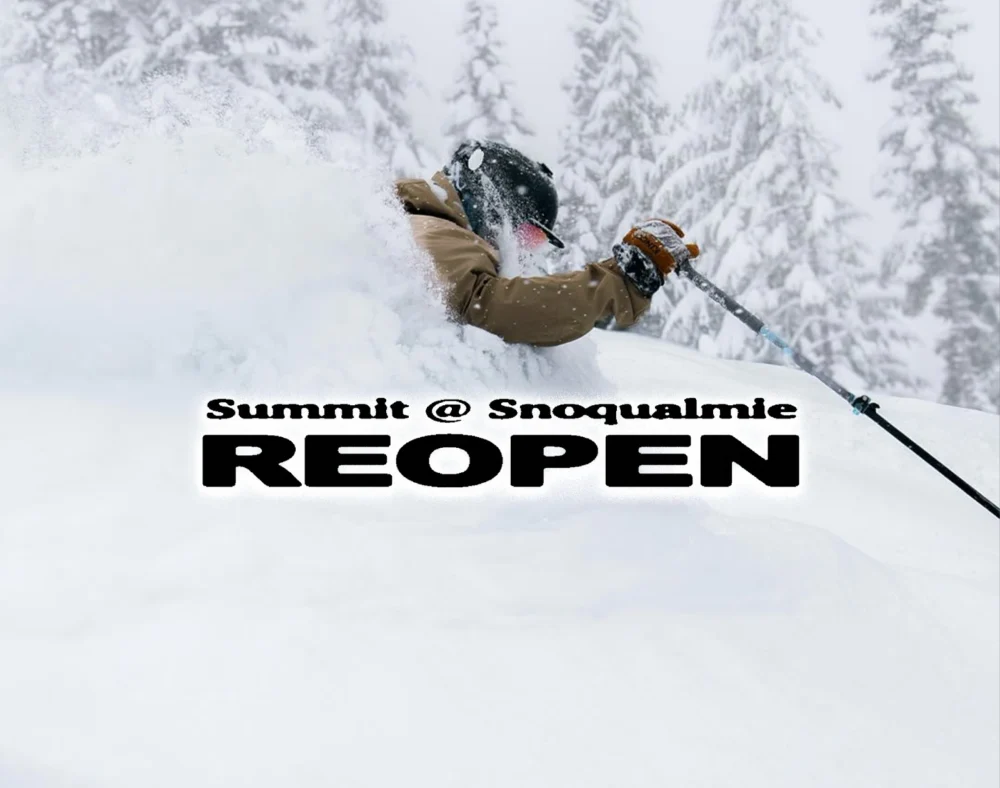
The Summit at Snoqualmie is set to partially reopen Summit Central on Friday, March 14, at approximately 10:30 a.m., operating with limited services powered by backup generators. This comes after a powerful winter storm wreaked havoc across Snoqualmie Pass, causing widespread power outages and significant travel disruptions, including the closure of Interstate 90. The decision to resume even limited operations underscores the resort’s commitment to providing access for eager skiers and snowboarders while prioritizing safety and managing the lingering effects of the severe weather event. However, full recovery remains contingent on the restoration of grid power and the reopening of crucial transportation routes, casting a shadow of uncertainty over weekend operations, particularly for Saturday, March 15.
The Genesis of the Storm: A Region Under Siege
The severe weather system that prompted the widespread closures and outages began impacting the Pacific Northwest on Wednesday, March 12, intensifying significantly by Thursday, March 13. Characterized by an potent mix of heavy, wet snow and exceptionally high winds, the storm rapidly transformed the Snoqualmie Pass area into a hazardous zone. Meteorological data from the region paints a vivid picture of the storm’s ferocity. Wind gusts near the summit of Denny Mountain, a prominent peak within the Snoqualmie Pass area, were recorded at an astonishing 134 miles per hour. Even at the pass level, gusts reached approximately 73 mph, creating blizzard-like conditions and posing extreme risks to infrastructure and human safety. Such wind speeds are capable of felling trees, damaging power lines, and creating whiteout conditions, making travel and outdoor activities perilous.
In addition to the destructive winds, the storm delivered a substantial amount of fresh snow. The Summit at Snoqualmie reported an impressive 20 inches of new snow at Summit West within a 24-hour period leading up to Friday morning. This significant accumulation, while a boon for winter sports enthusiasts, also contributed to the challenges faced by emergency crews and resort staff. The region remained under a Winter Storm Warning through early Saturday, indicating the potential for further snowfall and continued hazardous conditions, thereby prolonging the recovery efforts.
Thursday’s Closure: Prioritizing Safety
Given the escalating dangers posed by the storm, The Summit at Snoqualmie made the difficult but necessary decision to close all operations on Thursday, March 13. This proactive measure was taken in response to the widespread power outages that rendered lifts inoperable and the hazardous conditions on the mountain, which included reduced visibility, extreme winds, and the risk of falling debris or trees. The safety of guests and staff is always the paramount concern for mountain resorts, and the severity of the storm left no alternative but a full closure. The decision also aligned with the broader regional response, as state transportation authorities moved to close major arteries like Interstate 90.
Friday’s Cautious Reopening: A Glimmer of Hope
For Friday, March 14, The Summit at Snoqualmie outlined a plan for a partial reopening of Summit Central. Lifts, including Central Express, Triple 60, and Holiday, were scheduled to begin running around 10:30 a.m., utilizing backup power systems. This limited operation signifies a cautious step towards normalcy, allowing some access to the mountain for those able to reach the resort. Operating on backup power, however, comes with inherent limitations. Such systems are designed to provide essential services and are not typically capable of powering the entire resort infrastructure, which includes numerous lifts, lodges, and other facilities. This explains why only a select number of lifts are slated for operation, focusing on providing access to core terrain while conserving resources.

The resort’s other areas, Summit West and Alpental, are to remain closed on Friday. Summit West’s closure is likely due to its own power status, terrain accessibility, and potentially the sheer volume of snow that needs to be managed for safe operation. Alpental, known for its challenging terrain and often more exposed location, will stay on hold until grid power is fully restored. The intricate nature of its lifts and the steep, rugged environment it serves necessitate robust power supply and optimal conditions for safe operation. Night skiing on Friday also remains uncertain, directly dependent on whether grid electricity returns later in the day, as backup generators are typically not sufficient for extended evening operations.
The Battle for Power: Puget Sound Energy’s Efforts
The widespread power outages were a defining characteristic of the storm’s impact. Puget Sound Energy (PSE), the primary utility provider for the Snoqualmie Pass area, has been working tirelessly to restore electricity to affected customers. As of Friday morning, approximately 1,300 customers in the vicinity of Snoqualmie Pass were still without power. This number reflects a significant reduction from the initial peak of outages across the broader Puget Sound region, but it underscores the persistent challenges of restoring service in a mountainous, snow-covered environment. PSE crews face numerous obstacles, including downed trees, damaged power lines, difficult access to remote areas, and ongoing hazardous weather conditions. The complexity of repairing infrastructure in deep snow and high winds often requires specialized equipment and extensive manual labor, slowing down the restoration process considerably. The duration of these outages highlights the vulnerability of utility infrastructure to severe weather events and the critical role power plays in the functionality of modern resorts and communities.
Interstate 90: A Crucial Lifeline Severed
Adding to the operational challenges for the resort and the inconvenience for potential visitors was the extended closure of Interstate 90 over Snoqualmie Pass. The Washington State Department of Transportation (WSDOT) announced that I-90 was expected to remain closed for much of Friday due to storm conditions. I-90 is a vital east-west transportation corridor, serving not only as the primary access route to The Summit at Snoqualmie but also as a critical link for freight and passenger travel across the Cascade Mountains. Its closure has far-reaching implications, impacting supply chains, delaying commuters, and preventing many skiers and snowboarders from reaching the resort even if lifts are running. WSDOT’s decision to close the pass is always made with public safety as the top priority, considering factors such as snow depth, avalanche risk, visibility, and the ability of maintenance crews to keep the road clear. The combination of heavy snowfall, high winds, and the potential for avalanche activity rendered the highway impassable and unsafe for travel. The economic ramifications of such a prolonged closure for local businesses reliant on pass traffic can be substantial.
Navigating the Weekend: Uncertainty Looms for Saturday Operations
The outlook for Saturday, March 15, remains highly uncertain, with resort officials explicitly stating that operations will hinge on two critical factors: road access and the full restoration of grid power. This nuanced situation presents a complex scenario for both the resort and its potential guests.
If grid power is fully restored and I-90 reopens, The Summit at Snoqualmie plans to operate all its major areas as scheduled, including Summit West, Summit Central, Alpental, and the Tubing Park. This would signify a return to full weekend capacity, allowing the resort to accommodate the typical influx of visitors.
However, if power is not restored, operations would be severely limited, likely confined to Central Express, Holiday, and Gallery lifts at Summit Central, similar to Friday’s plan. Resort officials have candidly warned that such a limited lift setup would not provide sufficient capacity to meet typical weekend demand. This could lead to "extreme congestion and long lift lines," significantly diminishing the guest experience. The inability to spread skiers across the entire mountain, coupled with the high volume of weekend visitors, would inevitably concentrate crowds on the few operating lifts, creating frustrating bottlenecks.

Furthermore, officials have cautioned visitors to anticipate "delayed openings Saturday," with potentially "significant delays at Alpental." Alpental, with its unique terrain and often challenging access, is particularly susceptible to delays related to snow removal, power issues, and ensuring avalanche safety in its more rugged environment. The resort’s proactive communication on these potential issues is crucial for managing guest expectations and avoiding dissatisfaction.
Given this uncertainty, The Summit at Snoqualmie has strongly advised visitors to check for real-time updates on Saturday morning before finalizing any travel plans. This recommendation is paramount, as conditions can change rapidly in a mountain environment, and the status of power and road access can shift with little notice. Relying on official resort channels for the latest information is essential for a safe and enjoyable experience.
Guest Considerations and Financial Policies
For guests who had purchased lift tickets for Thursday, March 13, the resort has confirmed a policy of automatic in-store credit. Unused tickets from the closure day will be converted into credit within three to five business days, providing a fair resolution for those whose plans were disrupted by the storm. This policy aims to mitigate financial inconvenience for affected patrons and maintain customer goodwill.
The broader implications for other resort services, such as ski lessons, equipment rentals, and dining establishments, would also be affected by the operational status. Limited lift access might mean reduced demand for lessons or a restricted selection of open dining venues, further impacting the overall resort experience.
A Broader Perspective: Resilience in the Face of Nature’s Power
The events at Snoqualmie Pass highlight the inherent challenges of operating a major ski resort in a dynamic mountain environment. The interplay between powerful natural phenomena, critical infrastructure, and human activity creates a complex ecosystem that requires constant vigilance, robust contingency planning, and effective communication. The rapid onset of severe weather, the fragility of power grids, and the logistical complexities of maintaining open transportation routes all contribute to a delicate balance that can be easily disrupted.
The resilience of the Summit at Snoqualmie, Puget Sound Energy, and WSDOT crews in responding to this powerful storm underscores the dedication of these organizations to public service and safety. While the storm brought significant disruption, it also showcased the intricate coordination required to recover from such events. As climate patterns continue to evolve, with some regions experiencing more frequent or intense weather events, the lessons learned from incidents like this become increasingly valuable for future preparedness and adaptation strategies.
In conclusion, The Summit at Snoqualmie is navigating a challenging recovery period following a powerful winter storm. While a partial reopening of Summit Central on backup power offers a limited return to skiing on Friday, the full restoration of operations, particularly for the critical weekend period, hinges on the swift resolution of power outages and the reopening of Interstate 90. Guests are urged to exercise caution, monitor official updates closely, and understand that safety and operational integrity remain the resort’s top priorities as they work towards a full return to normalcy.
