

Published November 12, 2026 05:00 AM
Catie Evans, an experienced backcountry skier, found herself battling intense pain and blurred vision during a multi-day expedition along Colorado’s Continental Divide. What began as a nagging discomfort evolved into a debilitating condition, forcing her to ski down a formidable peak with one eye covered. Her ordeal, which she suspects stemmed from prolonged exposure to intense ultraviolet (UV) radiation, highlights a critical, often overlooked, aspect of winter sports safety: comprehensive eye protection at high altitudes.
The incident occurred during a demanding trip where Evans logged consecutive 12-hour days, relying on her glacier glasses for protection. As she ascended the iconic 14,267-foot Torrey’s Peak, aiming for the challenging Dead Dog Couloir, a searing sensation akin to having sand in her eyes overwhelmed her. "I started to feel like somebody had thrown sand in my eyes," Evans recounted. The discomfort escalated, causing her eyes to water uncontrollably. Her vision deteriorated to the point where she had to ski down the mountain with one eye shielded, relying on her companions for guidance, a stark illustration of the sudden and severe impact of unprotected ocular exposure.
Following the harrowing descent, Evans meticulously reviewed her gear and habits, questioning whether her glacier glasses might have been damaged without her noticing, if a product recall had been missed, or if she had inadvertently removed them more often than she remembered, accumulating dangerous levels of UV exposure over the course of her trip. While the precise cause remains uncertain, her experience is far from unique. Snow blindness, medically known as photokeratitis, is a common ailment among skiers and snowboarders, underscoring the paramount importance of robust eye protection in alpine environments. Discussions surrounding ski goggles often focus on aesthetics, fit, and visual enhancement features like contrast and lens tint. However, the fundamental purpose of these essential pieces of equipment—shielding the eyes from harmful UV radiation—deserves greater attention. To address this critical concern, we consulted with leading ophthalmologists to delve into the science and safety protocols surrounding eye protection on the slopes.
The Pervasive Threat of UV Radiation at Altitude
While the damaging effects of the sun are typically associated with summer months and warmer climates, skiers and snowboarders are constantly subjected to a potent, dual-pronged assault of UV radiation. This phenomenon is exacerbated by the increased intensity of solar radiation at higher elevations, coupled with the highly reflective nature of snow, which can bounce up to 80% of UV rays back towards the eyes. The atmosphere thins as elevation increases, offering less filtration of these harmful rays. Scientific data indicates that for every 1,000-foot increase in altitude, UV exposure intensifies by approximately 4% to 5%. This means that a skier at 10,000 feet experiences significantly higher UV levels than someone at sea level.
It is crucial to understand that temperature and cloud cover are unreliable indicators of UV intensity. Even on frigid, overcast days, invisible UV rays penetrate through cloud layers, reaching unprotected eyes with undiminished power. Dr. Becky Leenheer, a spokesperson for the American Academy of Ophthalmology and an assistant professor at the University of New Mexico, emphasizes this point. "Whenever we’re outside, (UV) rays can damage the surface of the eye as well as the cornea and lens," she explained. This damage is cumulative and can have long-term consequences.
Children, due to their thinner eyelids and larger pupils, are particularly susceptible to UV damage. Dr. Leenheer cautions that "over time, cumulative UV exposure raises the risk of cataracts and of growths on the eye’s surface." These conditions, while often developing gradually over years, underscore the need for early and consistent protection.
Dr. Thomas Litzinger, an ophthalmologist at ReVision Lasik and Cataract Surgery in Ohio and an avid skier himself, identifies the most alarming potential outcome of chronic UV exposure: ocular cancers and skin cancers around the eyes. These malignancies can develop insidiously, often with no immediate symptoms. However, ignoring short-term discomfort, such as photokeratitis, is also ill-advised. Photokeratitis, essentially a sunburn of the cornea, is acutely painful and can lead to further complications, even if the damage isn’t immediately apparent. Experiencing snow blindness serves as a critical warning sign, signaling the necessity for improved eye protection in future outdoor endeavors.
Decoding Goggle Technology: Beyond Aesthetics
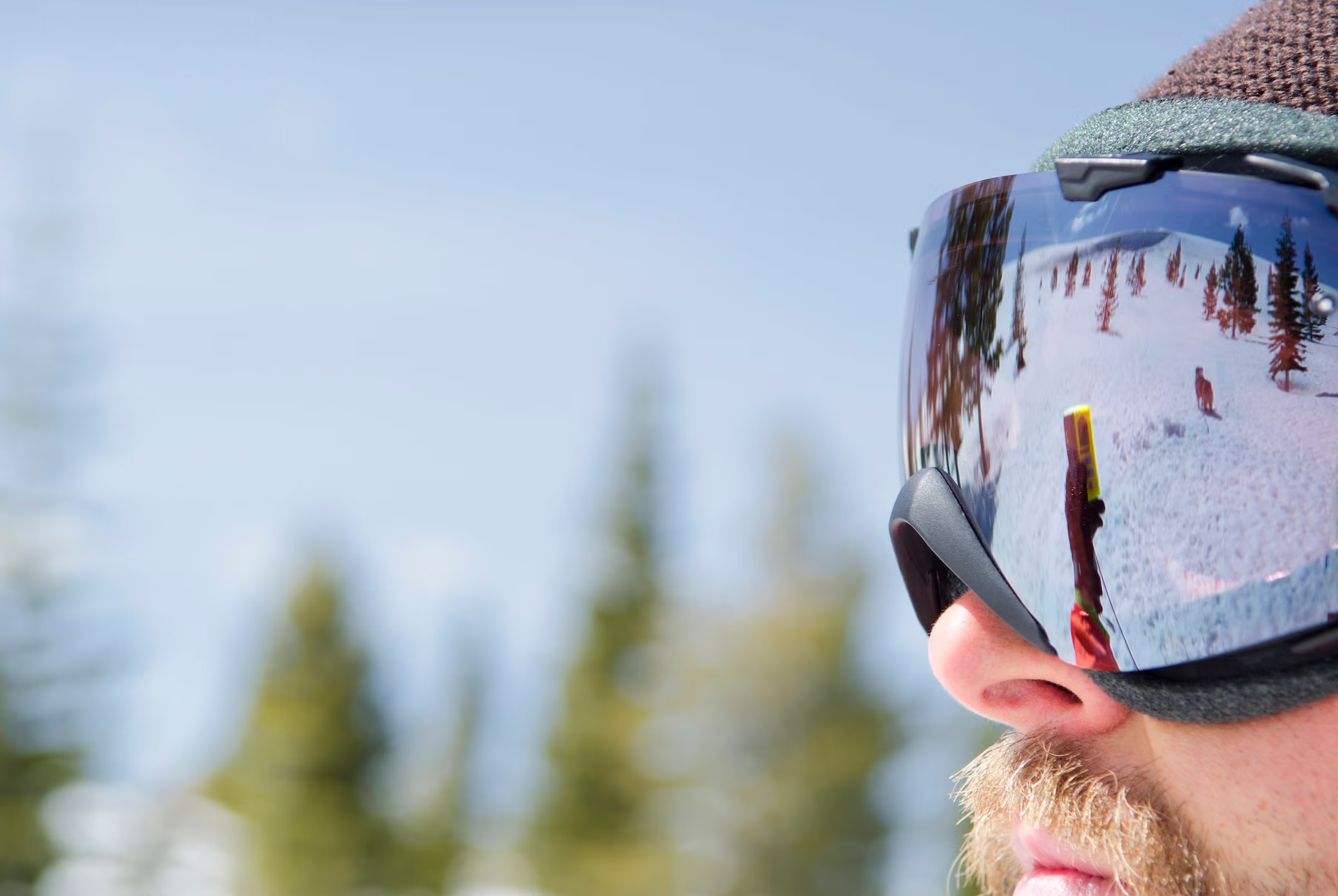
The good news for winter sports enthusiasts is that the vast majority of ski and snowboard goggles available on the market are designed to offer robust protection against harmful UV radiation. Consumers should look for clear labeling that indicates "100% UV (or UVA and UVB) Protection" or "UV400." These designations signify that the lenses block all light rays with wavelengths up to 400 nanometers, which effectively covers the entire spectrum of harmful UV radiation.
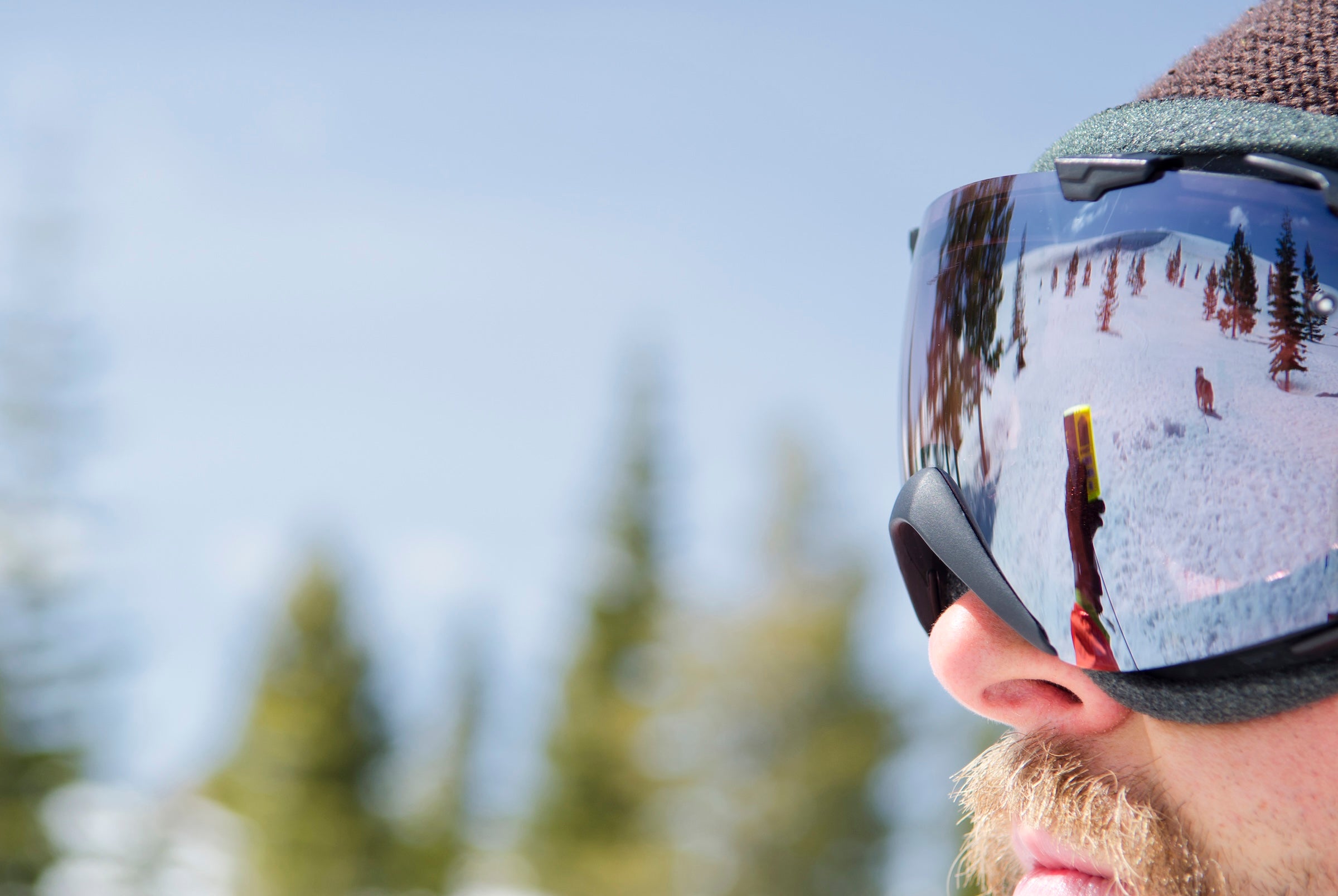
However, a significant caveat exists within the United States: ski goggles are not subject to mandatory government regulation for UV protection. While reputable brands adhere to high standards, there is a potential risk associated with purchasing unbranded or exceptionally inexpensive eyewear, such as those found on online marketplaces. Dr. Litzinger points out that the European Union does implement stricter regulations. Goggles bearing the "CE" (Conformité Européenne) mark indicate that they meet these European Union safety standards.
Beyond UV protection, the selection of goggles largely hinges on personal preference and factors that contribute to overall safety by enhancing vision. Features such as lens shape, field of view, and optical clarity can play a crucial role in preventing accidents by improving a skier’s ability to perceive terrain and anticipate hazards.
A common misconception among consumers is the conflation of UV protection with Visible Light Transmission (VLT). VLT refers to the amount of light that penetrates the lens and affects brightness perception. It is important to understand that VLT has no bearing on a goggle’s ability to block UV rays. "There is no correlation between darker lenses and higher UV blocking," clarifies Dr. Cameron Cutler, an optometrist at Summit Vision in Frisco, Colorado. He adds, "Tint color does not matter, buy what you like!" This means that a dark-tinted lens does not necessarily offer superior UV protection compared to a lighter tint.
Features like specialized tints, anti-fog treatments, and ergonomic lens designs are primarily aimed at enhancing comfort and visual quality, rather than mitigating UV exposure. These advancements can improve the skiing experience by reducing glare, preventing fogging, and optimizing visibility in various light conditions.
Dr. Litzinger also addresses the confusion between glare and snow blindness. While glare can be intensely uncomfortable and significantly impair vision, its cause is excessive brightness, often due to choosing an inappropriate VLT for the prevailing conditions. It is a visual impairment related to light intensity, not UV damage. While glare is certainly an unpleasant phenomenon that can lead to accidents, the assurance of UV protection from quality goggles remains a distinct benefit.
Some manufacturers offer tinted, high-contrast, or polarized lenses to enhance visual comfort. However, Dr. Cutler notes that polarized lenses present a trade-off that many skiers avoid. While they effectively reduce glare, they can also obscure critical visual cues, such as icy patches, which are vital for safe skiing.
Essential Considerations for Optimal Eye Safety
Ultimately, ensuring comprehensive eye safety on the slopes involves a multifaceted approach. Dr. Litzinger emphasizes the importance of "matching your lens to the conditions to really discern contrast and terrain." This means selecting lenses with appropriate VLT and tint for the specific weather and light environment. Dr. Leenheer further advises that goggles should be impact-resistant and fit snugly to provide optimal protection against wind, snow, and excessive sunlight.
Crucially, the effectiveness of any goggle is contingent on its use. "On the UV front, cheap and expensive are on the same playing field," states Dr. Litzinger, reiterating that the primary protective factor is the presence of UV-blocking technology, which is common across price points. He acknowledges that more expensive goggles may offer superior comfort, durability, and optical clarity, but these are secondary benefits to fundamental UV protection.
While some sunglasses and contact lenses are equipped with UV filters, Dr. Cutler points out that full-coverage ski goggles provide the most comprehensive protection, shielding not only the eyes but also the delicate skin surrounding them, which is also susceptible to sun damage and skin cancer.
A critical aspect of eye safety often overlooked is the period after skiing. "Plenty of eye damage occurs when skiers stop for lunch or a beer, take off the Oakleys, and expose their eyes to all those UV rays they’ve been avoiding all day," Dr. Cutler observes. Therefore, vigilance regarding eye protection is necessary for as long as one remains outdoors, even when stationary or engaged in après-ski activities. The reflection of UV rays from snow and other surfaces continues to pose a risk, underscoring the need for continuous awareness and protection. The potential for cumulative damage means that even brief, unprotected exposure can contribute to long-term ocular health issues.
