

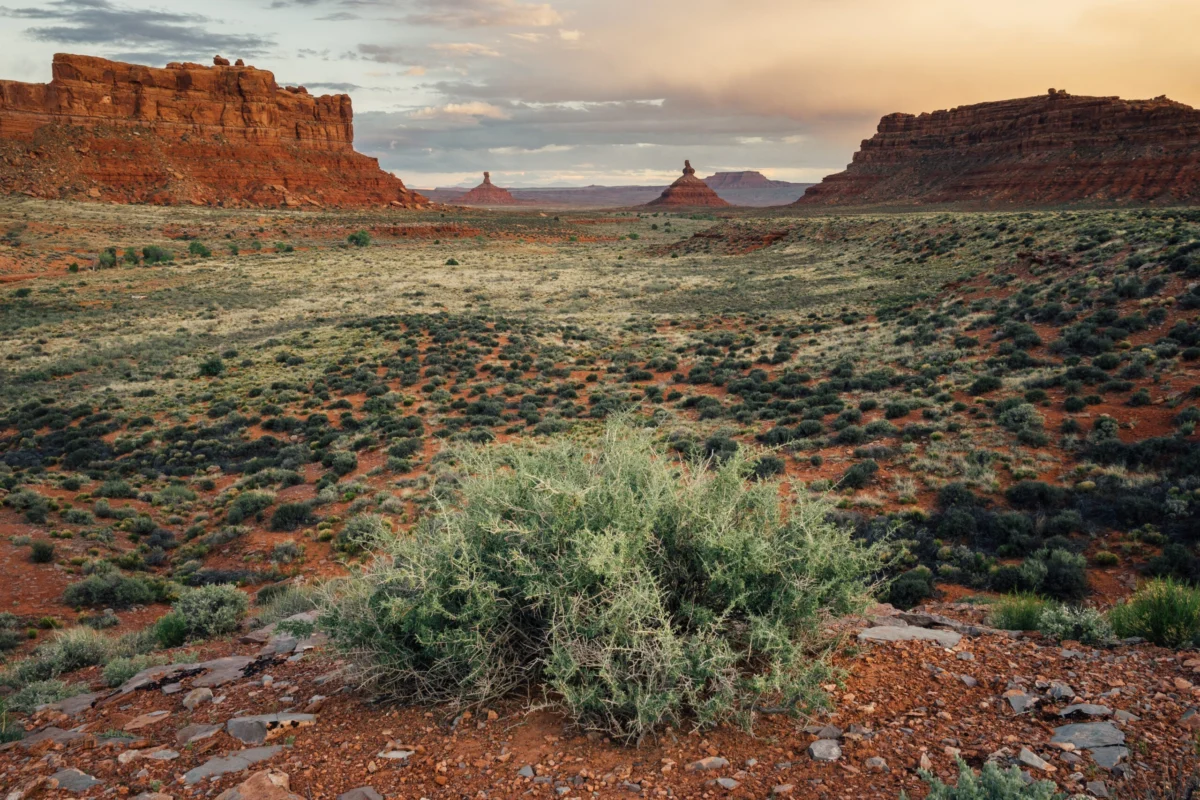
On Monday, July 20, 2026, President Donald Trump signed highly controversial executive orders that dramatically scaled back the boundaries of both Bears Ears and Grand Staircase-Escalante national monuments in southern Utah. This sweeping action slashes the protected acreage of these iconic redrock landscapes by nearly 90 percent, effectively removing federal safeguards from approximately 3 million acres of public land. The move, framed by the administration as a triumph for local control and economic opportunity, has ignited a firestorm of opposition from Native American tribes, conservation organizations, outdoor recreation advocates, and legal scholars, who denounce it as an illegal assault on America’s natural and cultural heritage.
The Unprecedented Reductions: A Closer Look at the Acreage
The executive orders fundamentally redefine two of Utah’s most significant national monuments. Grand Staircase-Escalante, originally designated by President Bill Clinton in 1996, encompassed 1.9 million acres. Under the new directive, its size is reduced by nearly half to approximately 1 million acres, effectively carving it into three distinct, smaller units. Even more drastically, Bears Ears National Monument, established by President Barack Obama in 2016, saw its 1.35 million acres shrink by approximately 85 percent to a mere 201,876 acres, fragmented into two non-contiguous units. This unprecedented act marks the largest rollback of federal land protections in U.S. history, reopening vast swaths of pristine wilderness and culturally significant sites to potential industrial development, including mining and drilling.
The areas now stripped of monument protections are rich in resources coveted by extractive industries. For Grand Staircase-Escalante, the targeted lands are known to hold significant coal reserves, particularly in the Kaiparowits Plateau, which has been eyed for mining for decades. In the case of Bears Ears, the reduced areas contain deposits of uranium, vanadium, and oil and gas, along with vast tracts of wilderness popular for recreation and crucial wildlife habitat. The administration contends that these reductions will unlock economic potential for local communities by allowing for resource extraction, livestock grazing, and other traditional uses that they argue were stifled by the original monument designations.

A Contested Legal Landscape: The Antiquities Act at the Forefront
At the heart of the controversy is the interpretation of the Antiquities Act of 1906. This landmark legislation grants presidents the authority to unilaterally designate national monuments to protect "historic landmarks, historic and prehistoric structures, and other objects of historic or scientific interest." Since its enactment, 16 presidents, from Theodore Roosevelt to Barack Obama, have used the act to safeguard millions of acres of federal land, establishing iconic sites like the Grand Canyon, Statue of Liberty, and Olympic National Park (initially designated as a monument).
However, the act explicitly outlines the power to establish monuments but remains silent on a president’s authority to revoke or substantially shrink them. While some past presidents have made minor boundary adjustments, none have attempted reductions of this magnitude. Legal scholars and environmental groups argue that only Congress possesses the power to modify or abolish national monuments. They contend that President Trump’s actions exceed presidential authority and set a dangerous precedent that could undermine the integrity of the entire national monument system.
Tiernan Sittenfeld, President and CEO of the National Parks Conservation Association, articulated this sentiment clearly: "President Trump’s order to slash protections for Bears Ears and Grand Staircase-Escalante is both a betrayal to the American people and illegal. No president has the authority to erase or shrink a national monument with the stroke of a pen, and we will continue to fight this at every step." This widely held view forms the basis of the immediate legal challenges that have been filed.
Voices from All Sides: A Divided Nation’s Response

The announcement has elicited a powerful and polarized response, reflecting the deep divisions over land use and federal oversight in the American West.
The Administration and Proponents of Reduction:
The White House, in its official statement, asserted that the original monument designations were an example of federal overreach that "locked up" public lands and disproportionately burdened local communities. President Trump, during the signing event, claimed that past protections "stole the land from the public," promising that shrinking the boundaries would return these territories to "true multiple-use access." Secretary of the Interior David Bernhardt echoed these sentiments, emphasizing the importance of giving local voices a greater say in how public lands are managed. Supporters, including many Utah state politicians, ranchers, and representatives of the mining and energy industries, celebrated the decision as a victory for states’ rights, economic development, and freedom from what they perceived as burdensome federal regulations. They argue that opening these lands for resource extraction will create jobs and boost local economies, which they claim suffered under the monument designations.
Native American Tribes: Guardians of Sacred Lands:
Perhaps the most vocal and unified opposition comes from a coalition of five Native American tribes – the Navajo Nation, Ute Mountain Ute Tribe, Hopi Tribe, Zuni Tribe, and Ute Indian Tribe – who formed the Bears Ears Inter-Tribal Coalition. Bears Ears, in particular, holds immense cultural, spiritual, and historical significance for these tribes, serving as ancestral homelands containing tens of thousands of archaeological sites, burial grounds, and sacred spaces. The original monument designation in 2016 was a historic achievement, marking the first time tribes had played such a central role in advocating for and shaping a national monument. The coalition had sought a co-management structure with the federal government, an arrangement they argue is vital for protecting these irreplaceable cultural resources.
The tribes view the reduction as a profound betrayal and a direct affront to their sovereignty and cultural heritage. They argue that the vast archaeological record within the original monument boundaries, much of which is now unprotected, faces irreversible damage from looting, vandalism, and industrial development. Shaun Chapoose, a Ute Indian Tribe council member and co-chairman of the Bears Ears Inter-Tribal Coalition, stated, "This is an attack on tribal sovereignty. Our ancestors lived and died on these lands, and we have a sacred duty to protect them. We will fight this in the courts and we will fight this for generations if we have to."
Conservation Groups and Environmental Advocates:
Environmental organizations like Earthjustice, the Sierra Club, and the Wilderness Society immediately announced their intention to file lawsuits, asserting the illegality of the executive orders. They emphasize the ecological importance of the affected areas, which boast unique biodiversity, critical wildlife corridors, and fragile desert ecosystems. Grand Staircase-Escalante, for instance, is a treasure trove of paleontological discoveries, yielding numerous dinosaur fossils and other prehistoric remains that provide invaluable insights into ancient life on Earth. Conservationists warn that opening these lands to mining, drilling, and increased off-road vehicle traffic will lead to habitat fragmentation, air and water pollution, and the destruction of irreplaceable scientific and natural wonders. They also highlight the potential contribution to climate change from increased fossil fuel extraction.

The Outdoor Recreation Community: Recreation in the Crosshairs:
For the action sports community and outdoor enthusiasts, southern Utah’s redrock country represents the pinnacle of desert exploration. The region’s canyons, mesas, and vast open spaces are renowned globally for climbing, hiking, mountain biking, canyoneering, and backcountry skiing. Organizations representing outdoor recreation, such as the Outdoor Industry Association and local guide services, argue that stripping these protections introduces major risks to these activities. They fear that new mining claims, heavy machinery, and road construction will irreversibly disrupt pristine corridors, fragile wildlife habitats, and the very character of the landscapes that draw millions of visitors annually. The outdoor recreation industry is a significant economic driver in Utah, generating billions in consumer spending and supporting tens of thousands of jobs. Opponents argue that prioritizing extractive industries over recreation undermines a sustainable economic model for the region.
Bears Ears: A Sacred Landscape Under Threat
Designated in December 2016 by President Obama, Bears Ears National Monument was a culmination of decades of advocacy by Native American tribes and conservationists. The monument’s name refers to two distinctive buttes that rise above the landscape, central to tribal cosmology and navigation. Beyond its spiritual significance, Bears Ears is a veritable open-air museum, home to an unparalleled density of archaeological sites, including ancient cliff dwellings, petroglyphs, and artifacts dating back thousands of years. Its varied landscape also supports diverse ecosystems, from high-desert plateaus to riparian corridors. The original designation aimed to provide a holistic management approach that recognized both its natural beauty and profound cultural importance. The 85% reduction leaves vast portions of these cultural and ecological treasures vulnerable, raising immediate concerns about the fate of countless uncatalogued sites and the continued ability of tribes to access and practice traditional uses of the land.
Grand Staircase-Escalante: From Dinosaur Bones to Development
Grand Staircase-Escalante National Monument, established by President Clinton in 1996, was created to protect an extraordinary geological and paleontological landscape. Its "staircase" of cliffs and plateaus reveals millions of years of Earth’s history, layer by colorful layer. The monument is globally renowned for its prolific fossil discoveries, including numerous new dinosaur species that have reshaped scientific understanding of the Late Cretaceous period. Beyond its scientific value, Grand Staircase-Escalante offers unparalleled opportunities for solitude and primitive recreation, with its remote canyons, slot gorges, and vast wilderness areas. The nearly 50% reduction targets areas with significant coal deposits, particularly the Kaiparowits Plateau, which scientists feared would be irreparably damaged by mining operations under previous proposals. The new boundaries leave large sections of this unique geological canvas open to potential industrial exploitation, threatening its scientific integrity and wild character.

Economic Crossroads: Weighing Industrial Extraction Against Outdoor Recreation
The economic arguments presented by both sides highlight a fundamental conflict in land use philosophy. The administration and its allies emphasize the short-term economic benefits of resource extraction. Utah, rich in natural resources, has a long history with mining and energy development. Proponents argue that unlocking these resources will lead to job creation, increased tax revenues, and greater energy independence. They contend that the monument designations stifled economic growth by making large tracts of land unavailable for these activities.
Conversely, opponents point to the growing economic power of the outdoor recreation industry. According to the Bureau of Economic Analysis, outdoor recreation contributed $862 billion to the U.S. economy in 2023, supporting 4.5 million jobs. In Utah specifically, outdoor recreation is a major economic engine, attracting tourists, adventurers, and businesses. Monument designations often lead to increased tourism, local business growth, and diversification of economies away from boom-and-bust cycles associated with extractive industries. Conservation groups and outdoor businesses argue that the long-term economic stability and environmental health provided by protected public lands far outweigh the finite gains from resource extraction. They warn that industrial development could degrade the very qualities that attract visitors and residents to southern Utah, ultimately harming the state’s burgeoning outdoor economy.
The Path Forward: Litigation and Activism
This action will undoubtedly not be the final word on the matter. As predicted, a formidable coalition of Native American tribes and environmental legal groups, including Earthjustice, the Southern Utah Wilderness Alliance, and the National Parks Conservation Association, have already filed multiple lawsuits challenging the legality of President Trump’s executive orders. These legal battles are expected to be protracted and complex, potentially reaching the Supreme Court. The core legal argument revolves around whether the Antiquities Act empowers a president to shrink or revoke a monument, or if such authority rests solely with Congress.

Beyond the courtroom, the outdoor community, indigenous rights activists, and conservationists are mobilizing. Protests have erupted across the country, and calls for increased public engagement, political action, and continued advocacy for public lands are intensifying. The fight for Bears Ears and Grand Staircase-Escalante has become a national symbol of the broader struggle over the future of America’s public lands and the balance between preservation, traditional uses, and resource development. The outcome of these legal and political contests will not only determine the fate of these specific monuments but could also establish a critical precedent for the protection of federal lands nationwide for generations to come. In the interim, the vast and rugged landscapes of southern Utah remain at the center of a pivotal debate about American values and the stewardship of its natural and cultural heritage.
