

During a recent road adventure spanning from southwest Minnesota to the picturesque southern shores of Lake Superior, a remarkable change in landscape signaled a return to winter’s embrace. After traversing over a thousand miles, snowbanks dramatically reappeared along the roadway, and meadows, once bare, were once again blanketed in pristine white. This significant environmental shift served as an auspicious omen for the upcoming destination: Whitecap Mountains Ski Resort, nestled in Upson, Wisconsin. Arriving late in the day, the opportunity for immediate skiing was foregone in favor of gathering crucial insights into this acclaimed ski area. The journey into the resort’s main building, adjacent to the parking lot, marked the beginning of an in-depth exploration into Whitecap’s operational backbone, historical narrative, and unique appeal.

Unveiling Whitecap’s Operational Prowess
The quest for comprehensive information led directly to the heart of the resort’s machinery: Mountain Operations. Here, the first key figure encountered was Mark Sbraggia, the Mountain Manager. Conversations with seasoned mountain operations professionals often reveal the true pulse of a ski area, and Sbraggia proved to be an invaluable source. He meticulously detailed Whitecap’s robust and reliable snowmaking system, a critical asset for ensuring consistent snow coverage throughout the season, especially in an era of unpredictable weather patterns. The system draws its abundant water supply from the nearby Weber Lake, a strategic advantage that allows for extensive coverage across nearly all of the resort’s extensive trail system. This capability not only guarantees a prolonged ski season but also provides a resilient buffer against natural snowfall deficits, ensuring a high-quality experience for visitors from early winter through spring. The investment in advanced snowmaking technology underscores Whitecap’s commitment to operational excellence and guest satisfaction, mitigating the risks associated with increasingly variable winter weather.

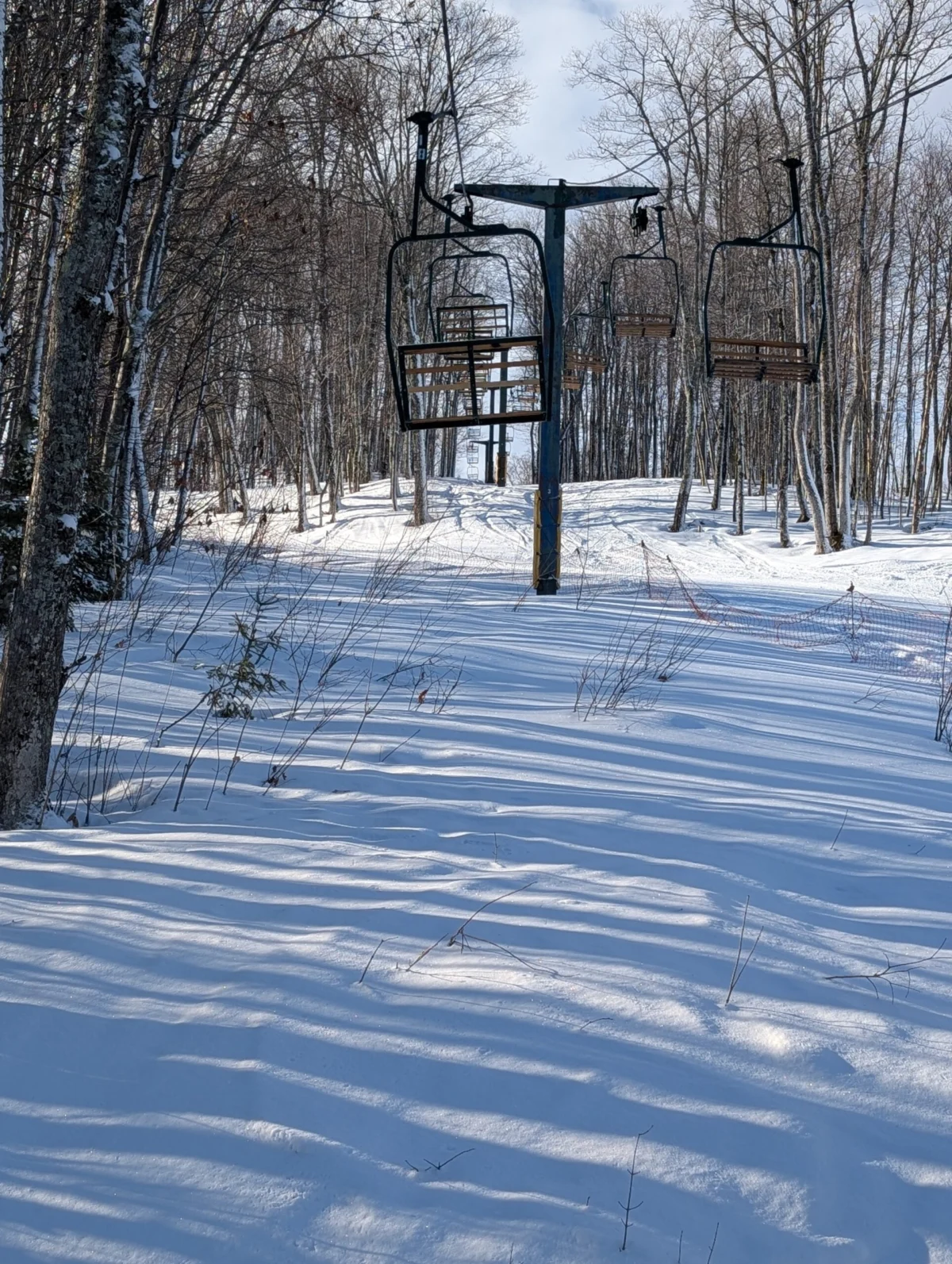
Whitecap Mountains is geographically unique, comprising three distinct mountains: Thunderhead, Eagle’s Nest, and Whitecap Mountain itself, all interconnected to form a cohesive and expansive ski complex. This tripartite structure offers a diverse range of terrain, catering to various skill levels and preferences. The resort is serviced by five chairlifts, efficiently transporting skiers and snowboarders across its 400-foot vertical drop. With over 400 acres dedicated to trails and glades skiing, Whitecap provides ample space for exploration and enjoyment. The glades, in particular, are a highlight, offering natural, ungroomed experiences amidst the hardwood forests of the Penokee Mountains. These gladed areas, carefully managed to maintain forest health while enhancing skiable terrain, provide an adventurous counterpoint to the groomed trails. Furthermore, Sbraggia highlighted the resort’s commitment to maintaining optimal conditions through its modern and efficient grooming fleet. As evening approached, Sbraggia was already preparing to dispatch his team to meticulously groom the slopes, ensuring pristine corduroy for the following morning’s opening runs. This dedication to detail underscores Whitecap’s commitment to delivering a superior skiing environment, preparing the mountain for early risers and ensuring that every guest can carve fresh tracks. The resort’s blend of natural and man-made snow, coupled with diligent grooming, ensures a consistently high-quality surface throughout the season, a key factor in its popularity.
A Legacy Forged in Fire and Fortitude

The narrative of Whitecap Mountains Ski Resort is deeply intertwined with its owner, Dave Dziuban, a figure who embodies both resilience and a profound dedication to the ski industry. Dziuban, affectionately described as a "lifer" in the ski world, brings decades of experience, including a significant tenure at Magic Mountain, a renowned "hidden gem" in southern Vermont’s Green Mountains. His journey led him to take full control of Whitecap in 2018, embarking on an ambitious vision for the resort’s future. However, his tenure was almost immediately tested by a series of unforeseen and formidable challenges, demanding extraordinary leadership and strategic foresight.
In 2019, tragedy struck when the resort’s historic base lodge was consumed by fire, reducing a beloved cornerstone of the community to ashes. The blaze, which erupted with devastating speed, left a void not just in the resort’s infrastructure but also in the hearts of its loyal patrons and staff. This devastating event not only posed an immense logistical and financial burden but also threatened the very spirit of Whitecap. The fire, which occurred just a year after Dziuban assumed full ownership, could have easily deterred a less committed proprietor. Yet, Dziuban, with the immediate and robust support of the local community, emergency services, and his dedicated team, spearheaded an immediate and determined recovery effort. The loss of the base lodge necessitated rapid construction of temporary facilities and meticulous planning for a new, modern replacement, which was eventually integrated into the existing hotel structure. This strategic decision not only expedited recovery but also enhanced guest convenience by consolidating services, creating a more cohesive base area experience. The community’s outpouring of support, from volunteer efforts to local business assistance, highlighted Whitecap’s deep roots as a regional institution.

No sooner had the resort begun to recover from the fire than the global COVID-19 pandemic descended in early 2020, bringing unprecedented operational restrictions and economic uncertainty to the travel and hospitality sectors worldwide. Whitecap, like countless other resorts, faced the daunting task of adapting to rapidly evolving public health guidelines, implementing stringent safety protocols such as social distancing, mask mandates, and enhanced sanitization, and managing reduced capacities while striving to maintain a semblance of normalcy for its visitors. The pandemic forced a complete rethinking of guest flow, lift line management, and dining services, placing immense pressure on the resort’s resources. Dziuban’s leadership during these dual crises demonstrated an extraordinary capacity for strategic thinking, resourcefulness, and an unwavering commitment to his staff and guests. His background, particularly his experience with the unique challenges of independent ski areas like Magic Mountain, undoubtedly equipped him with the foresight and tenacity required to navigate such turbulent waters, maintaining operations and employment despite significant financial strain.
Despite these significant setbacks, Dziuban’s vision for Whitecap remained undimmed. Under his stewardship, the resort has seen substantial improvements that speak to a long-term commitment to enhancing the visitor experience. These include the relocation of several lifts to optimize flow and access to various terrain, a comprehensive upgrade of the snowmaking infrastructure to bolster coverage and efficiency across more trails, and the seamless integration of the new base lodge facilities within the existing hotel. Perhaps one of the most celebrated enhancements, particularly among seasoned skiers and snowboarders, has been the extensive glading efforts within the Penokee Mountains’ hardwood forests. These initiatives have opened up vast new areas for expert and adventurous terrain, transforming dense woodlands into exhilarating gladed runs, much to the delight of both local enthusiasts and visiting thrill-seekers. This dedication to enhancing the on-mountain experience, even amidst adversity, underscores Dziuban’s long-term commitment to Whitecap’s legacy and its future as a premier ski destination, promising continuous improvement for years to come.

Whitecap’s Unique Geographical Advantages and Historical Roots
Whitecap Mountains Ski Resort boasts a unique geographical positioning that significantly contributes to its reputation as one of Wisconsin’s snowiest destinations. Situated in the Penokee Mountains, the resort benefits immensely from its proximity to Lake Superior, one of the largest freshwater lakes in the world. The "lake effect snow" phenomenon, a well-documented meteorological occurrence, plays a crucial role in Whitecap’s abundant snowfall. As cold, dry air masses move across the relatively warmer waters of Lake Superior, they pick up moisture and energy, which then precipitate as heavy snowfall when the air cools over the higher elevations of the Penokee Mountains. This natural advantage often results in substantially greater snow depths compared to other inland areas, providing a consistent and deep snowpack that is the envy of many Midwestern resorts, frequently receiving upwards of 150 inches of natural snowfall annually.

The resort’s history is as rich and captivating as its natural surroundings, deeply rooted in the vision of its original owners, Dave and Evie Lundberg. Beginning their stewardship in the 1960s, the Lundbergs meticulously developed the facilities, imbuing Whitecap with a distinctive Bavarian architectural style, most notably exemplified by the charming Davos Inn. This thematic choice was not merely aesthetic; it aimed to evoke the timeless allure of European alpine resorts, creating a unique and immersive experience for visitors that set it apart from other Midwestern ski areas. Under their pioneering leadership, Whitecap flourished, growing into a beloved regional institution and a destination for families and ski enthusiasts alike.
Beyond its charming architecture, the Lundbergs also etched Whitecap into the annals of ski culture by originating the now-legendary "Chinese Downhill." This unconventional and thrilling race, characterized by its mass start and often chaotic, unpoliced descent from the top of the mountain to the base, captured the imagination of skiers and filmmakers alike. Its notoriety grew exponentially after being famously featured in multiple classic Warren Miller ski films, solidifying Whitecap’s place in the pantheon of iconic ski destinations and introducing it to a national audience. The "Chinese Downhill" became a symbol of the resort’s fun-loving spirit and its willingness to embrace the adventurous, contributing significantly to its unique identity and drawing enthusiasts eager to experience a piece of ski history. This blend of natural snow abundance, historical charm, and a pioneering spirit continues to define Whitecap Mountains Ski Resort, making it a compelling destination for both serious skiers and those seeking a memorable alpine getaway, fostering a strong sense of tradition and community.

An Evening of Alpine Comfort and Culinary Delights
Following an insightful discussion with Dave Dziuban, the gracious offer of a room for the night at the resort’s integrated hotel was accepted, promising the ultimate convenience of a ski-in/ski-out experience. This thoughtful gesture underscored the personalized and welcoming atmosphere that permeates Whitecap Mountains, a characteristic often praised by returning guests. After checking in and settling into the comfortable accommodations, the evening unfolded with the enticing allure of après-ski activities, a crucial component of any successful ski trip.

The hotel’s bar and restaurant buzzed with a convivial energy, a vibrant hub where guests unwound after a day on the slopes. The ambiance was one of relaxed camaraderie, with stories of the day’s adventures being shared over drinks and delicious food, fostering a sense of community among visitors and locals alike. The culinary offering proved to be a pleasant surprise, featuring an excellent beef/bison burger that showcased the establishment’s commitment to quality dining using locally sourced ingredients where possible. This focus on hearty, satisfying meals complements the active nature of skiing. The combination of an affordable room, coupled with the convenience of in-house dining and a lively après-ski scene, presented an exceptionally appealing package, demonstrating that Whitecap understands the holistic needs of its visitors, from on-slope exhilaration to off-slope comfort and enjoyment. The value proposition of comfortable lodging, quality food, and direct access to the mountain created a seamless and highly satisfying experience, setting the stage for an invigorating day of skiing ahead and reinforcing the resort’s reputation for comprehensive guest services.
First Tracks: A Morning of Perfect Corduroy and Solitude

The dawn at Whitecap Mountains offered a breathtaking vista, confirming the promise of a spectacular day. From the hotel window, the Bavarian-styled Davos Inn, a testament to the Lundbergs’ original vision, glowed in the soft alpenglow, hinting at the resort’s deep historical roots. True to its reputation, Whitecap ensures that its lifts begin spinning early, catering to those eager to make the most of the pristine morning conditions. With only a couple of hours allocated for skiing before resuming the road trip, the objective was clear: maximize every moment on the mountain.
The morning on the slopes was an absolute treat. Virtually alone on the hill, a luxury often afforded to early risers, the quietude was profound, broken only by the gentle hum of the lifts and the crisp sound of skis on snow. Perhaps the previous evening’s lively après-ski had encouraged a more leisurely start for other guests, but for those seeking solitude and untouched terrain, it was perfection. An inch of fresh
