

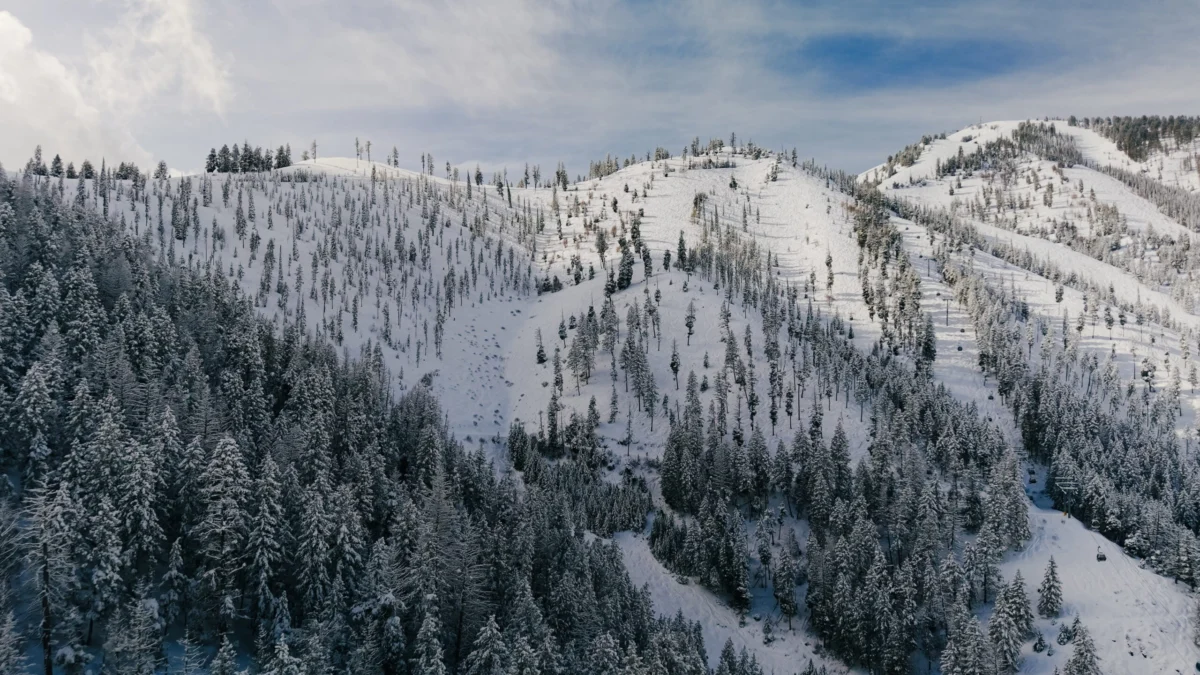
The pristine slopes of Sun Valley, Idaho, have long been synonymous with world-class skiing and breathtaking alpine scenery. However, beneath the veneer of powdery perfection, a more complex reality has been unfolding for years: the growing threat of wildfire and the declining health of the surrounding forests. In response to these pressing challenges, Sun Valley Resort, in a groundbreaking initiative, has forged a multi-faceted partnership that is not only enhancing the skiing experience but also bolstering wildfire safety and providing crucial support to local Indigenous communities. The Bald Mountain Stewardship Project, a testament to collaborative conservation, is redefining how mountain resorts can operate in harmony with their environment.
This ambitious undertaking, a complex collaboration involving the resort, the U.S. Forest Service, the Bureau of Land Management (BLM), private landowners, and numerous local organizations, centers on the strategic removal of dead, diseased, and overcrowded trees from the resort’s operational areas. This critical forest management practice serves a dual purpose: significantly reducing the risk of devastating wildfires and simultaneously creating more open, gladed terrain that enhances the skiing experience for enthusiasts. Beyond removal, the project actively engages in reforestation efforts, planting thousands of new, healthy trees during the off-season, aiming to ensure the long-term vitality of the mountain ecosystem. To date, over 47,000 new trees have been planted as part of this ongoing commitment.
The genesis of the Bald Mountain Stewardship Project can be traced back to a series of alarming wildfires that encroached upon the resort and the adjacent town of Ketchum in 2007 and 2013. These events served as stark reminders of the vulnerability of the region to uncontrolled fires. Subsequent analyses conducted by the Forest Service highlighted a critical issue: the vast number of dead and decaying trees on Sun Valley’s slopes were not only a significant fire hazard but also contributed substantial amounts of greenhouse gases, effectively exacerbating the very problem they aimed to solve.
Ford Van Fossan, Central Idaho program manager for The National Forest Foundation, a key partner in the initiative, articulated the multifaceted concerns driving the project. "What you see from the gondola in some places is a lot of gnarly-looking trees and a lot of dead trees," Van Fossan stated. "And so, for a multitude of reasons, from a fire perspective, that’s concerning. From a forest health, from a general biodiversity perspective, that’s concerning. And then from a recreational perspective and aesthetic perspective, it’s unattractive." He further emphasized that the project’s core priorities are threefold: improving forest health by actively combating tree diseases and invasive insect populations, mitigating wildfire risk, and enhancing the skiing terrain.
A Chronicle of Collaboration and Conservation
The journey towards the Bald Mountain Stewardship Project was not an overnight development but rather a carefully orchestrated evolution of understanding and action. The initial concerns about forest health and wildfire risk on Bald Mountain, particularly after the significant fires of the early 2010s, spurred intensive dialogue among various stakeholders.
- Pre-2013: Long before the major wildfire events, the U.S. Forest Service and other land management agencies recognized the inherent risks associated with dense, old-growth forests prone to disease and insect infestation. However, the scale of intervention required on resort-managed lands presented logistical and financial hurdles.
- 2007 & 2013 Wildfires: These two pivotal wildfire seasons brought the threat to the doorstep of the Sun Valley community, prompting a renewed urgency for comprehensive forest management strategies. The proximity of these fires underscored the need for proactive measures rather than reactive responses.
- Post-2013 Analysis: Following the 2013 fire, detailed assessments were commissioned by the Forest Service. These studies provided crucial data on the prevalence of dead and dying trees, their contribution to fuel loads, and the environmental impact of decaying biomass, including greenhouse gas emissions.
- Formation of the Bald Mountain Stewardship Project: Recognizing the interconnectedness of forest health, wildfire safety, and the economic viability of the resort, a collaborative framework began to take shape. Sun Valley Resort, with its vested interest in maintaining a safe and appealing mountain, took a leading role in initiating discussions with federal agencies, private landowners, and environmental organizations.
- Securing Approvals and Funding: The project’s implementation required navigating a complex web of regulations and securing significant funding. The public nature of the land—approximately 60% managed by the Forest Service and 40% by the BLM—necessitated extensive environmental reviews and inter-agency cooperation. A substantial $1.5 million investment was mobilized to support these efforts.
- Early Implementation (Circa 2018-2020): Initial phases focused on targeted tree removal in high-risk areas and on slopes directly impacting ski runs. This period also saw the establishment of the "Wood For Life" program, a vital component of the project.
- Ongoing Reforestation and Expansion: Since its inception, the project has continued to expand its scope, incorporating new areas for thinning and reforestation. The planting of over 47,000 trees signifies a long-term commitment to ecological restoration.
- Present Day (April 2026): The Bald Mountain Stewardship Project stands as a mature and highly effective model for integrated land management, demonstrating tangible benefits for skiers, the environment, and the local community.
Tangible Results: A Thriving Forest and Enhanced Skiing
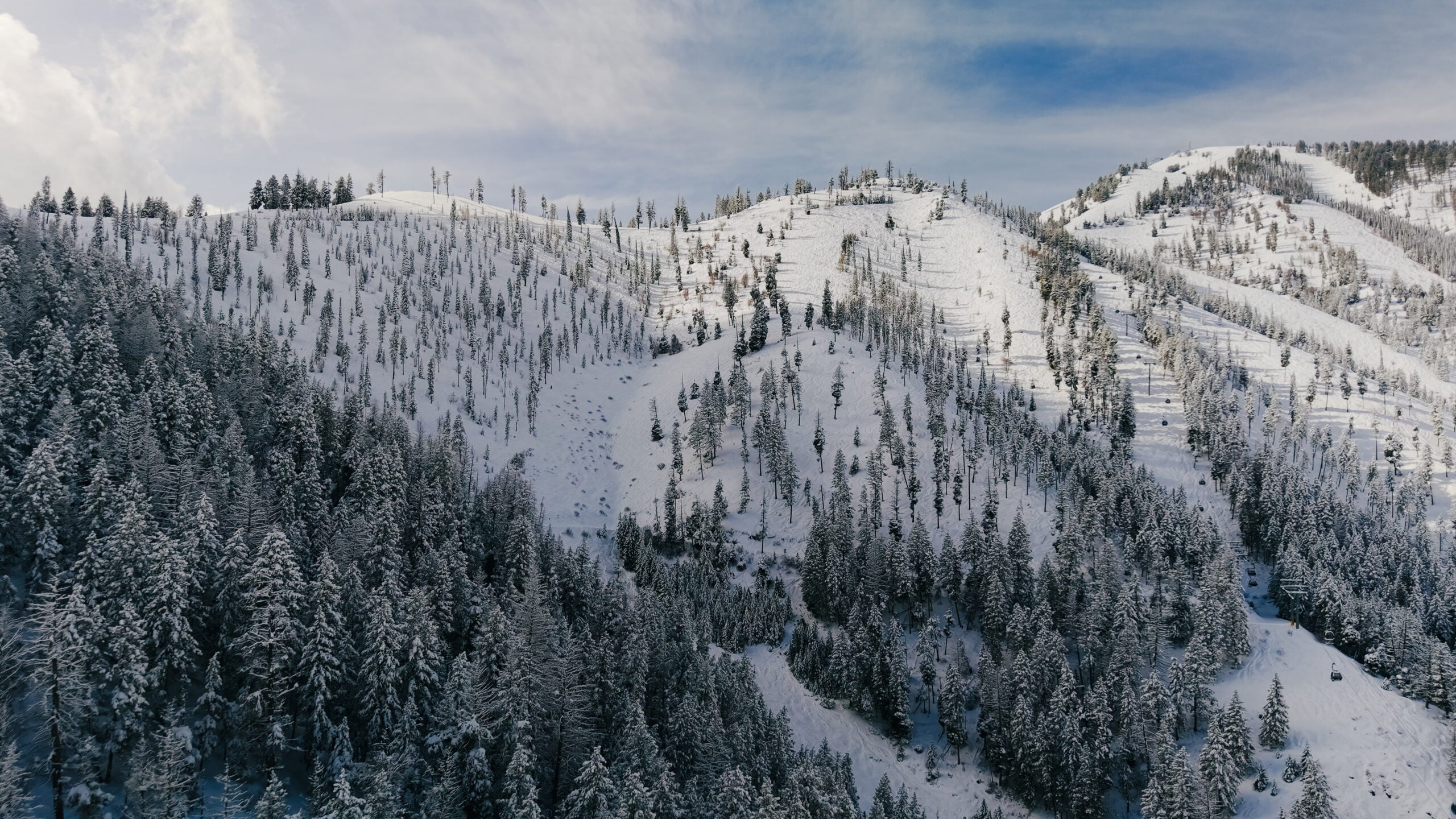
The impact of the Bald Mountain Stewardship Project is not merely theoretical; it is visible on the slopes and felt by skiers. Areas that were once dense with unhealthy trees have been transformed into inviting gladed runs, offering a more dynamic and enjoyable skiing experience. As of the most recent ski season, skiers have benefited from improved gladed terrain on popular runs such as Pioneer Run, Bear Den, Sheep Camp, and Tim’s.
The project’s forward-looking agenda includes further ambitious undertakings. Upcoming phases will involve 26 acres of tethered logging (utilizing winches for efficient timber extraction in challenging terrain), the removal of 50 windthrown trees on Seattle Ridge, and 150 acres of manual thinning near Scorpion. Additionally, up to 40 acres of post-slash material will be chipped on River Run and Cold Canyon. Reforestation efforts are also slated for Olympic Ridge, ensuring continued ecological recovery. The logs harvested from these operations are slated for delivery to the Shoshone Bannock tribe this year, continuing the crucial cycle of resource utilization. Crucially, the Bald Mountain Stewardship Project does not have a formal end date, reflecting a commitment to ongoing forest stewardship.
Wood for Life: A Sustainable Partnership for Indigenous Communities
Beyond the immediate benefits to the resort and its visitors, the Bald Mountain Stewardship Project has forged a profound and impactful partnership with local Indigenous communities. Wood salvaged from the tree removal operations is meticulously processed and donated as firewood to local Native families through the "Wood For Life" project. This initiative, a collaboration with organizations like the National Forest Foundation, directly addresses energy needs within these communities.
To date, an impressive nearly 4,000 cords of firewood have been generously donated to the Shoshone-Paiute Tribe and the Shoshone Bannock Tribe at Fort Hall. This program not only provides a sustainable and culturally relevant source of heat for homes but also represents a tangible acknowledgment of traditional land stewardship and a commitment to supporting the well-being of tribal members. The practice of utilizing salvaged timber for community heating has deep historical roots, and this modern application revitalizes that tradition while addressing contemporary needs. The economic and environmental benefits of this program are significant, reducing reliance on fossil fuels and supporting a circular economy model.
The Uniqueness of Sun Valley’s Collaborative Model
While many ski resorts grapple with similar environmental challenges, Sun Valley’s approach to the Bald Mountain Stewardship Project is remarkably distinct. The project’s success is deeply rooted in its public-private partnership model and the inherent bureaucratic infrastructure that facilitates such large-scale ecological endeavors.
The fact that a significant portion of the resort’s operational land is managed by federal agencies—60% by the Forest Service and 40% by the BLM—provides a crucial advantage. These agencies possess established frameworks for land management, environmental assessment, and inter-agency cooperation, which are essential for navigating the complex permitting and approval processes required for a project of this magnitude. This existing infrastructure significantly streamlines the path to achieving ambitious ecological goals, a factor that can often be a bottleneck for resorts operating solely on private land.
Furthermore, the project’s ability to leverage a $1.5 million investment, combined with these complex, multi-layered approvals, highlights a remarkable capacity for collaborative problem-solving. This level of coordination and resource allocation is a testament to the shared vision and commitment of all involved parties. The economic realities of forest management, which can be cost-prohibitive for individual entities, are effectively addressed through this pooled approach.
Broader Implications: A Blueprint for Sustainable Mountain Development
The Bald Mountain Stewardship Project at Sun Valley offers a compelling case study for the future of mountain resort development and land management. Its success demonstrates that environmental stewardship and economic viability are not mutually exclusive but can, in fact, be mutually reinforcing.
The project’s implications extend far beyond the immediate benefits to skiers and the local environment. It provides a potential blueprint for other resorts facing similar challenges, showcasing a model that prioritizes:
- Integrated Land Management: Recognizing that ski resorts are part of larger ecological systems and require a holistic approach to management that considers forest health, water resources, wildlife habitats, and fire risk.
- Public-Private Partnerships: Highlighting the power of collaboration between private enterprises, government agencies, and non-profit organizations to achieve shared conservation goals.
- Community Engagement: Emphasizing the importance of involving local communities, including Indigenous populations, in land management decisions and ensuring that benefits are shared equitably.
- Long-Term Vision: Demonstrating a commitment to sustained ecological health and continuous improvement, rather than short-term fixes.
The data emerging from the Bald Mountain Stewardship Project, detailing the reduction in wildfire risk, the improvement in forest biodiversity, and the enhanced recreational opportunities, will undoubtedly serve as valuable insights for land managers and resort operators across the globe. As climate change continues to present unprecedented challenges to natural landscapes, innovative and collaborative solutions like Sun Valley’s are not just beneficial; they are essential for ensuring the resilience and sustainability of our natural heritage for generations to come. The resort’s proactive stance exemplifies a paradigm shift towards a more responsible and integrated approach to mountain development, where the health of the environment is recognized as fundamental to the enduring success of the industry.
