

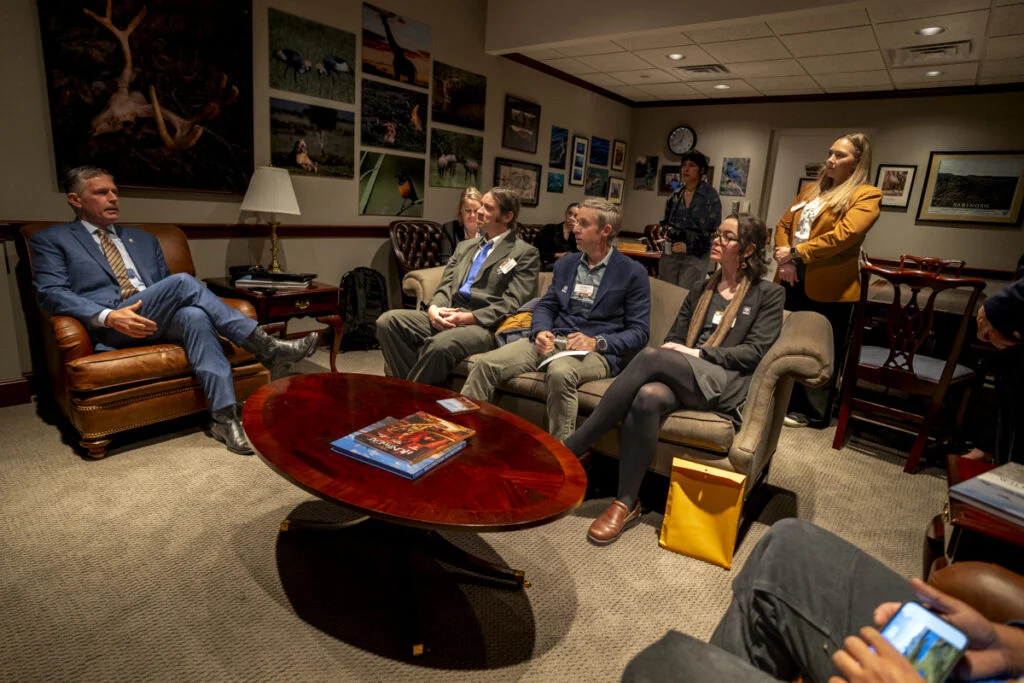
In a high-stakes effort to influence the trajectory of American energy policy and land conservation, a coalition led by Protect Our Winters and the Alaskan Wilderness League arrived on Capitol Hill this month to deliver a comprehensive 74-page petition to federal lawmakers. The document, which contains the signatures of more than 6,000 members of the "Outdoor State"—a demographic of outdoor enthusiasts, professional athletes, and industry stakeholders—calls for the establishment of permanent protections for the Arctic National Wildlife Refuge and the National Petroleum Reserve in Alaska. The delivery of these signatures follows a strategic two-day "fly-in" event designed to counter recent executive and legislative moves aimed at expanding oil and gas extraction in some of the nation’s most ecologically sensitive northern landscapes.
The advocacy mission occurred during a pivotal moment for federal land management. On Friday, December 12, 2025, the Trump administration signed a series of bills intended to streamline the permitting process for drilling and mining operations within the Arctic. This legislative package seeks to lower regulatory hurdles and accelerate the timeline for lease sales, a move that the administration argues will bolster national energy security and provide economic benefits to the state of Alaska. In response, the coalition representing the outdoor recreation industry and conservation groups has signaled it is entering "Phase Two" of its campaign, which involves escalating public pressure, pursuing legal avenues, and engaging directly with the Arctic Congressional Delegation to highlight the long-term economic and environmental risks of expanded fossil fuel development.
The Strategic Context of the Capitol Hill Fly-In
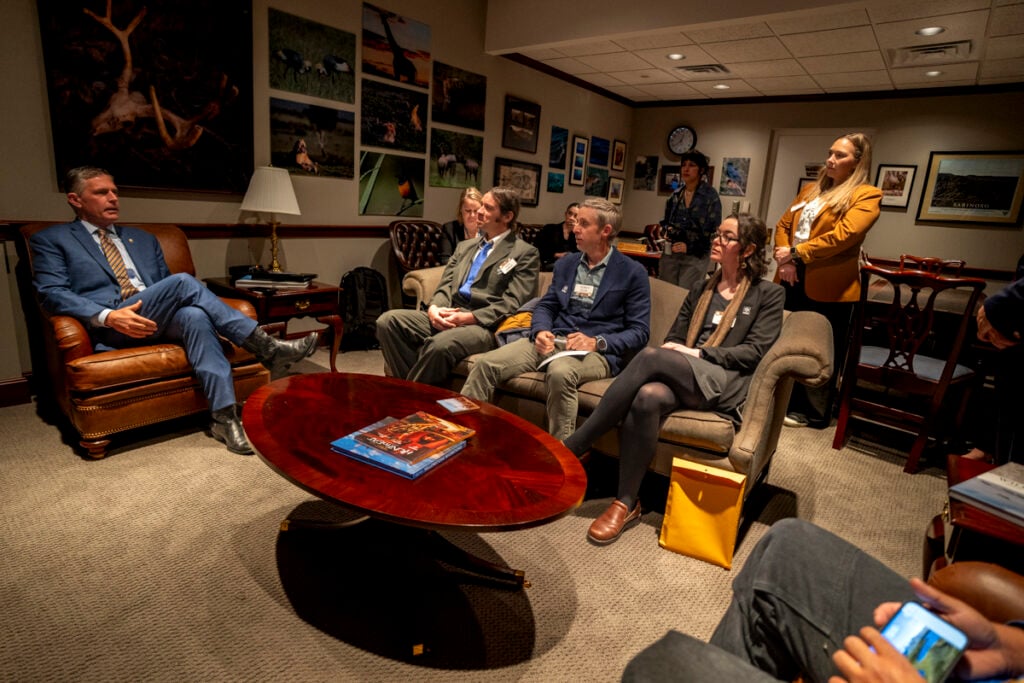
The advocacy efforts were coordinated by Protect Our Winters (POW), the Alaskan Wilderness League (AWL), and the League of Conservation Voters (LCV). The coalition’s presence in Washington, D.C., was not merely a symbolic protest but a targeted legislative engagement. Over the course of 48 hours, a diverse delegation—including climate scientists, professional climbers, Indigenous representatives, and filmmakers—held dozens of meetings with key offices in both the House of Representatives and the Senate.
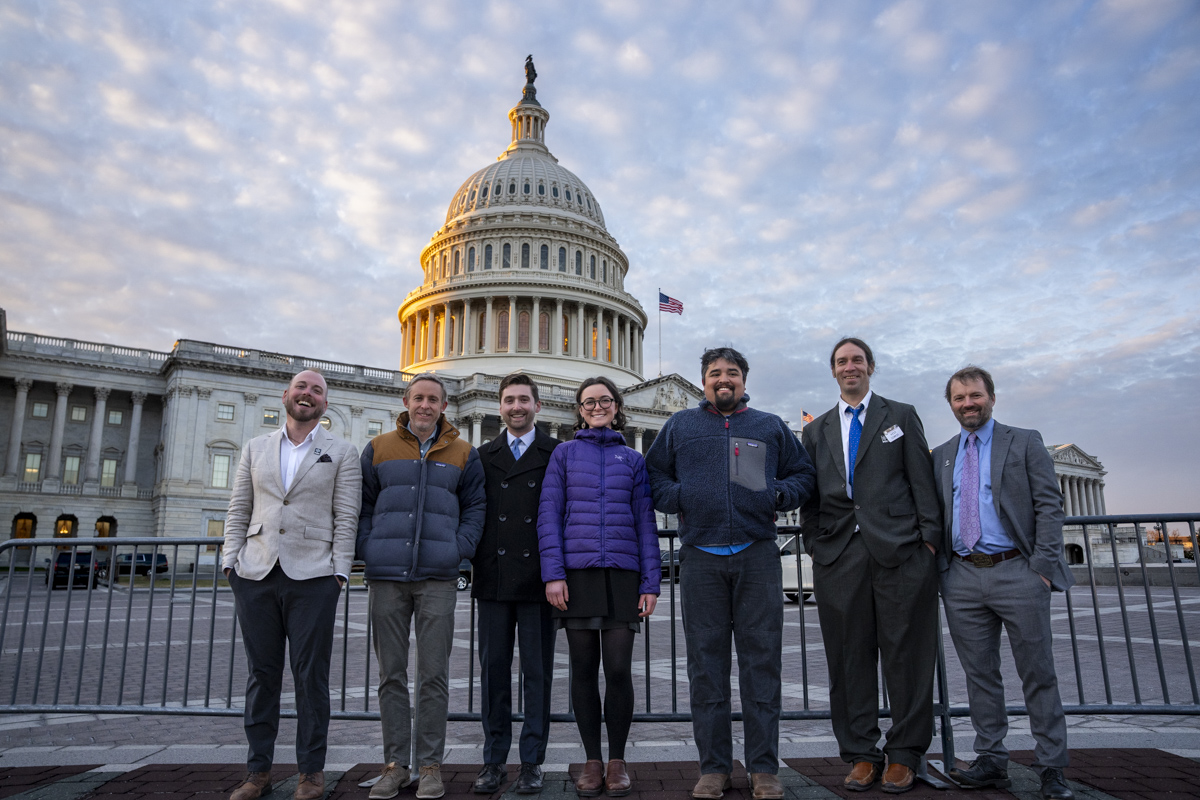
Among the high-profile participants was POW Climb Alliance member Tommy Caldwell, a world-renowned professional climber who has increasingly used his platform to focus on climate policy. "Like it or not, policy is the only thing that has the chance to fix our climate and save our public lands," Caldwell stated during the visit. He emphasized that the trip was designed to show lawmakers that the outdoor community is a disciplined and organized political constituency capable of "showing up big time" to defend public lands.
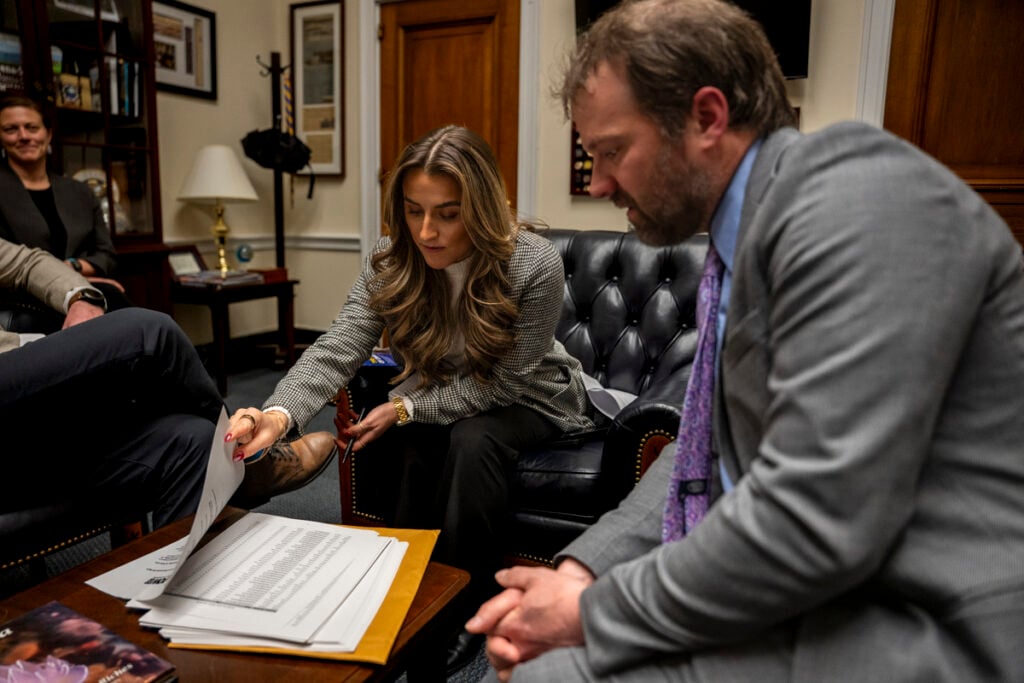
The delegation met with several influential lawmakers, including Senator Martin Heinrich and staffers for Representative Jared Huffman, to present their arguments. The discussions were framed not only through an environmental lens but also through the prisms of fiscal responsibility and market trends. The coalition argued that Arctic drilling is an increasingly "fiscally risky" endeavor, noting that many major global financial institutions have already committed to divesting from Arctic oil projects due to high overhead costs and the global shift toward decarbonization.
Chronology of Arctic Policy and Recent Developments
The tension over the Arctic National Wildlife Refuge (ANWR) and the National Petroleum Reserve in Alaska (NPRA) has been a fixture of American politics for decades. To understand the urgency of the recent fly-in, it is necessary to examine the timeline of events leading to the current legislative environment:
- The 2017 Tax Cuts and Jobs Act: This legislation included a provision that officially opened the 1.5-million-acre Coastal Plain of ANWR (often referred to as the 1002 Area) to oil and gas leasing, a goal sought by proponents for nearly 40 years.
- The 2021 Lease Sale: In the final days of the previous Trump administration, a lease sale was held; however, it saw limited interest from major oil companies, with a state-owned Alaskan agency emerging as the primary bidder.
- The Biden Administration Pause: Upon taking office in 2021, the Biden administration suspended the leases, citing deficiencies in the environmental review process. Later, in 2023, the administration canceled the remaining leases in the refuge and proposed new protections for 13 million acres within the NPRA.
- December 2025 Legislative Action: The signing of new bills by the current administration effectively reverses those protections, seeking to "ease the path" for immediate industrial development.
The POW and AWL coalition arrived on the Hill just as these bills were moving toward the President’s desk, attempting to provide a "vibrant counter-balance" to the industry-led push for extraction. Brennan Lagasse, a member of the POW Creative Alliance who has participated in multiple Arctic advocacy trips, noted that despite the difficult political climate, the act of hand-delivering petitions from constituents remains a vital tool for reminding lawmakers of their accountability to the public.
Supporting Data: The Ecological and Economic Stakes
The coalition’s arguments are supported by a wide array of data concerning the biological significance of the Arctic. The Coastal Plain of ANWR is the primary calving ground for the Porcupine Caribou Herd, which consists of over 200,000 animals and serves as a critical subsistence resource for the Gwich’in people. Furthermore, the region provides essential denning habitat for polar bears, a species currently listed as threatened under the Endangered Species Act.
From a climate perspective, the Arctic is warming at nearly four times the global average. Conservationists argue that the carbon-rich permafrost in the NPRA and ANWR acts as a massive carbon sink. Disturbing these landscapes for oil extraction, they contend, would not only release stored carbon but also create a feedback loop that exacerbates global warming, ultimately threatening the $1.1 trillion outdoor recreation economy that depends on stable winters and predictable seasonal cycles.
In contrast to the push for oil, the coalition also advocated for the "Energizing Our Communities Act" (EOCA). This proposed legislation represents a pragmatic, bipartisan approach to the energy transition. The EOCA aims to provide direct financial support and incentives to local communities that host clean energy infrastructure. By focusing on the EOCA during their meetings, the advocates sought to demonstrate that they are not merely "anti-drilling" but are proponents of a "practical, community-level solution" that strengthens energy resilience and supports a clean-energy future.
Perspectives from the Coalition and Indigenous Voices
A central component of the fly-in was the inclusion of lived experiences, particularly from Indigenous voices and those who live and work in the Arctic. The coalition emphasized that the Arctic is not a "bargaining chip" in political negotiations. For the Gwich’in and other Indigenous groups, the protection of the refuge is a matter of food security and cultural survival.
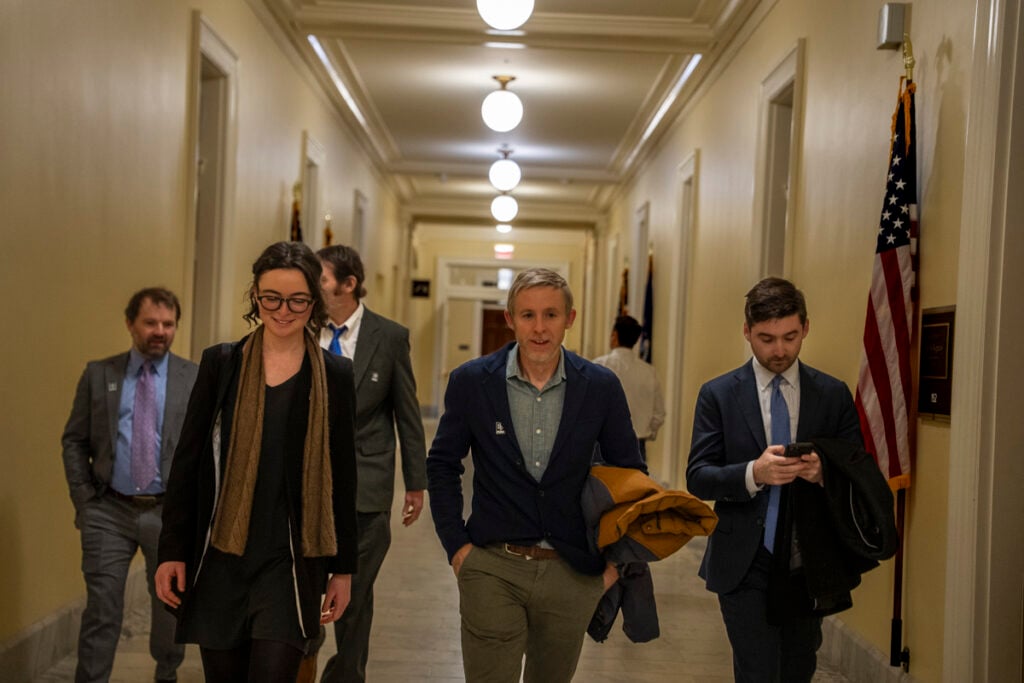
Ming Poon, a member of the POW Creative Alliance and a photographer who documented the trip, noted that even in meetings with offices that traditionally support oil extraction, the presence of the 6,000-signature petition forced a dialogue. "Even in meetings with those pushing to open the Refuge to oil extraction, we found at least some common ground—or at minimum, established communication channels," Poon observed. This indicates that while the legislative battle is fierce, the visibility of the "Outdoor State" is making it harder for lawmakers to ignore the diverse opposition to Arctic industrialization.
Analysis of Implications and Future Outlook
The signing of the new legislation on December 12 marks the beginning of a new chapter in the Arctic conflict, rather than its conclusion. The transition to "Phase Two" of the campaign by organizations like Protect Our Winters suggests that the battle will now shift to three primary fronts:
1. Legal Challenges: It is highly probable that environmental groups will file lawsuits challenging the sufficiency of the environmental impact statements (EIS) used to justify the new lease sales. Historically, litigation has been a successful tool in delaying or halting drilling projects that fail to account for climate impacts or endangered species protections.
2. Corporate and Financial Pressure: Conservation groups are likely to increase pressure on insurance companies and banks. By highlighting the reputational and financial risks associated with Arctic drilling, advocates hope to make the projects economically unviable, even if they are legally permitted.
3. Public Mobilization and the 2026 Midterms: With the 2026 election cycle approaching, the "Outdoor State" intends to keep the Arctic at the forefront of the political conversation. By framing the issue as a choice between "reckless extraction" and "pragmatic clean-energy policy," they aim to mobilize voters in key swing districts where outdoor recreation is a major economic driver.
The coalition left Washington, D.C., with what they described as a "renewed sense of purpose." While the immediate legislative outcome favored the expansion of drilling, the advocates believe they have successfully established "deeper bipartisan openings" and strengthened the alignment across the various sectors of the conservation movement. As the administration moves forward with its energy agenda, the resistance from the outdoor community appears poised to become more strategic and resilient, grounded in the belief that the long-term value of an intact Arctic outweighs the short-term gains of oil extraction.
