

The Trump administration has initiated a comprehensive series of executive and departmental actions designed to pivot the United States energy landscape away from renewable transitions and toward a traditional fossil fuel-based economy. Over the recent holiday period, the administration moved to halt major offshore wind developments, threatened the closure of the nation’s premier atmospheric research center, proposed a massive expansion of offshore oil and gas leasing, and utilized emergency federal powers to keep a failing coal plant operational. These maneuvers represent a significant departure from the previous administration’s environmental policies and have triggered immediate concern among economists, climate scientists, and state-level officials who argue the moves could destabilize the energy market and undermine decades of scientific progress.
Immediate Cessation of Major Offshore Wind Infrastructure
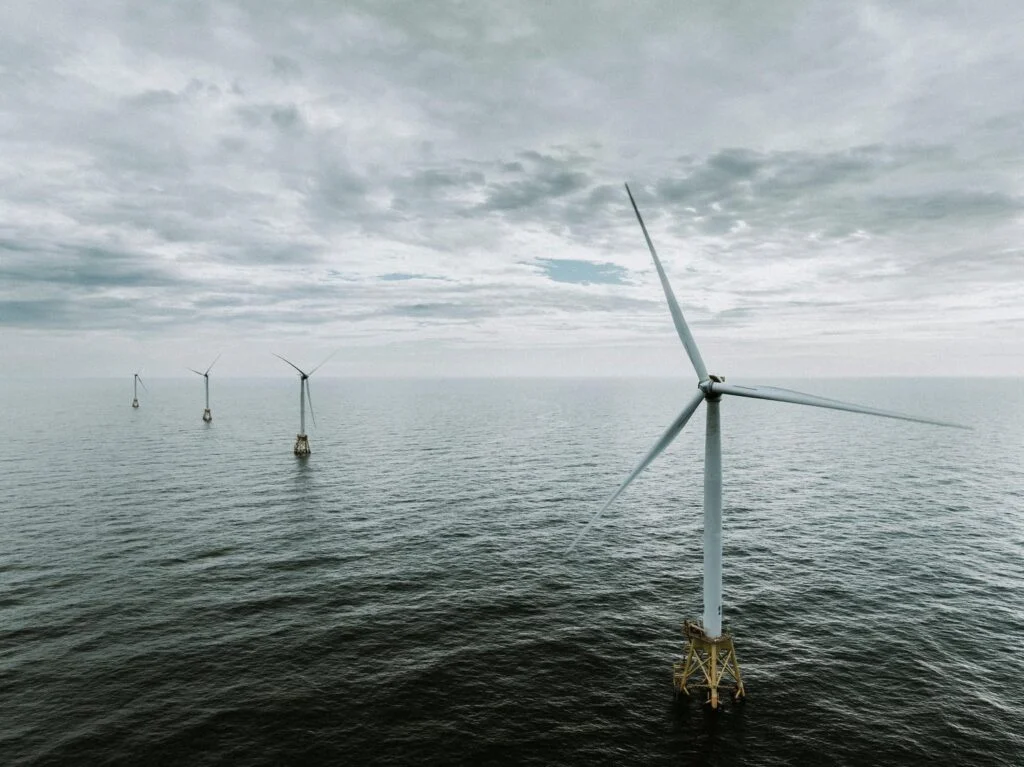
In a move that has sent shockwaves through the renewable energy sector, the Department of the Interior (DOI) has issued orders to halt five fully permitted offshore wind projects that were already in various stages of construction. The affected projects—Vineyard Wind, Revolution Wind, Coastal Virginia Offshore Wind, Sunrise Wind, and Empire Wind—represent billions of dollars in private and public investment. Collectively, these projects were expected to provide several gigawatts of clean energy to the Eastern Seaboard, enough to power millions of homes.
The administration cited "national security" concerns as the primary justification for the work stoppage. By categorizing the projects as potential threats to security, the executive branch can potentially bypass traditional judicial review and the standard administrative procedures typically required to revoke federal permits. This "national security" designation remains largely classified, leaving developers and state partners with little information regarding the specific nature of the alleged risks.

Industry analysts suggest the economic impact will be immediate. Vineyard Wind, for instance, had already begun installing turbines off the coast of Massachusetts. The halt not only threatens the completion of these specific sites but also introduces significant regulatory risk into the U.S. offshore wind market. Investors who had committed capital based on "fully permitted" status now face an uncertain landscape where federal approval can be rescinded mid-construction. This decision is expected to impact the domestic supply chain, including specialized shipbuilding and port facility upgrades in states like Virginia and New York.
Threats to the National Center for Atmospheric Research (NCAR)
Parallel to the shifts in energy production, the administration has signaled its intent to potentially shutter the National Center for Atmospheric Research (NCAR). Based in Boulder, Colorado, NCAR is a federally funded research and development center managed by the University Corporation for Atmospheric Research (UCAR) under a cooperative agreement with the National Science Foundation (NSF). Since its inception in 1960, NCAR has served as the backbone of U.S. climate modeling and meteorological science.
The center’s contributions are not limited to theoretical climate study; it provides the fundamental data used for extreme weather forecasting, wildfire behavior modeling, and aviation safety. NCAR’s supercomputing facilities and the Community Earth System Model (CESM) are utilized by government agencies, private meteorology firms, and international scientific bodies to predict hurricane tracks, drought cycles, and snowpack levels.
The potential dissolution of NCAR would create a significant data vacuum. Without the high-resolution modeling provided by the center, state and local governments would lose critical tools for water management and disaster preparedness. Critics of the proposal argue that dismantling the institution is an attempt to suppress climate data that contradicts the administration’s pro-fossil fuel agenda. From a budgetary perspective, proponents of the closure cite cost-cutting measures, though the center’s annual budget is a fraction of the total federal research expenditure.
Massive Expansion of Offshore Oil and Gas Leasing
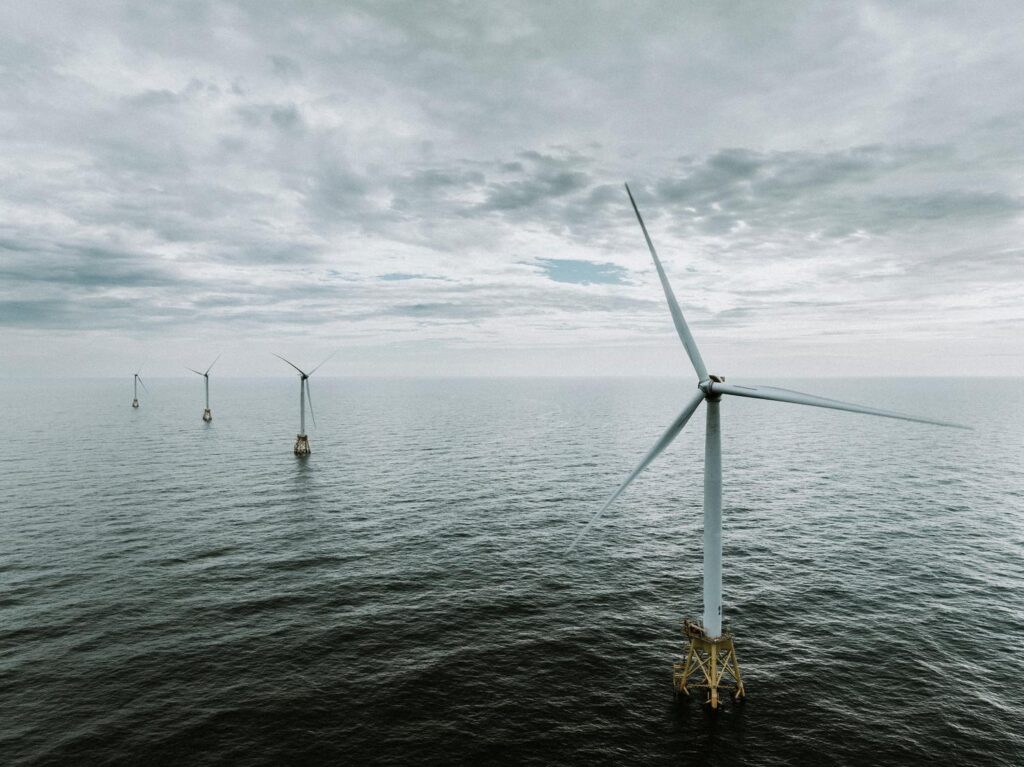
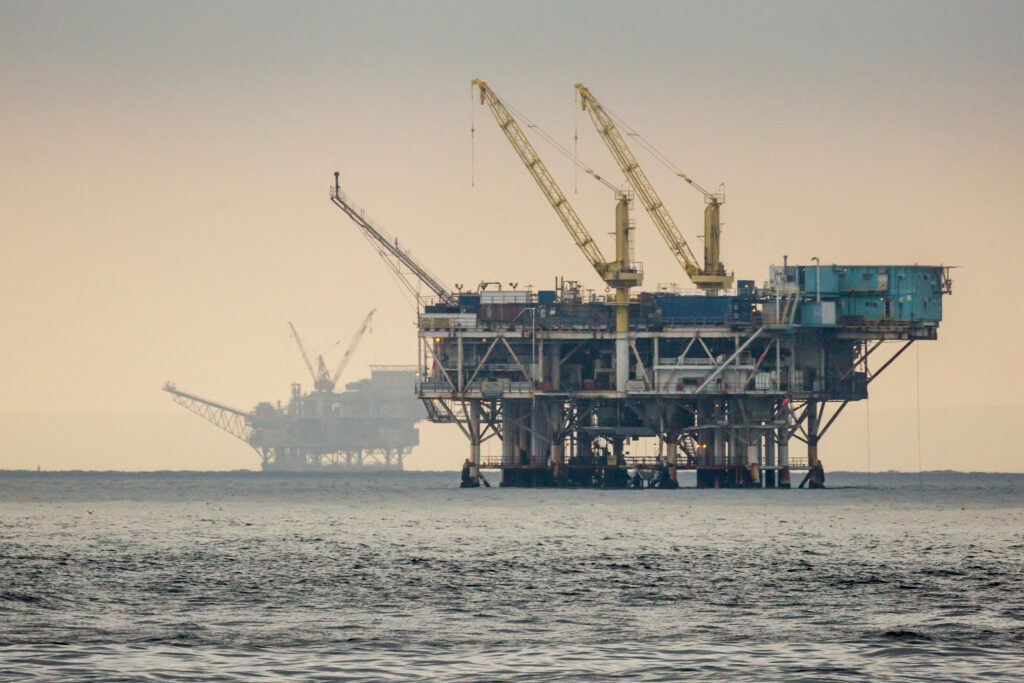
In a direct reversal of the 2024–2029 National Outer Continental Shelf (OCS) Oil and Gas Leasing Program, which had limited new leases to a record low, the Trump administration has proposed opening 1.27 billion acres of U.S. waters to drilling. The proposal spans nearly the entirety of the U.S. coastline, including sensitive areas off the coasts of California and Florida, as well as vast stretches of the Alaskan Arctic.
The legal framework for this expansion rests on the Outer Continental Shelf Lands Act (OCSLA), which grants the Secretary of the Interior the authority to manage mineral exploration on the seabed. The new plan seeks to maximize domestic energy production, with the administration arguing that increased offshore extraction will lower consumer energy costs and bolster national sovereignty.
However, the proposal faces immediate legal and political hurdles. Governors of coastal states, including several Republicans, have historically opposed drilling off their shores due to the risk of oil spills and the potential impact on tourism and local fishing economies. Environmental data suggests that a spill in the Arctic, in particular, would be nearly impossible to contain given the remote location and harsh conditions. Furthermore, climate scientists point out that locking in decades of new fossil fuel infrastructure is incompatible with international goals to limit global warming, as the carbon intensity of offshore extraction remains a significant contributor to atmospheric greenhouse gas levels.
Emergency Intervention in the Colorado Power Grid
In one of the most unconventional uses of federal authority in recent years, the Department of Energy (DOE) invoked Section 202(c) of the Federal Power Act to force an aging coal-fired power plant in Colorado to remain operational. The Craig Generating Station’s Unit 1, a nearly 50-year-old facility, was scheduled for decommissioning on the final day of the year. The plant had already been offline due to significant mechanical failures, and its owners had long planned for its retirement as part of a transition to more cost-effective energy sources.

The DOE’s emergency order mandates that the plant be repaired and returned to service, citing "grid reliability" concerns. Section 202(c) is a rarely used provision intended for times of war or extreme national emergencies where a shortage of electric energy is imminent. In this instance, however, the regional grid operator and Colorado state officials had already accounted for the plant’s closure in their long-term reliability assessments.
Independent energy analysts argue that forcing the Craig plant to stay online is economically irrational. The cost of repairing and operating an obsolete coal unit is significantly higher than the cost of bringing new solar, wind, or gas-fired capacity online. These costs are expected to be passed down to rural ratepayers in Colorado. Additionally, the move overrides state-level "Clean Heat" and "Clean Energy" plans, setting a precedent for federal intervention in state-regulated utility markets.
Chronology of the Policy Shift
The timeline of these actions suggests a coordinated effort to reshape federal energy priorities during a period of reduced public scrutiny.
- Mid-December: The DOI begins internal reviews of offshore wind permits under the "national security" framework.
- December 24–26: Formal notices are sent to offshore wind developers, ordering an immediate cessation of construction activities.
- December 27: The DOE issues the emergency order for the Craig Generating Station Unit 1 in Colorado, just 24 hours before its scheduled retirement.
- December 30: The administration releases the preliminary proposal for the 1.27 billion-acre offshore drilling expansion.
- January 2: Leaked internal memos suggest the administration is drafting a plan to reorganize or defund NCAR by the end of the fiscal year.
Broader Economic and Environmental Implications
The cumulative effect of these policies represents a fundamental shift in the U.S. approach to the global energy transition. By halting wind projects and subsidizing failing coal plants, the administration is prioritizing the preservation of the traditional energy sector over the growth of the "green economy." This has significant implications for the U.S. labor market. While the administration argues that these moves protect jobs in the oil and coal industries, renewable energy has been one of the fastest-growing employers in the country over the last decade.
From a scientific perspective, the attack on NCAR and the expansion of drilling signal a retreat from evidence-based climate policy. The loss of snowpack data and wildfire forecasting will have direct impacts on the outdoor recreation industry, which contributes billions to the U.S. GDP. In the West, where temperatures are rising faster than the global average, the lack of accurate atmospheric modeling could lead to catastrophic mismanagement of water resources.
Furthermore, the use of "national security" and "emergency powers" to bypass existing environmental laws and state authority suggests a move toward more centralized federal control over energy decisions. This has led to a coalition of environmental groups, such as the Surfrider Foundation and Protect Our Winters (POW), to launch public comment campaigns and legal challenges. These organizations argue that the administration is weaponizing bureaucratic mechanisms to stall a transition that is already well underway in the private sector.
As the 2026 midterms approach, these energy policies are likely to become a central point of contention. The tension between federal mandates for fossil fuel expansion and state-level commitments to renewable energy will likely be resolved in the federal court system, where the limits of executive power over environmental and energy policy will be tested. For now, the U.S. energy landscape remains in a state of flux, caught between the momentum of a global energy transition and a federal administration determined to reverse it.
