

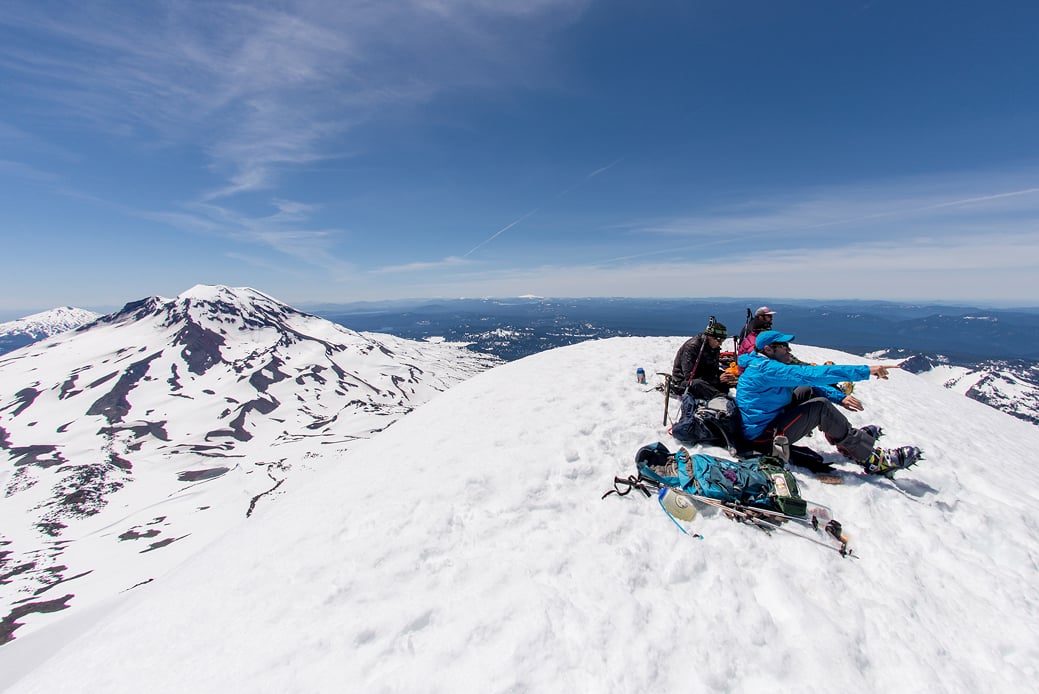
The 2025-2026 snow season across the Western United States has concluded as a definitive "hot mess," characterized by record-breaking thermal anomalies that have disrupted the region’s ecological balance, recreational economy, and long-term water security. While precipitation levels remained near historical averages in several states, the absence of sustained cold temperatures transformed what could have been a robust winter into a period of volatile freezing levels and premature snowmelt. As the region transitions into the summer months, hydrologists and climatologists are sounding the alarm over the implications of a "low-tide" winter that saw peak snowpacks vanish months ahead of schedule.
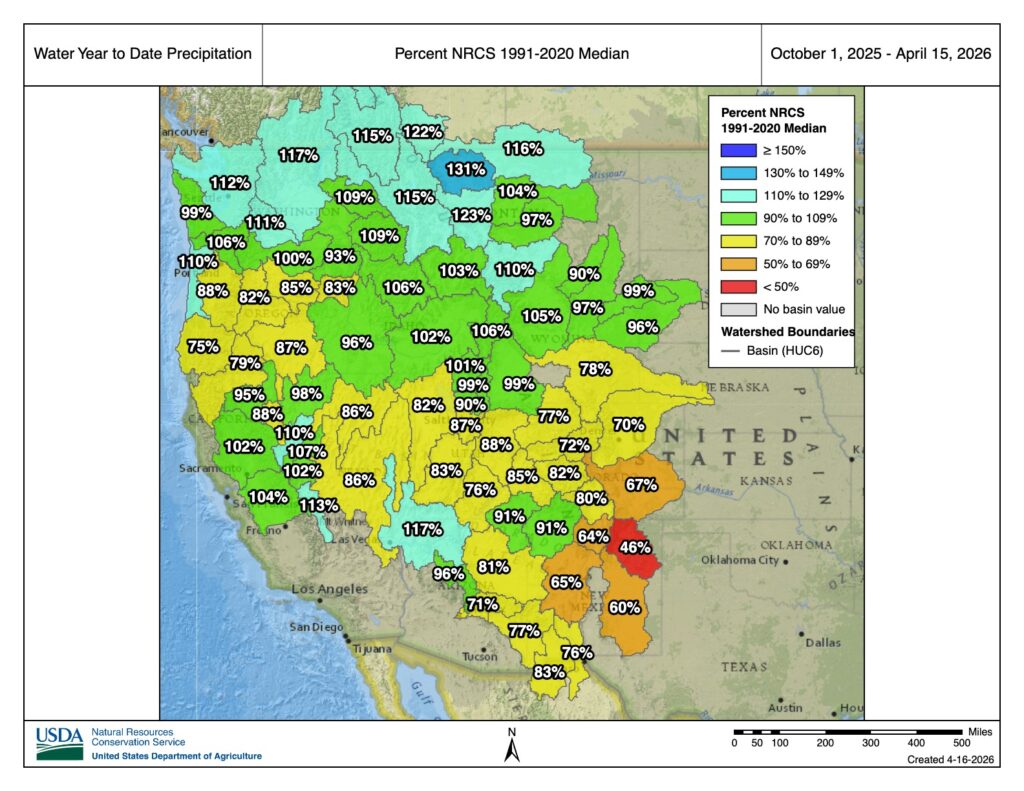
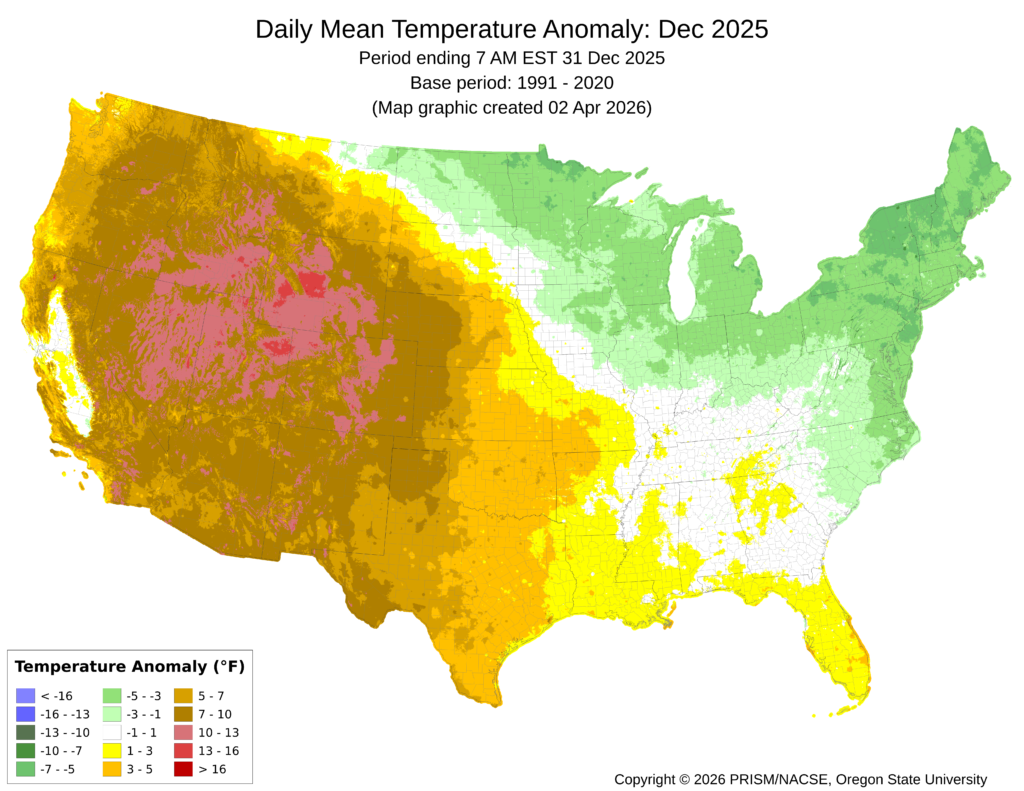
Data from the 2025-2026 water year reveals a season defined not by a lack of moisture, but by a failure of the thermal conditions required to store that moisture as snow. In states like Washington, Idaho, Montana, and northwest Wyoming, precipitation levels actually tracked slightly above the long-term average. Conversely, Oregon, Utah, and Colorado experienced a drier-than-normal year. However, the unifying factor across the West was the heat. December 2025, in particular, was a catastrophic month for the snowpack, with temperature anomalies across the Western U.S. ranging from 5 to 15 degrees Fahrenheit above historical norms. This warmth prevented the establishment of a foundational base, forcing ski resorts to repeatedly delay openings and, in several cases, pause operations mid-season.
A Chronology of Disruption: From Delayed Starts to Early Melt-Outs
The 2025-2026 season was marked by a series of "moving goalposts" for outdoor enthusiasts and industry stakeholders. In a typical year, the Thanksgiving holiday serves as the unofficial kickoff for the winter recreation season. This year, however, the lack of early-season cold meant that many resorts remained shuttered through December. Expectations were then shifted to the New Year’s holiday, then to Martin Luther King Jr. Weekend, and finally to President’s Day. For many basins, the significant snowfall required to support a full season of operations never arrived in a sustainable form.
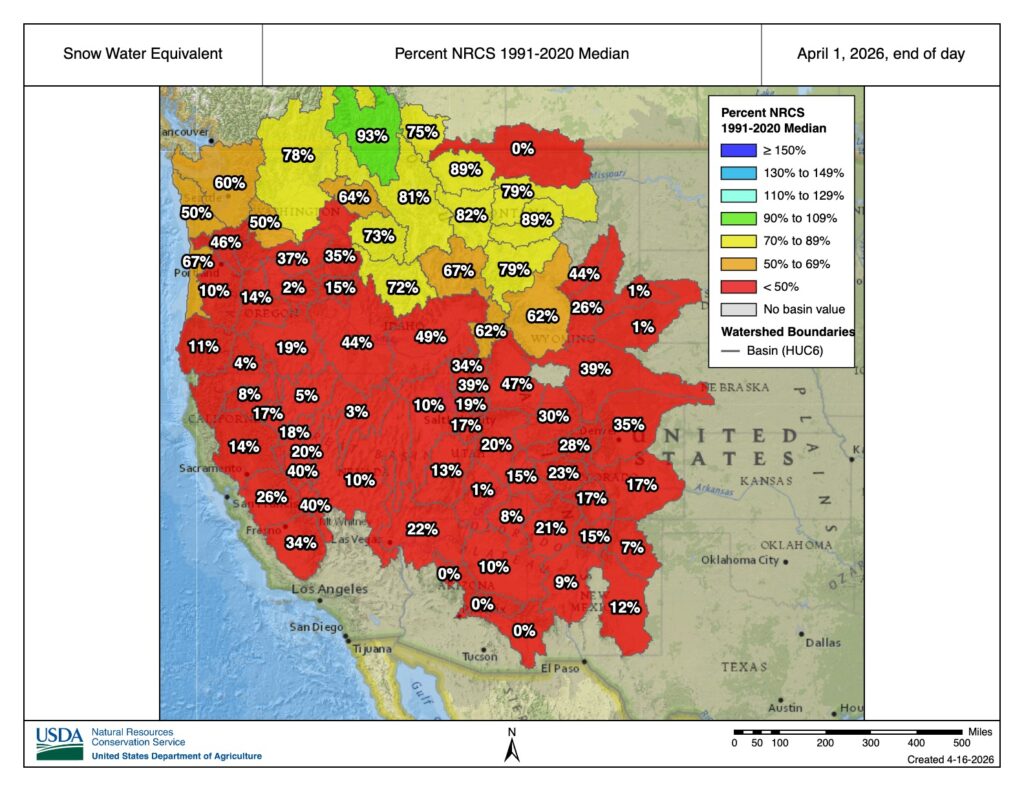
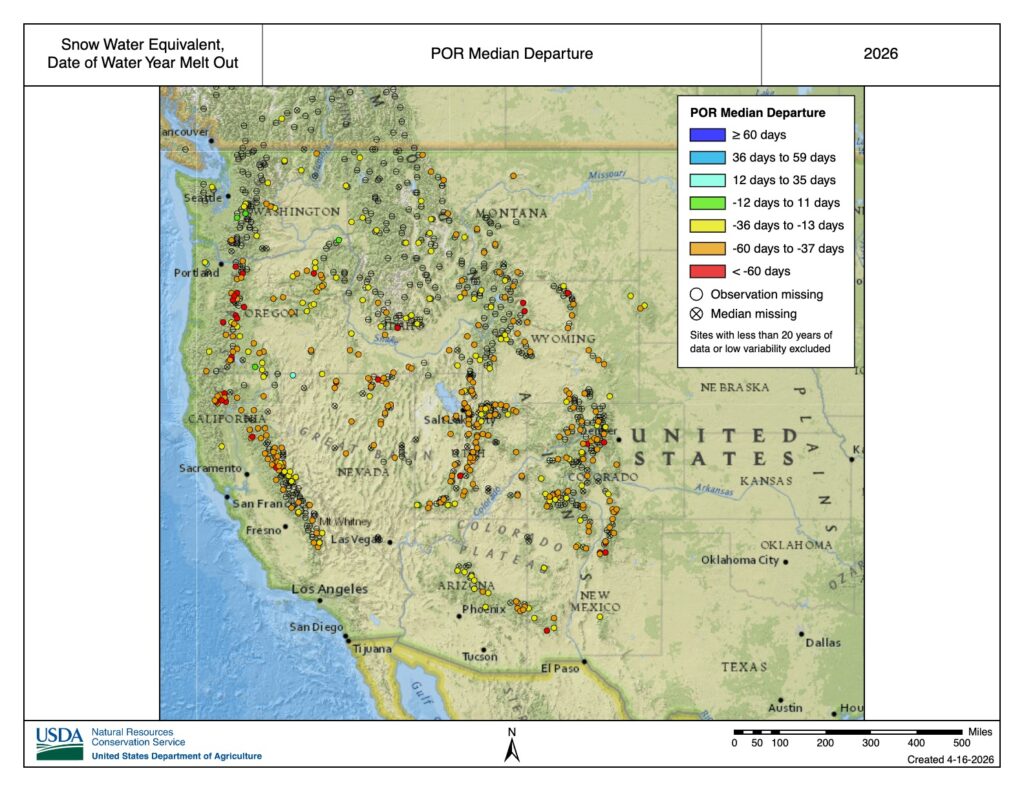
By the time the traditional peak snowpack benchmark of April 1 arrived, the situation had shifted from a delayed start to an early exit. Observation stations across the West reported Snow Water Equivalent (SWE) values that were a mere fraction of the long-term average. In many high-altitude locations, the April 1 values represented some of the lowest peaks recorded in the last 45 years. The "snow-off" dates—the calendar day when the ground becomes bare—occurred not just days or weeks early, but in many instances, two full months ahead of schedule. At the Hogg Pass SNOTEL site in Oregon, as well as several sites in the Sierra Nevada and the Cascades, the rapid melt-out in mid-March effectively ended the hydrologic winter before the spring equinox had even arrived.
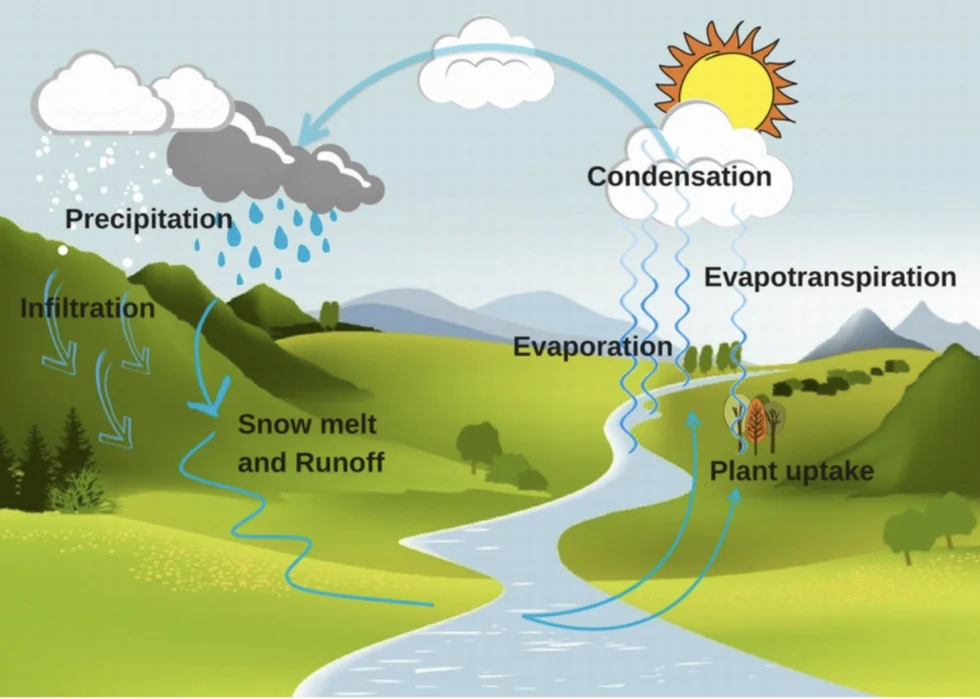
The Hydrologic Cycle and the Planetary Water Budget
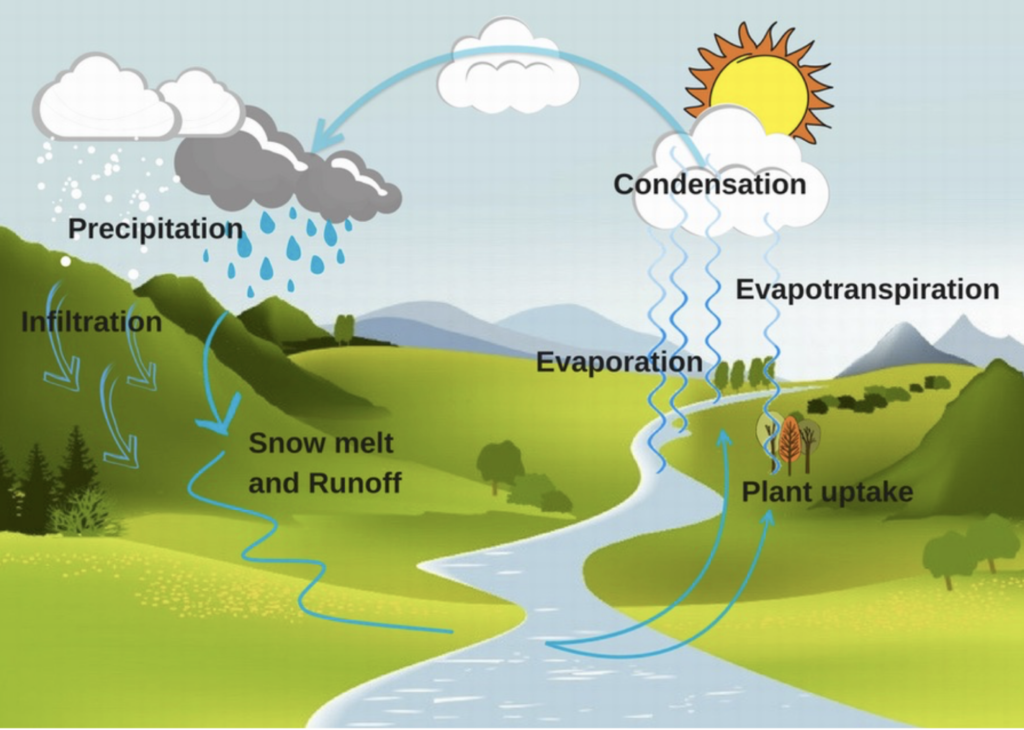
To understand the severity of the 2025-2026 season, it is necessary to view the Western snowpack through the lens of the global hydrologic cycle. While Earth is often described as the "Blue Planet," the amount of water available for human consumption and terrestrial ecosystems is remarkably small. If all of Earth’s water were consolidated into a single sphere, its diameter would be only 40% of the moon’s diameter. Furthermore, the vast majority of this water is saline or trapped in deep subterranean aquifers and polar ice caps. Less than one-hundredth of one percent of the Earth’s total water is readily accessible to support the daily needs of billions of people.
In the Western United States, this scarcity is managed through a complex dance between supply and demand. On average, the Earth’s land surfaces receive about one meter of precipitation annually, which translates to roughly 13,000 gallons per person, per day. However, this supply is rarely located where the demand is highest, nor does it fall when it is most needed. The Western U.S. relies on a "built" infrastructure of canals, aqueducts, and reservoirs to bridge these gaps. Yet, the most vital component of this infrastructure is not man-made; it is the seasonal snowpack.
The "Snow Reservoir" and the Colorado River Crisis
The seasonal snowpack acts as a massive, distributed reservoir that stores water during the wet winter months and releases it gradually during the late spring and summer. This natural "insurance policy" provides a lag between precipitation and runoff that is essential for the region’s stability. The gradual release of snowmelt keeps stream temperatures low—a requirement for the survival of many aquatic species, including salmon and trout—and reduces the risk of catastrophic "rain-on-snow" flooding events.
The scale of this natural storage is immense. At its peak, the amount of water stored as snow in the contiguous United States is estimated to be five times the capacity of Lake Mead, the nation’s largest man-made reservoir. When the snowpack fails, as it did in the 2025-2026 season, the strain on the man-made system becomes critical. This is most evident in the Colorado River Basin, where years of consecutive dry conditions and warm winters have led to a steady decline in the water levels of Lake Mead and Lake Powell.
The 2026 melt-out has intensified the urgent conversations among the seven "basin states" regarding water allocation. With the "snow reservoir" emptying months early, the water that would normally sustain agriculture and municipal needs in July and August has already flowed through the system in March and April. This mismatch between supply and demand forces water managers to rely more heavily on surface reservoirs that are already at historic lows, creating a feedback loop of water insecurity.
Economic and Ecological Consequences
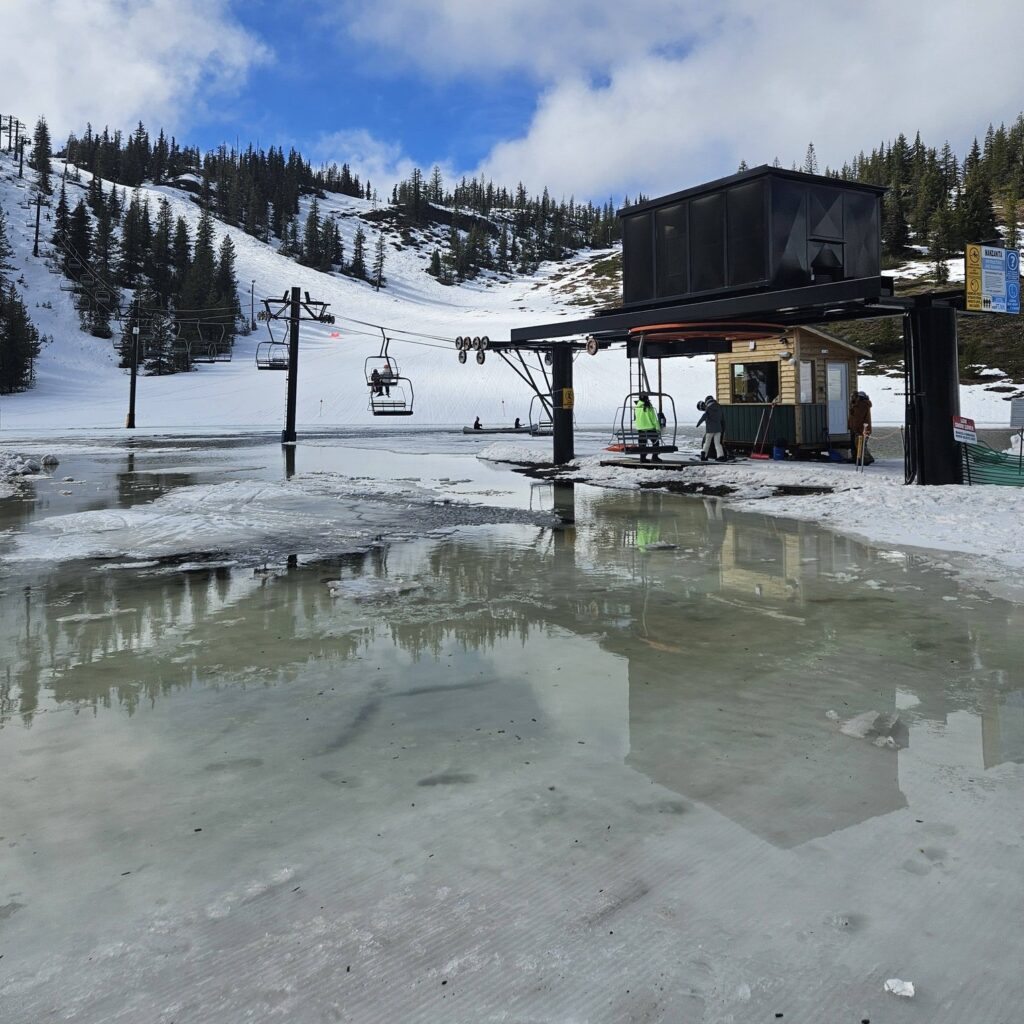
The economic impact of the 2025-2026 season has been felt most acutely in the multi-billion dollar winter tourism industry. Ski resorts at lower elevations, such as Hoodoo Ski Area in Oregon, faced unprecedented challenges, including unscheduled "pond skims" in mid-March as melting snow flooded base areas. The inconsistency of the season led to a significant reduction in seasonal employment and a dip in revenue for mountain communities that rely on winter visitors to sustain their local economies.
Ecologically, the early melt-out sets the stage for a dangerous summer. Low snowpacks are historically correlated with increased wildfire risk, as forest fuels dry out earlier in the season. Furthermore, the lack of late-season snowmelt leads to "baseflow" issues in rivers. When stream levels drop and temperatures rise in mid-summer, it creates lethal conditions for fish populations and reduces the quality of water available for downstream irrigation.
Analysis: Variability vs. Long-Term Trends
Climatologists emphasize that while the 2025-2026 season was extreme, it must be analyzed within the context of both short-term variability and long-term climate trends. The "boom or bust" nature of Western winters means that a lean year can be followed by a record-breaking one. However, the long-term data—such as that recorded at the Hogg Pass SNOTEL site over the last several decades—shows a clear downward trend in maximum Snow Water Equivalent.
The warming trend is effectively shrinking the "window" of winter. Even in years with high precipitation, rising baseline temperatures mean that more of that precipitation falls as rain rather than snow, and the snow that does fall is more susceptible to mid-winter melt events. The 2025-2026 season serves as a "stress test" for a future where these conditions may become the new statistical average rather than an outlier.
Conclusion: A Call for Adaptive Management
The 2025-2026 snow season has left the Western United States in a precarious position. The "glass half full" perspective suggests that the region’s man-made infrastructure can mitigate some of the immediate shortages, but the loss of the "snow reservoir" is a blow that cannot be easily countered by engineering alone. As communities face the prospect of a hot, dry summer, the focus must shift toward adaptive water management, conservation, and a deeper understanding of the fragile link between temperature and water security.
Dr. David Hill, a professor at Oregon State University and National Geographic Explorer, notes that the grief and disappointment felt by those who love the mountains is a legitimate response to a changing landscape. "Snow and cold are elemental and essential to us all," Hill observed in his analysis of the season. As the West prepares for the challenges of 2026 and beyond, the lessons of this "hot mess" of a winter will likely inform water policy and climate adaptation strategies for decades to come. The primary challenge remains: how to manage a water-dependent civilization in a region where the most important reservoir—the snow—is increasingly under threat.
