

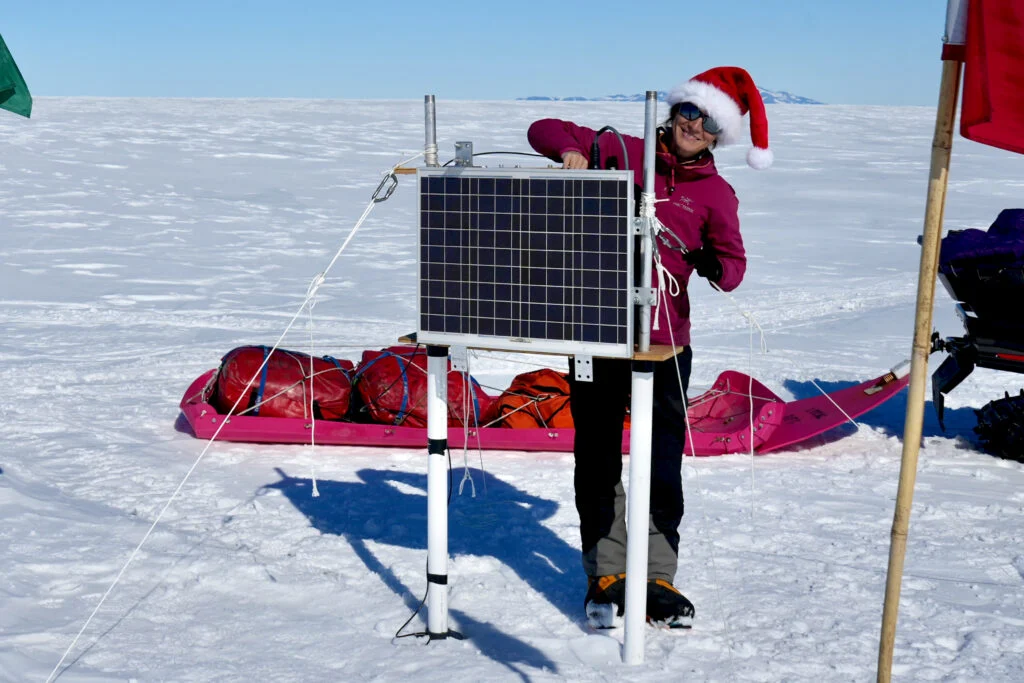
At the southern extremity of the planet, a team of glaciologists is grappling with a question that carries profound implications for the future of global civilization: how long can Antarctica’s ice shelves continue to withstand the pressures of a warming atmosphere and ocean? Dr. Ali Banwell, a prominent Research Scientist at the University of Colorado Boulder and a Professor in Glaciology at Northumbria University, recently concluded a critical field season on the McMurdo Ice Shelf. As a member of the Protect Our Winters (POW) Science Alliance, Dr. Banwell’s mission extends beyond academic inquiry; it is a race to provide the data necessary to predict the rate of global sea-level rise and the subsequent fate of the world’s coastal regions.
The research, funded by the National Science Foundation (NSF), focuses on the structural integrity of ice shelves—the floating extensions of the Antarctic ice sheets that act as a "last line of defense" for the continent. These massive floating platforms ring approximately 75% of the Antarctic coastline, performing a vital mechanical role known as "buttressing." By providing resistance against the flow of land-based glaciers, ice shelves slow the movement of ice into the ocean. However, as global temperatures climb, these barriers are showing signs of unprecedented stress, leading scientists to investigate the specific mechanisms that precede a total collapse.
The Mechanics of Buttressing and the Threat of Sea-Level Rise
To understand the urgency of Dr. Banwell’s research, one must look at the sheer scale of the Antarctic Ice Sheet. Current glaciological data suggests that if the entire Antarctic Ice Sheet were to melt, global sea levels would rise by approximately 190 feet (58 meters). While such a total collapse is not projected in the immediate future, the mechanisms that could trigger significant, irreversible ice loss are already in motion.
Ice shelves do not contribute directly to sea-level rise when they melt, as they are already floating in the water. Their value lies in their ability to hold back the ice that remains on land. When an ice shelf thins or collapses, the glaciers behind it accelerate their flow into the sea. This process, known as marine ice sheet instability, is a primary concern for climate scientists. Current projections suggest a global sea-level rise of one to three feet over the next century, a change that would displace tens of millions of people and cause trillions of dollars in infrastructure damage to coastal cities like New York, Shanghai, and London.
Chronology of the McMurdo Ice Shelf Expedition
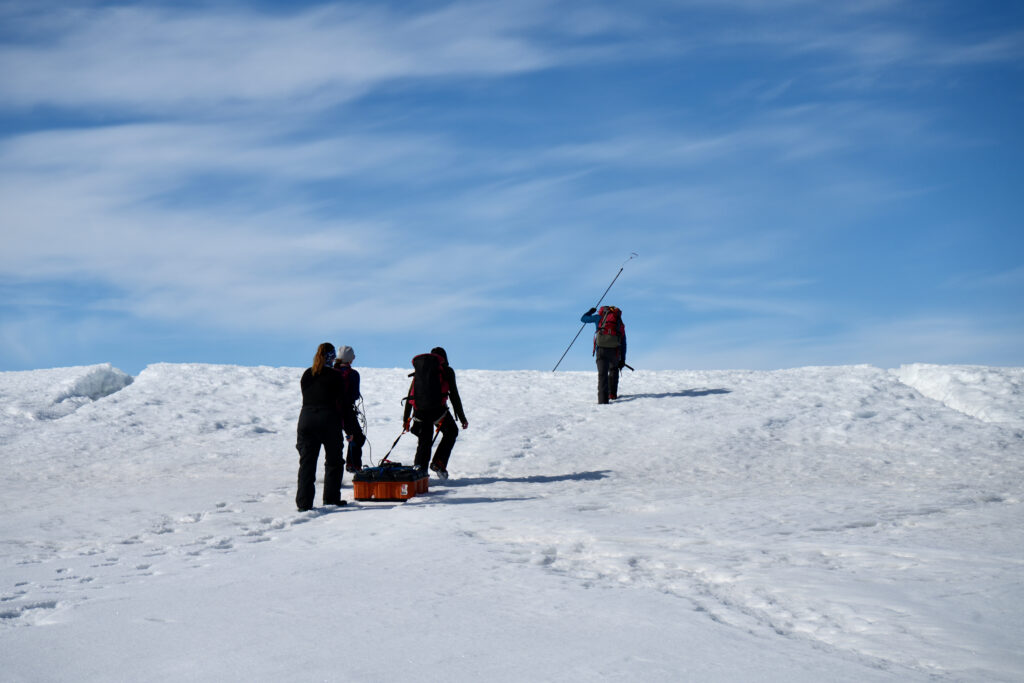
The most recent field season involved a rigorous six-week deployment on the McMurdo Ice Shelf, located near the United States’ McMurdo Station on Ross Island. Dr. Banwell led a specialized team of four, including Co-Principal Investigator Ryan Cassotto (University of Colorado Boulder/University of Maine) and PhD students Michela Savignano and Allie Berry.
The expedition followed a precise operational timeline designed to maximize data collection during the brief Antarctic summer:
- Deployment and Site Selection: The team arrived at McMurdo Station and underwent specialized mountaineering and survival training, essential for navigating the crevasse-riddled terrain.
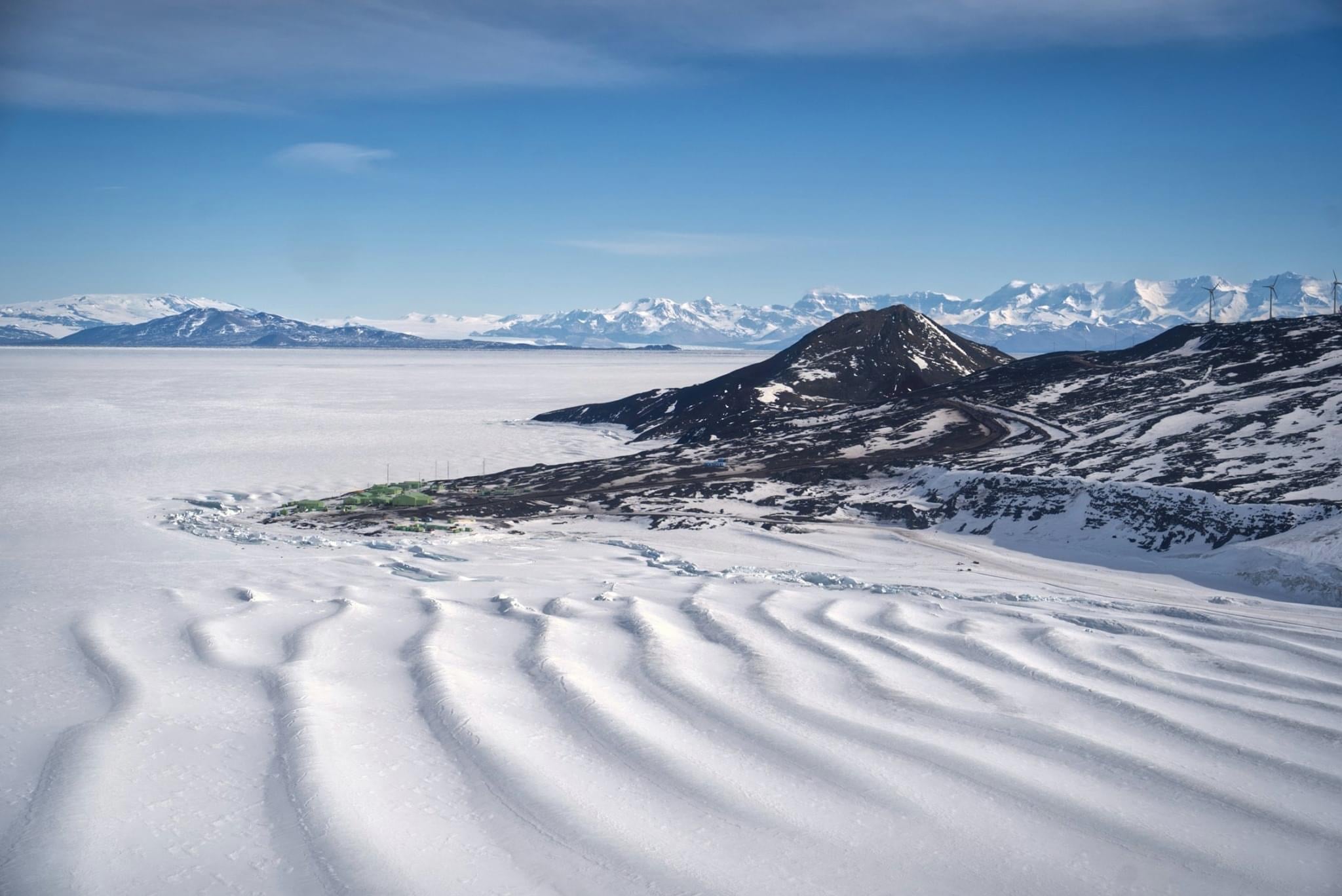
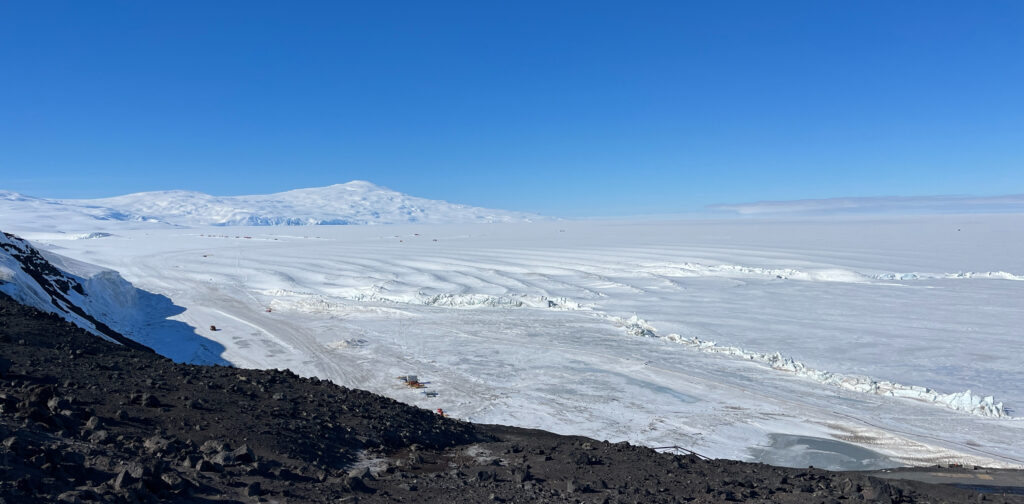
- Instrument Installation: Over the course of several weeks, the team traveled daily via snowmobile to the "rumple zone"—a specific area where the ice shelf is pushed against land, causing it to buckle and fracture.
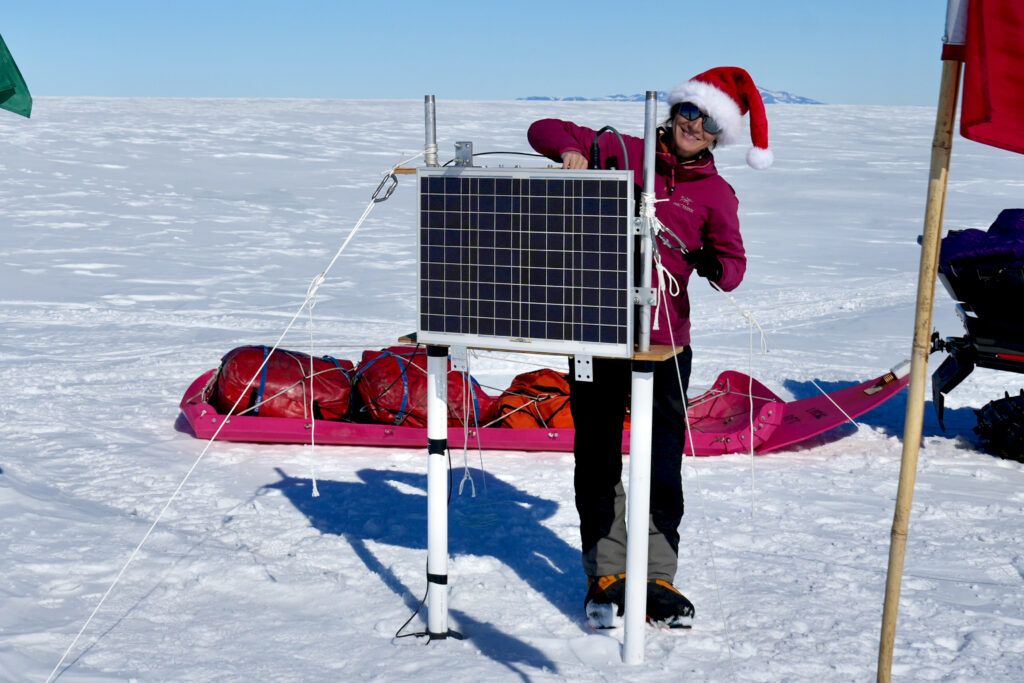
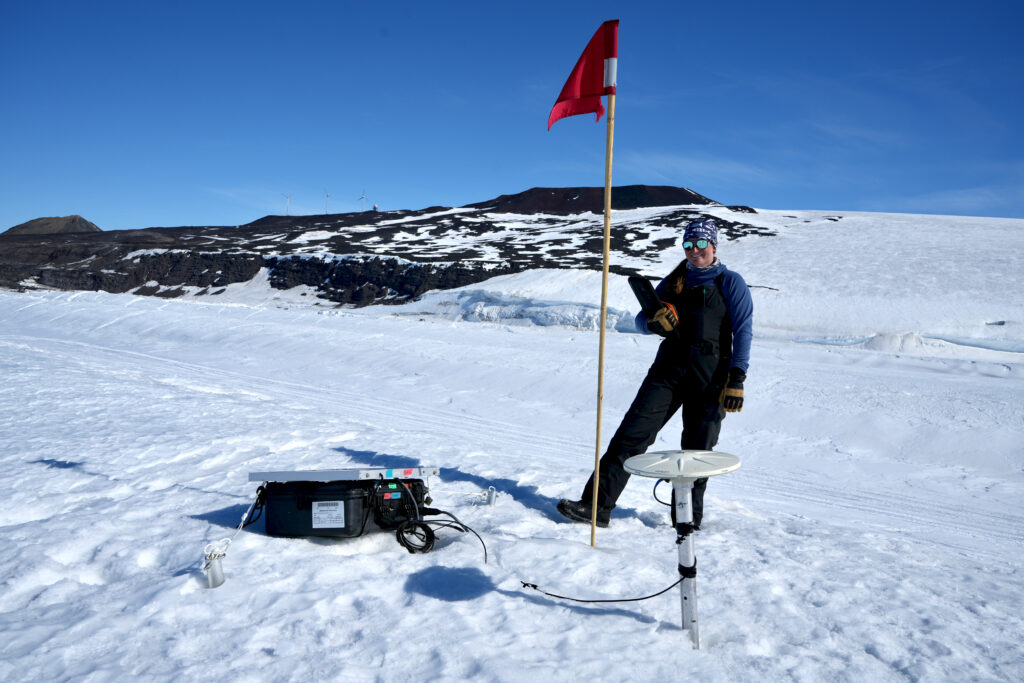
- Sensor Network Integration: The team established a comprehensive monitoring network. This included seismometers to detect the "icequakes" associated with internal cracking, high-precision GPS units capable of tracking ice movement to the centimeter, and radar systems to measure ice thickness and internal deformation.
- Long-term Monitoring Setup: Before departing, the team installed weather stations and automated cameras programmed to capture images every 30 minutes. These instruments were left behind to collect data autonomously through the harsh Antarctic winter.
Investigating the "Rumple" Phenomenon
A central focus of Dr. Banwell’s current research is the study of "ice shelf rumples." Unlike typical ice shelves that flow outward toward the open sea, parts of the McMurdo Ice Shelf are being compressed against stationary land features. This compression causes the ice to crumple into wave-like ridges, or rumples, which can stretch across the surface for miles.
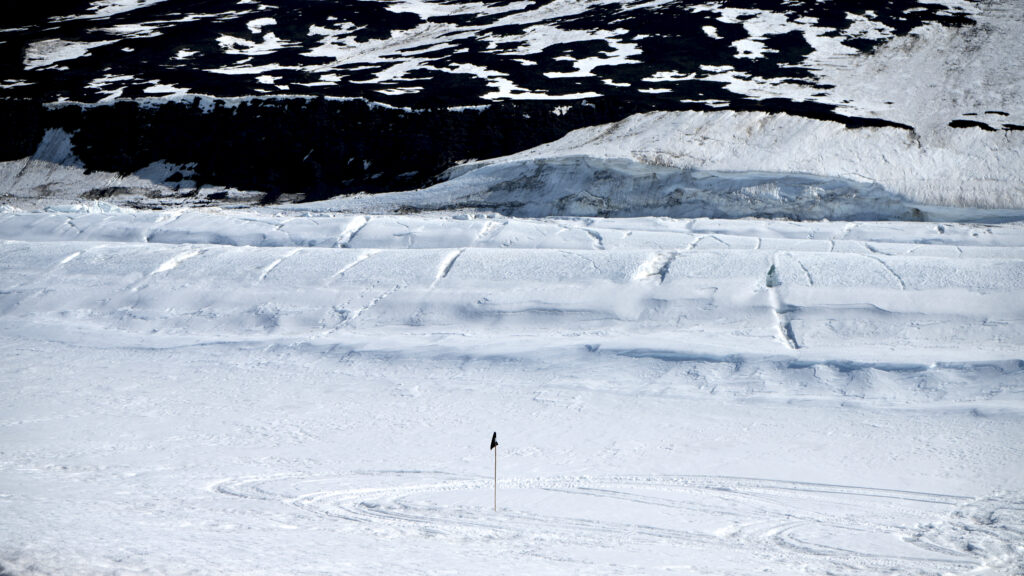
The scientific community is currently divided on the role these rumples play in ice shelf stability. Dr. Banwell’s research aims to answer a fundamental question: do these rumples provide additional buttressing by anchoring the ice shelf to the seabed or land, or do the fractures caused by this buckling make the shelf more vulnerable to catastrophic break-up?
The data collected during this expedition is expected to provide the first high-resolution look at how these features behave under stress. By measuring the rate of fracturing and the speed of ice flow through the rumple zone, the team hopes to refine the computer models used to predict ice shelf longevity across the entire continent.
Observations of a Warming Continent
The field season provided immediate, unsettling evidence of the changing Antarctic climate. Dr. Banwell noted that this was the warmest of the seven summers she has spent working on the continent. The increased temperatures led to an early snowmelt, which revealed a surface far more fractured than in previous years.
"We found a far more fractured ice surface," Dr. Banwell reported. "The team encountered more crevasses than anticipated." This increased fracturing is a direct result of surface meltwater percolating into existing cracks—a process known as hydrofracturing—which can cause ice shelves to disintegrate rapidly, as seen in the 2002 collapse of the Larsen B Ice Shelf.
In addition to the physical changes in the ice, the team observed that the glacier ice was moving at a rate of one to two feet per day. While this may seem slow by human standards, it represents a highly dynamic and rapidly changing environment. This movement, coupled with the record-breaking heat, underscores the volatility of the region.
The Role of Technology in Glaciology
The technological suite deployed by Dr. Banwell’s team represents the cutting edge of polar research. The seismometers used are sensitive enough to detect the micro-fractures that occur deep within the ice, providing a "heartbeat" of the ice shelf’s internal health. Meanwhile, the radar systems offer a three-dimensional view of the ice’s internal layers, allowing scientists to see how the shelf has deformed over decades.
This ground-based data is essential for "ground-truthing" satellite observations. While satellites can provide a broad overview of Antarctic ice loss, they lack the granular detail necessary to understand the physics of ice shelf failure. By combining the team’s localized measurements with satellite data, researchers can create more accurate simulations of how Antarctica will respond to various global warming scenarios.
Broader Implications and Future Research
The implications of Dr. Banwell’s work extend far beyond the Antarctic circle. As the "last line of defense," the stability of ice shelves is the primary variable in determining the speed of global sea-level rise. If the McMurdo Ice Shelf and others like it continue to thin and fracture at their current rates, the acceleration of land-based ice into the ocean will become inevitable.
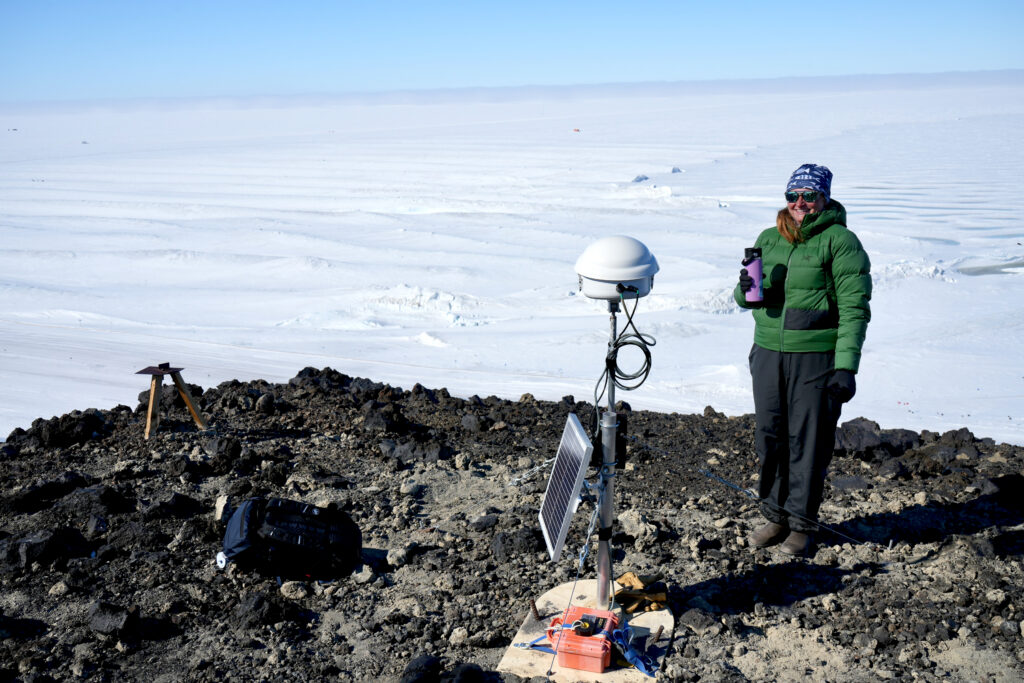
The team is scheduled to return to the McMurdo Ice Shelf in the next field season to retrieve the instruments and the data they have collected throughout the Antarctic winter. This dataset will include months of continuous seismic signals, GPS tracks, and photographs captured in total darkness and extreme cold.
The scientific community awaits this data with high stakes. As Dr. Banwell emphasizes, even small changes in ice movement—measured in feet per day—can lead to global shifts measured in feet of sea-level rise. The work being conducted by the University of Colorado Boulder and Northumbria University team is a critical component of the global effort to mitigate the impacts of climate change.
Conclusion: The Urgency of the Antarctic Mission
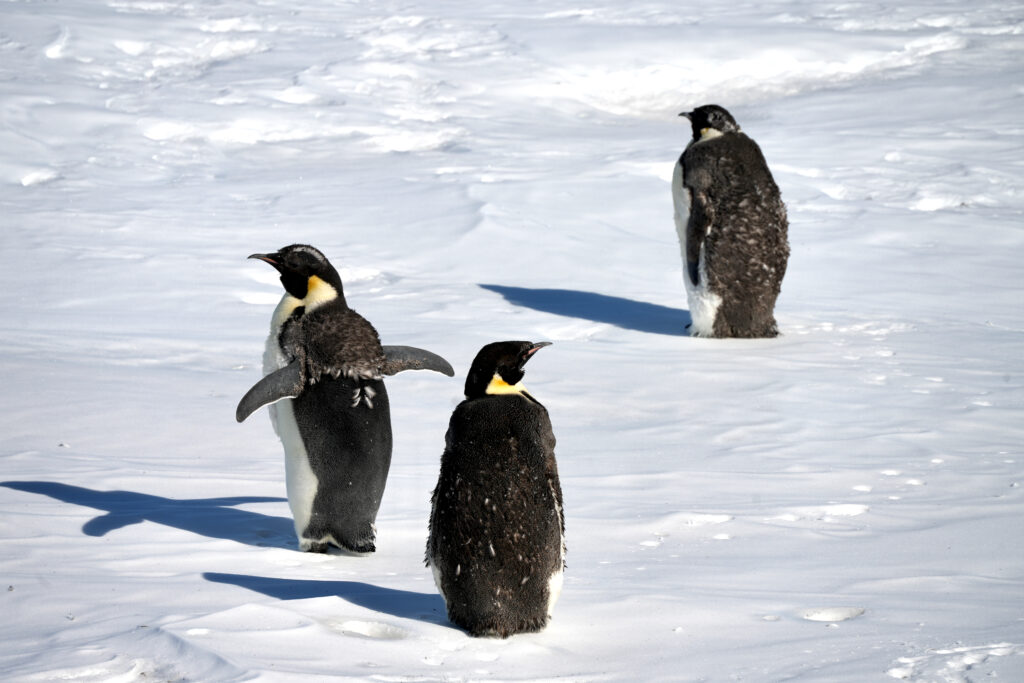
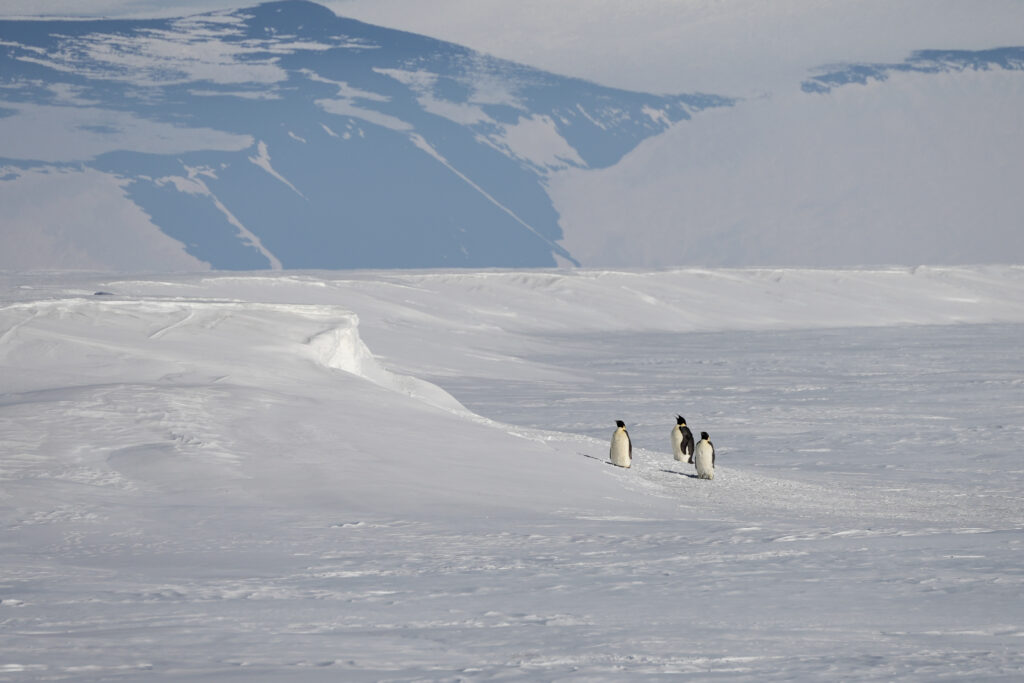
The research led by Dr. Ali Banwell serves as a sobering reminder of the interconnectedness of the global climate system. The remote, otherworldly landscape of the McMurdo Ice Shelf is not a disconnected wilderness; it is a critical regulator of the global ocean. The presence of molting emperor penguins near the research site served as a constant reminder to the team of the biological diversity that also depends on the stability of the ice.
As global temperatures continue to trend upward, the frequency of ice-shelf break-up events is expected to increase. The insights gained from the "rumple" zones of Antarctica will be vital for policymakers and coastal planners worldwide. In the race against rising seas, the scientists willing to endure the Antarctic winter and listen to the "quiet" data of the ice are providing the most essential maps for our collective future.
