

The 2025-2026 snow season across the Western United States has concluded as a historic anomaly, characterized by scientists and meteorologists as a "hot mess" that challenged traditional understandings of winter hydrology. While precipitation levels across several key basins remained near historical averages, an unprecedented surge in seasonal temperatures effectively neutralized the benefits of that moisture, resulting in a snowpack that was both thin and ephemeral. As the region transitions into the summer months, the implications for water management, agricultural stability, and wildfire risk have become the primary focus of state and federal agencies. The season was marked by a series of operational disruptions at major ski resorts and a record-shattering early melt-out that has left the "natural reservoir" of the high country largely empty months ahead of schedule.
The Climatological Paradox: Moisture Without Frost
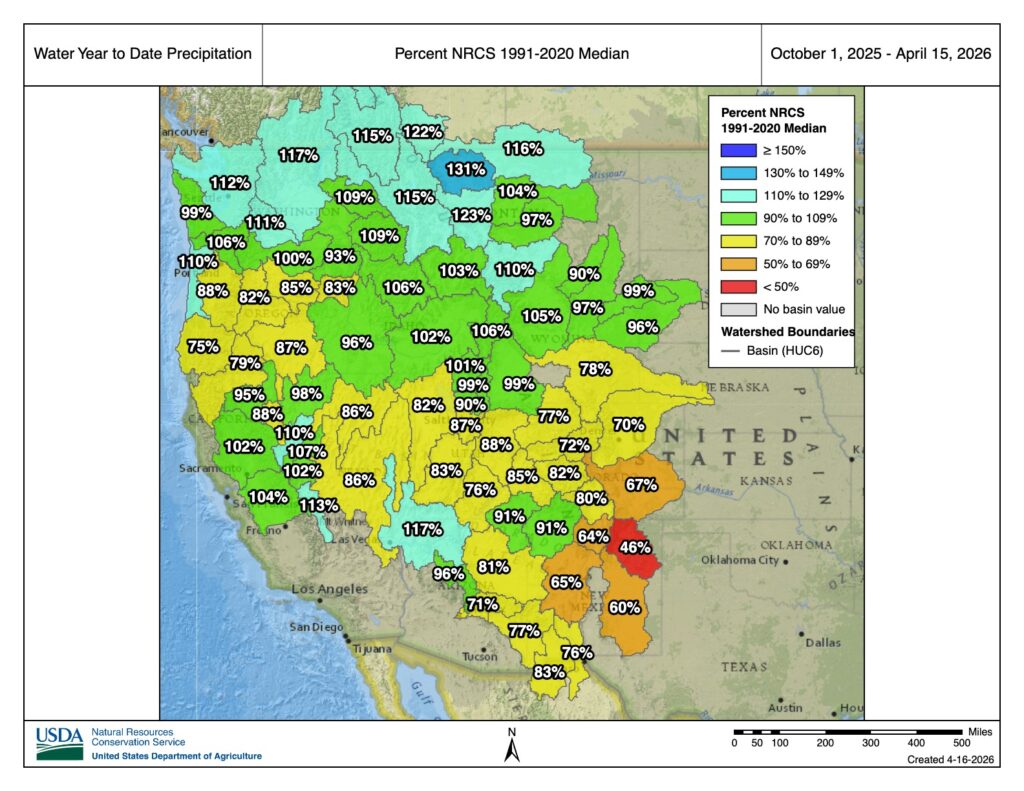
The fundamental recipe for a robust snowpack requires a delicate balance of precipitation and sustained sub-freezing temperatures. During the 2025-2026 water year, the "wet" component of this equation was largely present. Data from the Natural Resources Conservation Service (NRCS) indicates that the Pacific Northwest and parts of the Northern Rockies experienced precipitation levels that were, in some sectors, slightly above average. Washington, Idaho, Montana, and northwest Wyoming saw consistent storm tracks throughout the winter months. Conversely, Utah, Colorado, and Oregon trended slightly drier, yet none of these regions faced the type of catastrophic "precipitation drought" seen in previous decades.
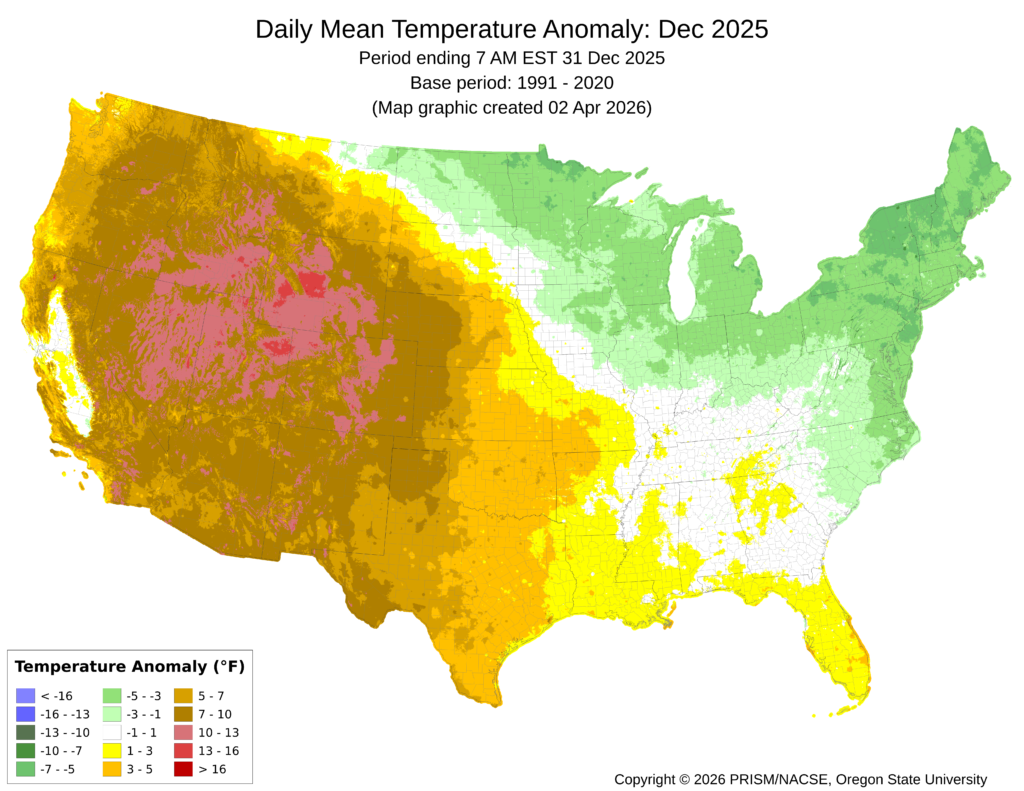
The failure of the season originated not from a lack of storms, but from the temperature of those storms. Throughout the Western United States, the 2025-2026 season was dominated by a persistent warm bias. This was most pronounced in December, a month critical for establishing the base layer of the seasonal snowpack. Climatological maps from the PRISM Climate Group revealed temperature anomalies ranging from 5 to 15 degrees Fahrenheit above the long-term average across the West. While the Northeast and Upper Midwest experienced occasional cold snaps with temperatures dipping 5 degrees below average, the West remained trapped in a thermal regime more indicative of late autumn or early spring.
This warmth fundamentally altered the "rain-snow line"—the elevation at which falling precipitation turns from liquid to solid. High-altitude peaks that typically receive several feet of powder in December were instead subjected to heavy rainfall. This rain-on-snow event not only failed to build the snowpack but actively accelerated the melting of what little snow had accumulated during the early autumn.
A Chronology of Disruption and "Moving Goalposts"
The 2025-2026 season was defined by a series of delayed expectations for winter sports enthusiasts and industry stakeholders. The initial hope among ski resort operators was for a robust opening by the Thanksgiving holiday, a traditional benchmark for the industry. When the warmth of November persisted, expectations were shifted to the New Year’s holiday. However, the extreme temperature anomalies of December forced many resorts to rely exclusively on snowmaking, which proved difficult as overnight lows frequently stayed above the threshold required for efficient production.
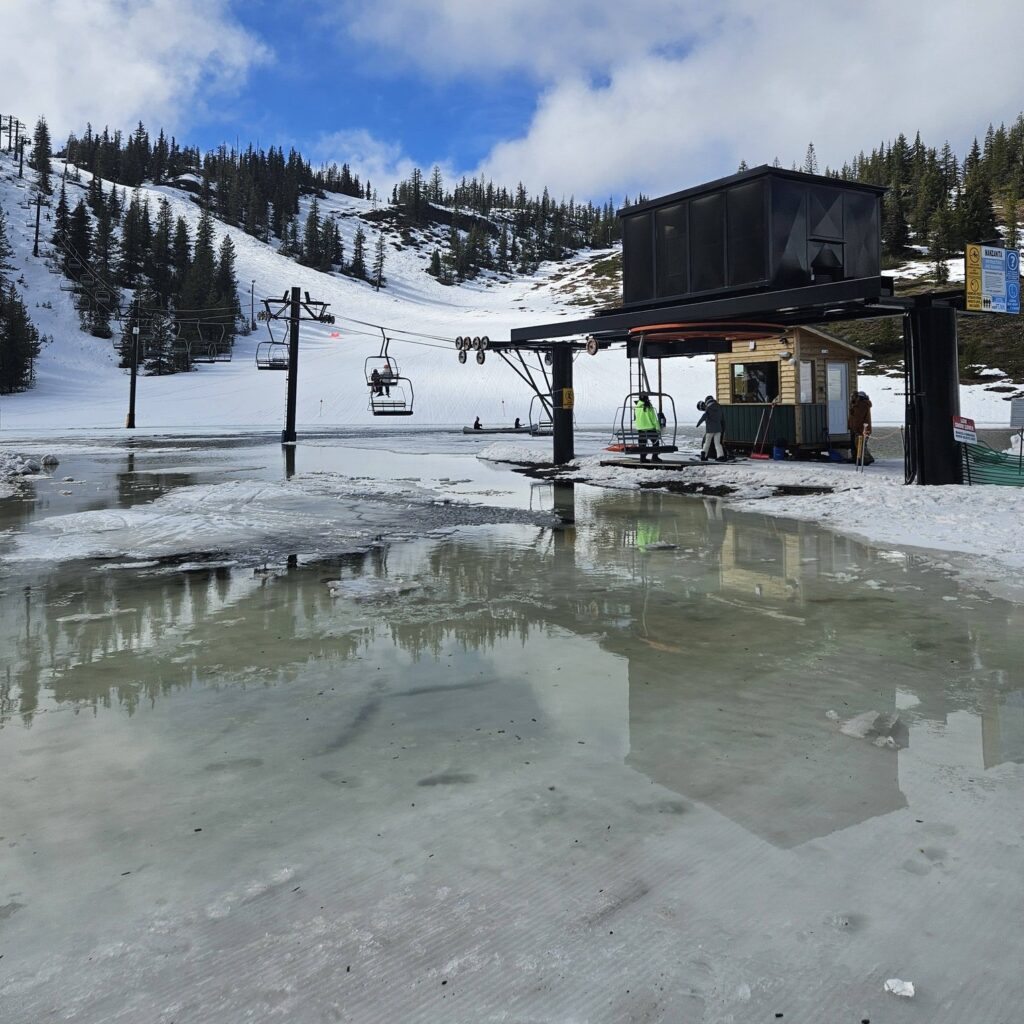
By mid-January, the "goalposts" for a successful season moved again, first to Martin Luther King Jr. Day weekend and then to President’s Day. In many locations, including the Santiam Pass in Oregon, the lack of consistent cold led to unusual mid-season phenomena. At Hoodoo Ski Area, an unscheduled "pond skim"—an event usually reserved for the final days of the spring season—occurred in mid-March due to rapid melting and standing water on the runs.
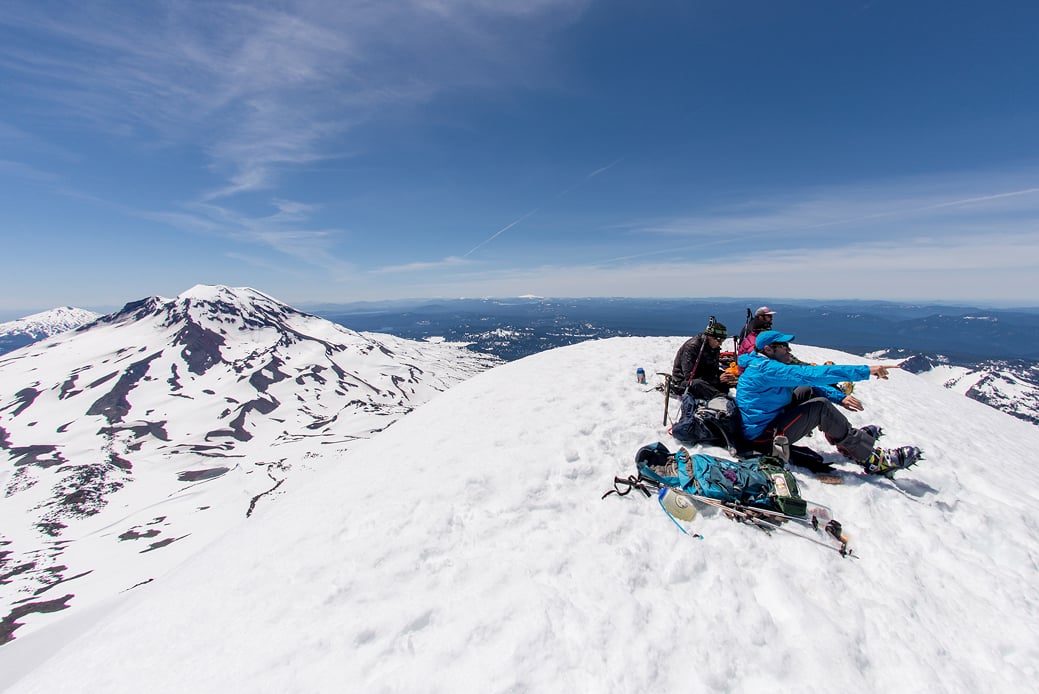
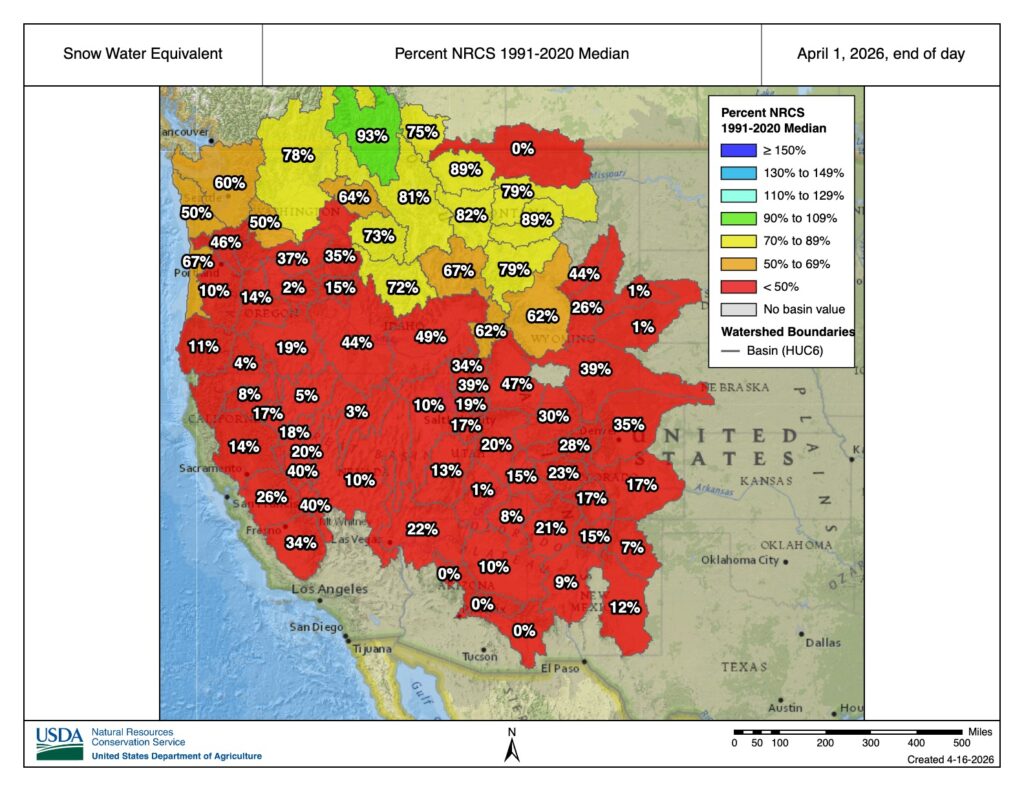
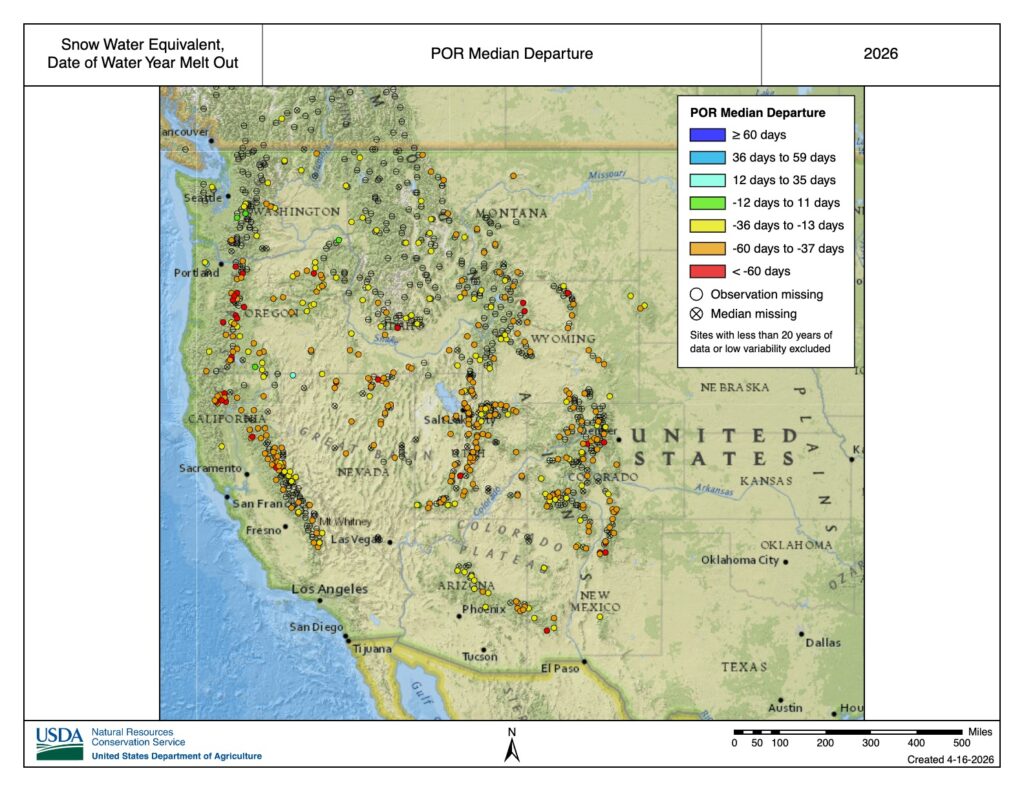
The peak of the snowpack, typically measured on April 1, provided the most sobering data of the year. In many observation stations across the Cascades and the Sierra Nevada, Snow Water Equivalent (SWE) values—a measure of how much liquid water is contained within the snow—were a mere fraction of the long-term average. Several stations reported their lowest peak SWE values in 45 years. The "snow off" dates, which mark the point at which the ground becomes bare, occurred not just days or weeks early, but in some instances, two full months ahead of schedule.
The Hydrological Cycle and the Importance of Snow Storage
To understand the gravity of the 2025-2026 season, it is necessary to examine the broader context of Earth’s water distribution. While the planet is often called the "Blue Marble," the amount of accessible freshwater is remarkably small. If all of Earth’s water were gathered into a single sphere, its diameter would be only 10% of the Earth’s total diameter. Of that, less than one-hundredth of one percent is available in a form that can support human infrastructure and daily needs.
In the Western United States, the seasonal snowpack serves as the most critical component of the water supply infrastructure. While man-made reservoirs like Lake Mead and Lake Powell are essential, they are dwarfed by the storage capacity of the mountains. At its peak, the snowpack in the contiguous United States holds approximately five times the volume of water stored in Lake Mead.
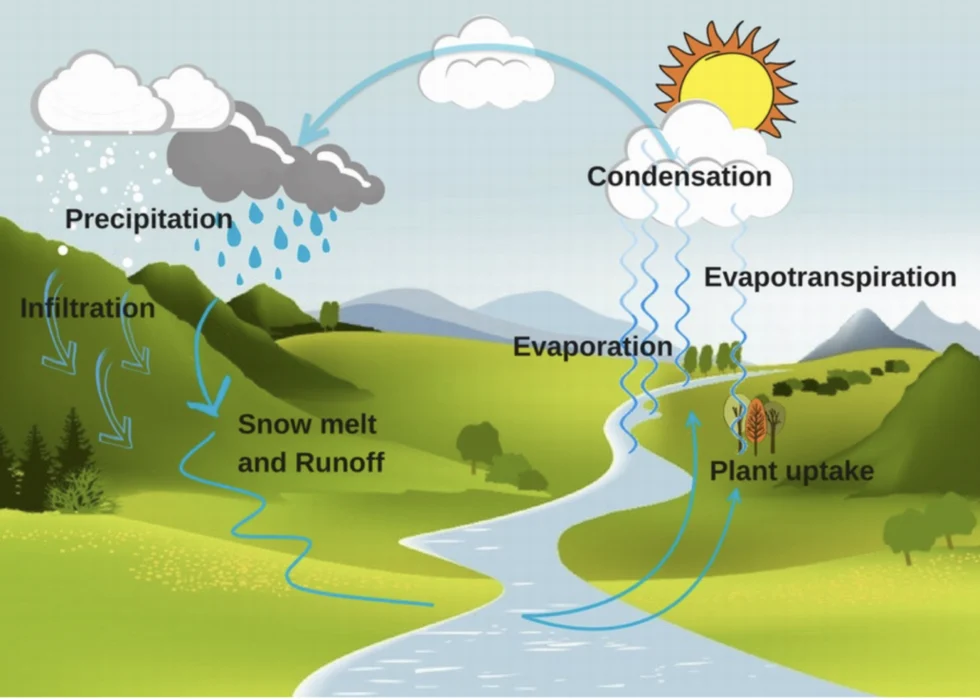
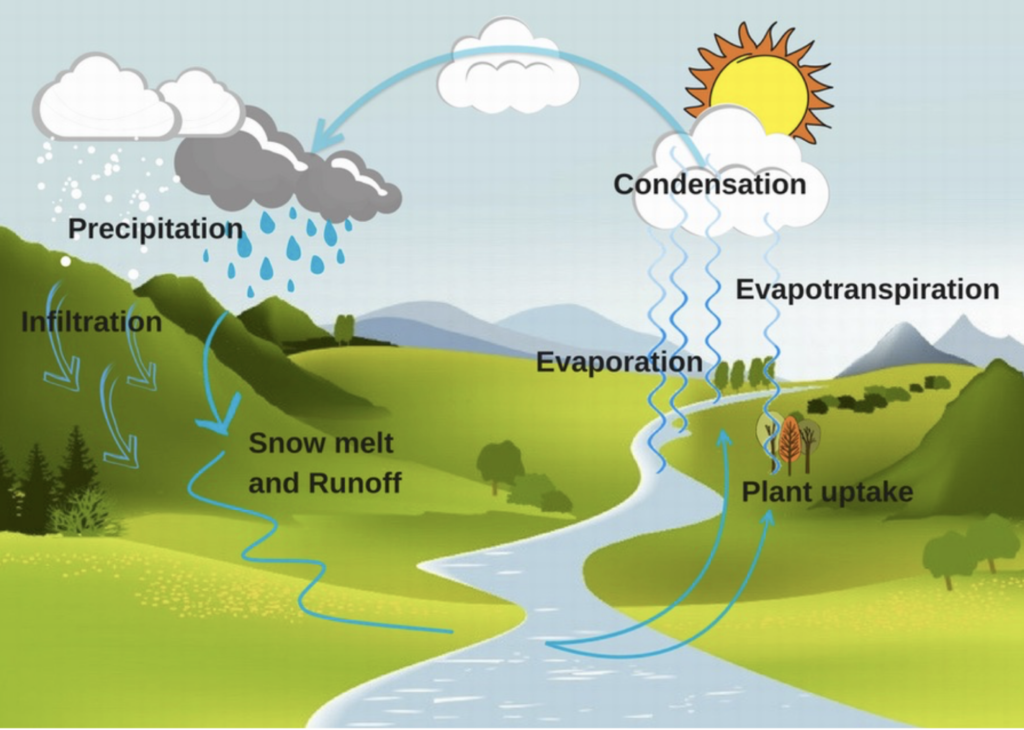
The "superpower" of snow lies in its ability to act as a temporal buffer. It captures precipitation in the winter when demand is low and releases it slowly during the late spring and summer when demand for irrigation and municipal use peaks. This slow release ensures that stream temperatures remain cool—a vital requirement for salmonids and other aquatic species—and reduces the risk of catastrophic downstream flooding that occurs when winter storms fall as rain rather than snow.
Regional Impacts: The Colorado River Basin and Beyond
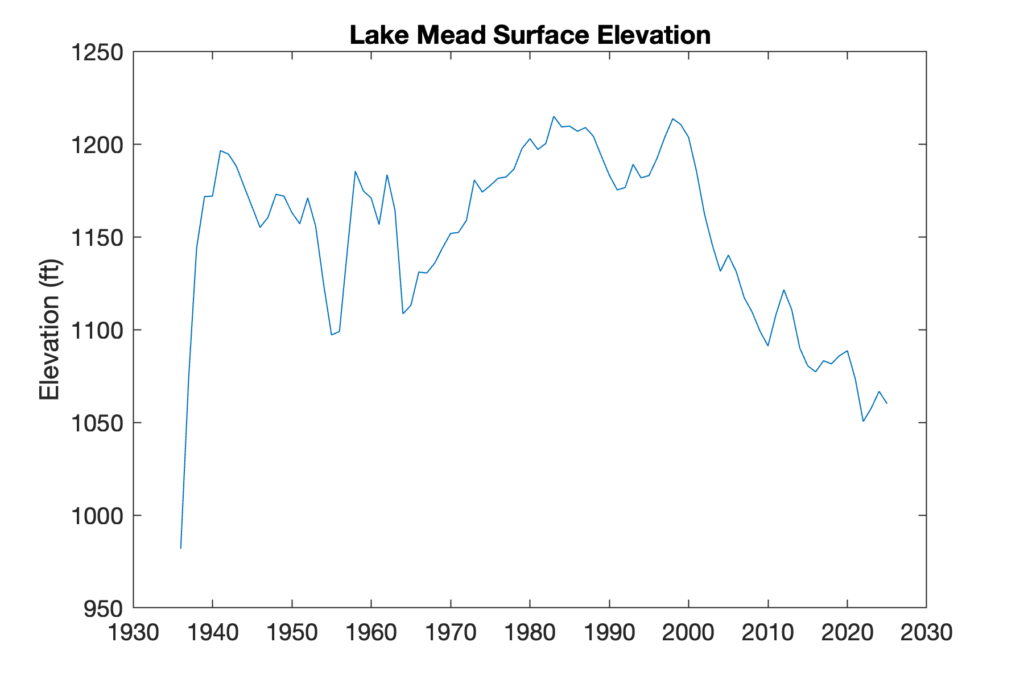
The 2025-2026 season has exacerbated an already precarious situation in the Colorado River Basin. Years of consecutive dry conditions and rising temperatures have led to a steady decline in the elevation of Lake Mead, the reservoir behind the Hoover Dam. The failure of the high-altitude snowpack in the Rocky Mountains this season has forced water managers into urgent negotiations regarding the allocation of runoff.
The "lower basin" states—California, Arizona, and Nevada—and the "upper basin" states—Colorado, Utah, Wyoming, and New Mexico—are facing a future where the "insurance policy" provided by the snowpack is no longer reliable. The 2025-2026 data suggests that even in years with "average" precipitation, the increasing "thirst" of the atmosphere (vapor pressure deficit) and the lack of cold storage are creating a net deficit in available water.
In Oregon and Washington, the early melt-out has raised alarms regarding the upcoming wildfire season. When snow vanishes two months early, the underlying forest fuels—timber, brush, and grasses—begin to dry out much sooner. This extends the window of high fire danger and places additional strain on state and federal firefighting budgets.
Analysis of Long-Term Trends: Boom, Bust, and the Shifting Baseline
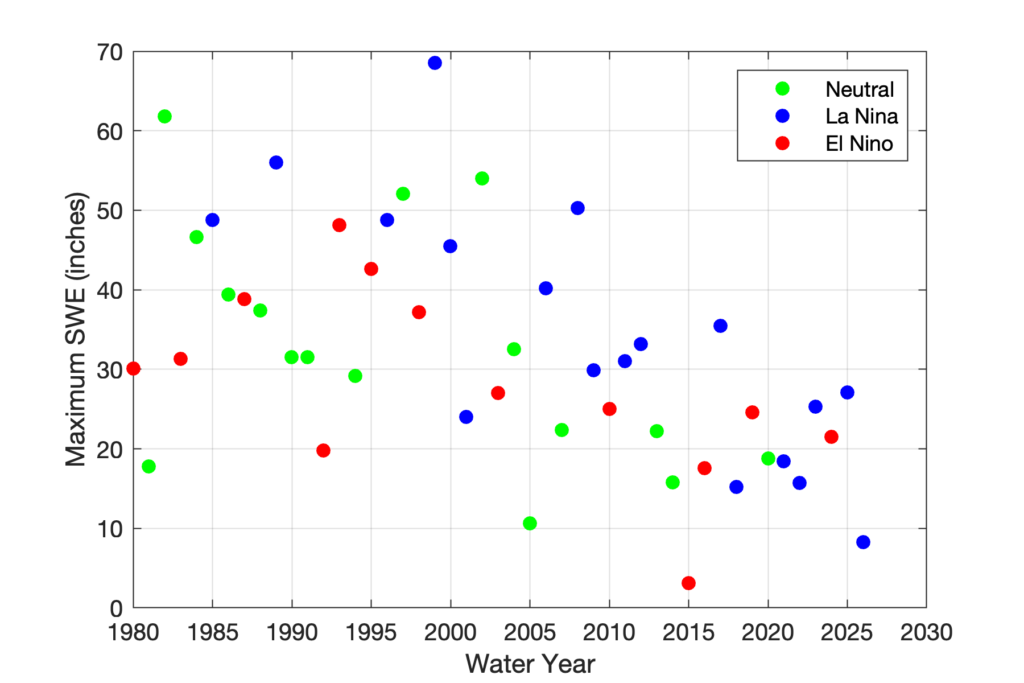
The 2025-2026 season is part of a documented long-term trend of "snow droughts" in the American West. While the region has always been characterized by high interannual variability—often described as "feast or famine"—the baseline is shifting. Historical data from sites like the Hogg Pass SNOTEL in Oregon show that while individual years may still reach record highs, the overall trend in maximum annual SWE is declining.
Dr. David Hill, a professor at Oregon State University and a National Geographic Explorer who has studied mountain hydrology for over 25 years, notes that the unpredictability of snow is becoming its most consistent feature. The "boom or bust" nature of the cryosphere means that a lean year can be followed by a record-breaking winter, but the warming trend acts as a "weight" on the scale, making the "bust" years more frequent and more severe.
The 2025-2026 season serves as a "stress test" for regional water management strategies. It highlights the limitations of existing infrastructure, which was designed under the assumption that snow would remain on the peaks until early summer. As the rain-snow line continues to climb, the Western U.S. may need to pivot toward alternative storage solutions, such as managed aquifer recharge, where excess winter runoff is pumped into underground basins rather than being allowed to flow out to sea or evaporate from surface reservoirs.
Conclusion: The Path Forward
The 2025-2026 winter has left a legacy of disappointment for those who view snow through the lens of recreation, but for water managers and climatologists, it has provided a stark warning. The "glass half full" perspective offered by some analysts suggests that the presence of precipitation—even if it fell as rain—prevented a more traditional, catastrophic drought. However, the loss of the "snow reservoir" represents a fundamental change in how the West must manage its most precious resource.
As the region moves into a summer likely defined by low streamflows and heightened fire risk, the data from this "hot mess" of a season will be used to refine climate models and water allocation policies. The 2025-2026 season reinforces the reality that in a warming world, "average" precipitation is no longer a guarantee of water security. The survival of the Western United States’ agricultural and municipal systems will increasingly depend on a deeper understanding of the cryosphere and a rapid adaptation to a future where winter is both shorter and warmer.
