

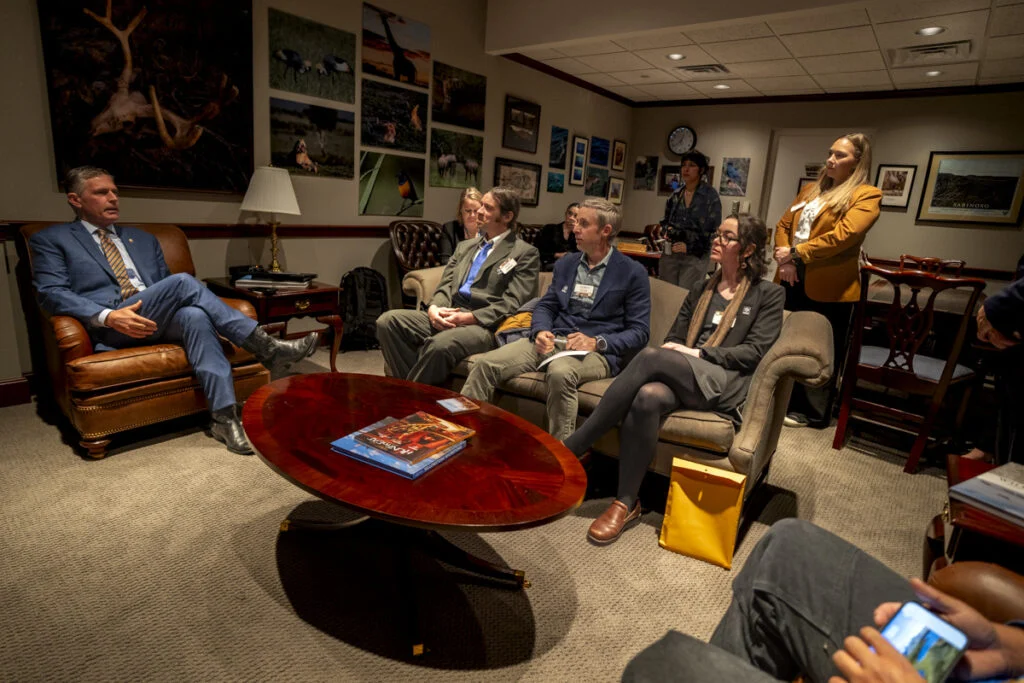
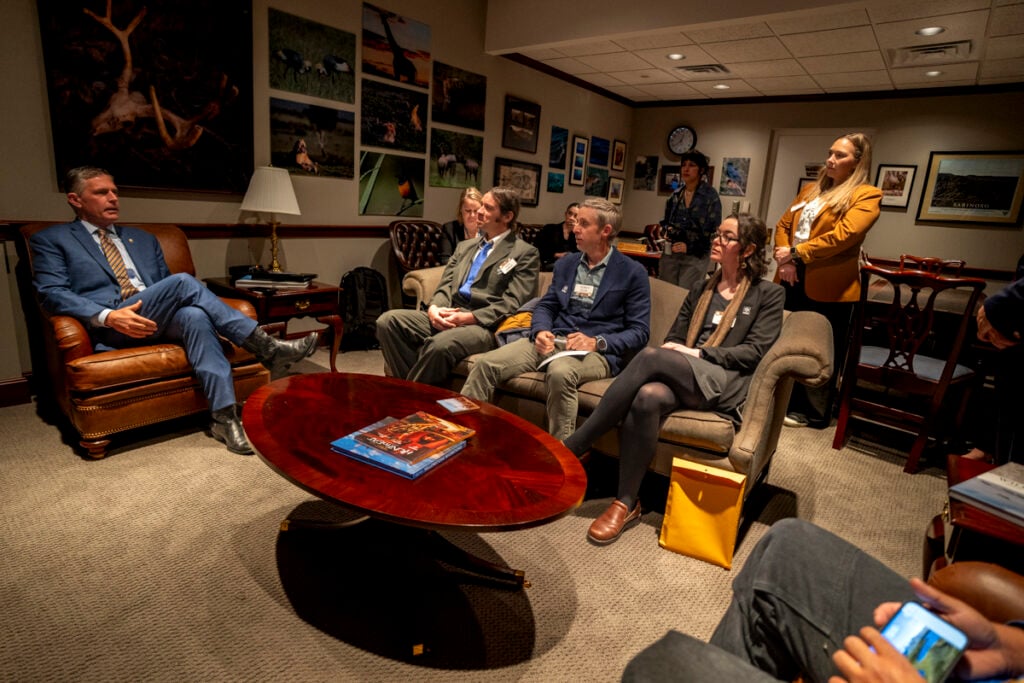
In a concentrated effort to influence federal land management policy, a high-profile coalition led by Protect Our Winters (POW) and the Alaskan Wilderness League (AWL) recently descended upon Washington, D.C. to advocate for the permanent protection of the Arctic National Wildlife Refuge (ANWR) and the National Petroleum Reserve in Alaska (NPRA). The delegation, which included professional athletes, climate scientists, and Indigenous representatives, hand-delivered a comprehensive 74-page petition containing more than 6,000 signatures to members of Congress. This mobilization comes at a critical juncture in U.S. energy policy, as the executive branch moves to accelerate fossil fuel extraction in some of the nation’s most ecologically sensitive regions.
The advocacy mission, described as a strategic "fly-in," aimed to present a unified front from what the coalition terms the "Outdoor State"—a demographic representing the millions of Americans who participate in outdoor recreation and whose livelihoods often depend on stable climates and preserved public lands. The timing of the visit was particularly significant, occurring just as the Trump administration moved to sign new legislation intended to streamline the permitting process for oil and gas drilling in the Arctic. By engaging directly with lawmakers, the coalition sought to demonstrate that Arctic protection is not merely an environmental concern but a fiscal, cultural, and economic imperative.
The Legislative Context and Strategic Objectives
The Arctic National Wildlife Refuge has been a focal point of American political debate for decades. Covering approximately 19.6 million acres in northeastern Alaska, the refuge is home to the Porcupine caribou herd, polar bears, and hundreds of species of migratory birds. While the "1002 Area" of the refuge was earmarked for potential energy development under the Tax Cuts and Jobs Act of 2017, environmental advocates have fought to prevent the actualization of lease sales, citing the irreparable damage to permafrost and biodiversity.
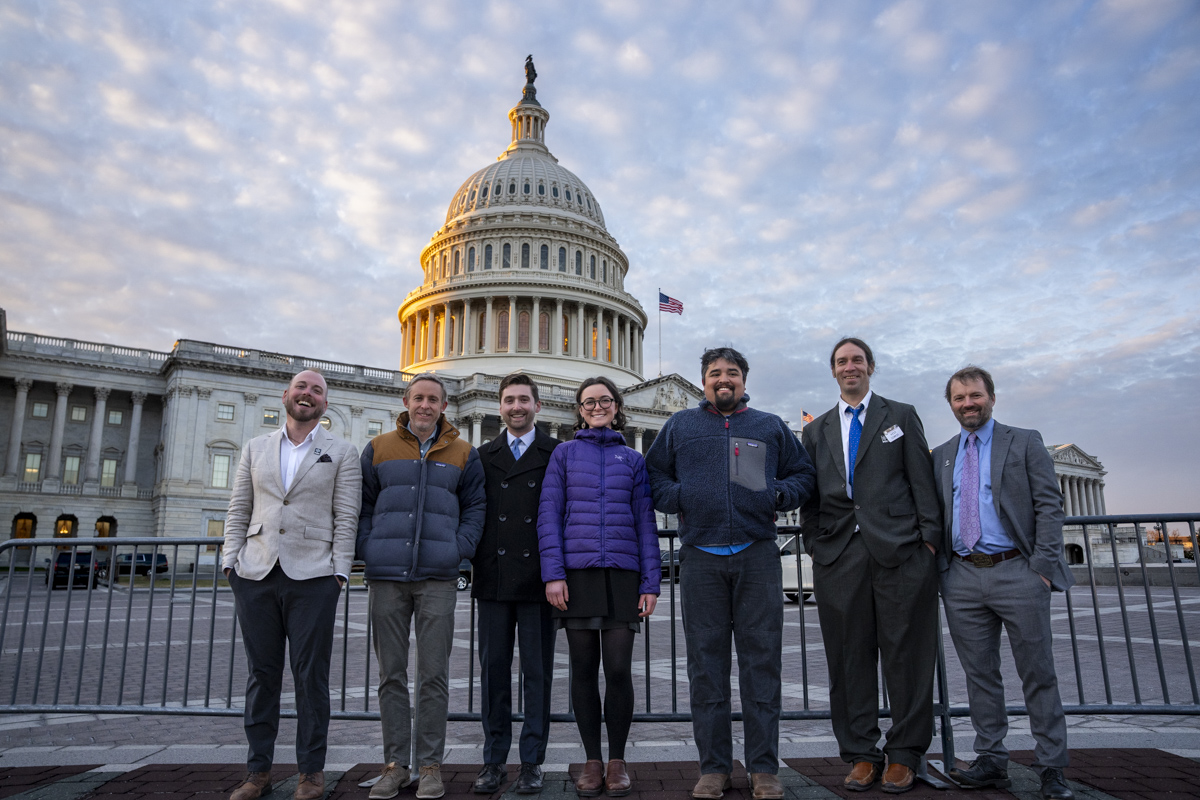
The POW-led coalition arrived on Capitol Hill with four primary objectives. First, the delivery of the 6,000-signature petition served as a tangible record of public opposition to industrialization in the Arctic. Second, the group sought to build a bipartisan case against new leasing in the NPRA, the largest tract of undisturbed public land in the United States. Third, the delegation promoted the Energizing Our Communities Act (EOCA), a legislative proposal designed to support local communities during the transition to clean energy. Finally, the mission aimed to highlight the "Outdoor State’s" economic influence, reminding lawmakers that outdoor recreation contributes significantly to the national Gross Domestic Product (GDP).
According to recent data from the Bureau of Economic Analysis, the outdoor recreation economy accounts for approximately $1.1 trillion in annual economic output and supports nearly 5 million jobs. By framing the Arctic debate through this lens, the coalition shifted the conversation from a traditional "environment versus economy" binary to one focused on long-term sustainable growth versus short-term resource extraction.
Chronology of the Advocacy Mission
The two-day event was characterized by a rigorous schedule of meetings with key House and Senate offices. The delegation included notable figures such as POW Climb Alliance member Tommy Caldwell and Creative Alliance member Brennan Lagasse, as well as scientific experts and Indigenous voices who provided lived experience regarding the changing Arctic climate.
On the first day, the coalition focused on the Senate, meeting with offices representing both sides of the aisle. The discussions centered on the financial risks associated with Arctic drilling. Advocates pointed out that the harsh conditions of the North Slope make extraction significantly more expensive than in the Lower 48, creating a high risk of "stranded assets" if global oil prices fluctuate or if carbon regulations tighten in the future. The petition was presented to staffers as a physical manifestation of the voter sentiment backing these economic arguments.
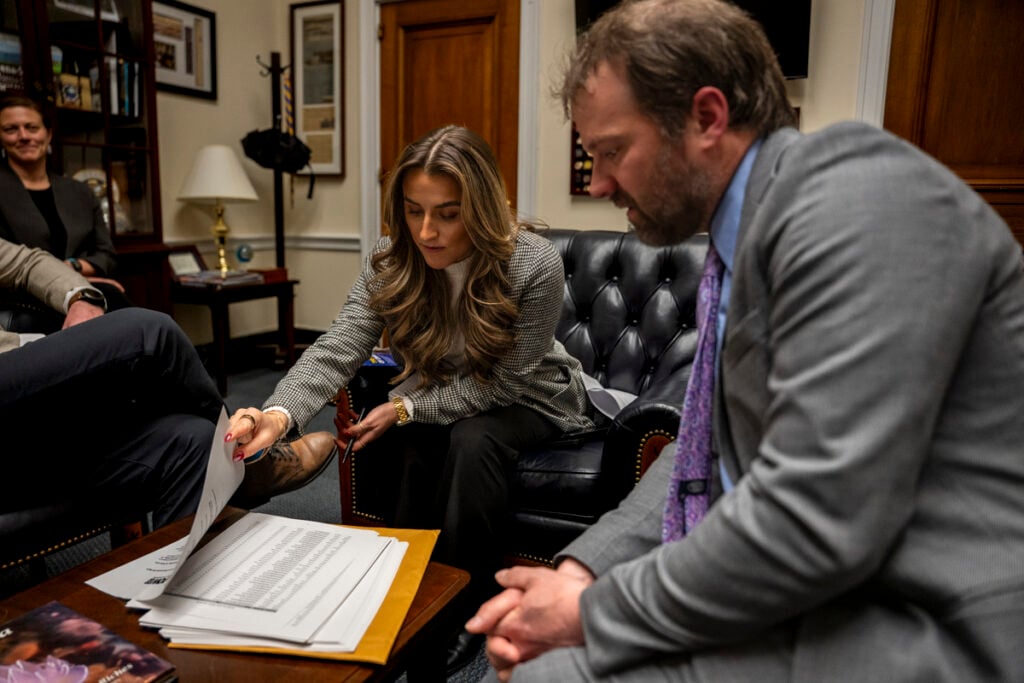
The second day shifted focus toward the House of Representatives and specific legislative solutions. A major component of these meetings was the promotion of the Energizing Our Communities Act. This bill is designed to provide grants and resources to communities hosting renewable energy projects, ensuring that the benefits of the green transition are felt at the local level. By offering a proactive policy alternative, the coalition sought to show that they were not merely "anti-drilling" but were actively supporting a pragmatic energy evolution.
Analysis of Economic and Environmental Risks
The coalition’s argument against Arctic drilling is supported by a growing body of data regarding energy market trends. Financial analysts have increasingly noted that the Arctic is one of the most expensive places on Earth to produce oil. Infrastructure must be built on permafrost that is rapidly thawing due to climate change, leading to massive engineering costs and potential environmental disasters. Furthermore, many major global financial institutions, including several of the largest U.S. banks, have previously announced policies to decline financing for new oil and gas projects in the Arctic Refuge, citing both reputational risk and the uncertain return on investment.
From an environmental standpoint, the Arctic serves as a critical carbon sink. The disturbance of these lands not only threatens local wildlife but also risks the release of massive amounts of sequestered carbon and methane from the soil. The coalition argued that opening these areas to drilling is fundamentally out of step with U.S. climate goals and international commitments to limit global warming.
Indigenous sovereignty also remained a central theme throughout the fly-in. The Gwich’in people, who refer to the Arctic Refuge as "the sacred place where life begins," rely on the caribou herds that calve in the 1002 Area. The coalition emphasized that drilling in the refuge constitutes a violation of human rights and a threat to the food security and cultural heritage of Indigenous Alaskan communities.
Official Responses and Participant Perspectives
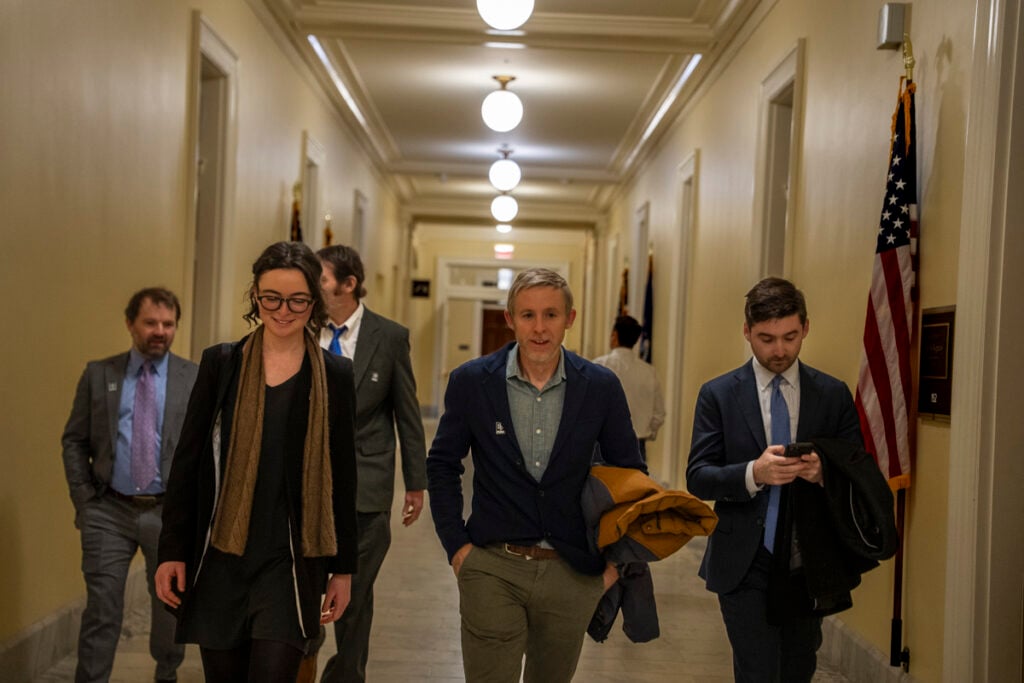
While many Democratic offices welcomed the coalition’s data and reaffirmed their commitment to blocking Arctic leases, the meetings with offices supportive of expanded drilling were more complex. Even in these settings, however, coalition members reported that their presence was impactful. Ming Poon, a member of the POW Creative Alliance, noted that the delivery of the petition created a bridge for communication, establishing that a large and vocal constituency is monitoring these legislative moves closely.
Tommy Caldwell, a world-renowned professional climber, emphasized the necessity of political engagement. Caldwell stated that policy remains the most effective tool for protecting public lands and addressing the climate crisis. His perspective reflects a broader shift within the professional athlete community, where influencers are increasingly using their platforms to advocate for systemic legislative change rather than just individual conservation efforts.
Brennan Lagasse, another member of the Creative Alliance, highlighted the "vibrant counter-balance" that the coalition provides against the momentum of the fossil fuel industry. Lagasse noted that despite the current political climate favoring deregulation, the unified voice of athletes, scientists, and Alaskans serves as a reminder to lawmakers that the protection of the Arctic remains a non-negotiable priority for a significant portion of the American public.
Broader Implications and the Path to 2026
The conclusion of the fly-in coincided with a significant policy development: the Trump administration’s signing of legislation aimed at easing the path for Arctic drilling and mining. This move has set the stage for a protracted legal and political battle. Organizations like Protect Our Winters and the Alaska Wilderness League have indicated that they are now entering "Phase Two" of their campaign. This phase is expected to involve a combination of litigation, public awareness campaigns, and continued pressure on the financial institutions that might consider funding Arctic projects.
The implications of this struggle extend beyond the borders of Alaska. The Arctic debate is seen by many as a bellwether for the future of U.S. energy policy. If the federal government successfully opens the refuge to large-scale drilling, it could signal a broader retreat from climate-focused land management. Conversely, if the coalition and its allies can successfully delay or block these efforts through 2026 and beyond, it may solidify the trend toward renewable energy and the permanent conservation of high-value ecological zones.
As the coalition returns from Washington, the focus shifts to the 2026 midterm elections and the continued implementation of the Energizing Our Communities Act. The "Outdoor State" has signaled that it will remain a permanent fixture in the halls of power, using its economic weight and cultural reach to defend the landscapes essential to its identity. The fight for the Arctic, as the advocates made clear on Capitol Hill, is far from over; it is merely entering a more intense and strategic chapter.
