

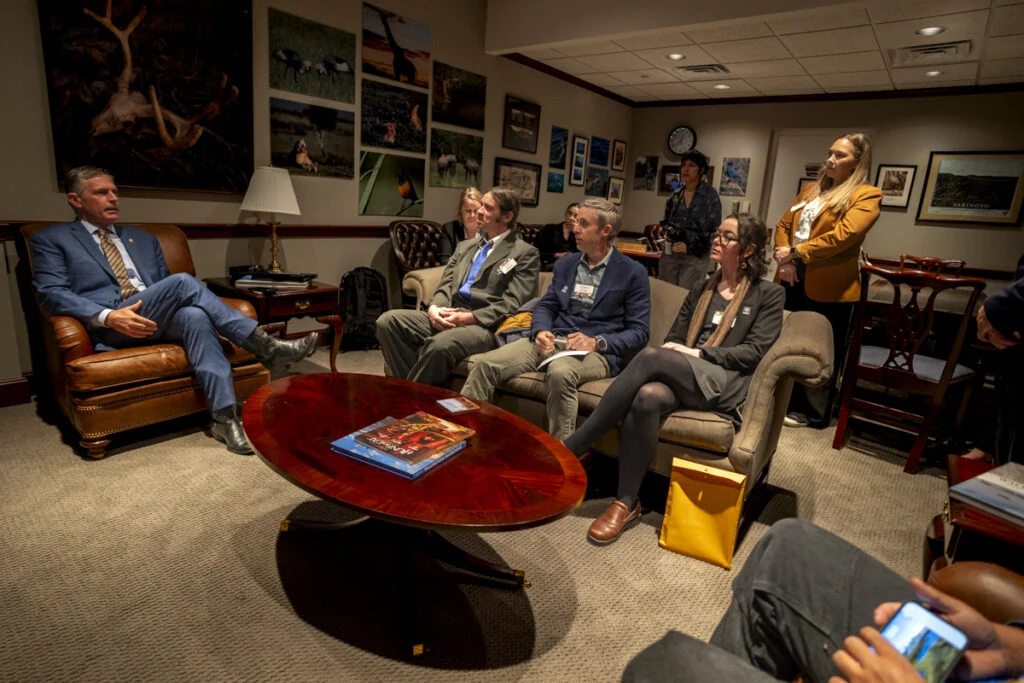
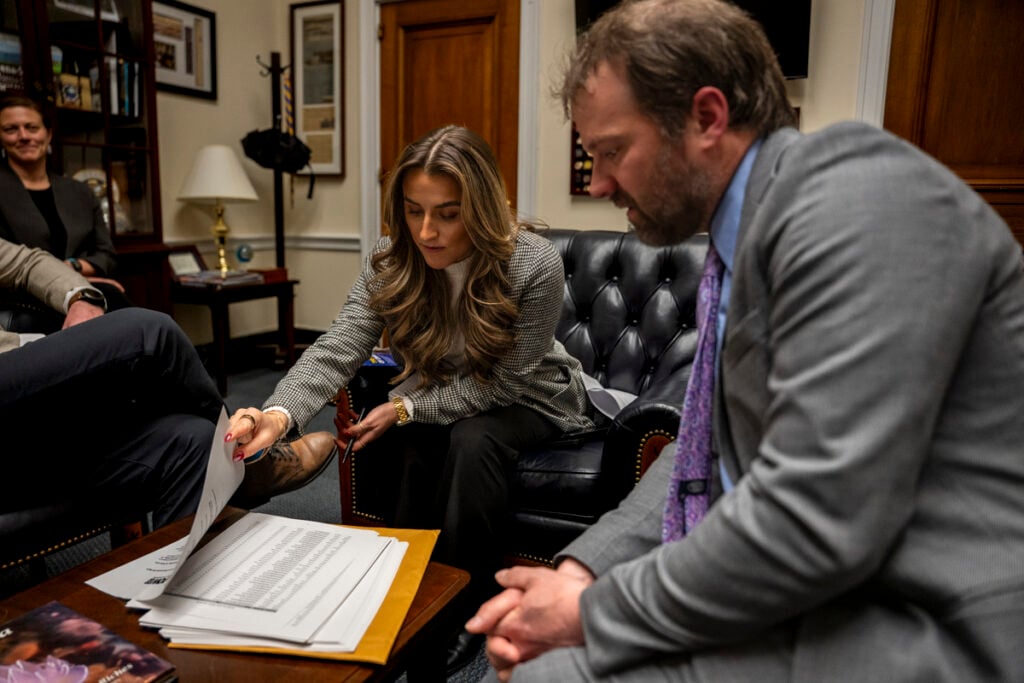
In a high-stakes mobilization aimed at safeguarding one of the world’s last remaining wilderness frontiers, a coalition led by Protect Our Winters (POW) and the Alaskan Wilderness League (AWL) descended upon Washington, D.C., to deliver a 74-page petition to congressional leaders. The document, which contains over 6,000 signatures from members of the "Outdoor State"—a demographic representing the multi-billion-dollar outdoor recreation industry—calls for the establishment of permanent protections for the Arctic National Wildlife Refuge (ANWR) and the National Petroleum Reserve in Alaska (NPRA). This advocacy effort comes at a critical juncture as the federal government moves to accelerate extractive industrial activities in the region, signaling a deepening divide between conservation-focused stakeholders and proponents of expanded fossil fuel production.
The Strategic Fly-In: A Multi-Disciplinary Approach to Advocacy
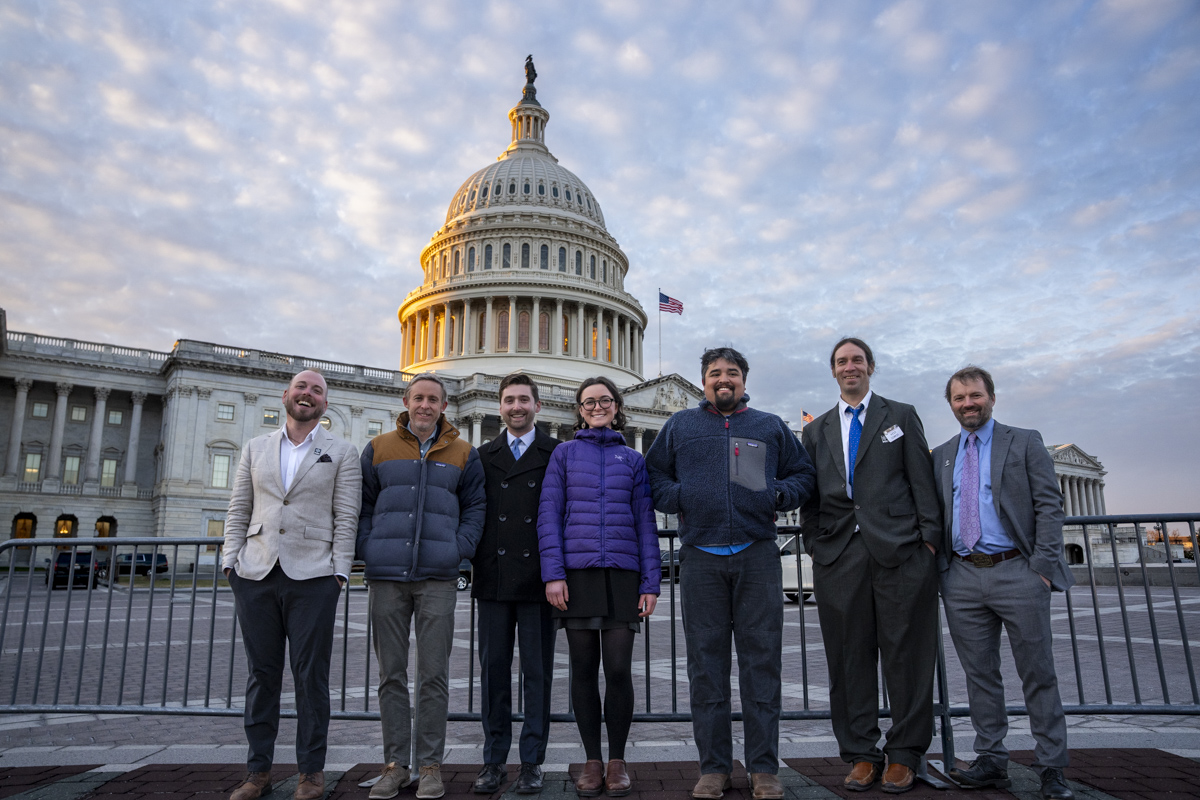
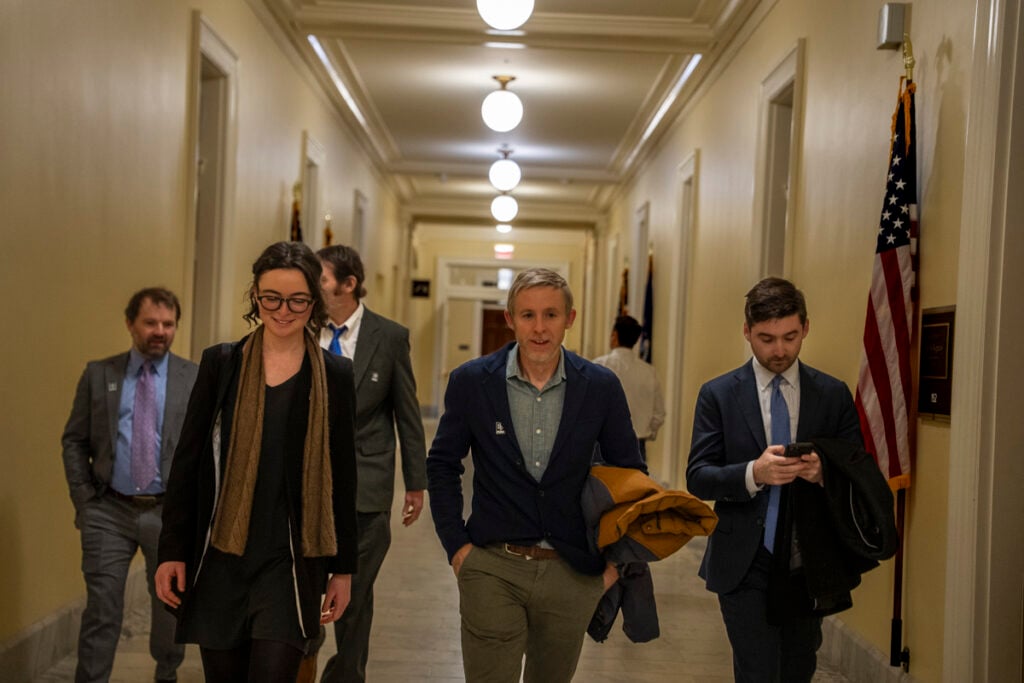
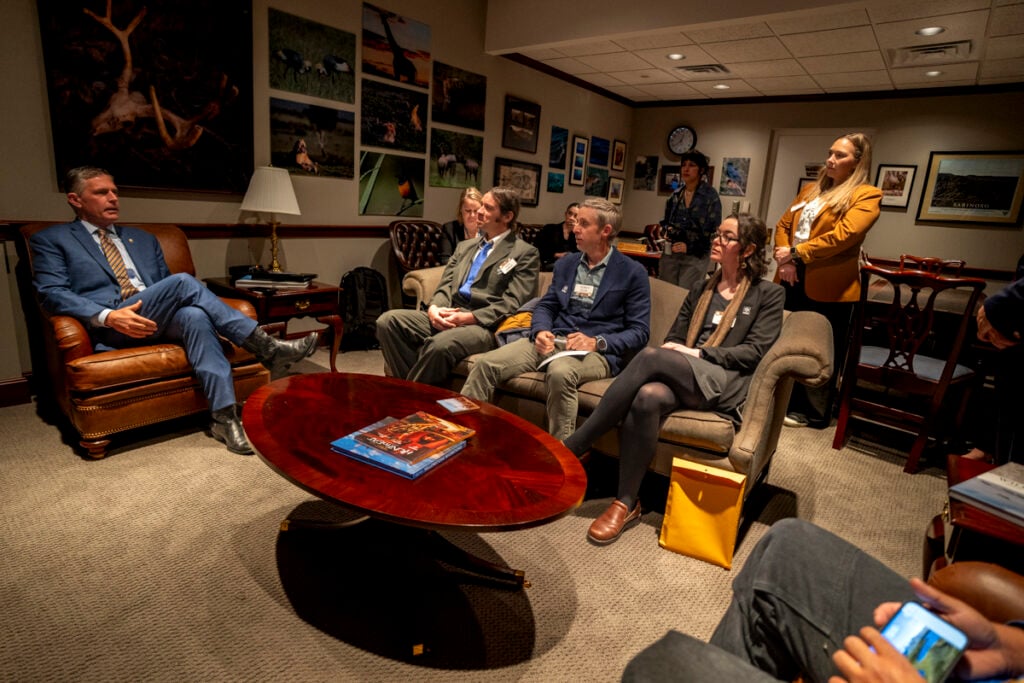
The two-day "fly-in" event was designed to bring a diverse range of perspectives directly into the halls of power. Rather than relying solely on traditional lobbyists, the coalition curated a delegation of professional athletes, climate scientists, filmmakers, and Indigenous voices. This multidisciplinary group met with key Senate and House offices, including those of Senator Martin Heinrich and Representative Jared Huffman, to present a unified front against the resumption of oil and gas leasing in carbon-sensitive landscapes.
By integrating lived experience with scientific data, the coalition sought to cut through the standard partisan rhetoric surrounding Arctic drilling. Athletes like POW Climb Alliance member Tommy Caldwell and Creative Alliance member Brennan Lagasse provided testimonials on the changing state of the natural world, while Indigenous representatives highlighted the existential threat that industrialization poses to food security and cultural heritage. The presence of the League of Conservation Voters (LCV) further solidified the political weight of the mission, aligning the outdoor community with broader environmental and electoral interests.
Chronology of the Arctic Campaign and Legislative Developments
The timing of the D.C. mission was dictated by a rapidly evolving legislative calendar. In early December 2025, reports emerged that the Trump Administration was finalizing a series of bills designed to streamline the permitting process for drilling and mining in Arctic Alaska. These legislative maneuvers were intended to bypass existing environmental hurdles and expedite the sale of leases in the Coastal Plain of the Arctic Refuge—an area often referred to as the "1002 Area," which is critical for the calving of the Porcupine Caribou herd.
On Friday, December 12, 2025, just days after the coalition’s visit to the Hill, the administration officially signed legislation to ease the path for these industrial activities. This move effectively reversed several years of administrative pauses and environmental reviews, placing the Arctic back at the center of the national energy debate. In response, POW and its partners have announced the transition into "Phase Two" of their campaign, which involves escalating public pressure, supporting potential legal challenges, and engaging directly with the Arctic Congressional Delegation to mitigate the impacts of the new laws.
The Economic and Environmental Case for Arctic Protection
A central pillar of the coalition’s argument is that Arctic drilling is not only environmentally reckless but also a poor long-term financial investment. During meetings with lawmakers, the delegation presented data suggesting that the global transition toward renewable energy has fundamentally altered the risk profile of high-cost, long-horizon projects like those required in the Arctic.
Financial Volatility and Infrastructure Costs
The Arctic remains one of the most expensive places in the world to extract oil. The lack of existing infrastructure, the extreme weather conditions, and the need for specialized technology to protect the thawing permafrost drive up capital expenditures. Financial analysts have frequently noted that Arctic projects require high sustained oil prices to remain profitable. With the increasing adoption of electric vehicles and the expansion of domestic renewable energy capacity, the coalition argues that opening the Refuge is a "fiscally risky" move that could leave taxpayers on the hook for abandoned infrastructure if market demand shifts.
Ecological Importance and Carbon Sequestration
Beyond the economics, the Arctic Refuge serves as a massive carbon sink. The region’s peatlands and permafrost store vast quantities of carbon that, if disturbed by industrial activity, would be released into the atmosphere, further accelerating global warming. The Arctic is currently warming at nearly four times the global average, a phenomenon known as Arctic amplification. This rapid warming is already causing significant changes to snowpack, sea ice, and wildlife migration patterns, directly impacting the outdoor recreation economy that POW represents.
Indigenous Sovereignty and Lived Experience
The coalition emphasized that any discussion of Arctic drilling must prioritize the voices of the Gwich’in and Iñupiat peoples. For the Gwich’in, the Coastal Plain of the Arctic Refuge is known as "Iizhik Gwats’an Gwandaii Goodlit," or "The Sacred Place Where Life Begins." The Porcupine Caribou herd, which migrates through the Refuge, is a primary source of sustenance and is central to their spiritual and cultural identity.
By including Indigenous voices in the D.C. meetings, the coalition aimed to move the conversation beyond mere policy metrics to the human rights implications of land management. This approach resonated in several offices, establishing what Creative Alliance member Ming Poon described as "communication channels" even with lawmakers who have historically supported oil extraction. The goal was to establish a baseline of common ground regarding the value of intact landscapes and the necessity of respecting tribal sovereignty.
Proactive Solutions: The Energizing Our Communities Act (EOCA)
While much of the fly-in focused on resisting new drilling, the delegation also advocated for a proactive legislative path forward: the Energizing Our Communities Act (EOCA). This proposed legislation aims to provide a practical, bipartisan framework for strengthening energy resilience at the community level.
The EOCA is designed to support the transition to a clean-energy economy by providing resources for local governments to upgrade their energy infrastructure, integrate renewable sources, and improve grid reliability. By presenting the EOCA alongside their opposition to Arctic drilling, the coalition offered a "complementary path forward." This strategy was intended to show that the outdoor community is not merely "anti-drilling" but is actively supporting modern, sustainable energy solutions that can replace the economic reliance on fossil fuel extraction.
Analysis of Broader Implications and Future Outlook
The delivery of the 6,000-signature petition marks a significant escalation in the influence of the "Outdoor State." With the outdoor recreation industry contributing over $1.1 trillion to the U.S. economy annually, its participants are increasingly being recognized as a powerful voting and advocacy bloc. The ability of POW and AWL to mobilize professional athletes—who often command large public platforms—gives the conservation movement a unique reach into demographics that may not be reached by traditional environmental messaging.
Potential Legal and Regulatory Hurdles
Following the signing of the new drilling legislation by the Trump Administration, the battle for the Arctic is expected to move into the judicial system. Legal experts suggest that any new lease sales will likely face lawsuits centered on the adequacy of environmental impact statements and the government’s failure to account for climate change impacts under the National Environmental Policy Act (NEPA). The data and signatures collected by the coalition during this fly-in will likely serve as evidence of significant public interest and opposition, which can be pivotal in administrative law cases.
The Path to 2026
As the coalition returns from Washington, the focus shifts to 2026 and the long-term goal of permanent protection. The "Phase Two" strategy mentioned by POW leadership suggests a focus on corporate accountability—urging banks and insurance companies to pledge not to fund or underwrite Arctic projects—as well as continued grassroots organizing.
The Arctic story, as told by the athletes and scientists who walked the halls of Congress, has become a litmus test for the nation’s climate goals. The coalition’s work underscores a growing consensus within the outdoor community: that the preservation of public lands is inseparable from the fight against climate change.
Conclusion
The mobilization of Protect Our Winters and the Alaskan Wilderness League on Capitol Hill represents a sophisticated evolution in environmental advocacy. By combining the signature-gathering power of a 6,000-person petition with the personal influence of high-profile athletes and the moral weight of Indigenous leaders, the coalition has ensured that the debate over Arctic drilling remains a prominent national issue. Despite the current administration’s push for expanded extraction, the "Outdoor State" has signaled its readiness for a prolonged engagement, viewing the protection of the Arctic not as a bargaining chip, but as a non-negotiable requirement for a stable climate and a thriving outdoor economy. As the campaign moves into its next phase, the relationships and bipartisan openings created during these two days in December will be essential in navigating the complex political and legal landscape of 2026 and beyond.
