


The federal government initiated the first of five mandated oil and gas lease sales in the western Arctic on March 18, marking a significant milestone in a century-long struggle over the fate of the National Petroleum Reserve-Alaska (NPR-A). This vast expanse of tundra, spanning more than 22 million acres on Alaska’s North Slope, represents the largest single block of public land in the United States. As the Department of the Interior moves to open approximately 5.5 million acres to energy development—including the ecologically sensitive Teshekpuk Lake wetlands—the move has reignited a national debate regarding the balance between domestic energy security and the preservation of one of the world’s last intact ecosystems.
A Century of Designation: From Naval Reserve to Civilian Asset
The administrative history of the NPR-A began in 1923, when President Warren G. Harding signed an executive order establishing "Naval Petroleum Reserve No. 4." At the time, the United States Navy was transitioning its fleet from coal to oil, and early geological surveys had identified significant oil seeps along the Arctic coast. Alaska, still emerging from the fervor of the gold rush, was viewed primarily as a resource colony. By withdrawing the land from other uses and placing it in reserve, the Harding administration sought to secure a strategic energy stockpile for national defense.
The designation remained under naval jurisdiction for over half a century. However, the Harding era was also defined by the Teapot Dome scandal, involving Interior Secretary Albert Bacon Fall, who accepted bribes to lease Navy Petroleum Reserve No. 3 in Wyoming to private oil companies. This legacy of controversy has shadowed the management of federal petroleum reserves for decades.
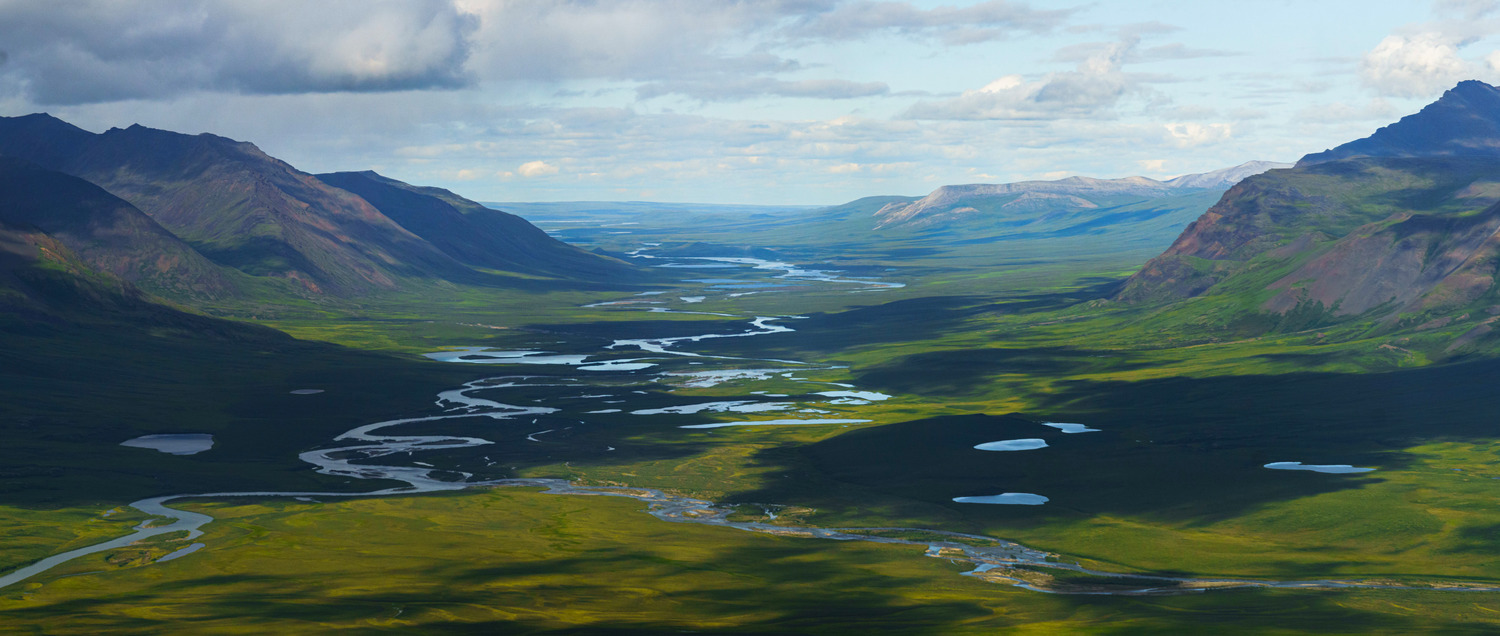
In 1976, Congress passed the Naval Petroleum Reserves Production Act, which transferred management of the Alaska reserve from the Navy to the Department of the Interior’s Bureau of Land Management (BLM). The name was updated to the National Petroleum Reserve-Alaska (NPR-A), a bureaucratic shift that solidified the land’s identity as a resource-first territory while acknowledging its civilian management. Despite the name, the 22.1-million-acre area—roughly the size of the state of Indiana—remains a complex patchwork of ecological wonders and industrial potential.
The Geography of the North Slope
To understand the scale of the NPR-A, one must compare it to the more familiar geography of the contiguous United States. While the state of Ohio covers approximately 28 million acres, the NPR-A alone encompasses 22.8 million acres of roadless wilderness. It is part of a larger Arctic landscape that stretches from the Canadian border in the east to the Bering Sea in the west, bounded by the Brooks Range to the south and the Arctic Ocean to the north.
Unlike the "Lower 48," where wilderness is often an isolated pocket surrounded by development, the Arctic remains a landscape where wildness is the default state. Only one major road, the Dalton Highway, traverses this region, connecting Fairbanks to the Prudhoe Bay oil fields. Prudhoe Bay, the nation’s largest oil field, has produced more than 13.5 billion barrels of oil over the last fifty years. However, the Western Arctic has remained largely undeveloped, serving as a corridor for massive caribou migrations and a nesting ground for millions of migratory birds.
Ecological Significance and the Teshekpuk Lake Wetlands
Environmental scientists emphasize that the NPR-A is not merely a "petroleum reserve" but a globally significant biological nursery. The region supports an estimated 5.4 million aquatic birds each season, drawing species from six different continents. The Teshekpuk Lake wetlands, located in the northeastern portion of the reserve, are considered the single most important molting habitat in the Arctic for migratory waterfowl and serve as the primary calving ground for the Teshekpuk Lake caribou herd.
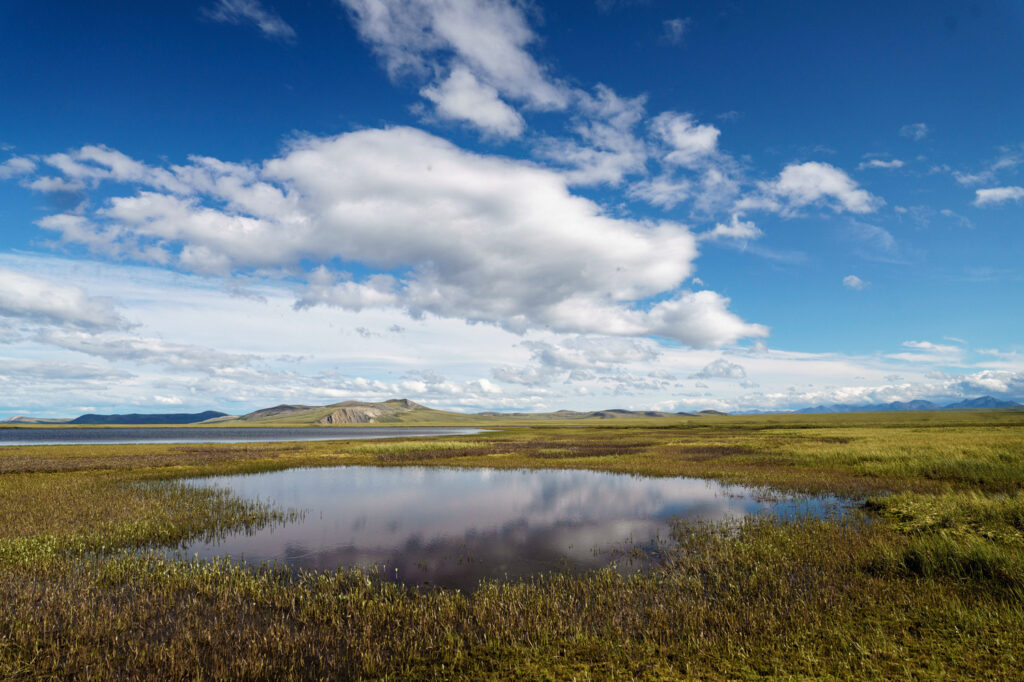
For decades, the Teshekpuk Lake area was shielded from development through various "Special Area" designations. However, the current leasing program represents a shift in policy, opening these wetlands to potential drilling. Critics of the move argue that the industrialization of this specific region could have cascading effects on global bird populations and the food security of Indigenous communities who rely on the caribou herds.
The Economic and Political Landscape of Arctic Drilling
The decision to accelerate leasing in the NPR-A is driven by a combination of legislative mandates and economic projections. The U.S. Geological Survey (USGS) estimates that the Northern Alaska region may contain nearly half of all undiscovered recoverable oil on federal lands in the United States. Within the NPR-A specifically, estimates suggest the presence of nearly 900 million barrels of technically recoverable conventional oil.
However, the economics of Arctic extraction are notoriously difficult. The cost per barrel in the Arctic is significantly higher than in the Permian Basin or other domestic shale plays due to the lack of infrastructure, the extreme climate, and the logistical challenges of operating in remote permafrost environments. Furthermore, the "Willow Project," a massive undertaking by ConocoPhillips, is currently moving into its development phase within the reserve. With an estimated yield of 600 to 750 million barrels over its 30-year lifespan, Willow represents the vanguard of a new era of Arctic industrialization.
The push for development comes at a time when the State of Alaska faces persistent budget deficits and seeks to maintain the flow of oil through the Trans-Alaska Pipeline System (TAPS), which is currently operating at a fraction of its peak capacity. Proponents argue that new discoveries in the NPR-A are essential to keep the pipeline viable and to support the state’s economy.
Climate Change and the "Triple Warming" Effect
Any discussion of Arctic resource development is inextricably linked to the reality of a changing climate. Research indicates that the Arctic is warming three to five times faster than the global average. This rapid temperature increase is causing permafrost to thaw, which not only threatens the stability of industrial infrastructure like roads and pipelines but also releases stored carbon and methane into the atmosphere.
The "triple warming" effect—caused by the loss of sea ice, the darkening of the tundra (albedo effect), and the release of greenhouse gases from thawing ground—makes the Arctic one of the most fragile environments on Earth. Environmental advocates argue that the long-term climate costs of extracting and burning Arctic oil far outweigh the short-term economic gains. They contend that the "restraint" exercised in the Arctic over the last century should be maintained as a strategic buffer against climate catastrophe.
Chronology of Recent Arctic Policy Shifts
The current acceleration of leasing in the NPR-A is the result of several years of shifting federal policy:
- 2017: The Tax Cuts and Jobs Act included a provision mandating oil and gas lease sales in the 1002 Area of the Arctic National Wildlife Refuge (ANWR), signaling a broader federal shift toward Arctic energy expansion.
- 2020: The Department of the Interior released a new Integrated Activity Plan (IAP) for the NPR-A, which significantly increased the acreage available for leasing, including the previously protected Teshekpuk Lake Special Area.
- 2023: The approval of the Willow Project despite significant environmental opposition marked a turning point in the industrialization of the Western Arctic.
- March 18 (Current Cycle): The opening of the first of five mandated lease sales, as required by recent federal directives to ensure an "expeditious program of competitive leasing."
Stakeholder Reactions and Social Implications
The move to open the NPR-A has met with a polarized response. Industry groups, such as the American Petroleum Institute (API) and the Alaska Oil and Gas Association (AOGA), have praised the sales as a "vital step toward energy independence." They argue that domestic production in Alaska is subject to higher environmental standards than oil produced in OPEC nations.
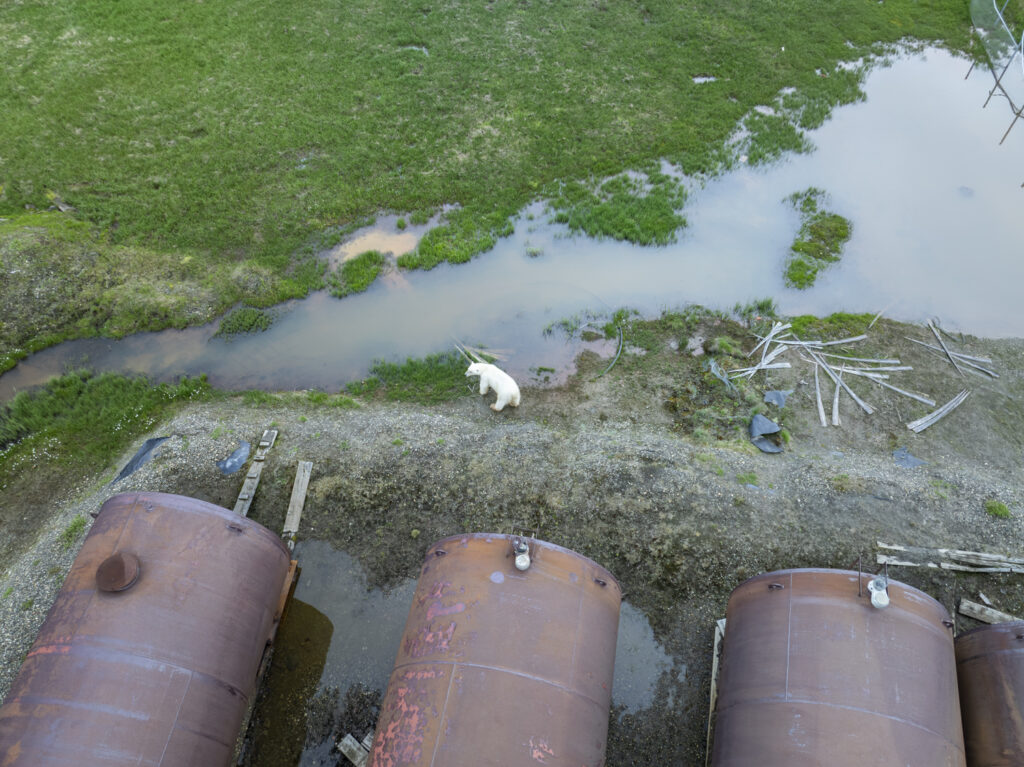
Conversely, a coalition of environmental organizations and Indigenous groups, including the Gwich’in Steering Committee and various conservation non-profits, have filed numerous legal challenges. They argue that the federal government has failed to adequately consider the cumulative impacts of the lease sales, the Willow Project, and the proposed 200-mile Ambler Road, which would provide access to mining districts in the Brooks Range.
From a social perspective, the debate has shifted toward the concept of "political uncertainty." Some analysts suggest that because oil companies operate on 30-year capital horizons, the legal and political volatility surrounding Arctic leases makes them a risky investment. If a future administration chooses to rescind or restrict these leases, the financial "break-even" point for these projects may never be reached.
Analysis of Future Implications
The transformation of the NPR-A from a "reserve" in name to an active industrial zone represents a fundamental shift in American land management. For a century, the name "National Petroleum Reserve" acted as a placeholder—a designation that suggested future use while allowing the land to remain ecologically intact. Today, that name is being used as the primary legal justification for development.
As the federal government proceeds with the remaining four mandated lease sales over the next decade, the landscape of the North Slope will likely undergo a permanent change. The fragmentation of the tundra by roads, drill pads, and pipelines will alter migration patterns and nesting sites. While the land possesses a degree of resilience due to its sheer size, that resilience depends on the ecosystem remaining whole.
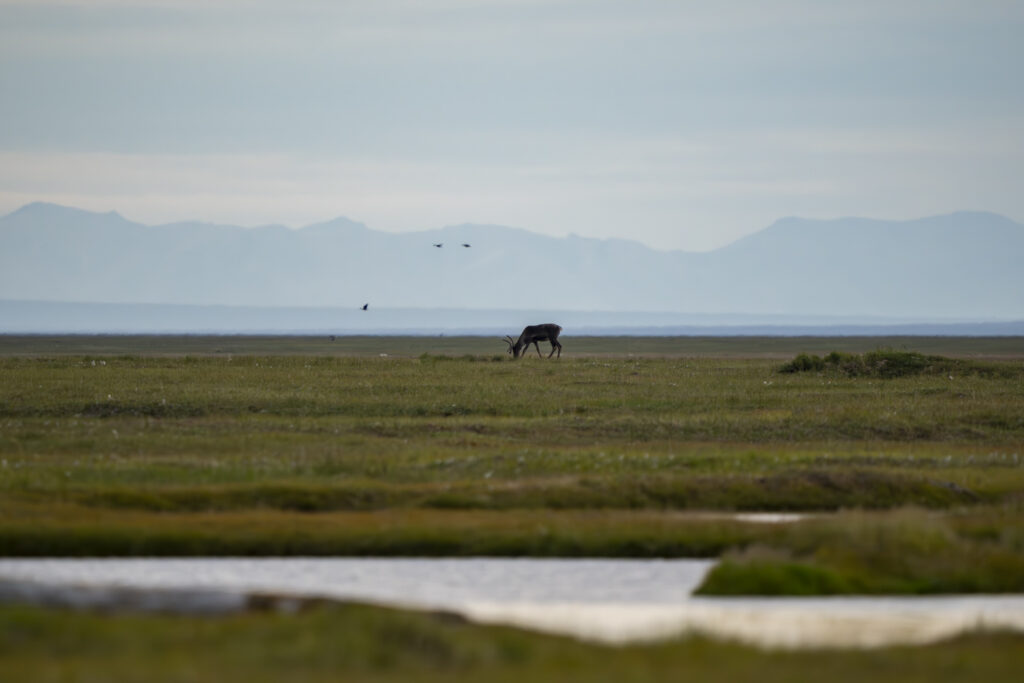
The "last whole place," as the Arctic is often described, stands at a critical juncture. The decisions made regarding the NPR-A in the coming years will not only determine the future of Alaska’s economy but will also serve as a global signal regarding the United States’ commitment to climate goals and biodiversity. As the legal machinery of the lease sales moves forward, the challenge for policymakers will be to reconcile the 1923 vision of a resource colony with the 21st-century reality of a planet in ecological crisis.
