

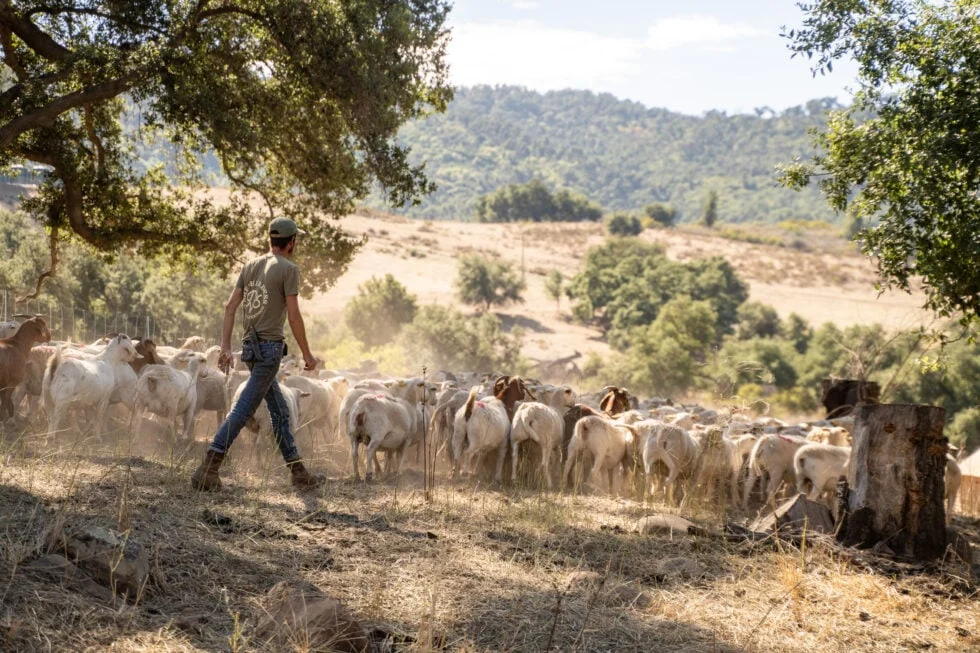
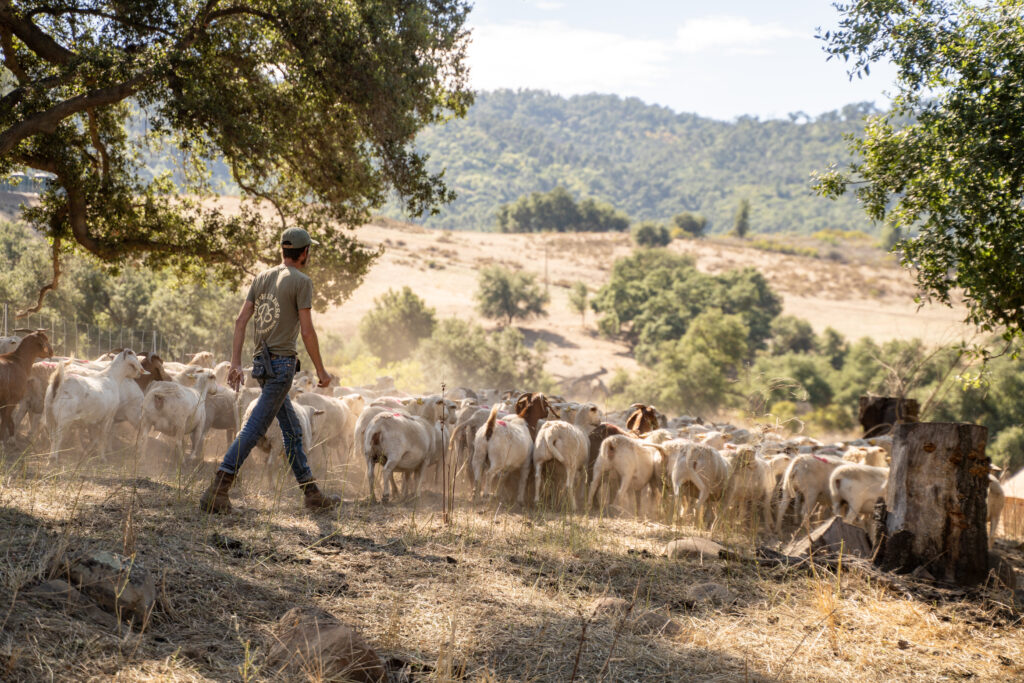
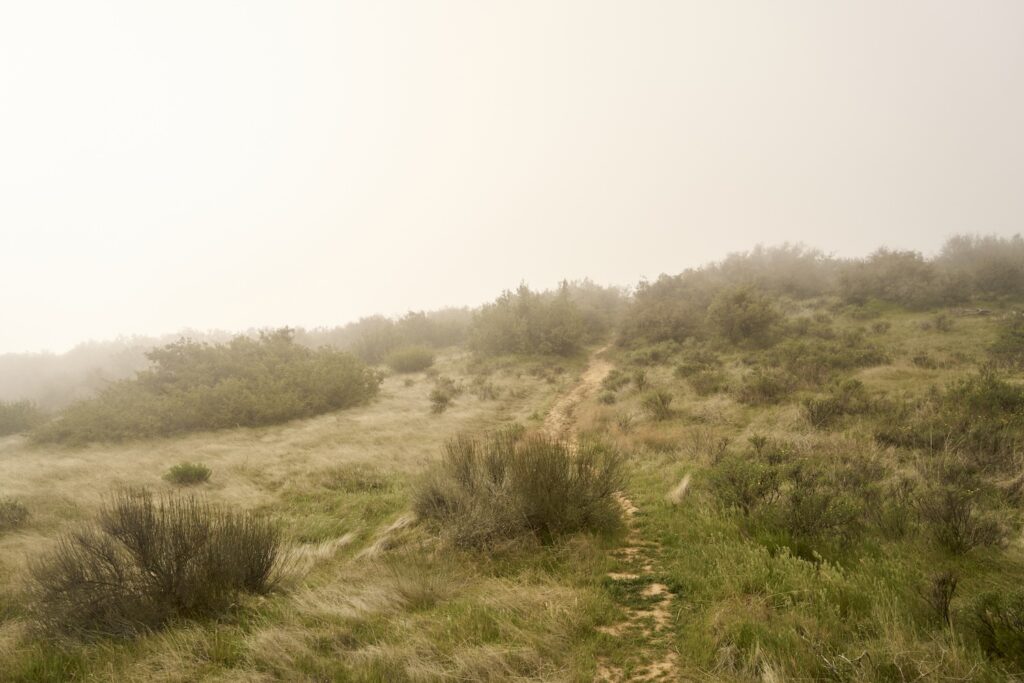
For millennia, the ecological identity of Southern California was defined by the fluid movement of living systems. Before the advent of modern fire suppression and urban expansion, the region’s landscapes were shaped by the constant migration of animals responding to the dictates of water, forage, and seasonality. Native grasses were not allowed to accumulate into dense, volatile fuel beds; instead, they were grazed, trampled, and redistributed across the hillsides by herds that moved in rhythm with the climate. This historical cycle of consumption and regrowth ensured that vegetation did not simply pile up year after year. Instead, the landscape existed in a state of perpetual variability, where movement prevented stillness and grazing prevented the uniformity that now characterizes the region’s fire-prone shrublands.
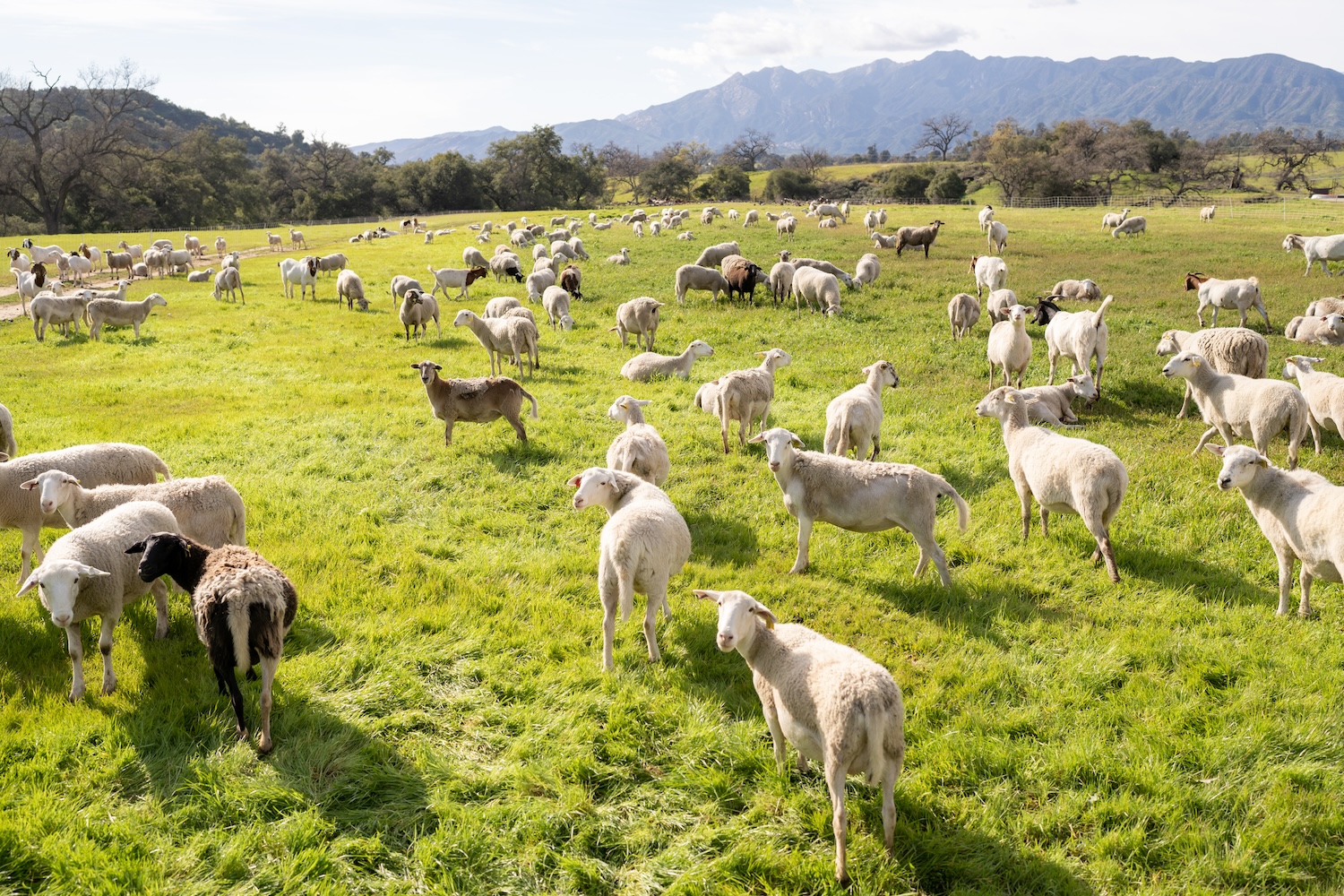
In the 21st century, this ancient balance has been replaced by a more volatile reality. The contemporary Southern California landscape is defined by hotter temperatures, prolonged droughts, and the widespread proliferation of invasive annual grasses. These factors, combined with decades of fuel accumulation, have transformed wildfire from a natural ecological disturbance into a structural condition that dictates the terms of daily life. Today, the public relationship with the California landscape is increasingly mediated by the threat of catastrophic burns, the instability of insurance markets, and the persistent presence of wildfire smoke. However, amidst these challenges, a traditional form of land management—prescribed grazing—has reemerged as a critical component of the state’s climate adaptation strategy.
The Ecological Shift: From Natural Cycles to Megafires
The transition from a landscape of "interruption" to one of "catastrophe" is rooted in both climatic and anthropogenic changes. Historically, fire moved through Southern California systems with a frequency and intensity that allowed for ecological recovery. Today’s "megafires," however, are fueled by a different set of conditions. According to the National Oceanic and Atmospheric Administration (NOAA), the convergence of hotter temperatures and increasingly dry atmospheric conditions has become a primary driver of the growing severity of wildfires across the Western United States.
This creates a self-reinforcing feedback loop: climate change intensifies the conditions for wildfire, and the resulting fires release massive quantities of sequestered carbon into the atmosphere, further accelerating climate instability. Furthermore, hillsides stripped of vegetation by high-intensity burns become highly susceptible to erosion, leading to devastating mudslides during the state’s increasingly concentrated "wet" periods. This cycle has forced a reorganization of Southern California’s ecosystems, where the window for recovery is shrinking as the frequency of ignition increases.
The Mechanics of Prescribed Grazing: A "Combo Punch" for Fuel Reduction
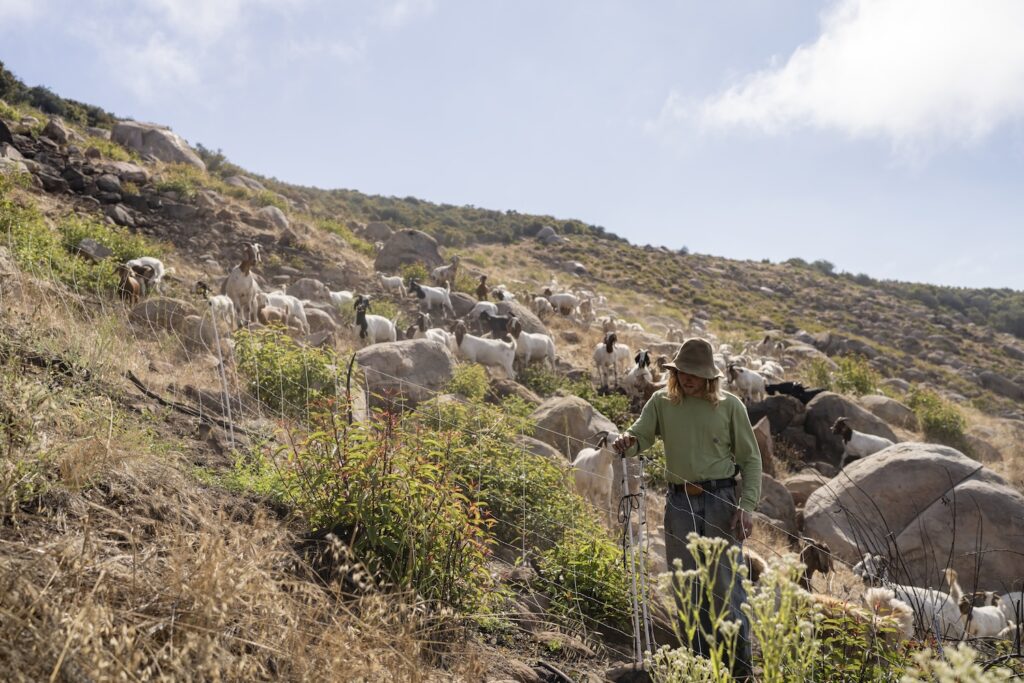
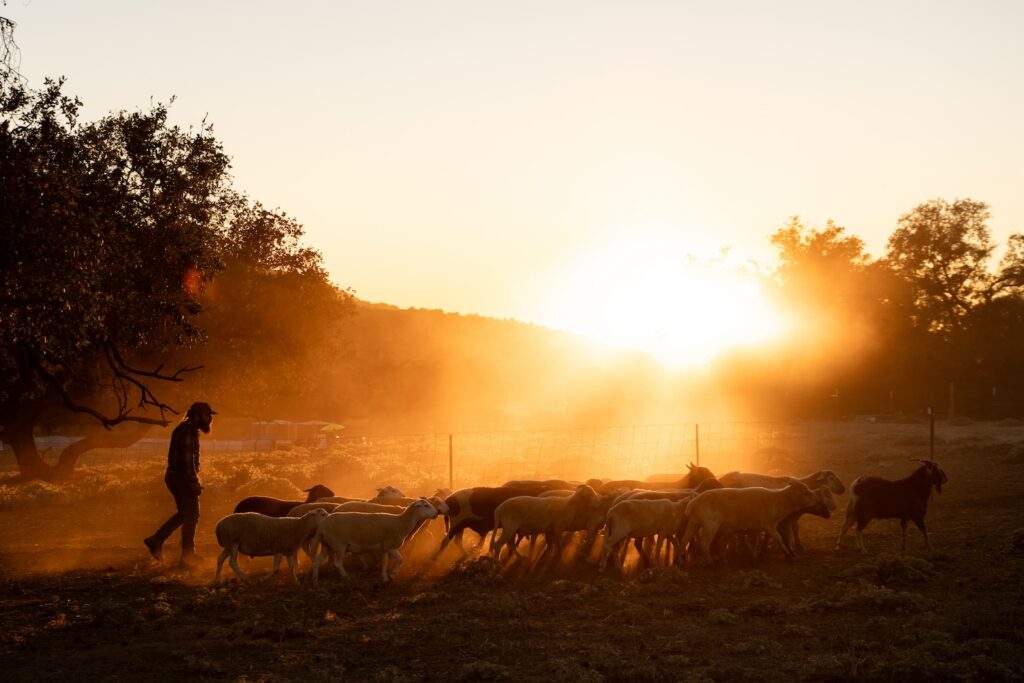
As California seeks to move away from a purely reactive suppression model, prescribed grazing has gained traction as a proactive tool for vegetation management. Unlike mechanical clearing, which can be ecologically disruptive and limited by terrain, sheep and goats offer a precise and adaptable method for reducing fuel loads. Cole Bush, a prescribed grazing practitioner and founder of Shepherdess Land and Livestock Co. in Ojai, describes the work as an "intentionally designed form of land stewardship."
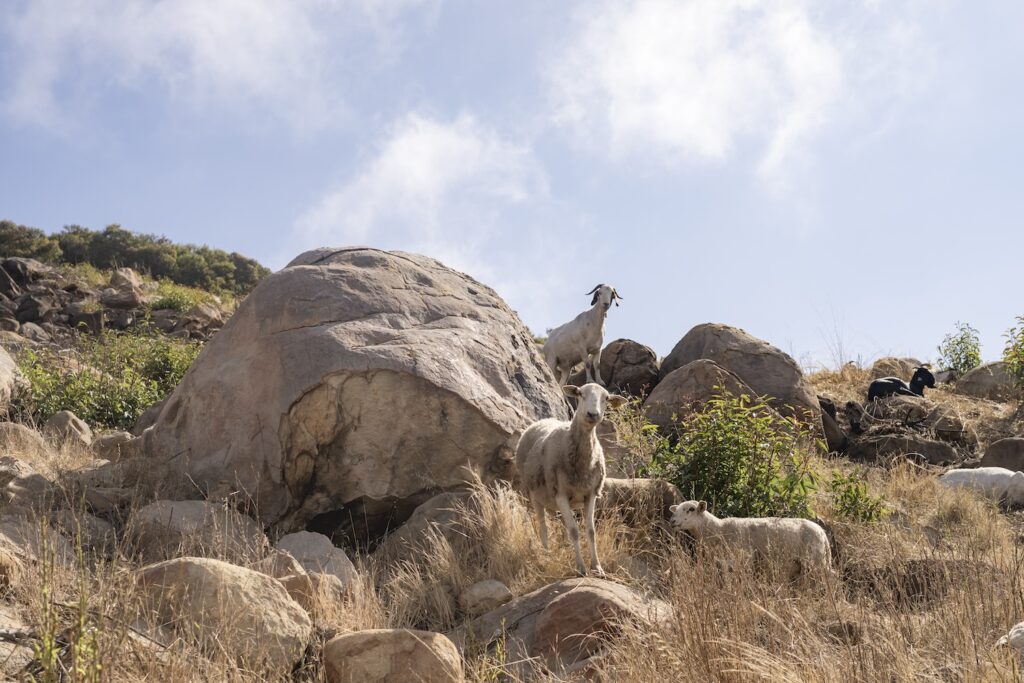
The effectiveness of this method lies in the differing biological behaviors of the animals involved. Shepherds often utilize a combination of species to achieve specific ecological outcomes:
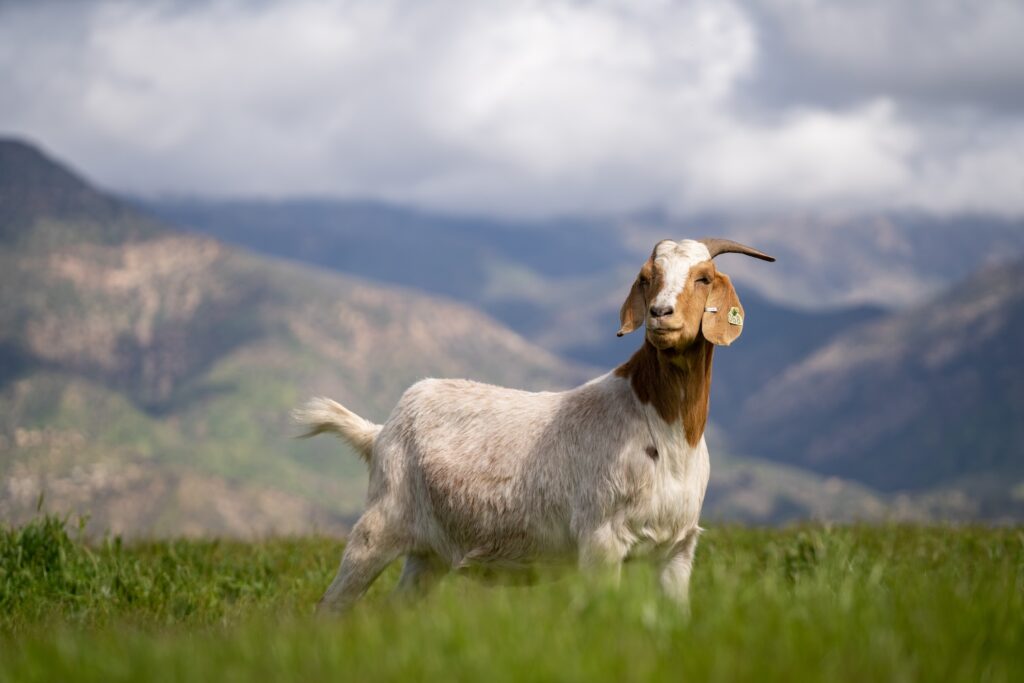
- Goats (Browsers): Prefer woody vegetation, shrubs, and low-hanging tree branches. They are highly effective at thinning the "ladder fuels" that allow ground fires to climb into the forest canopy.
- Sheep (Grazers): Focus on grasses and lower-growing forage. They are instrumental in managing the invasive annual grasses that often act as the primary ignition source in the urban-wildland interface (WUI).
"Together, sheep and goats are a really cool combo punch," Bush explains. "Based on the vegetation, we can decide: do we put sheep, goats, or both in?" This prescriptive approach allows shepherds to tailor their impact to the specific needs of a landscape, whether the goal is invasive species suppression or the protection of critical infrastructure.
The Urban-Wildland Interface and Infrastructure Protection
One of the most significant advantages of prescribed grazing is its utility in the "urban-wildland interface," where traditional fire mitigation strategies often face logistical hurdles. Sheep and goats can navigate steep canyons, utility corridors, and suburban edges where heavy machinery cannot reach. They require significantly less water than cattle and can be moved through populated residential areas with minimal disruption.
The practice is increasingly being integrated into the operations of regional fire safe councils and public agencies. In Ventura County, grazing projects are strategically placed to create "defensible space" around communities, providing a buffer that can slow the advance of a wildfire and give suppression crews a safer environment in which to operate. This proactive management is no longer a niche environmental effort; it is a structural necessity for maintaining the habitability of regions like the Ojai Valley, which sits in a geographical "bowl" with limited entry and exit points.
Chronology of Crisis: 2017 to 2026
The urgency of this work is underscored by a decade of escalating fire activity in Southern California. The 2017 Thomas Fire, which devastated Ventura and Santa Barbara counties, served as a catalyst for rethinking regional land management. It demonstrated that traditional suppression alone was insufficient against wind-driven fires in drought-stressed chaparral.
The timeline of recent events further highlights the volatility of the region:
- December 2017: The Thomas Fire burns over 280,000 acres, becoming at the time the largest wildfire in California history.
- January 2025: A series of fires erupt across Los Angeles and Ventura counties. The Kenneth Fire near Agoura and the Madre Fire in the Carrizo Plain National Monument challenge local resources.
- May 2026: The Sandy Fire in Ventura County necessitates the creation of new fire roads and emergency fuel breaks, further emphasizing the need for permanent stewardship.
During the 2025 Los Angeles fires, the practical value of shepherding skills was put to the test in an emergency context. Cole Bush helped organize the Ojai Herd and Horse Network, a volunteer evacuation support system for livestock. One high-stress evacuation involved a semi-feral flock of sheep stranded on a steep hillside behind Agoura. "It was only experienced shepherds who could get those sheep off that mountain slow and steady and calm," Bush recalled. The precision required to move animals under the pressure of approaching flames mirrored the precision required for prescribed grazing: an reliance on rhythm, body language, and restraint rather than force.
The Intersection of Recreation and Stewardship
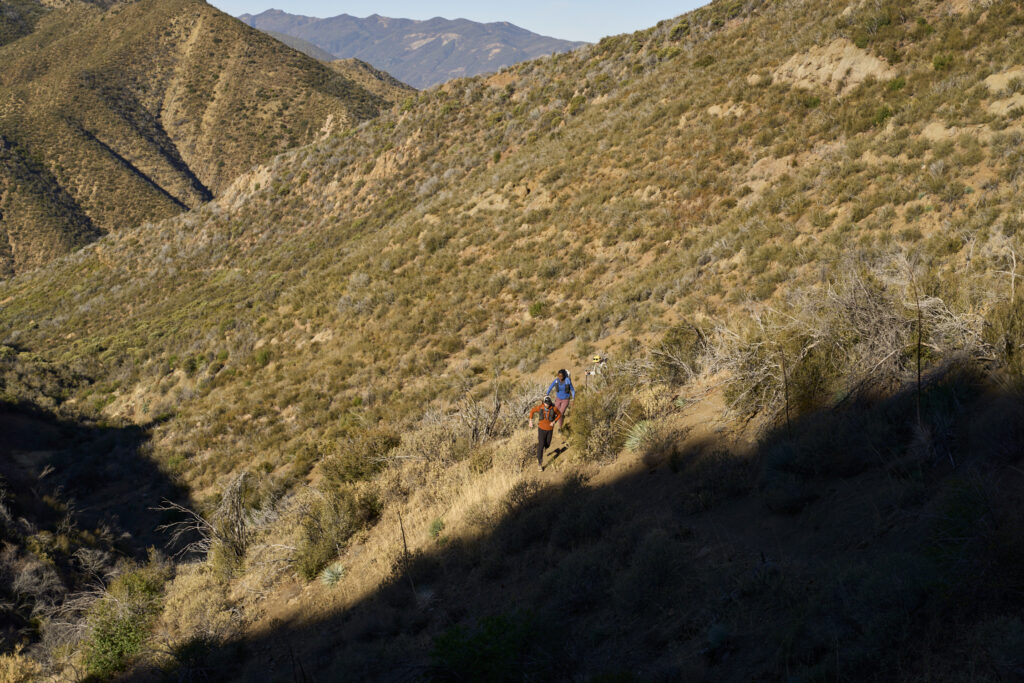
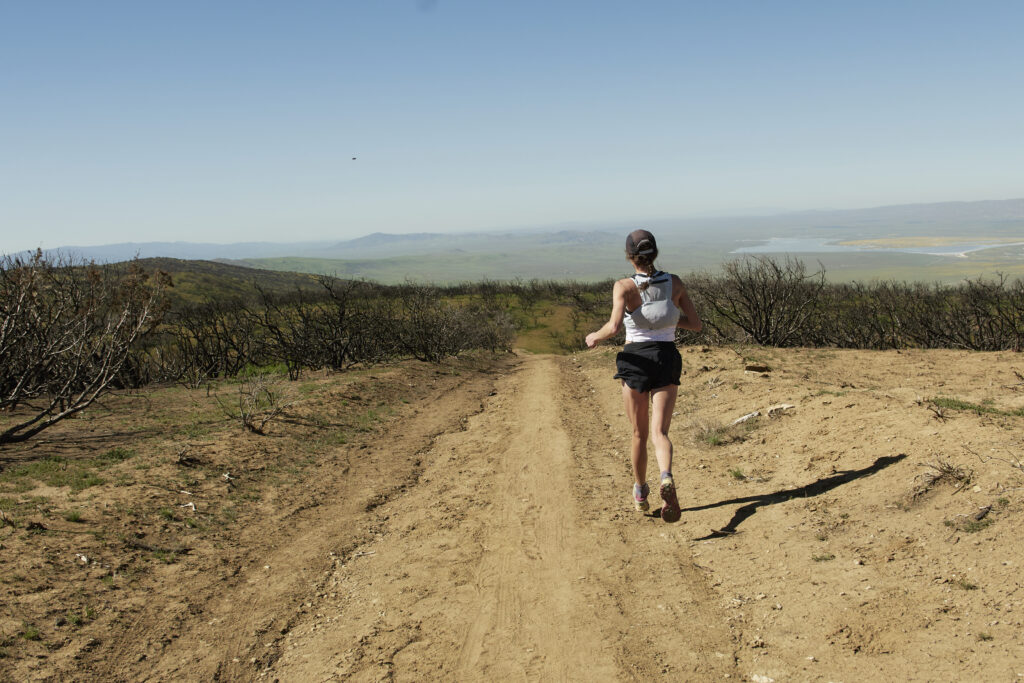
The changing ecology of Southern California is also reshaping the region’s robust outdoor recreation culture. Trail runners, hikers, and cyclists are often the first to witness the transformation of the landscape, from the spread of invasive species to the slow recovery of burn scars. Liam Pickhardt, an Ojai-based photographer and trail runner, notes that the distinction between recreation and land management is blurring.
"The trails people run on and the open spaces people recreate in require active management now," Pickhardt says. "They don’t just stay intact on their own anymore." This perspective suggests that the "leave no trace" philosophy of the past is evolving into a more active "stewardship" model. Trail runners, who interact with the terrain on an intimate level, are becoming key observers of ecological health, noticing subtle shifts in vegetation and erosion that might escape the casual observer.
Economic and Policy Implications
Beyond the ecological and social impacts, the wildfire crisis is driving significant shifts in California’s governance and economy. The instability of the insurance market, characterized by major carriers withdrawing from fire-prone regions, has made wildfire adaptation a central political issue. Updated fire hazard maps and new defensible space regulations are now as fundamental to regional policy as water rights once were.
Kalli O’Connor, Assistant Director of the Ojai Valley Fire Safe Council, views this shift as a long-term process of cultural adaptation. The goal is to move the public consciousness away from seeing fire as an occasional "outside" disaster and toward recognizing it as a permanent feature of the landscape that requires constant, visible engagement. This involves a multi-layered approach including prescribed fire, ecological restoration, and the expansion of the "grazing economy."
Conclusion: Shepherding as a Modern Form of Activism
As Southern California faces a future of continued climatic volatility, the role of the "modern shepherd" has emerged as a form of ecological activism. By reintroducing the movement of animals into the landscape, practitioners like Cole Bush are attempting to restore a semblance of the historical balance that once protected these ecosystems.
The story of Southern California’s changing ecology is not merely one of destruction, but of a necessary shift in how humans relate to the land. The reliance on sheep and goats to mitigate wildfire risk represents a humble acknowledgement that modern technology often falls short of the efficiency found in natural systems. Landscapes are shaped by what moves through them—whether it is fire, water, or herds of animals. In the effort to keep Southern California inhabitable, the steady, rhythmic movement of grazing animals is helping to shape a more resilient future.
