

The Trump administration has initiated a comprehensive restructuring of United States energy and environmental policy, signaling a decisive pivot away from the decarbonization goals of the previous four years. Through a series of executive actions and departmental directives, the administration has moved to halt major renewable energy installations, expand fossil fuel extraction across federal waters, and intervene in the planned decommissioning of coal-fired infrastructure. These actions represent a coordinated effort to prioritize traditional energy production and reduce the federal government’s focus on climate-related scientific research. By leveraging "national security" justifications and emergency federal powers, the administration is effectively pausing the transition to a clean energy economy while seeking to revitalize the domestic oil, gas, and coal sectors.
The Suspension of Major Offshore Wind Infrastructure Projects
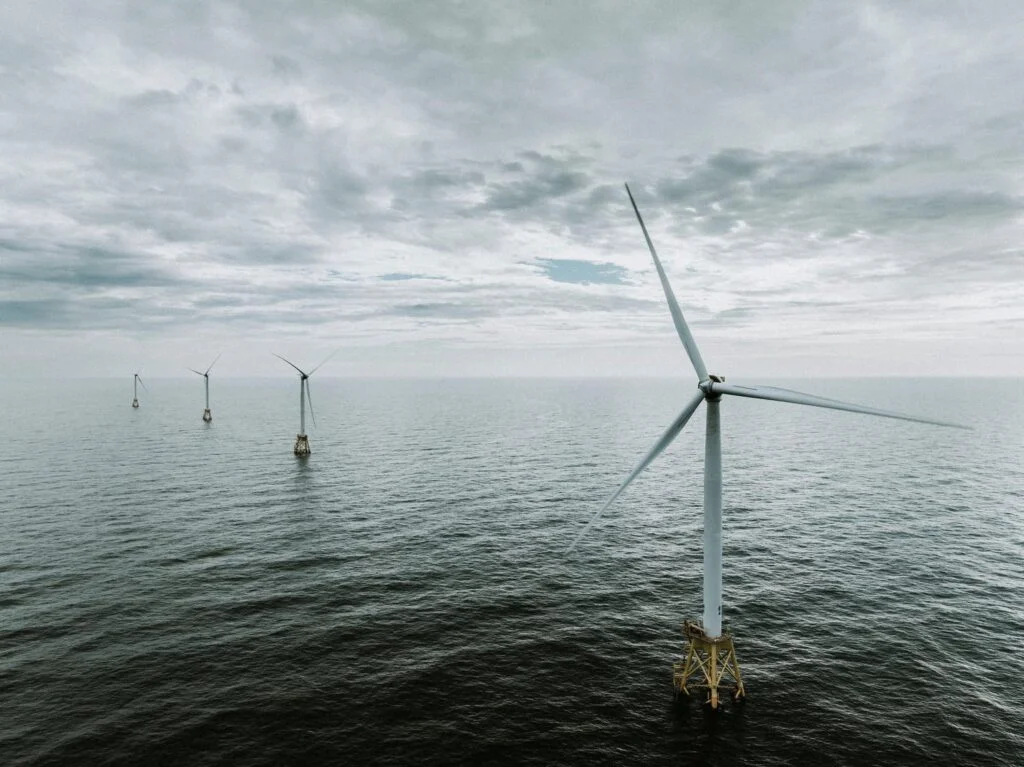
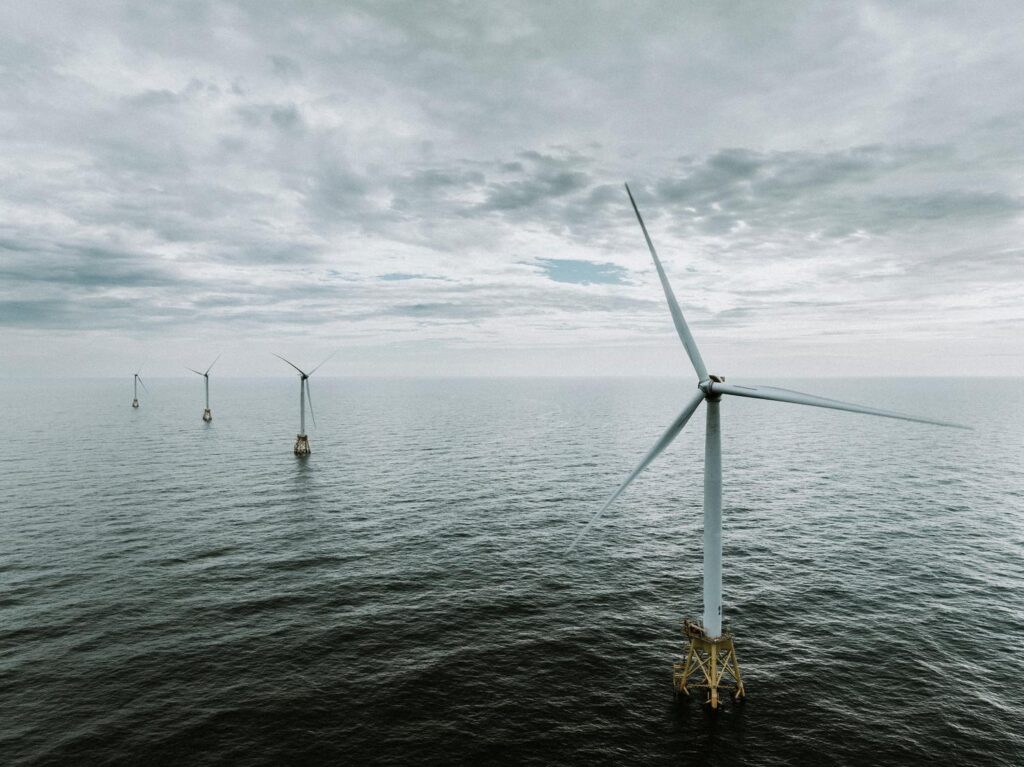
In a significant blow to the burgeoning U.S. offshore wind industry, the Department of the Interior (DOI) has issued orders to halt five fully permitted projects currently in various stages of construction. The affected developments include Vineyard Wind (Massachusetts), Revolution Wind (Rhode Island/Connecticut), Coastal Virginia Offshore Wind (Virginia), Sunrise Wind (New York), and Empire Wind (New York). Collectively, these projects represent billions of dollars in private investment and were projected to provide several gigawatts of clean electricity to the Eastern Seaboard.
The administration’s justification for the suspension centers on "national security" concerns. According to departmental memos, the placement of large-scale wind turbines in federal waters could potentially interfere with radar systems, maritime navigation, and naval training exercises. While the specific details of these security risks remain classified, the move allows the administration to bypass standard judicial review and environmental impact assessments that typically govern such infrastructure.
The immediate impact of these halts is a disruption in the supply chain for renewable energy. Thousands of jobs associated with the construction, maritime transport, and manufacturing of turbine components are now in a state of uncertainty. Industry analysts note that this decision creates a climate of instability for international investors who had committed to the U.S. market based on long-term federal permitting guarantees.

Massive Expansion of Offshore Oil and Gas Leasing
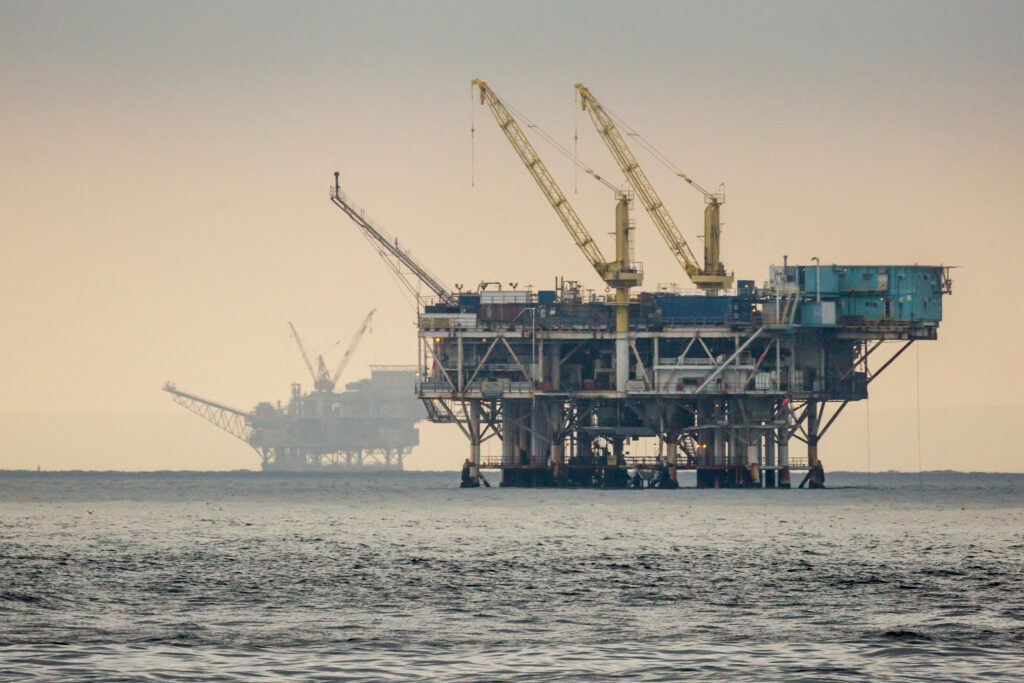
Simultaneously, the administration has proposed an unprecedented expansion of offshore drilling, moving to open 1.27 billion acres of U.S. waters to oil and gas exploration. This proposal marks a reversal of the 2024–2029 National Outer Continental Shelf (OCS) Oil and Gas Leasing Program, which had limited new leases to a record low. The new plan encompasses vast swaths of the Atlantic and Pacific coasts, as well as sensitive areas in the Arctic and the Gulf of Mexico.
The Department of the Interior’s proposal aims to maximize domestic energy production to ensure global price stability and energy dominance. Under the Outer Continental Shelf Lands Act (OCSLA), the Secretary of the Interior has the authority to revise leasing schedules, though such changes typically require extensive public comment and environmental review. Proponents of the plan, including several industry trade groups, argue that increased offshore production is essential for long-term energy security and federal revenue through royalties.
However, the proposal faces significant opposition from coastal states. Governors from both parties in states like California, Florida, and New Jersey have previously expressed concerns regarding the potential for oil spills and the impact of drilling on coastal tourism and fishing industries. Environmental data suggests that opening these waters could lock in decades of fossil fuel reliance, potentially increasing carbon dioxide emissions by hundreds of millions of metric tons over the life of the leases.
Federal Intervention in Colorado Coal Decommissioning
In an unusual application of federal emergency authority, the Department of Energy (DOE) has ordered the Craig Generating Station Unit 1 in Colorado to remain operational. The nearly 50-year-old coal plant was scheduled for decommissioning as part of a broader state-level transition to cleaner energy sources. The DOE invoked Section 202(c) of the Federal Power Act, which allows the Secretary of Energy to mandate the operation of power facilities during times of "emergency" to maintain grid reliability.
The order was issued just 24 hours before the plant’s scheduled closure, despite reports that the unit was already suffering from mechanical failures and was no longer economically viable. Tri-State Generation and Transmission Association, the utility responsible for the plant, had spent years planning the transition, citing the lower costs of wind and solar compared to the rising maintenance expenses of the aging coal unit.
The federal intervention highlights a growing tension between state-led decarbonization mandates and federal efforts to preserve the coal industry. Analysts suggest that forcing the plant to stay online will likely result in higher utility rates for Colorado consumers, as the cost of operating an inefficient coal plant exceeds the market price for renewable alternatives. Furthermore, the decision complicates Colorado’s Clean Air Act compliance, as the plant remains a significant source of sulfur dioxide and nitrogen oxide emissions in the region.
Targeting the National Center for Atmospheric Research (NCAR)
The administration has also signaled its intent to significantly reduce or eliminate funding for the National Center for Atmospheric Research (NCAR). Located in Boulder, Colorado, NCAR is a federally funded research and development center managed by the University Corporation for Atmospheric Research (UCAR) and sponsored by the National Science Foundation (NSF).
NCAR is globally recognized for its role in developing the Community Earth System Model (CESM), one of the most sophisticated tools for predicting long-term climate trends, wildfire behavior, and hurricane intensification. The institution provides critical data used by the Federal Aviation Administration (FAA) for flight safety and by the National Oceanic and Atmospheric Administration (NOAA) for weather forecasting.
The potential shutdown of NCAR would represent a major shift in the U.S. approach to climate science. The administration argues that federal research should focus on "immediate economic benefits" rather than long-term atmospheric modeling. Critics of this move point out that undermining NCAR’s research infrastructure would leave the U.S. vulnerable to extreme weather events, as the predictive capabilities for droughts, floods, and snowpack levels would be severely diminished.
Chronology of Recent Energy Policy Shifts
- January 20: Inauguration and signing of executive orders prioritizing "Energy Dominance."
- January 22: Department of Energy issues emergency order for Craig Generating Station Unit 1.
- January 24: Department of the Interior announces the suspension of five offshore wind projects citing national security.
- January 26: Announcement of the 1.27 billion-acre offshore drilling proposal.
- January 28: Office of Management and Budget (OMB) releases preliminary reports suggesting a phase-out of funding for climate research institutions like NCAR.
Economic and Environmental Implications
The economic impact of these policy shifts is multifaceted. While the administration emphasizes job creation in the oil and gas sectors, the renewable energy sector currently employs more than 3.3 million Americans—a number that could stagnate under the current moratoriums. The offshore wind industry alone was projected to support 80,000 jobs by 2030.

From an environmental perspective, the cumulative effect of these actions is likely to result in a net increase in U.S. greenhouse gas emissions. The preservation of coal plants and the expansion of offshore drilling run contrary to international climate agreements, such as the Paris Accord, from which the administration has previously indicated a desire to withdraw. Furthermore, the loss of atmospheric research capabilities at NCAR means that local and state governments will have less reliable data to plan for infrastructure resilience in the face of a changing climate.
Official Responses and Stakeholder Reactions
The reaction to these moves has been polarized. Industry groups such as the American Petroleum Institute (API) and the National Mining Association (NMA) have generally welcomed the administration’s focus on traditional energy resources, citing the need for "reliable, baseload power" and "regulatory certainty" for fossil fuel producers.
Conversely, environmental advocacy groups and renewable energy associations have condemned the actions. Organizations like Protect Our Winters (POW) and the Surfrider Foundation have launched public campaigns to oppose the offshore drilling expansion and the wind project halts. In a joint statement, several environmental NGOs argued that the administration is "weaponizing national security language to bypass the rule of law and scientific consensus."
State leaders have also weighed in. Colorado Governor Jared Polis expressed disappointment over the federal intervention at the Craig plant, stating that it overrides local decision-making and market-driven transitions. Meanwhile, attorneys general from several coastal states are reportedly preparing legal challenges to the offshore drilling proposal, citing violations of the Administrative Procedure Act and the National Environmental Policy Act (NEPA).
Broader Policy Analysis
The Trump administration’s actions suggest a strategy of using executive and emergency powers to bypass legislative hurdles and long-standing administrative processes. By framing energy policy through the lens of "national security" and "emergency reliability," the executive branch is asserting greater control over the energy mix, often at the expense of state-level autonomy and private-market trends.
As these policies move toward implementation, they are expected to face a barrage of litigation. The outcome of these legal battles will determine whether the administration can successfully dismantle the clean energy framework established over the last decade or if the momentum of the energy transition, driven by technological advancement and state mandates, will prove too resilient to be fully reversed. For now, the U.S. energy landscape remains in a state of profound transition, marked by a sharp ideological divide between federal directives and the evolving demands of the global energy market.
