

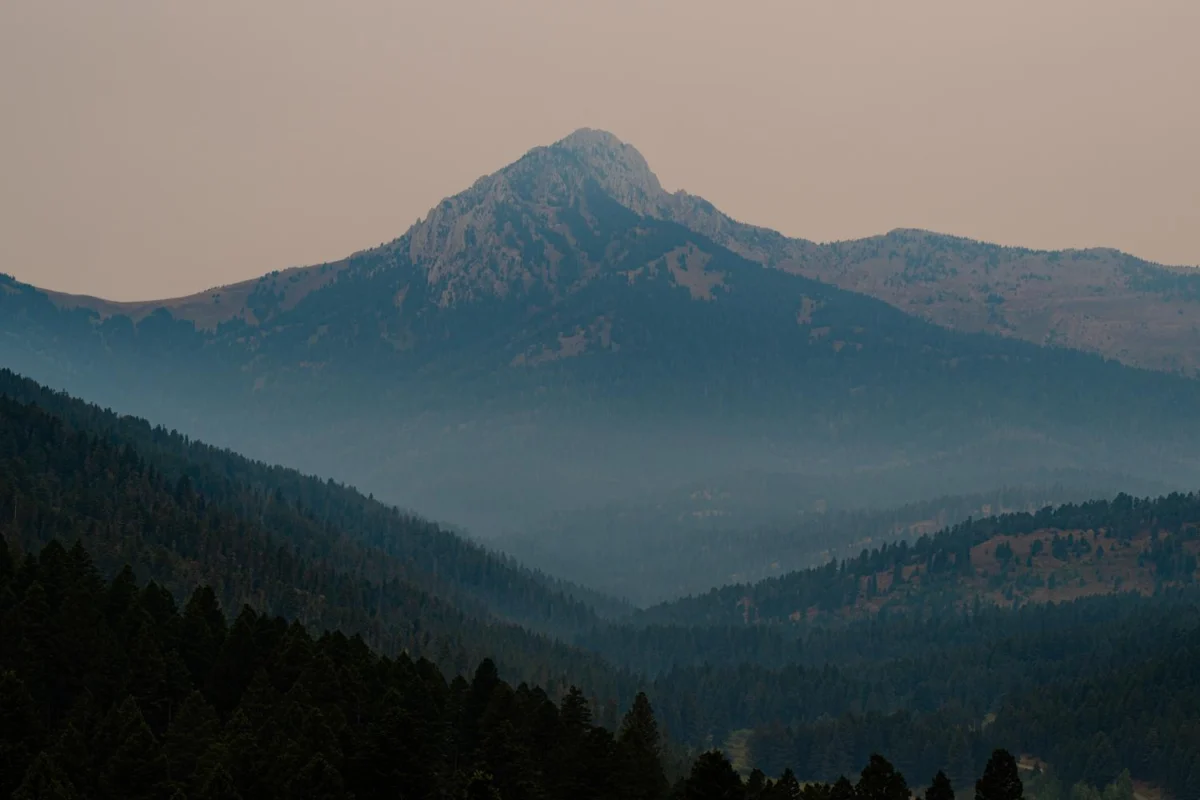
The Environmental Protection Agency (EPA) has officially moved to repeal the 2009 Endangerment Finding, a seminal scientific and legal determination that identified greenhouse gas emissions as a significant threat to public health and welfare. This regulatory reversal marks a fundamental shift in federal environmental policy and has prompted Protect Our Winters (POW), a prominent advocacy group representing the outdoor recreation community, to issue a formal demand for the immediate resignation of EPA Administrator Lee Zeldin. The repeal is viewed by scientific and legal experts as a deconstruction of the primary mechanism used by the federal government to regulate carbon dioxide and other heat-trapping gases under the Clean Air Act.
The Endangerment Finding has served as the bedrock of United States climate policy for fifteen years. By rescinding this finding, the EPA effectively removes the scientific justification required to implement and maintain a wide array of environmental protections, ranging from vehicle emission standards to limits on power plant pollution. POW argues that this decision represents a catastrophic departure from the agency’s mission to protect human health and the environment, occurring at a time when the physical and economic consequences of climate change are becoming increasingly visible across the United States.
The Legal and Scientific Significance of the Endangerment Finding
To understand the magnitude of the EPA’s recent action, it is necessary to examine the history of the Endangerment Finding. The finding was a direct result of the 2007 Supreme Court case Massachusetts v. EPA, in which the Court ruled that greenhouse gases are considered air pollutants under the Clean Air Act. The Court mandated that the EPA determine whether these emissions endangered public health or welfare. In 2009, following an exhaustive review of peer-reviewed science, the EPA concluded that the accumulation of six key greenhouse gases in the atmosphere threatened the well-being of current and future generations.
This determination was not merely symbolic; it created a legal obligation for the agency to regulate sources of these pollutants. For over a decade, it provided the authority for the Clean Power Plan, the Waters of the United States (WOTUS) rule, and various methane reduction initiatives. By repealing the finding, the current administration seeks to decouple the agency’s regulatory duties from the scientific consensus on climate change, a move that legal analysts suggest will lead to a protracted period of litigation in federal courts.
A Growing Crisis in the American West: The "Snow Drought"
The call for Administrator Zeldin’s resignation comes amid a winter season characterized by historically low snowpack levels across the American West. Protect Our Winters highlights that scientific measurements and satellite data currently show "snow drought" conditions in several key mountain ranges. This phenomenon is driven by temperatures that remain significantly above historical averages, causing a higher percentage of winter precipitation to fall as rain rather than snow.
Mountain snowpack serves as the primary water storage system for much of the United States. In states like Colorado, Utah, California, and Washington, the gradual melting of snow during the spring and summer provides a steady supply of water for:
- Municipal Water Supplies: Providing drinking water for tens of millions of residents.
- Agriculture: Sustaining the multi-billion-dollar farming industry in the Central Valley and the Intermountain West.
- Hydropower: Powering a significant portion of the Western power grid.
- Ecosystem Health: Maintaining cold-water habitats for fish and preventing the desiccation of forests.
When the snowpack fails to accumulate, the "natural reservoir" is depleted. This leads to tightened water supplies, increased wildfire risk due to drier vegetation, and shorter operational windows for the outdoor recreation industry. POW asserts that these impacts are the direct physical manifestations of the "endangerment" that the EPA is now choosing to ignore.
The Economic Implications for the "Outdoor State"
The outdoor recreation economy, often referred to by advocates as the "Outdoor State," represents a significant portion of the United States’ Gross Domestic Product (GDP). According to data from the Bureau of Economic Analysis (BEA), the outdoor recreation economy accounts for approximately $1.2 trillion in annual economic activity and supports nearly 5 million jobs. This sector includes everything from ski resort operations and gear manufacturing to guided fishing trips and rural hospitality services.
The stability of this economy is inextricably linked to predictable seasonal patterns. A shortened ski season or a drought-impacted rafting season has immediate ripple effects on local economies, particularly in rural and mountain communities that rely on tourism. POW argues that by dismantling climate protections, the EPA is placing this $1.2 trillion economy at existential risk. The organization emphasizes that the 181 million Americans who engage in outdoor recreation are not just hobbyists but are stakeholders in a massive economic engine that requires clean air, clean water, and stable winters to function.
Chronology of EPA Actions Since January 2025
The repeal of the Endangerment Finding is viewed by critics as the culmination of a rapid series of deregulatory actions taken since Administrator Zeldin assumed leadership in early 2025. A timeline of these shifts illustrates a broader strategy to prioritize fossil fuel interests over environmental safeguards:
- January 2025: The EPA announces a comprehensive review of all "restrictive" climate regulations, signaling a pivot toward energy dominance and deregulation.
- February 2025: The agency moves to rescind the Methane Emissions Reduction Program, which had previously incentivized oil and gas companies to curb leaks from infrastructure.
- March 2025: Rollbacks are proposed for tailpipe emission standards for light-duty and heavy-duty vehicles, citing a need to lower manufacturing costs for the automotive industry.
- April 2025: The EPA signals its intent to reconsider the scientific basis of the 2009 Endangerment Finding, leading to the current repeal.
These actions have been met with praise from several industrial groups and fossil fuel advocates, who argue that the previous regulatory environment was overly burdensome and stifled domestic energy production. However, environmental groups, Tribal nations, and public health organizations have criticized the moves as a "coordinated dismantling" of the public safety net.
Reactions from Stakeholders and Tribal Nations
The response to the repeal has been swift and polarized. Industry trade groups, such as the American Petroleum Institute (API), have historically argued that climate policy should be handled by Congress rather than through executive agency findings. Supporters of the repeal suggest that it will provide "regulatory certainty" for energy companies and reduce the cost of energy for consumers.
Conversely, Tribal nations and rural communities have expressed profound concern. Many Indigenous communities in the West rely on snow-fed river systems for traditional fishing and cultural practices. Representatives from several Tribal nations have stated that the loss of federal climate oversight threatens their water rights and the biodiversity of their ancestral lands.
Legal experts also anticipate a wave of "Major Questions Doctrine" challenges. This legal theory, recently emphasized by the Supreme Court, suggests that agencies cannot make decisions of vast economic and political significance without clear authorization from Congress. While the administration may use this to justify the repeal, environmental lawyers argue that the Clean Air Act provided exactly that authorization, and that the repeal itself is an arbitrary and capricious dismissal of established science.
Analysis of the Long-term Impact
The repeal of the Endangerment Finding creates a significant vacuum in federal environmental law. Without the legal requirement to address greenhouse gases, the EPA is no longer obligated to update standards as climate science evolves. This could lead to a "lost decade" of climate action at the federal level, shifting the burden of regulation entirely to individual states.
States like California, New York, and Washington are expected to maintain or strengthen their own climate mandates, leading to a fragmented regulatory landscape. For businesses operating nationally, this "patchwork" of regulations can be more difficult to navigate than a single federal standard. Furthermore, the lack of federal oversight may hinder international climate negotiations, as the United States’ ability to meet its global commitments under the Paris Agreement is largely dependent on the EPA’s regulatory authority.
The impact on public health is another critical area of concern. Greenhouse gases are often emitted alongside other hazardous air pollutants, such as particulate matter and nitrogen oxides. By reducing the pressure to curb carbon emissions, the EPA may inadvertently allow for higher levels of localized pollution, which disproportionately affects vulnerable populations, including children, the elderly, and communities of color living near industrial corridors.
Conclusion and Outlook
Protect Our Winters’ demand for Lee Zeldin’s resignation reflects a growing tension between the current administration’s deregulatory agenda and the observed realities of a changing climate. As the American West grapples with a record-breaking snow drought and the outdoor economy faces increasing volatility, the debate over the Endangerment Finding will likely move from the halls of the EPA to the chambers of the federal court system.
The coming months will determine whether the repeal stands or if the scientific and legal foundations laid in 2009 are resilient enough to withstand this fundamental challenge. For the "Outdoor State" and the millions of Americans whose livelihoods and health depend on environmental stability, the stakes of this policy shift are nothing less than existential. The EPA’s transition from a regulatory body focused on mitigation to one focused on deregulation represents one of the most significant pivots in the history of American governance, with implications that will be felt for decades to reach.
