

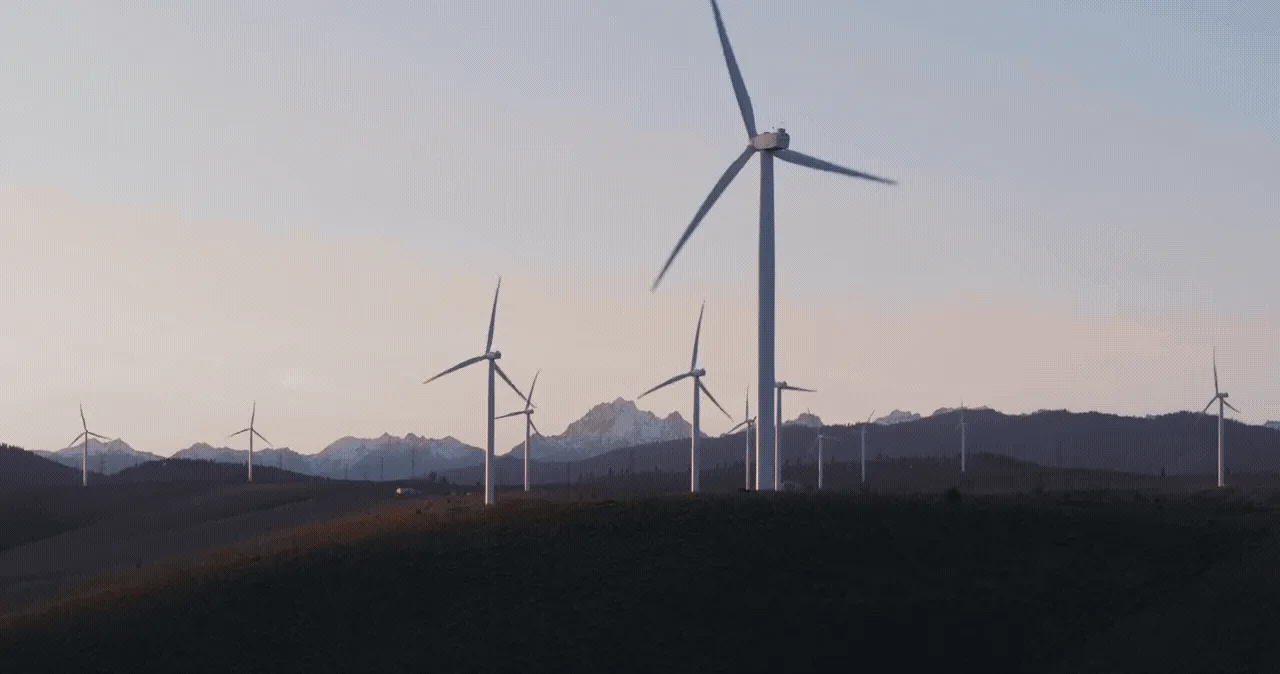
The global shift toward renewable energy has reached an unprecedented scale, yet this progress is being met with an equally expansive and sophisticated campaign of skepticism and opposition. As offshore wind projects, solar arrays, and electric vehicle (EV) infrastructure become more prominent, a wave of narratives has emerged, ranging from concerns over property values and aesthetics to claims of ecological devastation and grid instability. While some of these concerns stem from genuine local anxieties, a significant portion of the rhetoric is identified by experts as a coordinated disinformation campaign. These efforts, often traced back to interests aligned with the fossil fuel industry, seek to preserve the status-case of carbon-intensive energy production by seeding doubt among the public and policymakers alike.
The current landscape of climate discourse is defined by a critical distinction between misinformation and disinformation. Misinformation refers to the unintentional sharing of false or misleading information by individuals who believe the claims to be true. A common example includes community members expressing concern over offshore wind’s impact on avian populations based on viral social media posts. Conversely, disinformation is the intentional creation and dissemination of false narratives designed to deceive, distract, or stall progress. In the context of the energy transition, disinformation serves as a strategic tool to derail systemic climate solutions by shifting public focus toward narrow, often exaggerated, or entirely fabricated concerns.
Historical Context: The Long Legacy of Strategic Skepticism
The deployment of disinformation regarding environmental science is not a new phenomenon. For decades, the fossil fuel industry has utilized significant capital and influence to shape public perception. Historical records and investigative journalism have revealed that as early as the 1970s and 1980s, major oil companies conducted internal research that accurately predicted the trajectory of global warming caused by carbon emissions. However, rather than pivoting toward cleaner alternatives at that time, many of these entities funded public relations campaigns designed to emphasize scientific uncertainty.

This strategy has evolved over time. In the 1990s and early 2000s, the focus was on outright climate denial—the argument that the planet was not warming or that human activity was not the cause. As the physical evidence of climate change became undeniable, the strategy shifted toward "climate delayism." This modern iteration does not necessarily deny the science but instead attacks the viability, safety, and reliability of the solutions. By funding think tanks, lobbying groups, and social media influencers, these interests ensure that every renewable energy milestone is met with a counter-narrative of fear or impracticality.
Deconstructing the Myths: Data-Driven Rebuttals
To understand the impact of these campaigns, it is necessary to examine the specific claims frequently used to undermine renewable technologies. These narratives often take the form of "red herrings"—logical fallacies that distract from the broader benefits of the energy transition by focusing on isolated or manageable challenges.
Electric Vehicles and Lifecycle Emissions
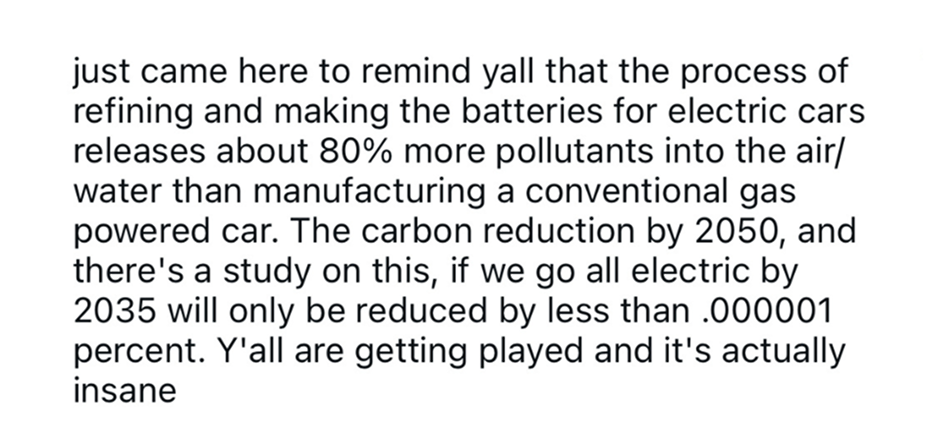
One of the most persistent narratives suggests that the production of electric vehicles, particularly the mining of minerals for batteries, is more environmentally damaging than the operation of internal combustion engine (ICE) vehicles. While mineral extraction does involve environmental costs and carbon emissions, comprehensive lifecycle analyses provide a different perspective.
According to researchers at the Massachusetts Institute of Technology (MIT) Energy Initiative, the lifetime emissions of EVs are significantly lower than those of gasoline-powered cars. On average, a gasoline-powered vehicle emits more than 350 grams of CO2 per mile driven over its entire lifecycle. In contrast, a fully battery-electric vehicle (BEV) accounts for approximately 200 grams per mile. This figure includes the carbon-intensive process of battery manufacturing. As the electrical grids that charge these vehicles become "greener" through the integration of more wind and solar, the carbon footprint of EVs continues to decline, a benefit that gasoline vehicles cannot achieve.
Offshore Wind and Avian Mortality
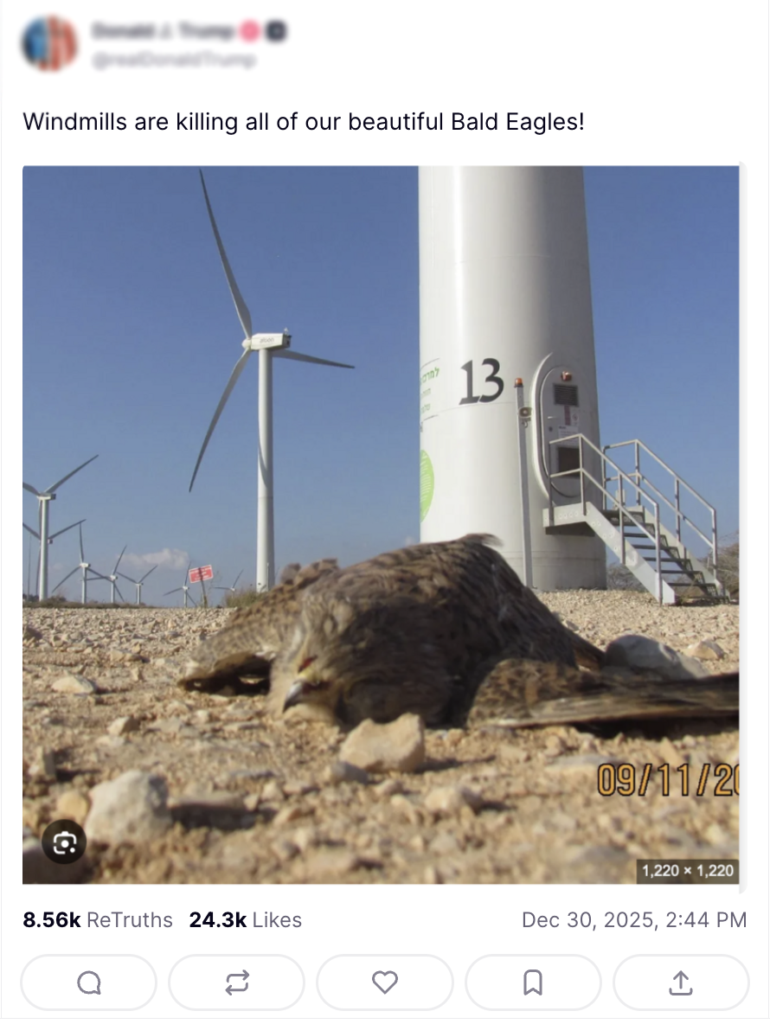
The claim that wind turbines are a primary driver of bird population decline is a frequent talking point in anti-renewable circles. While it is true that bird strikes occur, the scale is often misrepresented. Data from the U.S. Fish and Wildlife Service and various conservation organizations indicate that the leading human-related causes of bird mortality are domestic cats, collisions with glass buildings, and vehicles.
Furthermore, climate change itself is cited by the National Audubon Society as the single greatest threat to bird species, with two-thirds of North American birds at risk of extinction if global temperatures continue to rise unchecked. Renewable energy infrastructure, by displacing fossil fuels and mitigating temperature rise, serves as a net positive for biodiversity. Responsible developers now utilize advanced siting technology and AI-driven monitoring to further reduce the risk of avian collisions.
Marine Ecosystems and Energy Infrastructure
Similar concerns are raised regarding offshore wind farms and their impact on marine life, including whales and fish stocks. Critics often point to these projects as uniquely disruptive, while overlooking the documented damage caused by offshore oil and gas operations. Offshore oil rigs carry the perpetual risk of catastrophic spills, which can poison entire ecosystems for decades. Additionally, the seismic surveying used in oil and gas exploration is significantly louder and more disruptive to marine mammals than the construction of wind turbine foundations.
While the "industrialization of the ocean" is a valid concern for conservationists, marine biologists note that wind turbine foundations can often act as artificial reefs, promoting biodiversity by providing habitats for various marine species. The consensus among environmental agencies is that the long-term ecological consequences of ocean acidification and warming—both driven by fossil fuel consumption—far outweigh the localized impacts of wind farm construction.
The Mechanics of Modern Disinformation
The digital age has amplified the reach of disinformation. Social media platforms allow for the rapid spread of "astroturfing" campaigns—organized efforts that create the appearance of grassroots opposition to renewable projects. These campaigns often use bots or paid influencers to saturate comment sections and local forums with repetitive talking points.
A key tactic identified by communication experts is the "straw man" argument, where a simplified or distorted version of a renewable energy policy is attacked. For instance, rather than discussing the gradual transition to a diversified grid, critics may claim that environmentalists want to "ban all cars" or "shut down the power grid overnight." These exaggerations are designed to provoke an emotional response and prevent a nuanced discussion about infrastructure investment and energy security.
Institutional Responses and the Path Forward
In response to the surge in disinformation, international bodies and non-governmental organizations (NGOs) are taking steps to provide the public with verified data. The International Energy Agency (IEA) has repeatedly emphasized that the path to "Net Zero" emissions requires a massive scaling of renewables, noting that clean energy is now the most cost-effective form of new electricity generation in most parts of the world.
Advocacy groups, such as Protect Our Winters (POW), are focusing on community education as a primary defense. By empowering individuals to identify logical fallacies and seek out scientific sources, these organizations aim to build a "pillar of truth" for climate progress. The strategy involves three main components:

- Media Literacy: Encouraging the public to scrutinize the funding sources behind anti-renewable advertisements and articles.
- Civic Engagement: Highlighting the importance of local municipality elections, where many decisions regarding zoning for solar and wind farms are made.
- Economic Advocacy: Promoting the economic benefits of the green economy, including job creation in the manufacturing and maintenance of renewable infrastructure.
Analysis of Implications
The success or failure of these disinformation campaigns will have profound implications for global climate goals. Delaying the transition to renewable energy increases the likelihood of reaching "tipping points" in the Earth’s climate system, leading to more frequent and severe weather events, economic instability, and threats to food security.
Furthermore, there is a significant economic risk for nations that fall behind in the clean energy race. As global markets shift toward low-carbon products, countries that have successfully transitioned their energy grids will possess a competitive advantage. Disinformation that stalls domestic renewable growth may inadvertently lead to long-term economic reliance on foreign energy markets and technologies.
While no energy source is without its environmental footprint, the data indicates that renewables offer a substantially safer and cleaner alternative to the current fossil-fuel-dominated system. The transition requires rigorous scientific oversight and responsible development, but experts agree that "perfection must not be the enemy of the good." By identifying and neutralizing the coordinated campaigns of doubt, society can focus on the technical and logistical challenges of building a sustainable future, rather than being derailed by strategic deception.
