

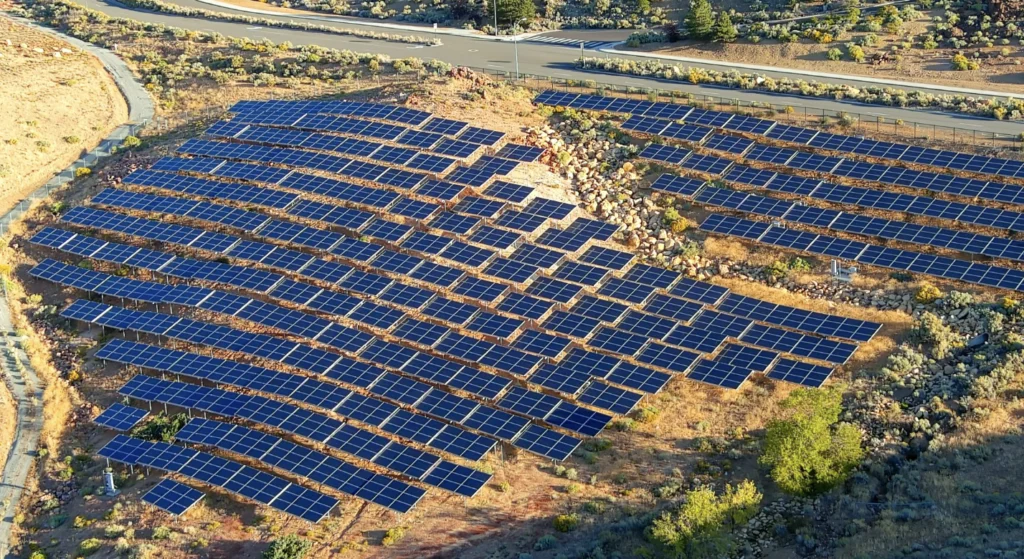
The development of the Trego Battery Energy Storage System (BESS) in Reno, Nevada, represents a significant milestone in the state’s transition toward a decarbonized electrical grid. This 200-megawatt (MW) utility-scale project is designed to capture and store excess renewable energy, specifically from Nevada’s abundant solar resources, to be deployed during periods of peak demand. By providing enough capacity to power approximately 68,000 households, the Trego BESS addresses a critical vulnerability in the regional energy infrastructure: the mismatch between peak renewable generation and peak consumer consumption. The project’s advancement follows a concerted effort by local residents, scientific experts, and advocacy groups, highlighting the growing importance of community-level engagement in the deployment of large-scale green technology.
The Technical Framework of the Trego BESS
Battery energy storage systems serve as the "bridge" for renewable energy grids. Unlike traditional fossil fuel power plants, which can generate electricity on demand, solar and wind energy are intermittent. In Nevada, solar production peaks during the afternoon, but consumer demand often surges in the early evening as residents return home and commercial cooling needs remain high. Without storage, this excess midday energy is often lost or sold at a deficit.
The Trego BESS utilizes a 200-MW capacity to mitigate this issue. At the heart of the project is Lithium Iron Phosphate (LFP) technology. This specific chemistry is increasingly favored over traditional Nickel Manganese Cobalt (NMC) lithium-ion batteries for stationary storage applications. LFP batteries offer several advantages: they are less prone to thermal runaway (a condition that can lead to fires), they boast a longer cycle life, and they do not require cobalt, a material associated with significant ethical and environmental concerns in the global supply chain. For the Reno community, the choice of LFP technology was a pivotal factor in alleviating safety concerns regarding the proximity of industrial-scale batteries to residential and natural areas.
Economic Contributions and Regional Growth
The fiscal implications of the Trego project extend beyond energy reliability. According to industry estimates and project data, battery storage initiatives of this scale generate approximately $14 million in economic activity for every 5 megawatts of capacity. For a 200-MW installation like Trego, the total economic stimulus is projected to be substantial, encompassing direct construction jobs, long-term technical maintenance roles, and significant tax revenue for Washoe County.
This revenue is typically funneled into local infrastructure, public schools, and emergency services. Furthermore, the presence of robust energy storage can lead to lower electricity costs for consumers over time. By reducing the need for "peaker plants"—expensive, gas-fired facilities that only run during high-demand periods—BESS installations allow utilities to stabilize rates and minimize the volatility associated with fossil fuel prices.
The Role of Local Advocacy and the Science Alliance
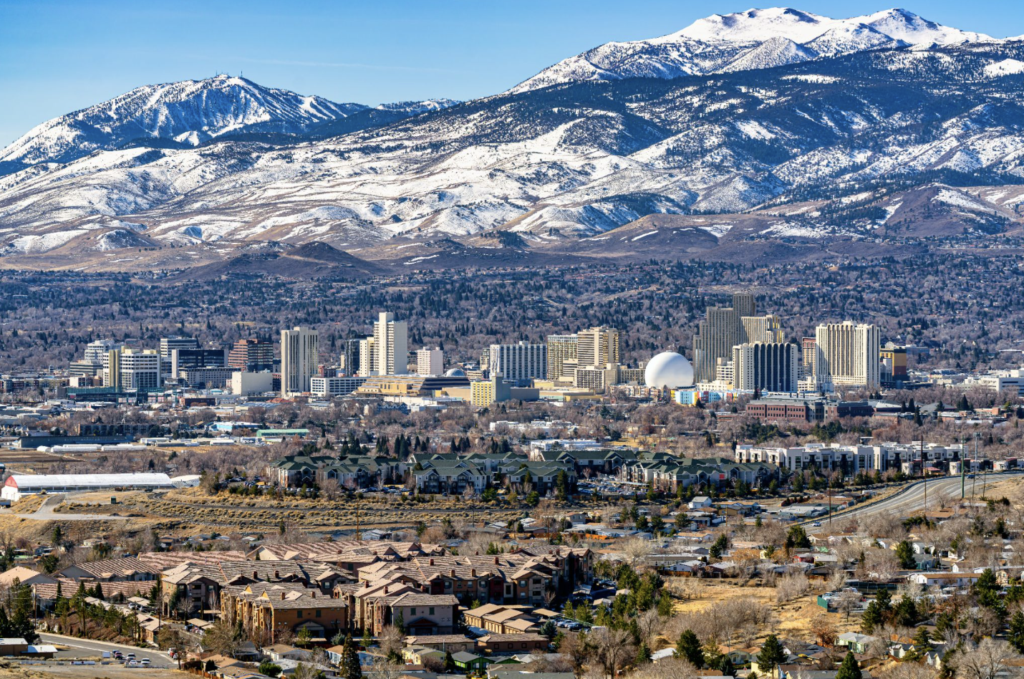
The trajectory of the Trego BESS was significantly influenced by local mobilization, particularly through the involvement of Protect Our Winters (POW) and its Science Alliance. Dr. Anne Nolin, a Snow Hydrologist and Professor in the Geography Department at the University of Nevada, Reno, emerged as a key figure in the project’s public discourse. Dr. Nolin’s involvement underscores a shift in how scientific professionals interact with local policy; rather than remaining in academic silos, experts are increasingly testifying at public hearings to provide factual clarity on climate solutions.
Dr. Nolin and other community members participated in a series of public hearings to address the "NIMBY" (Not In My Backyard) sentiment that frequently stalls renewable infrastructure. Common concerns raised by the public included the visual impact of the facility, potential noise, and fire safety. By providing evidence-based testimony regarding the safety of LFP technology and the necessity of storage for Nevada’s climate goals, advocates were able to shift the narrative from one of apprehension to one of local empowerment. The success in Reno is being viewed as a blueprint for how climate-forward infrastructure can be approved even in the face of initial local skepticism.
Nevada’s Strategic Energy Landscape
The Trego project does not exist in a vacuum; it is a vital component of Nevada’s broader legislative mandate. Senate Bill 358, passed in 2019, requires Nevada utilities to derive 50% of their energy from renewable sources by 2030, with a long-term goal of zero carbon emissions by 2050. Achieving these targets is impossible without a massive expansion of storage capacity.
As Nevada retires its remaining coal-fired assets, such as the North Valmy Power Plant, the grid requires a new form of "baseload" stability. The Trego BESS provides this by acting as a giant reservoir for the state’s solar farms. When the sun sets, the stored energy in the Trego system can be discharged into the grid, ensuring that the transition to renewables does not come at the cost of grid reliability or rolling blackouts during Nevada’s intense summer heatwaves.
Overcoming Permitting and Regulatory Hurdles
The timeline for projects like Trego is often dictated by complex permitting processes involving local, state, and sometimes federal agencies. In Nevada, where a large percentage of land is managed by the Bureau of Land Management (BLM), the intersection of state energy goals and federal land use policy is a constant factor.
The Trego BESS project had to undergo rigorous environmental impact assessments and zoning reviews. The involvement of the Reno community during the public comment periods was instrumental in moving the project through the Washoe County Planning Commission. When community members show up in support of a project, it provides political cover for decision-makers who might otherwise be hesitant to approve industrial developments. The Reno "win" suggests that when advocacy groups provide the public with the tools to understand the technology—such as "Clean Energy Toolkits"—the likelihood of project approval increases significantly.
Chronology of the Trego BESS Development
The development of the Trego BESS followed a structured multi-year path:
- Initial Proposal and Site Selection: Developers identified the Reno area as a strategic hub due to its proximity to existing transmission lines and high-output solar arrays.
- Technical Design Phase: Selection of Lithium Iron Phosphate (LFP) technology to maximize safety and cycle efficiency.
- Public Notification and Initial Pushback: As with many infrastructure projects, the initial announcement was met with questions regarding land use and safety.
- Community Mobilization: Groups like POW and local academics began an educational campaign to explain the benefits of BESS.
- Public Hearings: Residents and experts testified before local boards, providing a counter-narrative to opposition groups.
- Regulatory Approval: Following the demonstration of strong community support and technical viability, the project moved into the final stages of the permitting process.
- Implementation: The project is now positioned to contribute to the regional grid, serving as a cornerstone of Northern Nevada’s energy strategy.
Broader Implications for the American West
The success of the Trego BESS in Reno has implications that extend far beyond the borders of Nevada. Across the American West, states are grappling with the "Duck Curve" phenomenon, where midday solar overproduction creates a steep need for rapid-start energy sources in the evening. Battery storage is the most viable technological solution to this problem, yet many projects are cancelled due to local opposition.
The Reno case study demonstrates that "local action is climate action." It proves that the "missing link" in the energy transition is often not the technology itself, but the social license required to build it. When outdoor enthusiasts, scientists, and residents align their interests, they can overcome the inertia of traditional energy systems.
As the United States continues to implement the Inflation Reduction Act (IRA), which provides significant tax credits for standalone energy storage, the frequency of projects like Trego will increase. The Reno experience suggests that the path to a clean energy future is paved through local government chambers and public hearing rooms. By demystifying the technology and highlighting the economic and safety benefits, communities can transform from passive energy consumers into active participants in the modern grid.
The Trego Battery Energy Storage System stands as a testament to the fact that clean energy wins are not just won in Washington D.C. or in corporate boardrooms; they are secured in local communities by people willing to advocate for the infrastructure of tomorrow. With 200 megawatts of clean, stored power soon to be available, Reno is positioning itself as a leader in the sustainable energy movement, providing a reliable and safe model for the rest of the nation to follow.
