

The 2025-2026 winter season across the Western United States has concluded as a historic anomaly, characterized by climatologists as a "warm snow" year where average precipitation was undermined by record-breaking temperatures. While the "water year"—the period from October to September used by hydrologists to measure precipitation—showed near-normal moisture levels in several regions, the lack of sustained freezing temperatures prevented the accumulation of a viable snowpack. This divergence has triggered significant disruptions for the multi-billion-dollar winter tourism industry and raised urgent concerns regarding the stability of water resources for the coming summer months.
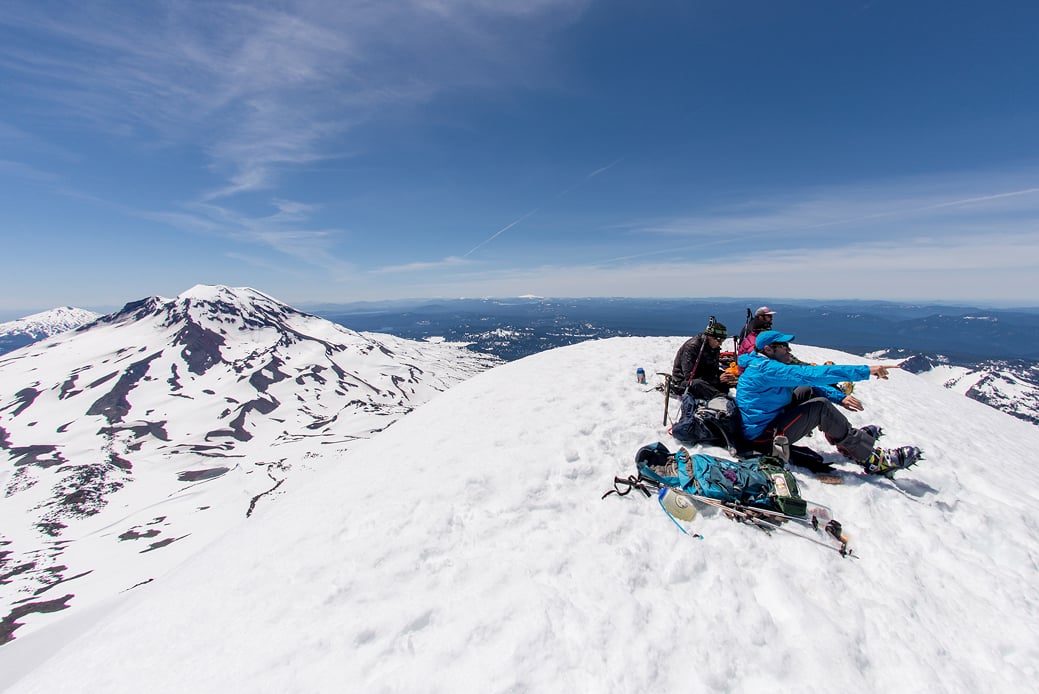
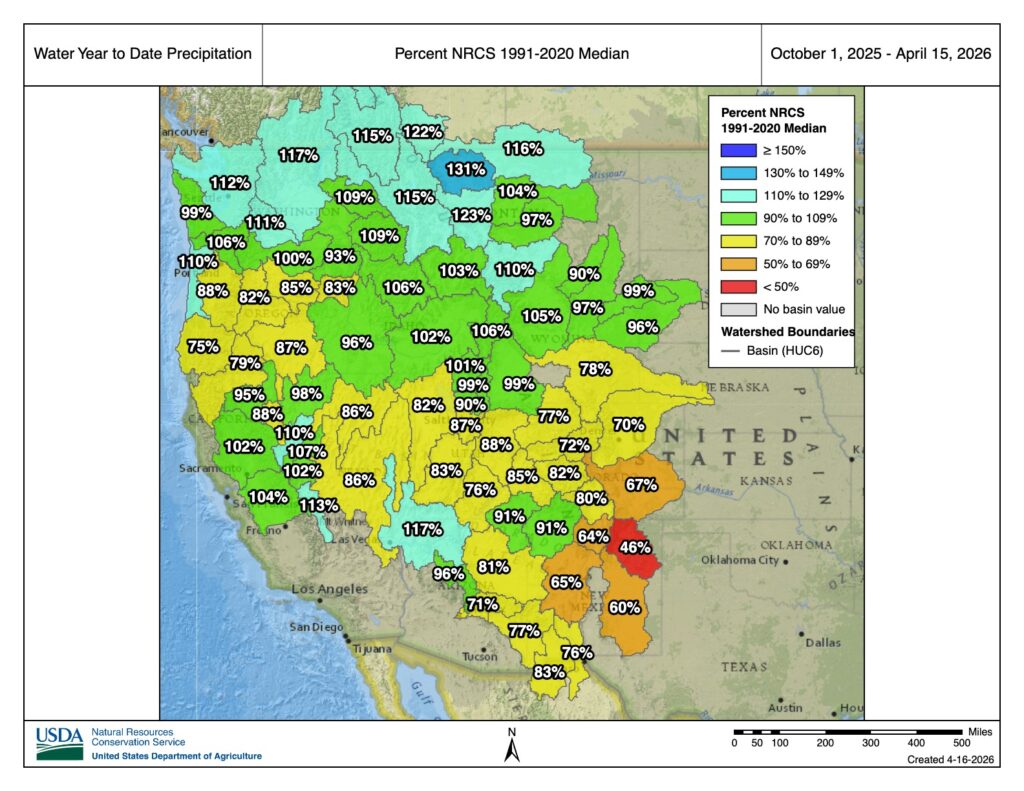
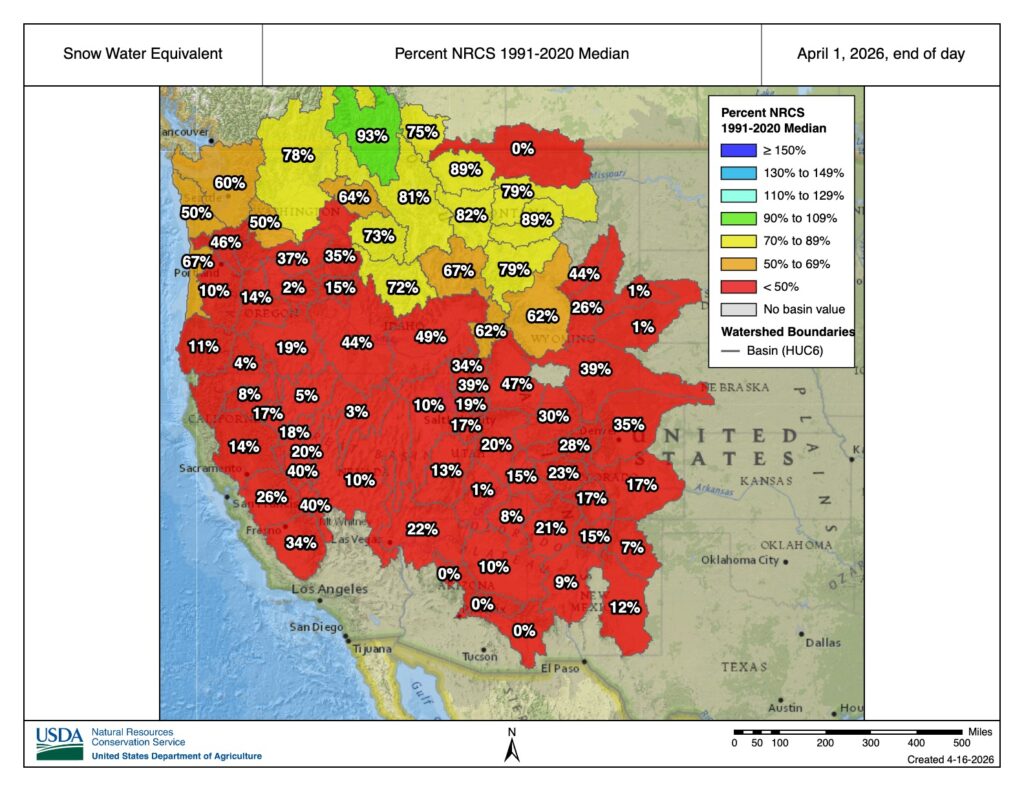
Data from the Natural Resources Conservation Service (NRCS) and the PRISM Climate Group indicate that while states such as Washington, Idaho, Montana, and northwest Wyoming received slightly above-average precipitation, the thermal profile of the atmosphere remained too high to convert that moisture into snow. Conversely, Oregon, Utah, and Colorado experienced a "double-wide" deficit, trending both drier and significantly warmer than historical averages. The result was a season defined by "low tide" conditions, where ski resorts faced erratic operational schedules and backcountry enthusiasts found themselves navigating exposed terrain months earlier than expected.
A Chronology of the 2025-2026 "Warm Winter"
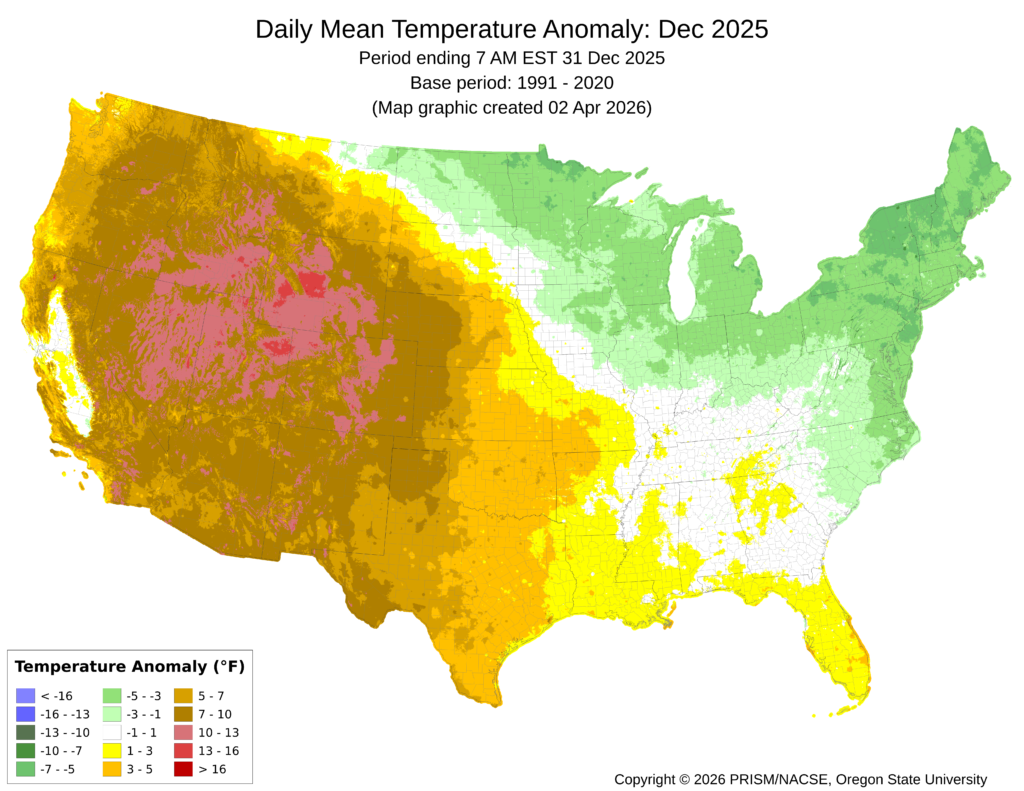
The season began with cautious optimism in October and November 2025, as early-season storms suggested a standard precipitation pattern. However, the trajectory shifted dramatically in December, a month that typically serves as the foundation for the winter snowpack. During December 2025, temperature anomalies across the Western United States were staggering, with many regions recording temperatures 5 to 15 degrees Fahrenheit above the long-term average. This "nightmare" scenario for winter recreation meant that many storms arrived as rain even at high elevations, or as "wet" snow that melted rapidly upon contact with the saturated, warm ground.
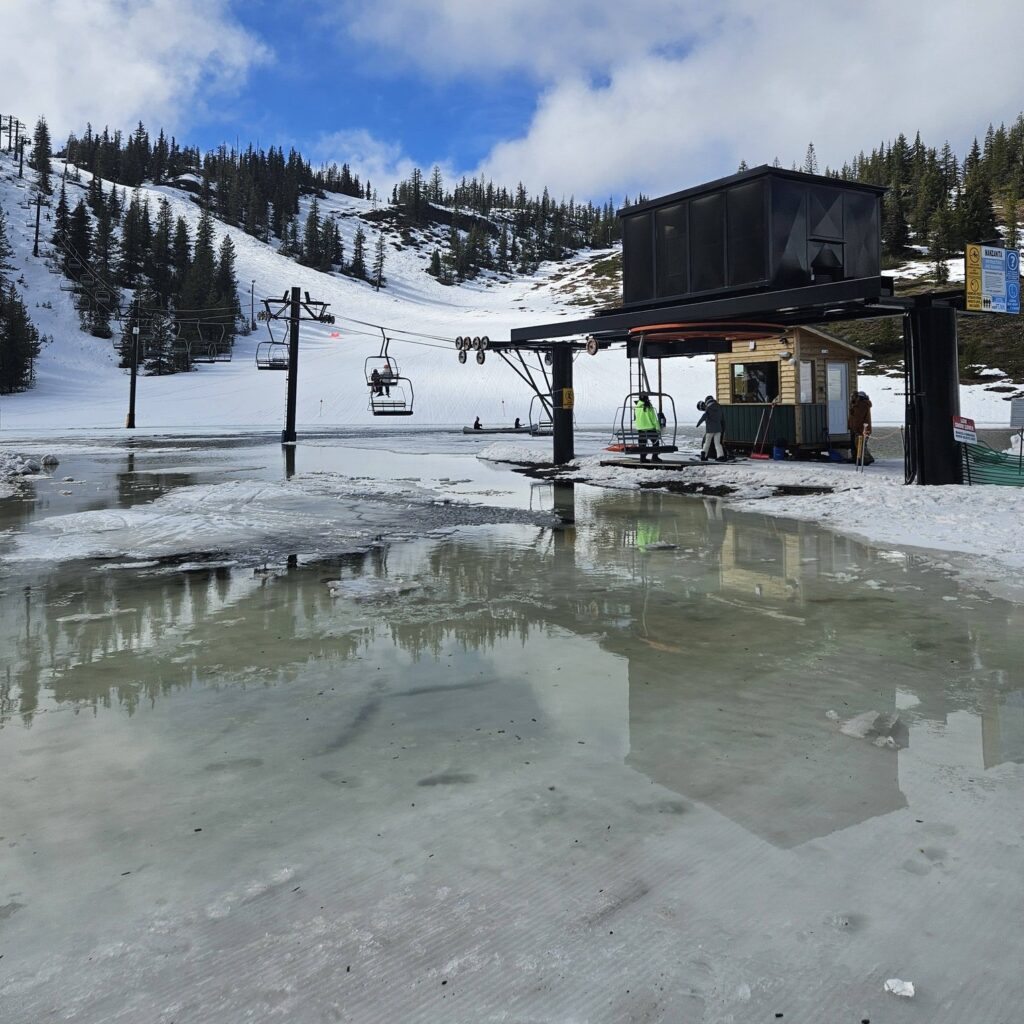
By the turn of the year, the "goalposts" for the season’s commencement were repeatedly shifted. Resort operators who initially hoped for a robust New Year’s opening were forced to pin their hopes on Martin Luther King Jr. Day, then President’s Day, and eventually the spring break period. In many instances, the anticipated "take-off" never occurred. At Hoodoo Ski Area on Oregon’s Santiam Pass, the season was punctuated by an unscheduled "pond skim" in mid-March—an event usually reserved for the final days of the season—as melting snow formed large bodies of standing water on active runs.
The climax of this meteorological trend was observed on April 1, 2026. Historically, April 1 is used as the primary benchmark for measuring peak Snow Water Equivalent (SWE), the amount of water contained within the snowpack. In 2026, SWE values across the West were recorded at a tiny fraction of their historical averages. Many observation stations reported their lowest peak values in 45 years. By mid-April, the snow had vanished entirely in many locations, with "snow-off" dates occurring not just days or weeks, but up to two months earlier than the statistical norm.
Understanding the "Snow Reservoir" and the Hydrologic Cycle
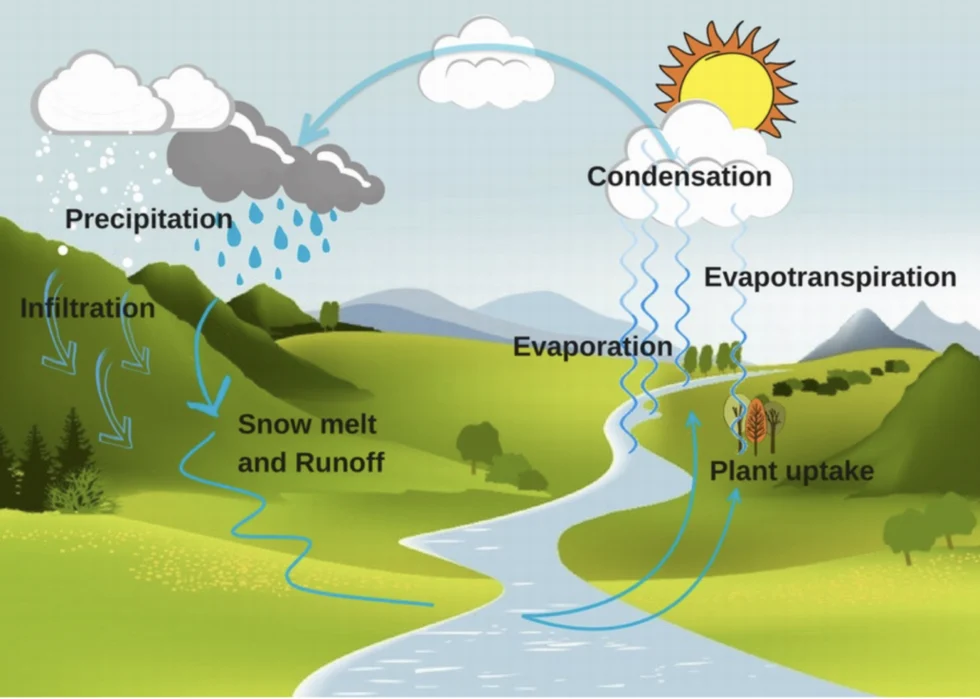
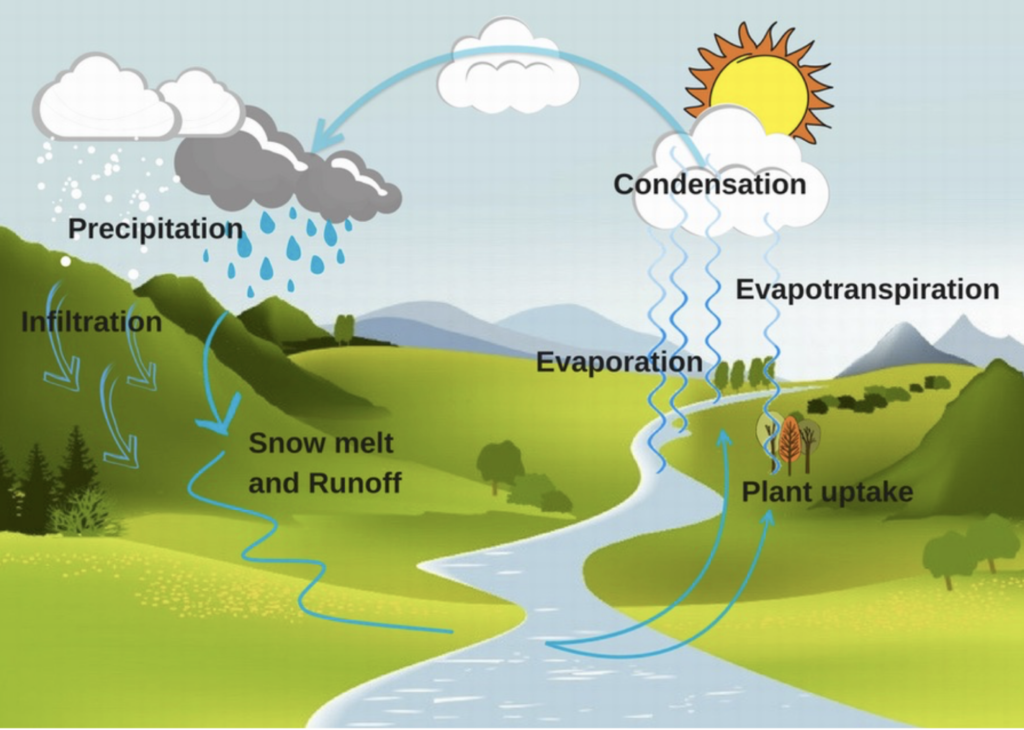
To grasp the severity of a low snow year, it is necessary to view snow not merely as a recreational medium but as the West’s most vital "natural reservoir." The hydrologic cycle—the continuous movement of water on, above, and below the surface of the Earth—relies on the seasonal lag provided by snow. In a healthy winter, precipitation is "locked up" in the mountains as ice and snow, then slowly released during the late spring and summer.
The scale of this natural storage is immense. Scientists estimate that at its peak, the water stored as snow in the contiguous United States is approximately five times the volume of Lake Mead, the nation’s largest man-made reservoir. When this "snow reservoir" fails to form, the entire water management infrastructure of the Western U.S. is placed under duress. Without the slow release of snowmelt, runoff occurs too early and too quickly, often leading to:
- Increased Flooding Risk: Rapid runoff from rain-on-snow events or early melting can overwhelm river systems and infrastructure designed for gradual flow.
- Ecological Stress: Aquatic species, particularly salmon and trout, rely on the steady influx of cold meltwater to maintain survivable stream temperatures during the summer.
- Agricultural Shortages: Farmers who depend on late-season irrigation may find that the water has already passed through the system by the time it is most needed for crops.
The Crisis at Lake Mead and the Colorado River Basin
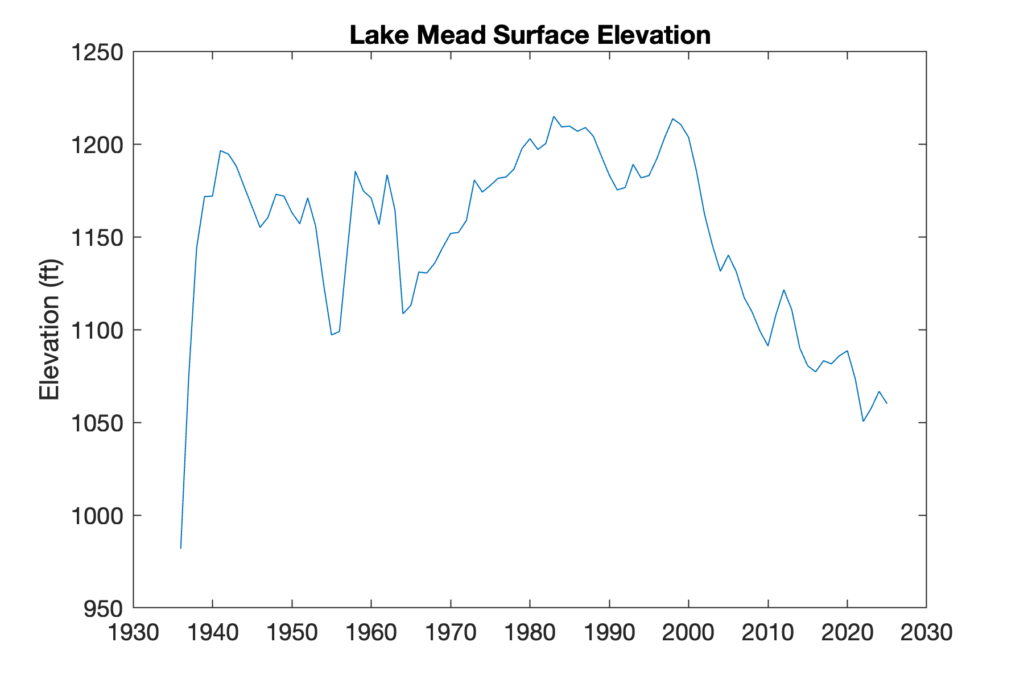
The 2025-2026 season has added further pressure to the already strained Colorado River Basin. Years of consecutive dry conditions and rising temperatures have led to a steady decline in the elevation of Lake Mead, the reservoir behind the Hoover Dam. As of early 2026, water managers are engaged in increasingly urgent negotiations regarding water allocations among the "Seven States" (California, Arizona, Nevada, Colorado, New Mexico, Utah, and Wyoming) and Mexico.
The failure of the 2026 snowpack means that the "insurance policy" provided by mountain runoff will be significantly diminished. Municipalities and agricultural users in both the Upper and Lower Basins are facing a future where the mismatch between supply and demand is no longer a theoretical risk but a daily reality. The lack of mountain storage forces a greater reliance on groundwater and surface reservoirs that are already at historic lows.
Economic Impacts and Industry Reactions
The economic fallout of the 2025-2026 season has been felt most acutely in the outdoor recreation sector. According to data from the National Ski Areas Association (NSAA), the winter sports industry contributes over $20 billion annually to the U.S. economy. The "stop-and-start" nature of the 2026 season led to significant losses in lift ticket sales, lodging revenue, and seasonal employment.
"We are seeing a fundamental shift in how we must operate," noted one regional resort manager during a mid-season briefing. "The volatility of the 2025-2026 season highlights the need for massive investments in snowmaking technology and a diversification of mountain activities that don’t rely solely on natural snowfall."
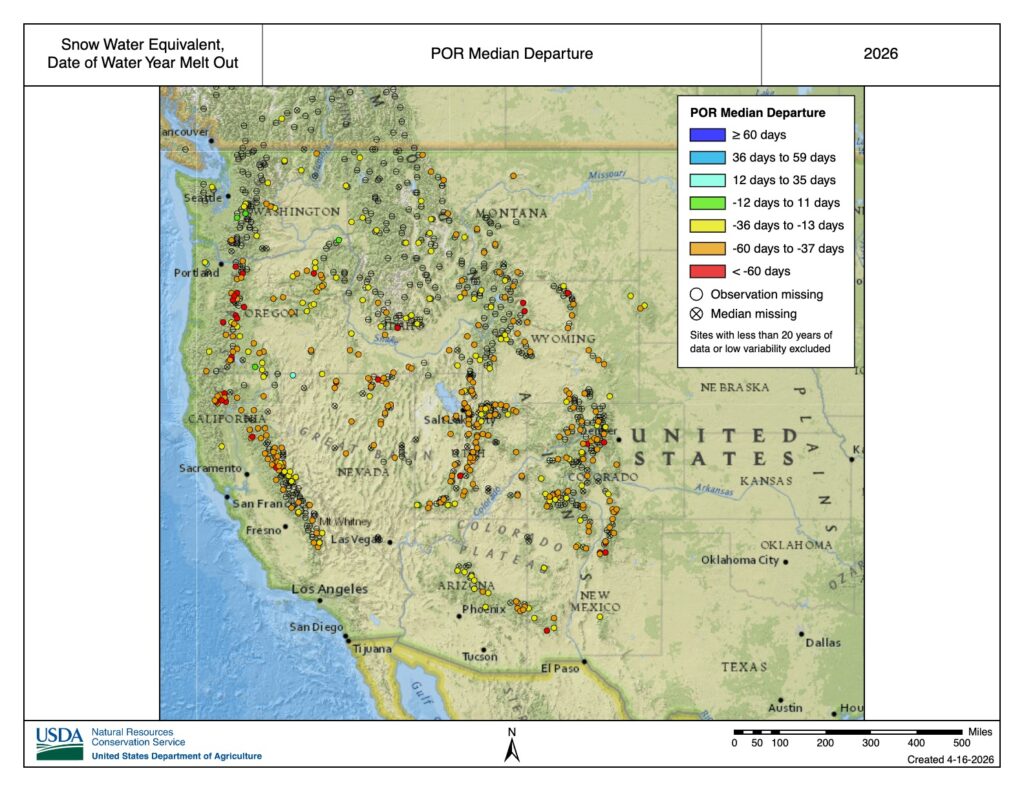
Backcountry enthusiasts and local gear retailers have also reported a "grief-stricken" season. The early disappearance of snow in the Cascades and Sierras shortened the backcountry skiing window by nearly 60 days in some regions, leading to a decline in equipment sales and a general sense of unease regarding the future of winter sports in the lower latitudes of the Western United States.
Analysis: The "Long Game" of Climate Variability
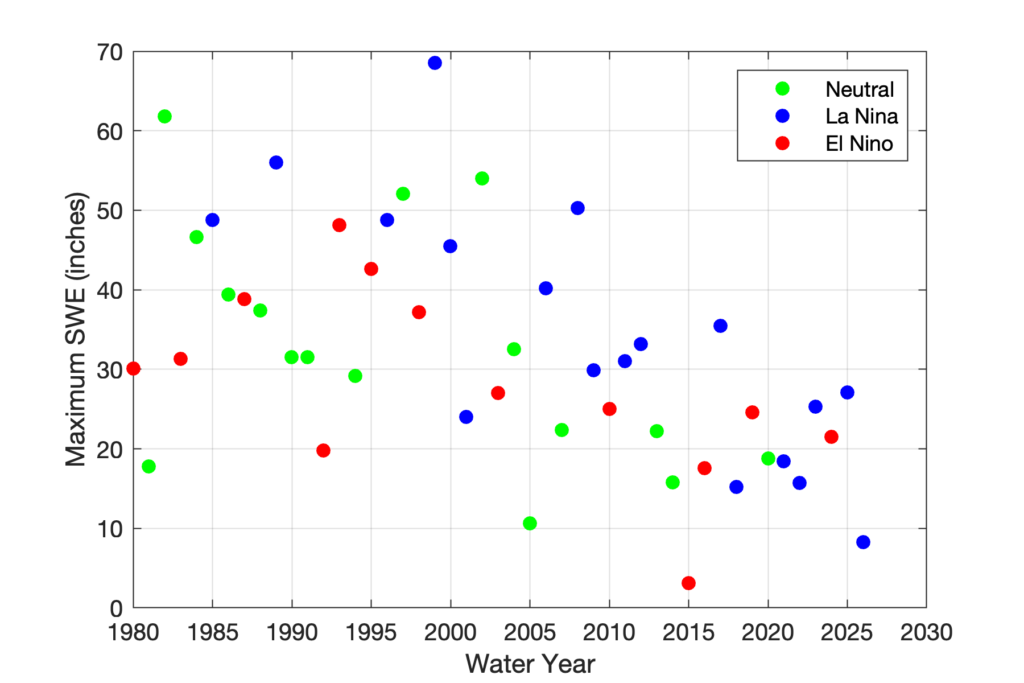
While the 2025-2026 season was exceptionally poor, climate scientists warn against viewing it as an isolated event. Instead, it is seen as a high-intensity manifestation of long-term trends. Analysis of the Hogg Pass SNOTEL site in Oregon, for example, shows a clear downward trajectory in annual maximum SWE over several decades.
However, the "long game" of snow science is complicated by extreme interannual variability. Climatologists describe the current era as one of "boom or bust" or "feast or famine." A record-dry, record-warm year like 2026 can, theoretically, be followed by a record-breaking "atmospheric river" winter. This volatility makes long-term water planning and infrastructure maintenance exceptionally difficult.
"The glass is not necessarily half empty; it is half full, but the contents are changing," says Dr. David Hill, a professor at Oregon State University and a National Geographic Explorer. "What we are seeing is a trend where the precipitation we do get is increasingly falling as rain rather than snow. This shifts the burden of water storage from the mountains to our man-made systems, which were not necessarily designed for this volume or timing of runoff."
Future Outlook and Policy Implications
As the Western United States moves into the summer of 2026, the focus shifts to mitigation and adaptation. State and federal agencies are expected to implement stricter water usage mandates, particularly in the agricultural sectors of the Central Valley and the Colorado River Basin. There is also an increasing call for "nature-based solutions," such as forest management practices that help retain snowpack longer and the restoration of meadows that act as natural sponges for early runoff.
The 2025-2026 snow season serves as a stark reminder that snow and cold are not merely amenities for recreation but are elemental to the survival of the region’s current economic and ecological models. As the climate continues to warm, the "hot mess" of 2026 may transition from a nightmare anomaly to a frequent benchmark, necessitating a total reimagining of how the West manages its most precious liquid asset.
The resilience of the Western U.S. will depend on its ability to adapt to these "low tide" years. Whether through advanced water recycling, the expansion of subsurface aquifer storage, or a shift in the winter tourism business model, the lessons of the 2025-2026 season will likely resonate in policy and planning circles for decades to come. For now, the region prepares for a dry, hot summer, hoping that the next winter will return to the "cold and wet" recipe required to refill its vital mountain reservoirs.
