

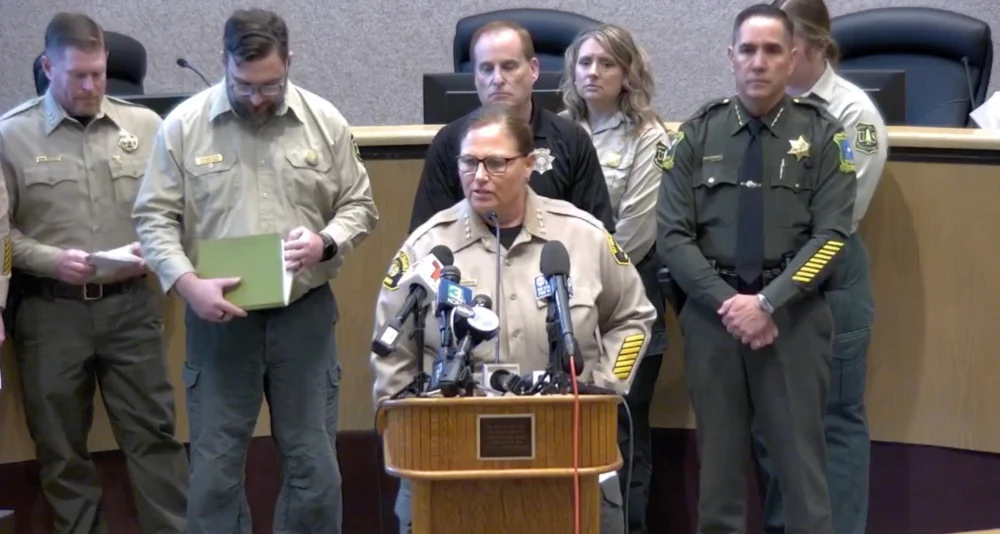
TRUCKEE, Calif. – A devastating avalanche in the Castle Peak area of Nevada County on Tuesday, February 17, 2026, has resulted in the confirmed deaths of eight individuals, with one skier still missing and presumed deceased, marking a somber and unprecedented chapter in U.S. backcountry skiing history. The tragedy, which occurred amidst extreme weather conditions in the rugged Sierra Nevada, now stands as the deadliest skier-involved avalanche on record, tragically surpassing the 1982 Alpine Meadows disaster in the same region that claimed seven lives. Nevada County Sheriff Shannon Moon confirmed the grim toll during a Wednesday press conference in Truckee, emphasizing the perilous conditions hindering ongoing search and recovery operations. Authorities have withheld the names of the victims pending notification of their next of kin, as families grapple with the profound loss.
The Catastrophic Event Unfolds
The incident began late Tuesday morning when a guided backcountry ski group of 15 individuals, comprising 11 clients and four experienced guides from Blackbird Mountain Guides out of Truckee, was caught in the massive slide. The group was embarking on a three-day excursion to the Frog Lake Huts, a popular destination for advanced backcountry enthusiasts. Initial reports mistakenly indicated 16 participants, but authorities later clarified that one person had opted out of the trip at the last minute, bringing the confirmed number to 15. The avalanche struck north of Interstate 80 near Donner Summit, in a remote and notoriously challenging section of the Tahoe National Forest.
At approximately 11:30 a.m., dispatchers received a harrowing 911 call reporting the avalanche. The urgency of the situation was immediately apparent, but the sheer scale of the slide and the severe weather presented formidable obstacles for rescue teams. Operations Capt. Rusty Greene recounted survivor statements indicating that the group was moving cohesively when "someone saw the avalanche, yelled ‘avalanche,’ and then it overtook them rather quickly." This rapid engulfment highlights the sudden and unforgiving nature of such natural disasters, often leaving victims with mere seconds, if any, to react. The fact that survivors and those later found deceased were discovered "fairly close together" further underscores that the group was operating as a unified unit when disaster struck.
Harrowing Rescue Efforts Amidst Extreme Conditions
More than 50 highly trained rescuers from Nevada, Placer, and Washoe counties rapidly mobilized, deploying specialized equipment including snowcats and skis to navigate the treacherous terrain. Access to the remote site was further complicated by the closure of Interstate 80, a major artery, due to the blizzard conditions. Responders faced gale-force winds, near-whiteout conditions, and an ever-present high avalanche danger, making every step of the rescue mission inherently risky.
Contact with the six survivors was finally established around 5:30 p.m., approximately six grueling hours after the initial 911 call. These individuals had bravely sheltered in place, battling the elements and the psychological trauma of the event, while awaiting rescue. Communication proved vital, with responders maintaining contact with the group through text messages and, crucially, iPhone emergency communications. Don O’Keefe of the California Office of Emergency Services revealed that his team exchanged text messages with one of the guides for over four hours, providing critical intelligence on their location and the unfolding situation.
Of the six survivors, two sustained injuries severe enough to prevent them from walking out unassisted. One of these individuals was treated and subsequently released, while the other remains hospitalized with non-life-threatening injuries, a testament to the brutal forces unleashed by the avalanche. Prior to the arrival of official rescue teams, the survivors had themselves located three deceased victims, underscoring their desperate attempts to aid their fellow skiers in the immediate aftermath.
A Tragic Milestone in Sierra Nevada History
This catastrophic event transcends a localized tragedy, establishing itself as a somber benchmark in the annals of U.S. avalanche disasters. With eight confirmed fatalities and one presumed deceased, it now definitively surpasses the 1982 Alpine Meadows avalanche, which claimed seven lives and had long been considered the deadliest ski-related avalanche in the region. The eerie coincidence of both incidents occurring in the same Sierra Nevada region near Donner Summit, decades apart, serves as a stark reminder of the inherent dangers of this majestic but unforgiving landscape.
The 1982 Alpine Meadows incident, which occurred on March 31, 1982, involved a massive slide that buried the ski area’s base lodge and parking lot, trapping many. That disaster prompted significant advancements in avalanche forecasting, control, and rescue techniques within ski resort boundaries. However, the Castle Peak tragedy highlights the persistent and evolving challenges in backcountry environments, where controlled mitigation is often impossible, and individual preparedness and group dynamics become paramount. The current incident also ranks among the deadliest U.S. avalanches involving backcountry skiers in decades, underscoring a growing trend in outdoor recreation where more individuals are venturing beyond patrolled areas into uncontrolled terrain.
Understanding the Avalanche Dynamics and Environment
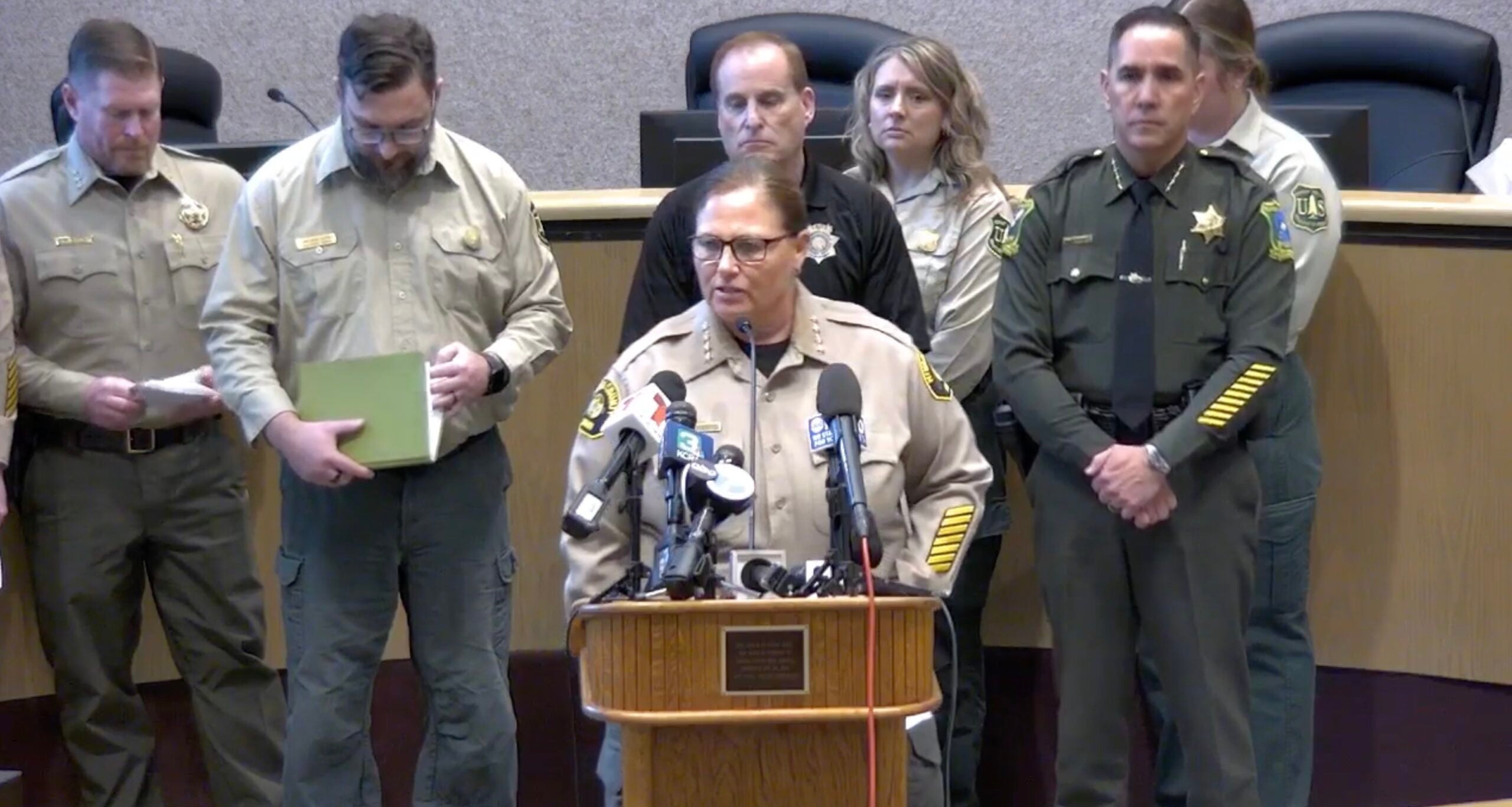
Tahoe National Forest Supervisor Christopher Trier provided preliminary information indicating that the avalanche measured approximately a football field in length. It was rated a D2.5 on the destructive scale, a classification that places it between D2 (capable of burying or killing a person) and D3 (capable of destroying a structure). This rating signifies a significant and highly destructive event.
Officials attributed the avalanche to a critical interplay of meteorological factors and snowpack instability. A "persistent weak layer" within the snowpack, a common and dangerous phenomenon in the Sierra Nevada, was overloaded by a substantial amount of recent snowfall. Persistent weak layers, often composed of faceted snow crystals or buried surface hoar, can remain unstable for extended periods, acting as a treacherous fault line within the snowpack. When new, heavy snowfall accumulates rapidly on top of such a layer, it can create immense stress, leading to a sudden and catastrophic collapse, as witnessed near Castle Peak.
The Sierra Avalanche Center, a vital resource for backcountry travelers, had issued warnings for the area, and continues to list avalanche danger as "very high." This classification indicates that natural avalanches are likely, and human-triggered avalanches are very likely. The recent storm cycle, characterized by heavy precipitation and strong winds, has further exacerbated the unstable conditions. The new snowfall, combined with the pre-existing weak layer, created a volatile environment where even seemingly minor disturbances could trigger a slide of immense proportions.
The Human Toll and Community Impact
The recovery mission, now shifted from rescue to retrieval due to the insurmountable challenges posed by the weather and snowpack, is an arduous and emotionally taxing undertaking. Nevada County Sheriff Shannon Moon articulated the immense difficulties, stating, "It’s not a resource issue. It is a weather condition and safety condition for our response teams. Extreme weather conditions, I would say, are an understatement." All of the decedents located thus far were wearing avalanche beacons, a critical safety device designed to aid in rapid location, yet even with such equipment, the sheer force and volume of the avalanche proved unsurvivable for many. Crews are still diligently searching for the remaining missing person, who Moon confirmed is presumed deceased "based on the totality" of the dire conditions and survivor accounts.
The tragedy has resonated deeply within the close-knit mountain community. Placer County Sheriff Wayne Wu revealed that one of the deceased was the spouse of a Tahoe Nordic Search and Rescue team member, adding an acutely personal and painful dimension to an already dangerous mission. "This incident has specifically struck our organization… hard," Wu stated, underscoring the profound emotional toll on the first responders. He also drew parallels to the 1982 Alpine Meadows avalanche, recalling the "extremely taxing" impact that event had on his organization and the community decades ago. The commitment to recovering all victims remains unwavering, despite the risks.
Due to the steep, vertical terrain and the continued high avalanche danger, the deceased skiers have not yet been removed from the mountain. Officials confirmed that the bodies would be transported to the Placer County morgue once safely recovered. Identification and official causes of death will be determined through contracted pathologists, following standard protocols.
Broader Implications and Lessons for the Backcountry Community
This devastating incident is expected to prompt extensive investigations by local authorities, the Tahoe National Forest, and potentially the guide company, Blackbird Mountain Guides. While the inherent risks of backcountry travel are widely understood, the scale of this tragedy, particularly involving a guided group, will undoubtedly lead to a renewed scrutiny of safety protocols, risk assessment methodologies, and emergency response capabilities for commercial operations in high-risk environments.
The backcountry skiing community, which has seen a significant surge in participation in recent years, is once again reminded of the critical importance of education, experience, and vigilance. The Sierra Avalanche Center’s advice remains paramount: always check forecasts, avoid closed or high-risk terrain, travel with experienced partners, and carry proper avalanche safety equipment (beacon, shovel, probe) while being thoroughly trained in their use. This tragedy underscores that even with professional guides and safety equipment, the mountains can be unpredictably lethal.
The closure of Interstate 80 during the response highlighted the interconnectedness of infrastructure and emergency services in severe weather events, further complicating an already complex operation. As recovery efforts continue, officials are making an urgent plea to the public to avoid all backcountry travel in the Sierra during the ongoing storm cycle. "Please allow us to focus all of our resources on continuing to recover these bodies for the family and bring them home," Sheriff Wu implored, emphasizing the need for unhindered access and safety for rescue personnel.
The Castle Peak avalanche serves as a tragic, indelible reminder of nature’s formidable power and the critical need for respect, preparation, and caution when venturing into the wilderness. The incident remains under investigation, and no additional press conferences are scheduled at this time as the community grapples with this profound loss and the arduous task of recovery continues.
