

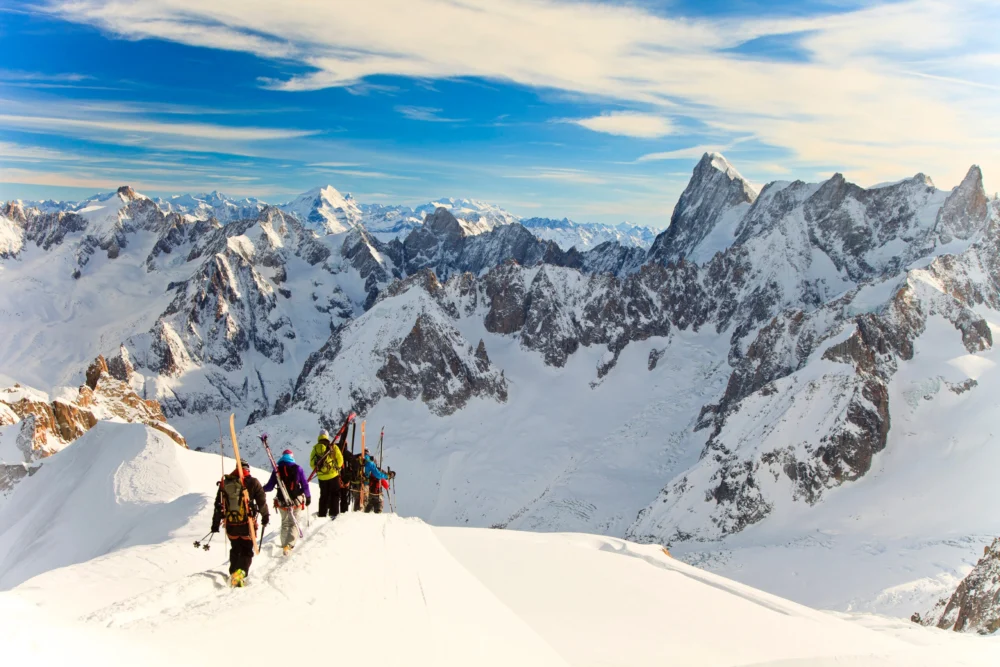
The Alps: Unlocking the World’s Premier Lift-Access Skiing with the Indispensable Expertise of Mountain Guides. The assertion that the European Alps reign supreme as the global epicenter for lift-accessed skiing may spark spirited debate among North American enthusiasts, and even within the hallowed halls of SKI magazine. While acknowledging the profound value of any day spent on skis, and the personal connection one develops with their chosen resort, the sheer scale, accessibility, and cultural depth of the Alps unequivocally position them as a unparalleled destination. This perspective, cultivated over years of immersing oneself in the Alpine environment, leads to a singular, often overlooked recommendation for visitors, particularly those from North America: the strategic engagement of a certified mountain guide. This is not merely a convenience but a transformative element, elevating a good ski trip into an extraordinary, safer, and deeply enriching Alpine experience.
This crucial insight stems not from personal commercial interest—as the author is not a guide—but from observing the profound impact of the Alps’ historic guiding culture. Over six winters immersed in the French Alps, it has become abundantly clear that whether one is an intermediate skier or a seasoned professional, the benefits derived from a qualified mountain guide are substantial and multifaceted. To delve deeper into this phenomenon, interviews were conducted with several esteemed IFMGA (International Federation of Mountain Guides Associations) certified guides operating within the Alps. Their collective insights illuminate the nuances of their profession, their guiding philosophies, the evolving landscape of skiing, and invaluable practical advice for aspiring Alpine adventurers. Their responses proved remarkably illuminating, even for an experienced skier familiar with the region, underscoring the depth of knowledge these professionals possess.
The Genesis of Alpine Guiding: A Legacy of Exploration and Expertise
Understanding the contemporary role of mountain guides in the Alps necessitates a look back at their origins, a history largely unfamiliar to many North Americans. In the United States, guiding is often viewed as a niche service for extreme adventurers, not an integral part of mainstream ski culture. This contrasts sharply with Europe, where the profession is deeply woven into the fabric of mountain communities. Many Americans, particularly younger skiers, may not even conceive of mountain guides as a profession, accustomed to navigating resorts like Sugarloaf, Aspen, or Palisades Tahoe independently.
The formal birth of recreational mountaineering, and by extension, mountain guiding, can be traced to August 8, 1786. On this historic day, Jacques Balmat and Michel Paccard achieved the first documented ascent of Mont Blanc, Europe’s highest and most iconic peak, situated majestically on the border of France and Italy. Balmat and Paccard were cristalliers, local crystal hunters whose arduous profession already demanded extensive knowledge of complex, high-altitude terrain. Their daring feat not only marked a pivotal moment in human endeavor but also inadvertently laid the groundwork for a new industry.
Following this monumental ascent, the burgeoning interest in Alpine exploration, particularly from affluent British aristocrats, created a demand for local expertise. Crystal hunters, chamois hunters, and sheep herders, already intimately familiar with the treacherous mountain environment, discovered a lucrative opportunity in escorting these ambitious climbers. This informal system quickly formalized. By 1821, these skilled locals in the Chamonix Valley established the Compagnie des Guides de Chamonix, widely recognized as the world’s first formal guiding association. This pioneering organization set precedents for professional standards, safety protocols, and client-guide relationships, cementing the guide’s role as an indispensable figure in Alpine pursuits.
A Tale of Two Cultures: Guiding in Europe vs. North America
The historical trajectory of guiding profoundly shaped its cultural standing and regulatory framework in Europe, creating an environment markedly different from North America. In the Alps, the climate for professional guides is significantly more favorable, particularly concerning permitting, liability, and the sheer availability of diverse, challenging terrain. Joe Vallone, an American IFMGA guide with two decades of experience, explicitly states that he would never consider guiding in the U.S. "There’s a ton of friction with guiding there, with permits and insurance and everything," he laments, pointing to the cumbersome bureaucratic and legal hurdles. This systemic friction results in a significantly smaller population of guides and a less ingrained guiding culture in the United States.

Conversely, in Europe, the profession is highly structured and respected. Today, nearly every Alpine village with a vibrant tourism industry hosts a Bureau des Guides, or local guide office, serving as a central hub for hiring certified professionals. France alone boasts approximately 1,500 IFMGA-certified guides, with Italy, Austria, and Switzerland also maintaining substantial numbers. This widespread presence underscores the integration of guiding into the European mountain experience.
Crucially, the European system is underpinned by stringent certification requirements. It is illegal to guide professionally in the Alps without IFMGA certification, a globally recognized standard of excellence. This rigorous qualification demands at least four years of intensive training, layered upon an already high level of proficiency in skiing, climbing, and mountaineering. The training encompasses advanced technical skills, avalanche safety, glacier travel, first aid, navigation, leadership, and environmental ethics. The legal ramifications for guiding without a license are severe, often involving criminal penalties. Moreover, the tight-knit guiding community actively monitors and reports suspected "pirate guides," ensuring adherence to professional standards and prioritizing client safety. This robust regulatory environment fosters a culture of professionalism and trust that is largely unparalleled elsewhere.
The Alpine Labyrinth: Scale, Terrain, and Accessibility
The Alps, a land of legendary renown, truly live up to their reputation as a realm of extremes. Beyond the favorable regulatory environment, guides are drawn to Europe because it presents an immense, multifaceted playground perfectly suited to their specialized skill set. Joe Vallone unequivocally advises, "If I were an American skier—whether on a budget or not—I would look toward Europe before anything in the continental U.S." Anthony Franklin, a British-born, France-based guide renowned for his "ski safaris" across the Alps, is even more emphatic: "Anyone who is a proper skier, I mean, people who really ski, think the Alps are the best place in the world." He quickly adds, anticipating counterarguments, that the appeal extends beyond just the snow: "In Europe, it’s 50% about skiing—but the best parts are the cultural elements."
The Alps’ terrain is characterized by its monumental scale. The elevation gain from the valley floor of Chamonix to the summit of Mont Blanc, for instance, is comparable to that from Everest Base Camp to the peak of Mount Everest, highlighting the immense verticality. This vastness is paired with an infrastructure that offers astonishing accessibility. As American IFMGA guide Erin Smart, based in France, aptly describes, "What’s remarkable is that this scale is paired with infrastructure that makes it accessible. Cable cars put you into serious alpine terrain quickly, and from there, you’re skiing lines that would be multi-day objectives elsewhere. It’s not just about steepness or exposure—it’s about how much terrain is available in a single day, if you know how to read it." Iconic lift systems, such as the Aiguille du Midi cable car in Chamonix, transport skiers directly into high-alpine glacier environments, providing access to extraordinary off-piste descents.
While the Alps can experience dry spells, blocking Atlantic storms with high-pressure systems, the overall snowfall often surpasses that of most North American regions over a season. The majestic cascading glaciers, a defining feature of these mountains, are a testament to this abundant precipitation. However, reliability can be an issue. Joe Vallone offers a pragmatic comparison: "Reliability is an issue. But it’s not as bad as heli-skiing in Alaska, where clients are locked up for 6 days, then slammed with a bunch of vertical on their one fly day to meet the quota for the week."
The skiing experience can be equally varied. Pistes can, at times, be icy, crowded, or whited-out. Off-piste, conditions can range from glorious, bottomless powder to frozen, challenging chop. Yet, the sheer size and diverse microclimates of the Alps mean that good conditions are almost always available somewhere. Anthony Franklin, who often acts as a part-time weatherman, constantly monitors forecasts to plan "powder chases" for his clients, leveraging the vastness of the range. "The Alps are really big with lots of different weather systems," he notes, emphasizing the regional variations that allow guides to find optimal conditions.
Navigating the Extremes: Why Guides Are Essential
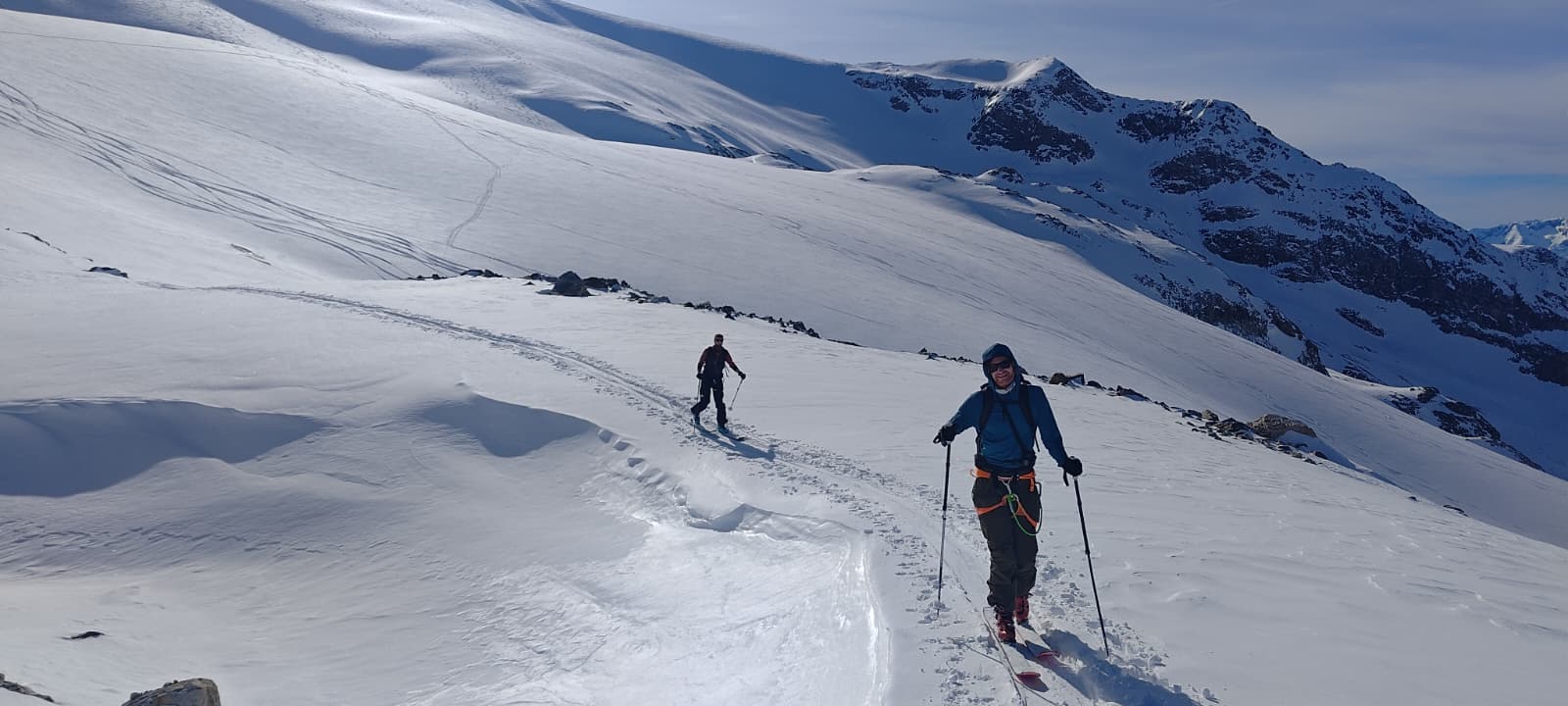
The grandeur and accessibility of the Alps come with inherent risks. The mountains can be deadly. In one tragic week during the past winter, 17 skiers perished in avalanches across France, Switzerland, and Austria, serving as a stark reminder of the ever-present dangers. Awareness of hazards is paramount in any major mountain environment. Both Joe Vallone and Anthony Franklin consistently emphasize the invaluable role of a guide for skiers of all abilities, from intermediates to seasoned experts and even professionals. "Even the best of the best will use you for local knowledge," Joe asserts.
The massive scale of the Alps means that navigating them is far more complex than consulting a resort map in North America. Much of the most exhilarating skiing is unmarked and uncontrolled, demanding experienced decision-making. Erin Smart, drawing on her unique perspective as an American guide living in France, highlights the challenges faced by North American skiers: "The Alps are not intuitive if you grew up skiing in North America. The logistics alone—lift systems, valley connections, weather patterns, avalanche forecasting, route finding—can be overwhelming. Much of the best skiing is unmarked and uncontrolled, necessitating decisions that require experience."
This is precisely where a guide becomes indispensable. As Smart concludes, "Hiring a guide removes that friction. A local guide understands how conditions vary from one aspect or valley to the next, how to move efficiently through big terrain, how to match objectives to a group’s actual skiing ability… Instead of spending your trip figuring out where to go or what’s safe, you get to ski the best possible terrain for that day, with confidence and flow." Guides act as conduits to the mountain’s secrets, translating complex environmental data into safe, exhilarating routes. They are adept at interpreting nuanced avalanche forecasts, recognizing subtle changes in snowpack stability, and making real-time decisions that ensure the group’s safety while maximizing the quality of the skiing experience. This expertise allows clients to fully immerse themselves in the joy of skiing, free from the burden of logistical and safety concerns.
The Human Element: Guide-Client Dynamics and Expectations
The benefits of a guide extend beyond safety and logistics to encompass personal development and a deeper appreciation of the mountains. French IFMGA guide Benjamin Ribeyre (Erin Smart’s husband) observes that American and Nordic skiers often "underestimate their ability," while French skiers might "overestimate it." This humility, he finds, makes American clients particularly receptive: "Americans are usually very solid technically but cautious, respectful of the terrain, and genuinely eager to learn. That humility actually makes them great clients in big alpine terrain." This contrasts with a stereotype of reckless European skiers, possibly explaining why out-of-control skiers are less common among Americans taking overseas trips, or perhaps highlighting the responsibility ingrained in American ski culture.
For many American clients, time is often a more precious commodity than money. Joe Vallone articulates this directly: "Many American clients have more money than time. Why waste time looking around for good snow?" He further illustrates the value by noting that guides themselves frequently hire other guides when venturing into unfamiliar terrain. "Often, guides will hire guides when they take their clients away from their home turf. Just learn about a new place, get seasonal knowledge, and discover the spots. Naturally, guides understand the value of hiring a guide."
Finding the right guide is paramount. Joe Vallone distinguishes between "the kind that will have you follow them down the mountain" and "the kind that strives to make you a better skier…to make you more than just a client, but a partner." Anthony Franklin echoes this, emphasizing passion: "To be really good at something, you’ve got to be passionate. And it’s hard to be passionate, you have to be alive." He links this "aliveness" to continuous exploration and stepping out of one’s comfort zone. While research helps, Franklin admits that finding the perfect guide can involve some luck and "trial and error." His primary recommendation is simple: "ask a friend. Hey, did anyone use a great guide?" French guide Pol Decelle suggests developing a personal relationship, likening it to a relationship: "The first date with a new girlfriend is not the best one. The best ones come later. So the best way to hire a guide may be to hire them for an entire week," allowing for rapport and understanding to build.
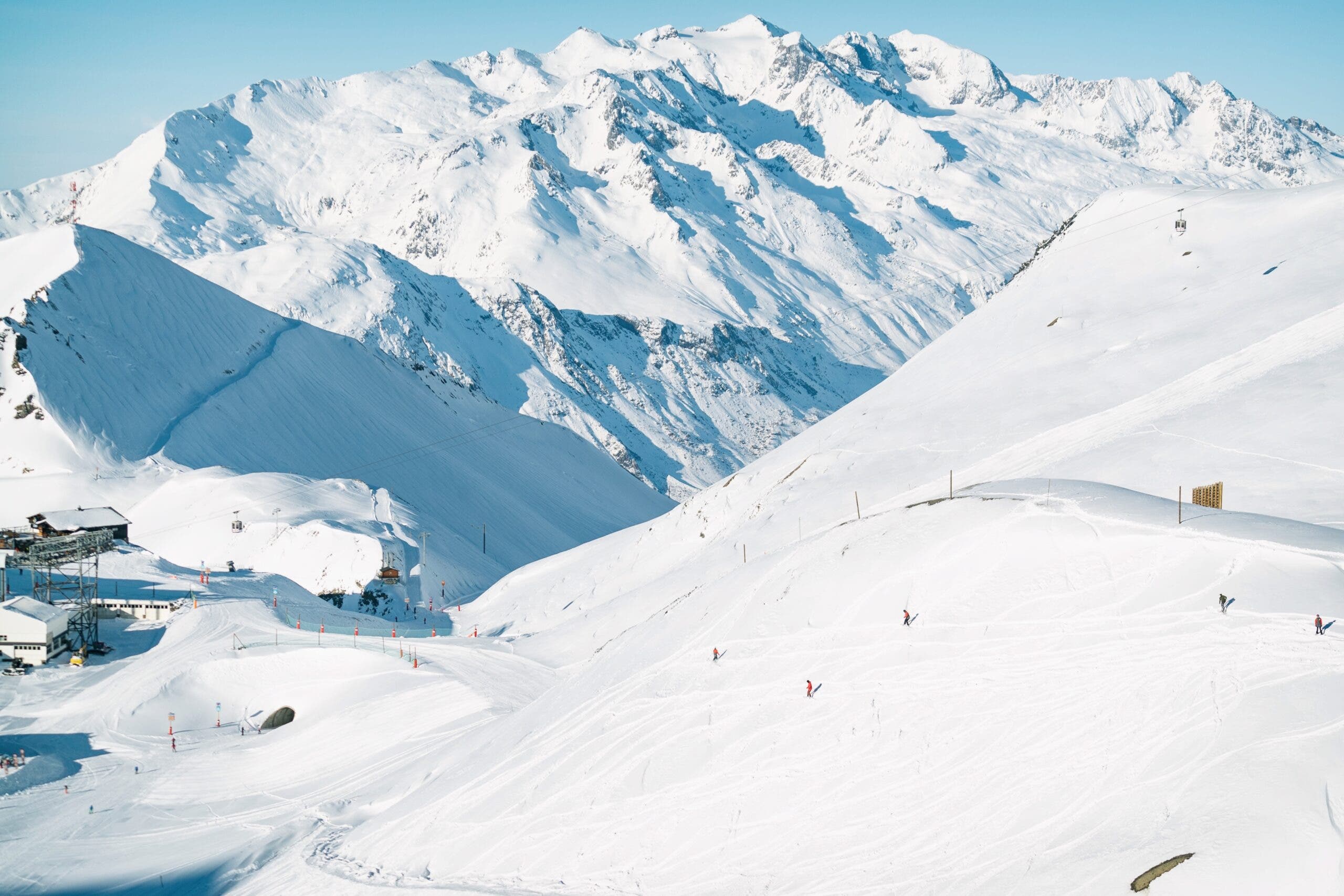
Clients also play a significant role in a successful guided day. Guides appreciate patience and curiosity over rigid itineraries. "The best clients don’t have an itinerary of dream lines or some kind of schedule," says Joe, "They just trust that I’m going to take them to the good stuff." Erin Smart reinforces this: "The Alps reward patience and curiosity. They’re not about ticking runs off a list or skiing the steepest line you can find. [The Alps are] slower in some ways, bigger in others, and deeply satisfying if you’re willing to let go of expectations." Benji further notes that many American clients have experienced "one of the best ski days of my life" on runs that "weren’t even that steep," demonstrating the depth of experience beyond just vertical challenge. Anthony Franklin exemplifies spontaneity, often booking hotels on the fly based on tomorrow’s best snow forecasts. Pol Decelle advises clients to be curious and engage: "A guide can tell you about everything from animals to avalanches to crevasses to powder stashes. Be prepared to pick their brains about everything that they know." An engaged client makes for a more rewarding experience for both parties.
The Economic Imperative: Value Proposition of Guided Skiing
Beyond the unparalleled experience and enhanced safety, the financial aspect of skiing in Europe, particularly with a guide, presents a compelling argument. It is widely acknowledged that skiing in Europe is generally more affordable than in the United States. Lift passes, for instance, typically cost around 60 euros, a stark contrast to the $250 or more demanded by many prestigious American resorts. This cost-effectiveness extends across various expenditure categories, including accommodation, dining, and critically, the price of a private mountain guide or ski instructor.
Alpine guides generally charge between 400-500 euros per day. Most guides interviewed are comfortable managing groups of up to four clients, making the cost surprisingly affordable when split among a small party. Joe Vallone starkly illustrates this economic advantage: "You could take four people on a week-long trip to France and hire a guide every single day and it would still be cheaper than heli-skiing for one person." This comparison highlights the exceptional value proposition of a guided Alpine experience. For a fraction of the cost of highly specialized, often weather-dependent heli-skiing, a group can enjoy a week of expertly curated, safe, and diverse skiing in some of the world’s most iconic terrain. This affordability democratizes access to expert guidance, making it a viable option for a broader range of skiers.
Case Studies and Real-World Applications
The theoretical benefits of guiding are vividly brought to life through real-world experiences. A few weeks prior, a perfect alignment of meteorological conditions blessed La Grave, France, with 60 centimeters of pristine, wind-buffered powder. Due to avalanche risk, only the lower half of the mountain was accessible. With the eastern road closed, few skiers from Grenoble anticipated the opening, resulting in a remarkably uncrowded mountain. Erin Smart and her four clients were among the fortunate few. As the doors of the Téléphérique opened, the collective realization dawned: this would be an exceptional day. Even for a seasoned local, endless forest "faceshots" are a rarity, but on this day, with minimal competition, the stashes were abundant. Witnessing Erin’s clients, faces beaming despite ice-clogged buffs, underscored the guide’s ability to unlock such peak experiences. To find comparable stashes required hundreds of days of independent exploration for the author; these clients accessed them in a single, guided day. In five years at La Grave, it was arguably the best day of forest skiing the author had experienced.
A week later, amidst a historic run of mid-winter blizzards, another 60 centimeters of ultra-light powder blanketed the French Alps. After a day of epic sliding, a visit to the local watering hole introduced Bill, an 82-year-old American who has been a regular in France for over 30 years. Bill, one of the oldest skiers encountered at La Grave, has consistently hired guides since the 1990s, beginning with Doug Coombs’ steep camps and now with La Grave-based guide Per Ås. When asked about his day, Bill recounted skiing Trifide, a 40-degree couloir notorious for its accessibility and corresponding danger, now transformed by waist-deep powder into the "run of a lifetime." His rationale for hiring a guide was simple and profound: "I wouldn’t ski without one. They just show you so much…the terrain is complicated, you don’t know where to go on your own. But here, the safety component alone is enough reason to get a guide." Bill’s decades of commitment to guided skiing serve as a powerful testament to its enduring value, especially in complex, high-consequence terrain.
Confronting Inherent Risks: The Ultimate Mitigation
Just as this article was being finalized, La Grave experienced its worst accident in decades. A large avalanche tragically claimed the lives of two skiers from a group of four clients, and their guide sustained severe injuries. The village was devastated. Despite La Grave’s reputation for challenging terrain, accidents within its main ski domain are exceptionally rare, making this incident particularly shocking. This terrible event was not isolated; it was one of dozens across the Alps that winter. A cold, dry spell in early winter had created a persistent weak layer of frictionless "facets" within the snowpack, subsequently buried by copious fresh snow. This unstable layer repeatedly triggered avalanches in increasingly unpredictable locations.
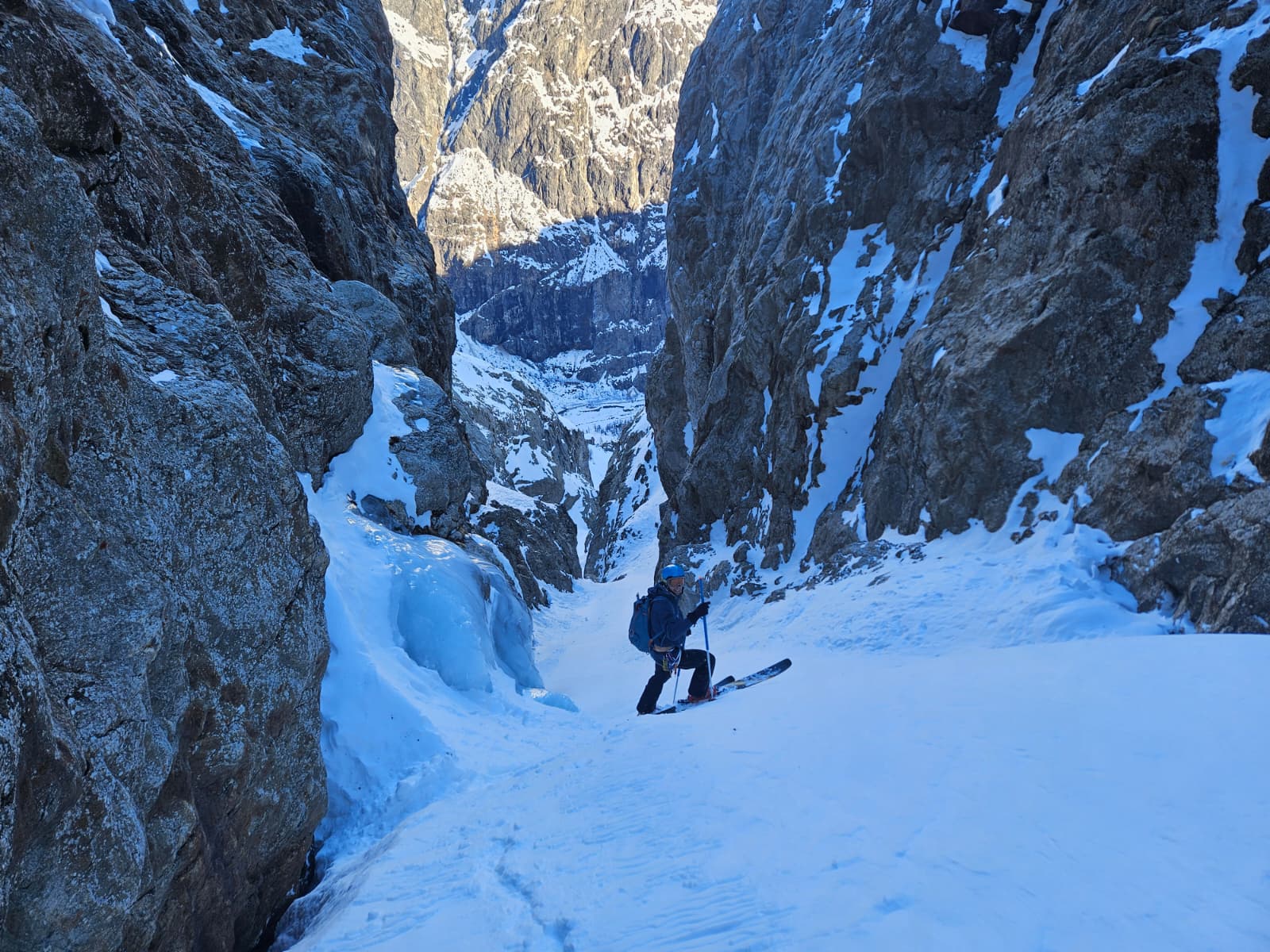
Such tragedies serve as a sobering reminder that, despite all human expertise and technology, the mountains ultimately dictate the terms. Risk is an intrinsic element of engaging with wild, alpine environments, and it can only be mitigated, never entirely removed. However, the author firmly stands by the recommendation: in the Alps, the most effective and comprehensive strategy for mitigating these inherent risks, while simultaneously maximizing the potential for an unparalleled ski experience, is to hire a certified mountain guide. Their profound knowledge, rigorous training, and intimate understanding of the dynamic mountain environment remain the single most critical factor in ensuring both safety and an unforgettable adventure in this magnificent, yet formidable, landscape.
Guide Contacts
Looking to mull over some options for a ski adventure in Europe? Feel free to contact any of the guides who contributed interviews for this article.
Erin Smart
[email protected]
Benjamin Ribeyre
[email protected]
Pol Decelle
[email protected]
Anthony Franklin
[email protected]
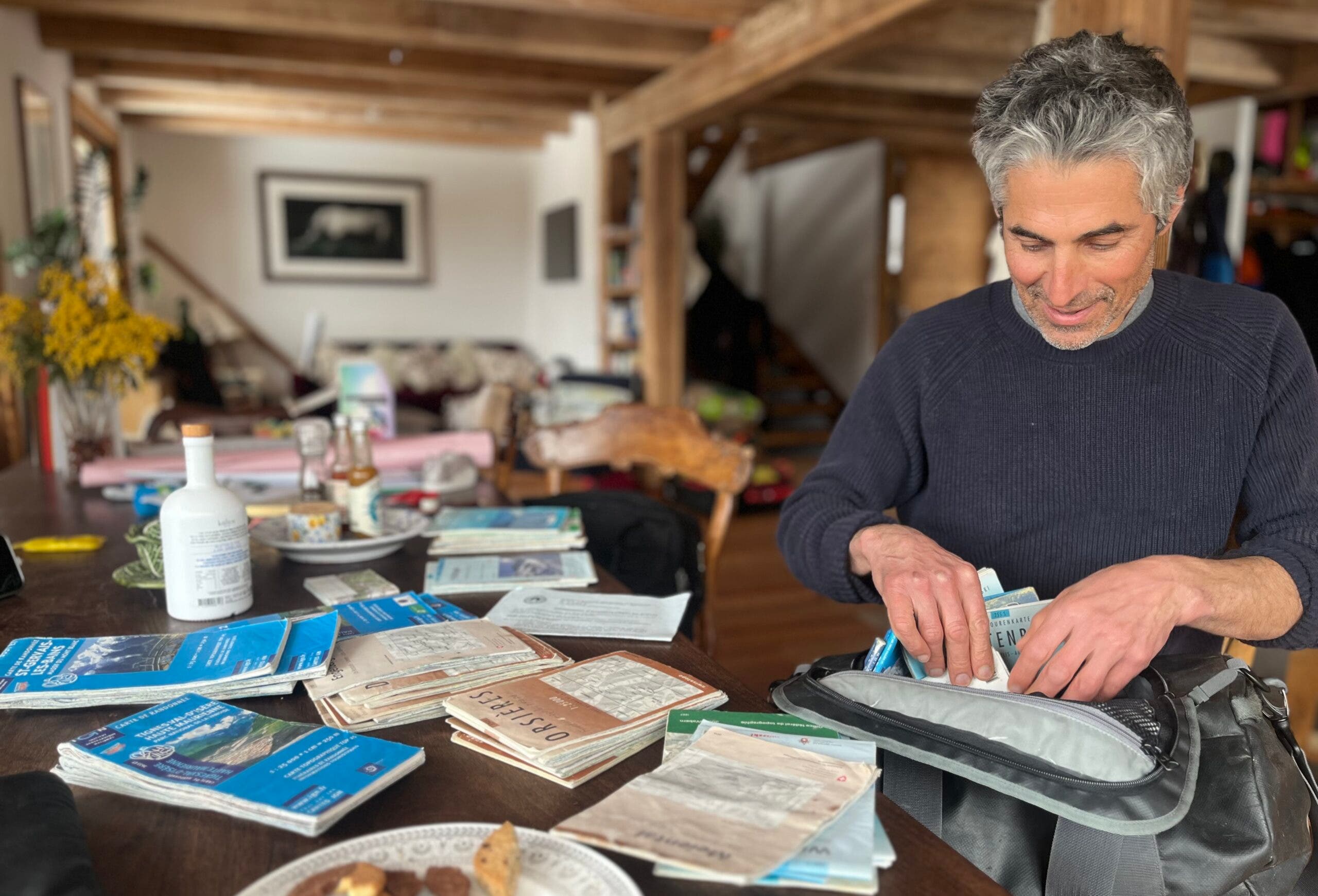
Joe Vallone
[email protected]
