

The escalating frequency and intensity of summer heat waves have transformed outdoor recreation from a seasonal pursuit into a logistical challenge, as record-breaking temperatures and prolonged thermal events become the new climatic norm. While outdoor enthusiasts have long contended with the elements, the modern "sufferfest" is increasingly driven by a fundamental shift in atmospheric patterns. To understand the mechanics behind these extreme thermal events, meteorologist and atmospheric scientist Will Stikeleather, a collaborator with the POW Science Alliance, provides an analytical breakdown of the science, the historical trends, and the systemic implications of a warming planet.
Defining the Modern Heat Wave
The National Oceanic and Atmospheric Administration (NOAA) technically defines a heat wave as a period of two or more days characterized by abnormally high temperatures. However, this definition remains intentionally flexible to account for regional variations. According to Stikeleather, the ambiguity of the term reflects the complex ways in which heat hazards manifest. He emphasizes that focusing solely on dry-bulb temperature fails to capture the full scope of the public health hazard. Humidity is an equally critical metric, as it significantly impairs the human body’s ability to cool itself through evaporation, thereby amplifying heat stress.
The primary driver of these events is typically a large high-pressure system situated in the upper atmosphere. These systems, often referred to as "heat domes," act as atmospheric lids that trap heat over broad geographic regions. Within a heat dome, air is forced to sink and compress, a process that naturally increases surface temperatures. Furthermore, the clockwise rotation (in the Northern Hemisphere) of these high-pressure centers can draw warm, humid air from southern latitudes into the affected zone, compounding the thermal load. These conditions generally persist until the high-pressure system is displaced by a stronger atmospheric front.
Atmospheric Blocking and the Jet Stream
In recent years, the duration of heat waves has been extended by a phenomenon known as atmospheric blocking. In these scenarios, the jet stream—the high-altitude river of air that dictates weather patterns—develops a stagnant "traffic jam." Instead of moving weather systems along from west to east, the jet stream forms deep, stationary loops.

Stikeleather points to the 2021 Pacific Northwest and British Columbia heat wave as a definitive example of this mechanism. During June and July of that year, a blocking pattern stalled a massive heat dome over a region unaccustomed to extreme temperatures, pushing thermometers above 115°F in several locations. These "blocking highs" are responsible for the most prolific and dangerous heat events observed in the 21st century, turning temporary spikes into week-long crises.
The Influence of Anthropogenic Climate Change
The correlation between rising global temperatures and heat wave severity is no longer a matter of speculation but a documented statistical reality. From 1895 to 2023, the contiguous United States (CONUS) warmed by approximately 2°F. While this figure may seem marginal, it has effectively shifted the climatic baseline, making extreme events significantly more probable.
Data from NOAA indicates that the frequency of heat waves has nearly tripled since the 1960s. More alarmingly, the "heat wave season"—the duration between the first and last heat wave of the year—has expanded from an average of 25 days to approximately 70 days. This expansion allows for extreme thermal events to occur well outside the traditional peak of summer, catching ecosystems and human infrastructure off guard.
The Sixth Assessment Report (AR6) of the Intergovernmental Panel on Climate Change (IPCC) states that it is "virtually certain" that climate change has increased the frequency and severity of warm temperature extremes globally. For instance, the June 2021 Western Canada heat wave was estimated to be a 1-in-1,000-year event. However, analysis shows that this event was 2°C hotter than a similar rare event would have been during the pre-industrial period (1850–1900). By elevating the global baseline temperature, less extreme atmospheric conditions are now required to trigger severe heat events.
Regional Trends and the 2026 European Anomalies
While the warming trend is global, the impacts are geographically heterogeneous. In Europe, the rate of increase for hot daily extremes is approximately twice the global average. In Western Europe specifically, these extremes are rising at three times the global rate.

The summer of 1976 was historically regarded as the benchmark for European heat. However, recent data provided by World Weather Attribution suggests a stark departure from that era. In June 2026, a massive heat dome stretched from Spain to the Czech Republic, maintaining temperatures above 40°C for nearly two weeks. Analysis indicates that these 2026 temperatures were 3.5°C higher than they would have been under identical atmospheric conditions in 1976. Furthermore, such extreme events are now ten times more likely to occur than they were as recently as 2003.
Humidity remains a primary variable in these regional assessments. Because warmer air can hold roughly 7% more moisture for every 1°C of warming, heat waves are increasingly characterized by high humidity. This is particularly evident on the U.S. East Coast, where rising sea surface temperatures drive inland evaporation. The Wet Bulb Global Temperature (WBGT), which integrates heat, humidity, and solar radiation, has become the gold standard for measuring heat stress. During the 2026 European event, 45% of Western European urban centers set all-time WBGT records, highlighting a dangerous trend where temperature and humidity rise in tandem.
Arctic Amplification and the Wavy Jet Stream
The persistence of modern heat waves is also linked to changes in the polar regions. Arctic Amplification refers to the fact that the Arctic is warming at a rate significantly faster than the rest of the planet. This reduces the temperature gradient between the poles and the equator—the very gradient that fuels the jet stream.
Research by climate scientists, including Francis and Vavrus, suggests that a weakened temperature gradient leads to a "wavier" jet stream. These high-amplitude waves move more slowly and are more prone to stalling, creating the persistent blocking patterns mentioned previously. While research is ongoing to fully map these complex interactions, the observed trend points toward longer-lasting, more stubborn heat domes that refuse to dissipate.
In the United States, the Northeast has emerged as one of the fastest-warming regions, housing three of the five fastest-warming states since 1970. Alaska remains the fastest-warming state overall due to its proximity to the Arctic. The Desert Southwest also continues to see significant warming, further straining water resources and energy grids.
The Urban Heat Island and Infrastructure Vulnerability
Cities face a unique set of challenges during heat waves due to the "urban heat island" effect. Infrastructure composed of concrete, asphalt, and steel has a low albedo, meaning it absorbs and retains a vast amount of solar radiation. In contrast, rural areas with significant vegetation benefit from evapotranspiration—a biological process where plants release moisture, cooling the surrounding air.
A critical danger in urban environments is the lack of nighttime cooling. Stikeleather notes that urban infrastructure prevents heat from dissipating efficiently overnight. This is particularly hazardous because the human body requires cooler temperatures during sleep to recover from daytime heat stress. When nighttime temperatures remain high, the cumulative physiological strain increases, leading to higher rates of heat-related illness and mortality among vulnerable populations.
Compounding Hazards: Wildfires and Snowpack
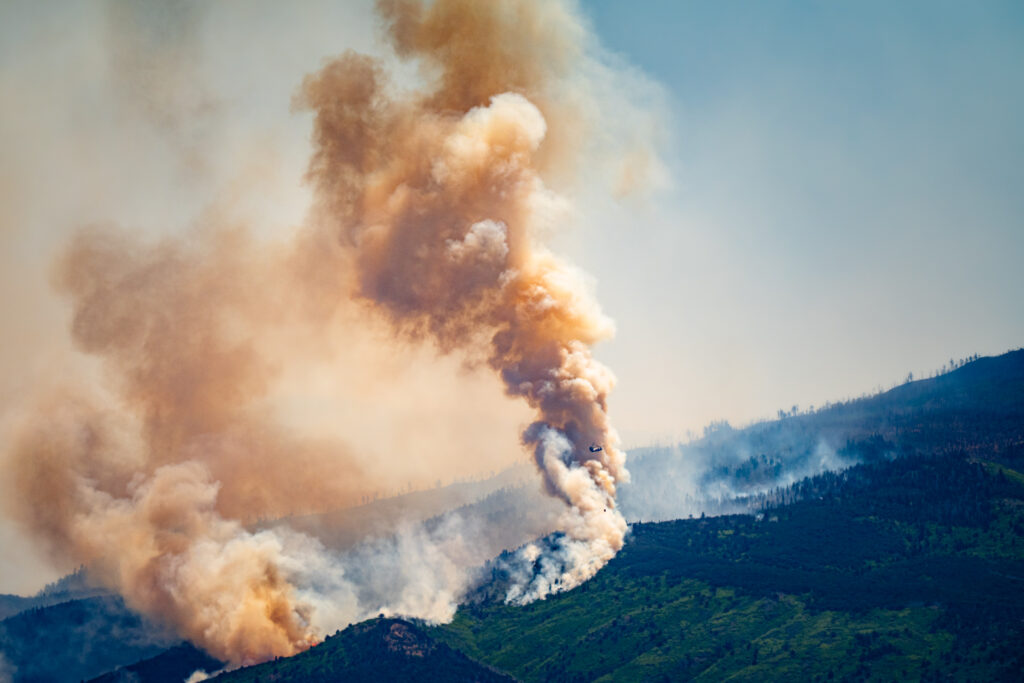
Heat waves do not occur in isolation; they act as "force multipliers" for other environmental disasters. A primary example is the relationship between heat waves and wildfire risk. In the Rockies and the Pacific Northwest, record-low snowpacks combined with early-season heat domes have led to the premature "curing" of vegetation.
By late July 2026, vegetation in large portions of the Pacific Northwest had dried out sufficiently to burn weeks ahead of its normal schedule. Typically, these fuels do not reach such high levels of flammability until September. The expansion of this "fire window" increases the likelihood of extreme fire behavior in populated areas like Spokane, Washington, and complicates forest management and emergency response efforts.
Strategic Responses and the Path to Resilience
The "Outdoor State"—the millions of people who rely on the natural world for their livelihoods and well-being—is at the forefront of this crisis. The increasing severity of heat waves is forcing a reevaluation of how society manages energy, infrastructure, and public health.
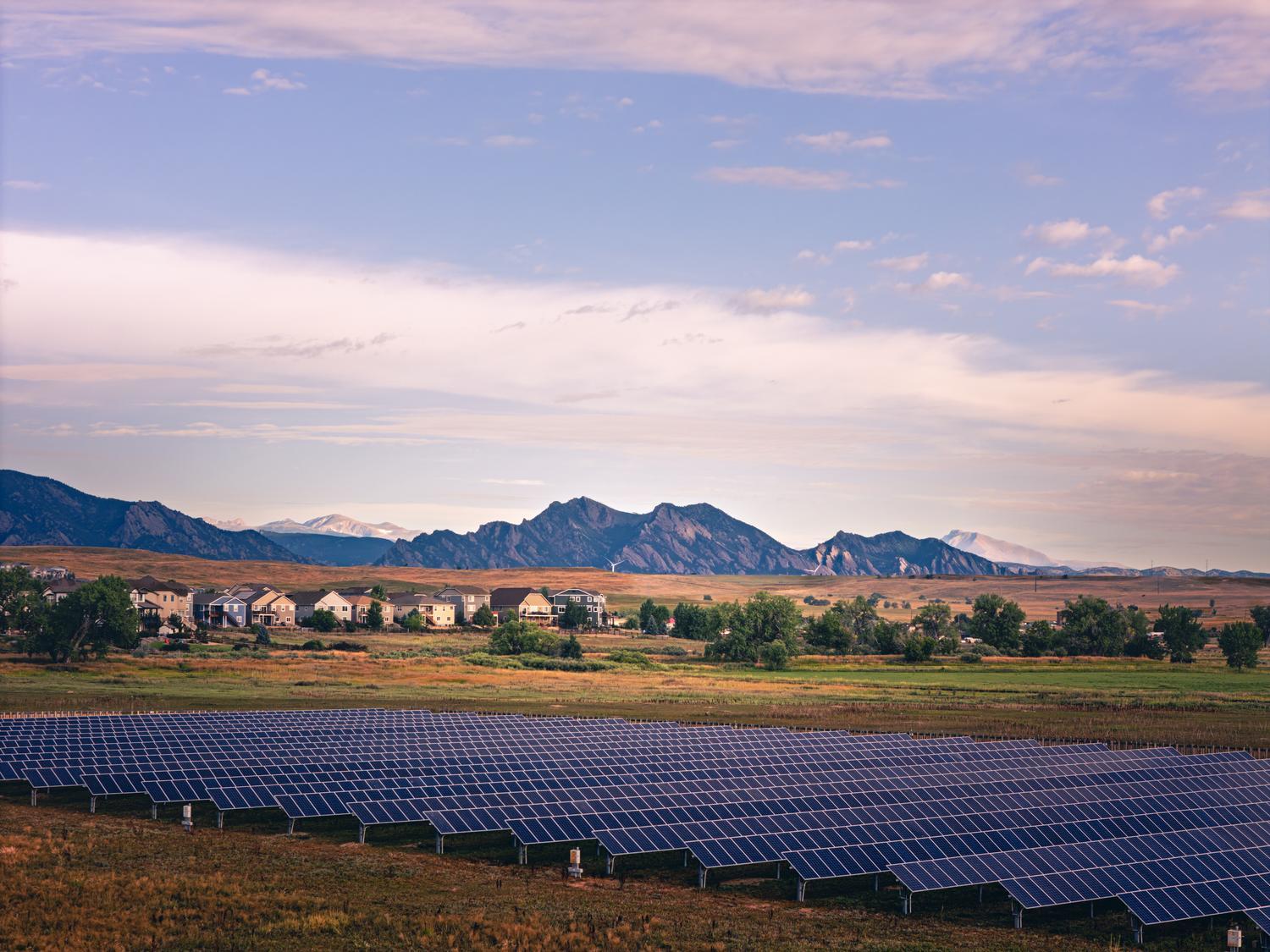
While air conditioning provides immediate relief, it is a feedback-prone solution. Increased reliance on cooling units places immense strain on the electrical grid and, if powered by fossil fuels, contributes to the very greenhouse gas emissions driving the warming trend. Long-term resilience requires a shift toward systemic solutions.
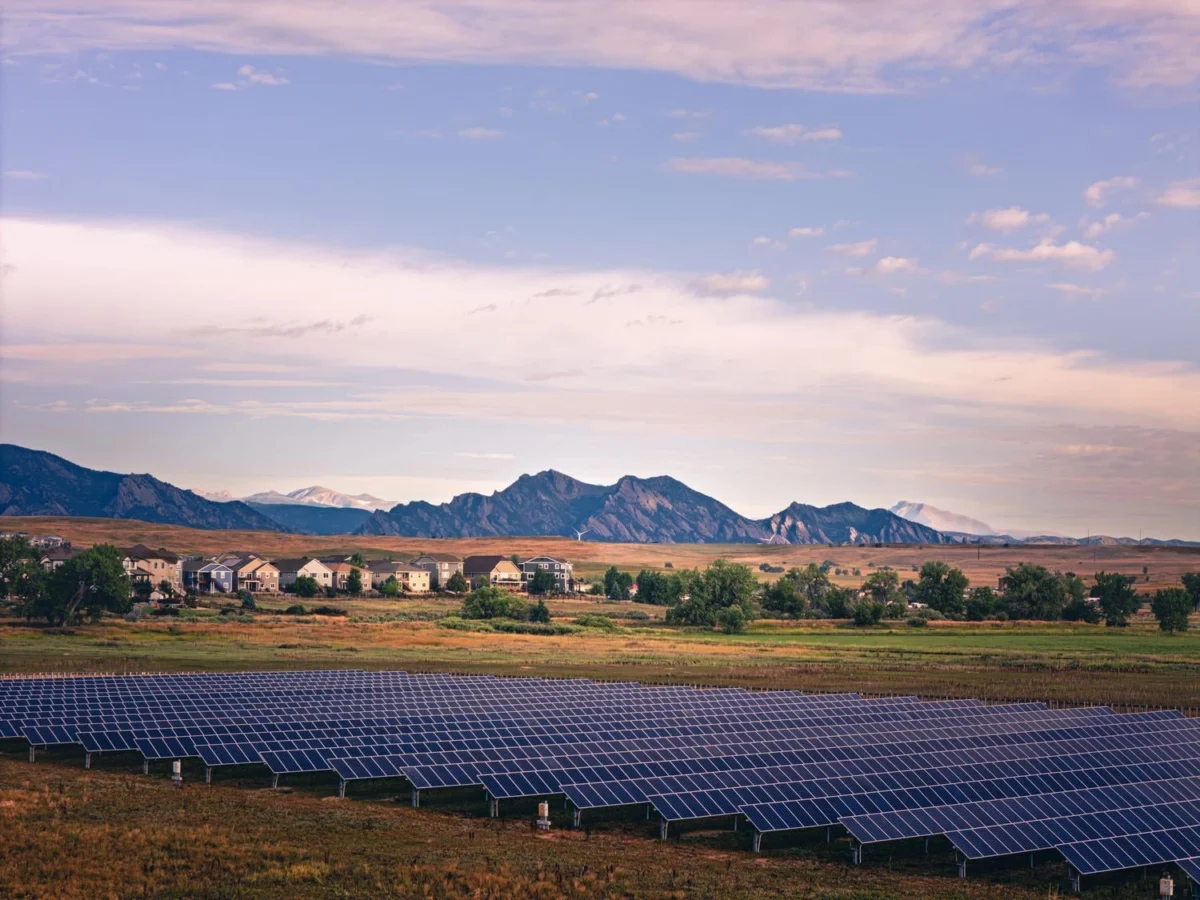
Decentralized clean energy projects, such as community solar gardens and rural electric co-op upgrades, are emerging as viable pathways to grid stability. By transitioning to a more resilient, renewable-based grid, communities can reduce the carbon footprint of their cooling needs while ensuring that the lights (and fans) stay on during peak demand.
As the climate continues to shift, the strategy for outdoor engagement must also adapt. Experts recommend a "shift in schedule" approach—utilizing early morning windows for high-exertion activities and seeking shaded or aquatic environments during peak solar hours. However, individual adaptation is only a temporary fix. The science of heat waves underscores a clear mandate: to preserve the safety and accessibility of the outdoors, the underlying drivers of atmospheric warming must be addressed through aggressive clean energy transitions and community-led climate action.
