

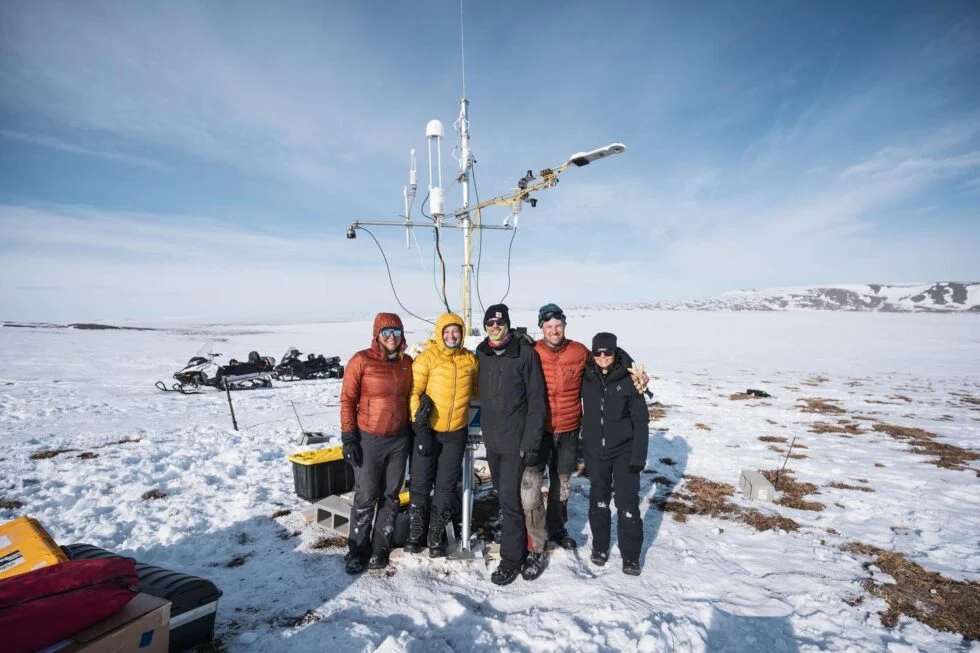
A specialized team of researchers led by Dr. Kelly Gleason and Dr. Jenny Watts has successfully completed the installation of a state-of-the-art flux tower at a permafrost thaw slump on Alaska’s North Slope, marking a significant milestone in Arctic climate monitoring. Operating out of the Toolik Field Station, the expedition sought to quantify the precise volume of methane and carbon dioxide escaping from rapidly collapsing permafrost—a phenomenon that remains one of the most critical yet under-recorded variables in global climate modeling. The mission, supported by the Protect Our Winters (POW) Science Alliance and the Woodwell Climate Research Center, represents the first instance of a flux tower being deployed specifically to evaluate emissions from an active Arctic thaw slump.
Technical Mission and Instrumentation
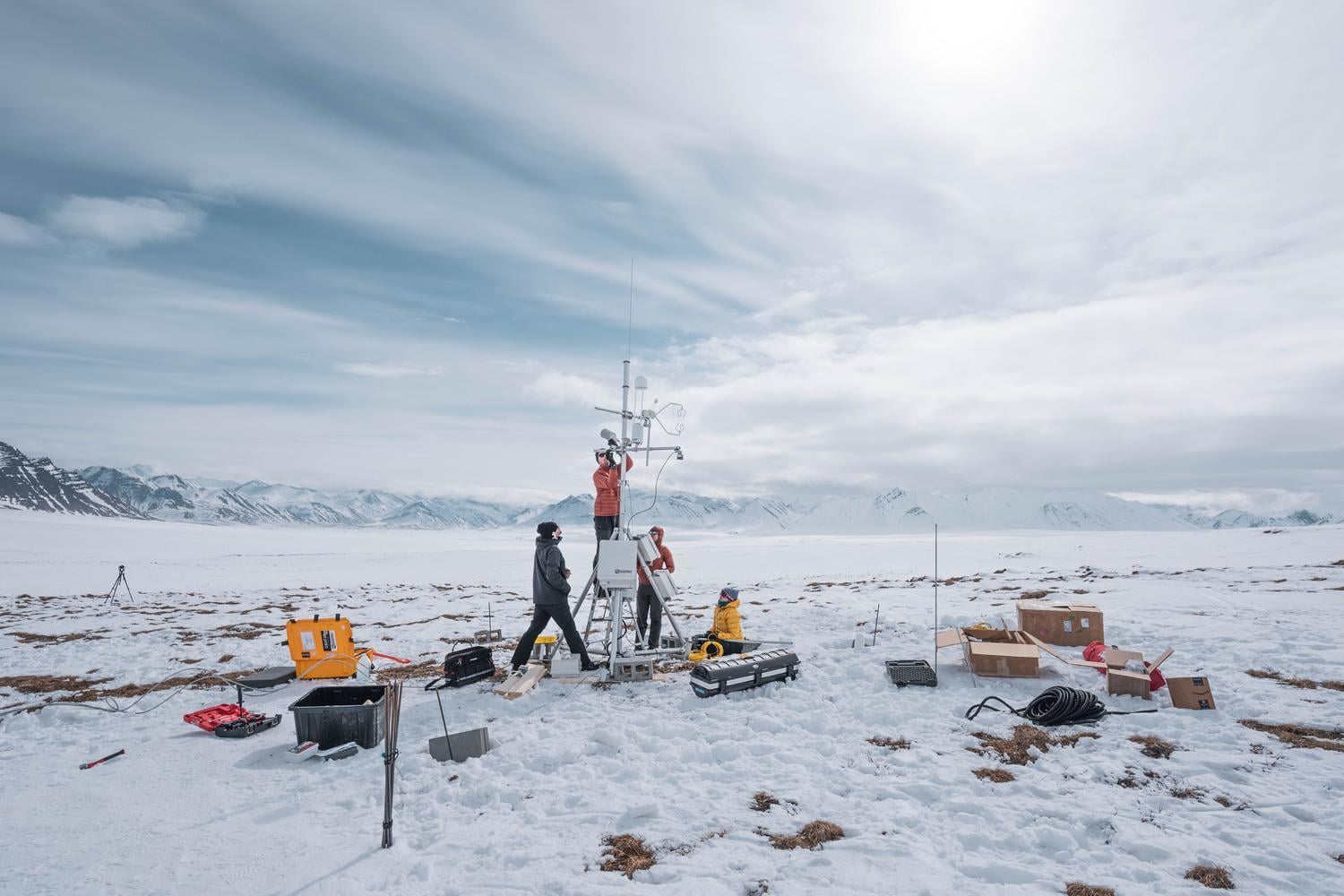
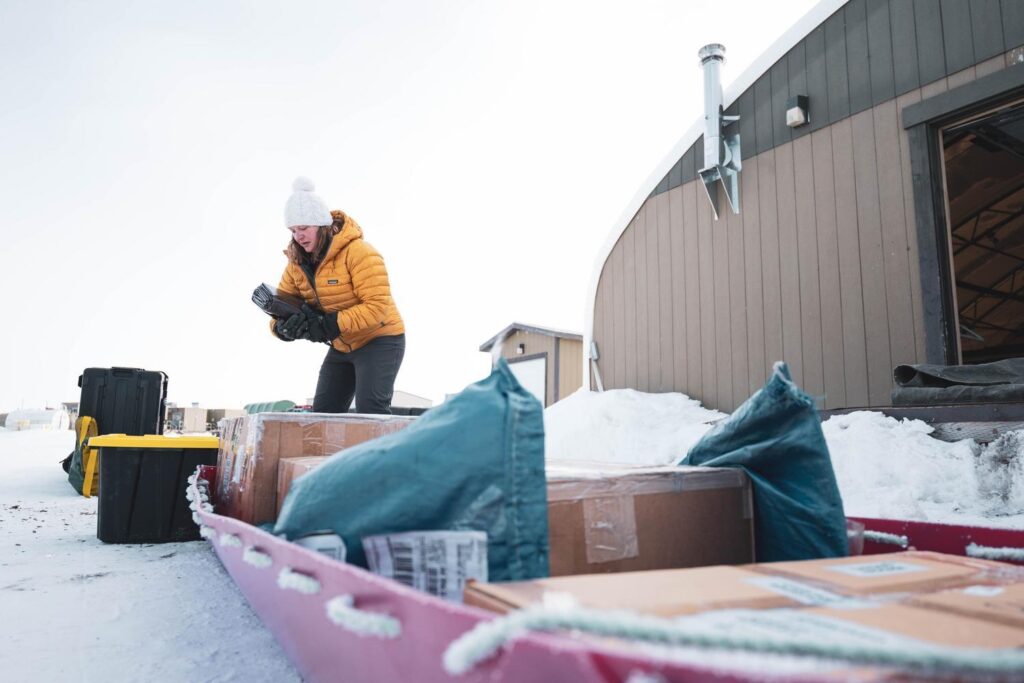
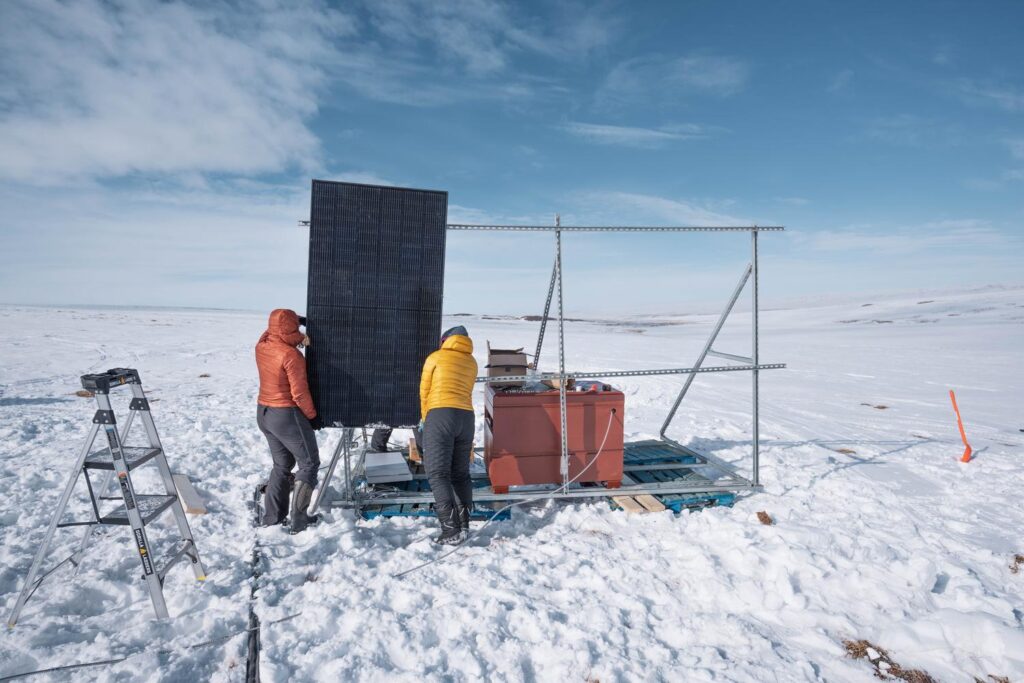
The primary objective of the expedition was the assembly and activation of a 15-foot-tall aluminum flux tower designed to measure "the invisible": the exchange of greenhouse gases between the earth and the atmosphere. The logistics of the deployment required the transportation of heavy industrial equipment across the frozen tundra via snowmachines and sleds. The payload included eight deep-cell batteries, each weighing in excess of 100 pounds, four large-scale solar panels for remote power generation, and a massive electrical enclosure to house sensitive data-logging instruments.
The tower utilizes eddy covariance technology to track the movement of carbon dioxide and methane. As permafrost thaws, organic matter that has been frozen for millennia begins to decompose, releasing these gases into the atmosphere. While carbon dioxide is the most prevalent long-term driver of warming, methane is significantly more potent in the short term, possessing a global warming potential over 80 times that of CO2 over a 20-year period. By placing the tower directly within a thaw slump—a site of dramatic geological instability—researchers can now capture real-time data on how these "hotspots" contribute to the global carbon budget.
The Phenomenon of Permafrost Thaw Slumps
Thaw slumps, a form of thermokarst, are physical manifestations of a warming Arctic. These features occur when ice-rich permafrost melts, causing the ground to lose its structural integrity and collapse or "slump" downhill. This process exposes ancient organic soils to the air and sun, accelerating decomposition and erosion.
Current scientific consensus indicates that the Arctic is warming at nearly four times the rate of the global average. However, many global climate models rely on projections of "gradual" permafrost thaw, which occurs slowly from the surface downward. These models often fail to account for "abrupt" thaw events like slumps, which can release massive quantities of greenhouse gases in a fraction of the time. The data collected from the Toolik Field Station site is expected to provide a more accurate baseline for these abrupt events, potentially revealing that the Arctic’s contribution to future warming has been significantly underestimated.
Chronology of the Expedition
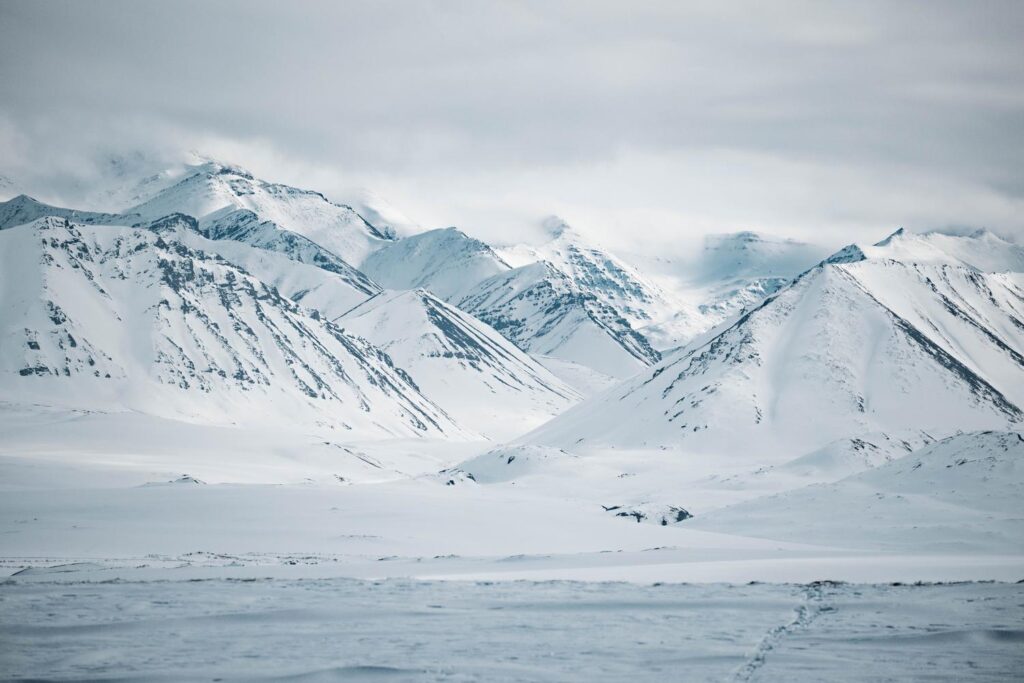
The expedition commenced at the Toolik Field Station, a long-term research facility operated by the University of Alaska Fairbanks. The site is located in the northern foothills of the Brooks Range, a region characterized by its remote wilderness and extreme environmental conditions.
Day 1-2: Logistics and Transport
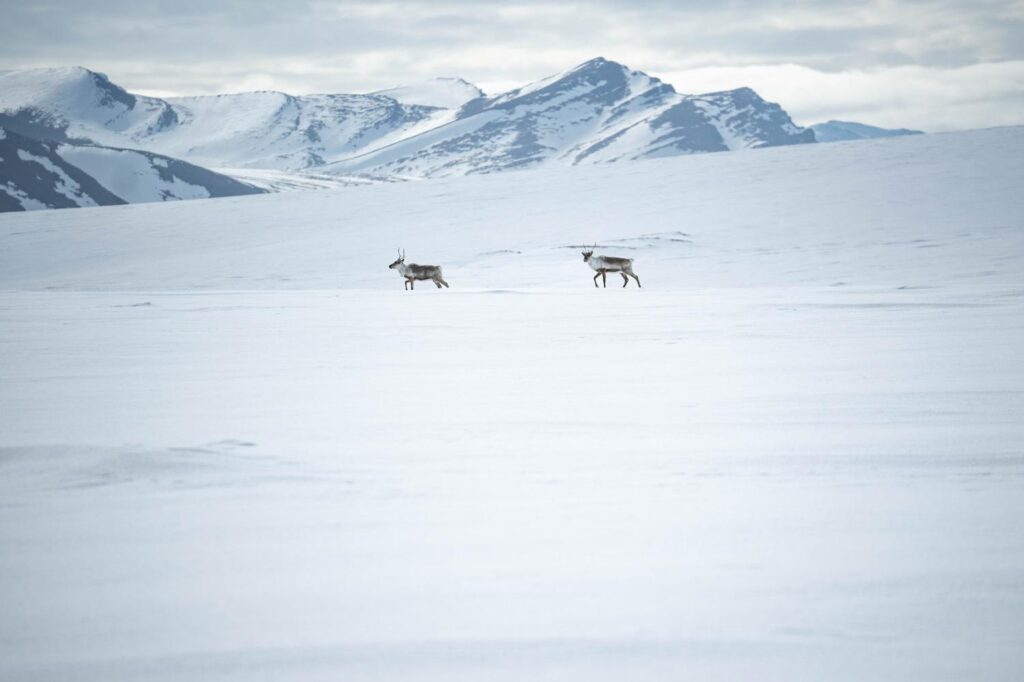
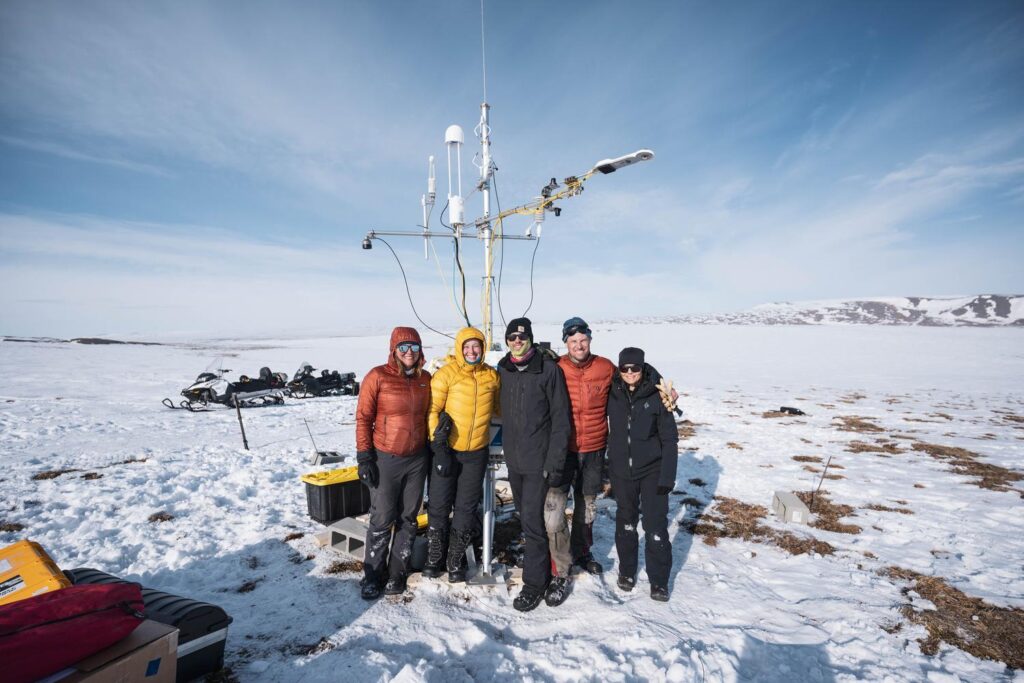
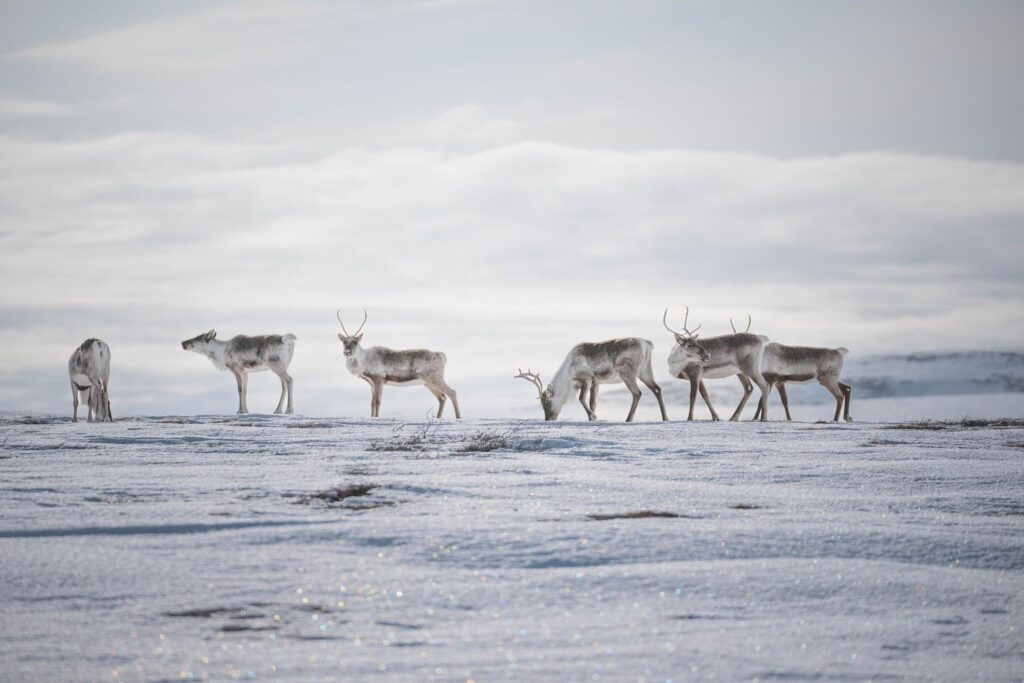
The team, consisting of Dr. Gleason, Dr. Watts, and researchers Kyle, Christina, and Kai, spent the initial phase of the mission prepping equipment for the "haul load." Under frigid morning temperatures, the team loaded snowmachines with high-density sleds. The transit to "Jenny’s field site" required navigating a vast expanse of tundra, where the team observed local wildlife, including caribou herds grazing in the shadow of the Brooks Range.
Day 3-5: Tower Installation
The installation process involved securing the 15-foot frame using guy-lines and cement anchors to ensure stability against high Arctic winds. The team manually installed the heavy battery bank and the solar array, which serves as the sole power source for the instrumentation during the long summer days.
Day 6-8: Snow Hydrology and Data Collection
While the flux tower began its atmospheric monitoring, Dr. Kelly Gleason, an assistant professor of eco-hydro-climatology at Portland State University, conducted specialized snow pit analyses. This phase of the mission focused on the "albedo-insulation paradox," examining how snow depth influences the temperature of the underlying permafrost.
Scientific Findings: The Insulation Effect of Arctic Snow
A critical component of the research involved a comparative analysis of snowpack profiles. Dr. Gleason’s investigation revealed a stark contrast between shallow and deep snowpacks, highlighting a feedback loop that may accelerate permafrost degradation.
In the Western United States, snow is primarily viewed as a seasonal reservoir for water storage. In the Arctic, however, its most vital roles are reflectivity (albedo) and insulation. While deeper snow reflects more sunlight and can theoretically cool the Earth, it also acts as a thermal blanket, trapping heat in the ground during the winter.
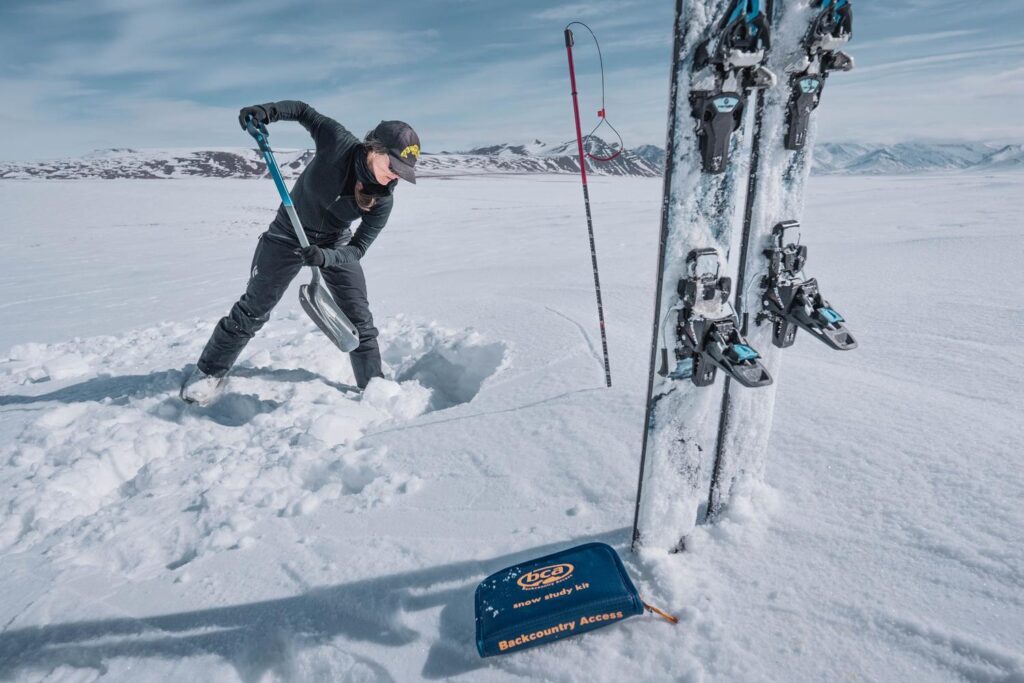
Dr. Gleason’s field measurements provided specific data points:
- Deep Snowpack (Approx. 2 meters): At a depth of 35 cm, the temperature was recorded at -8°C. However, at the base of the snowpack, just above the soil, the temperature rose to nearly -3°C.
- Shallow Snowpack (57 cm): This profile showed a steady cooling trend, reaching -10°C at the soil interface.
The findings indicate that deeper snow—often caused by increased moisture in the Arctic atmosphere as sea ice shrinks—prevents the permafrost from "recharging" its cold during the winter. By keeping the ground warmer, the snow facilitates microbial activity even in sub-zero air temperatures, leading to the year-round release of methane and carbon dioxide.
Organizational Impact: The POW Science Alliance
The expedition was a collaborative effort involving the Protect Our Winters (POW) Science Alliance. This group is composed of leading climate scientists who work alongside professional athletes and industry leaders to bridge the gap between complex scientific data and public policy advocacy.
The involvement of POW signifies a shift in how climate research is communicated. By integrating scientists like Dr. Gleason and Dr. Watts into a broader network of advocates, the organization aims to turn field observations into actionable policy recommendations. The "Science Alliance" model emphasizes that data alone is insufficient to combat climate change; it must be paired with storytelling and political engagement to protect seasonal ecosystems and the global climate.
Broader Implications and Analysis
The deployment of the flux tower at Toolik Field Station comes at a time when international climate observers are increasingly concerned about "tipping points" in the Arctic. The permafrost region contains an estimated 1,400 to 1,600 billion tons of carbon—nearly twice the amount currently in the Earth’s atmosphere.
The implications of the research conducted by Gleason and Watts are two-fold:
- Model Refinement: By providing empirical data on methane emissions from thaw slumps, the research will allow climate scientists to refine the "Global Carbon Budget," ensuring that policy decisions are based on the most aggressive warming scenarios rather than conservative estimates.
- Feedback Loop Identification: The discovery that increased Arctic snowfall may actually hasten permafrost thaw through insulation adds a layer of complexity to climate mitigation strategies. It suggests that even "cooling" factors like high albedo can have unintended "warming" consequences in sensitive northern latitudes.
Conclusion
The mission on Alaska’s North Slope underscores the urgent need for direct, on-the-ground monitoring in the world’s most rapidly changing environments. The flux tower now stands as a silent sentinel on the tundra, capturing the pulse of a landscape in flux. As the data begins to flow from the Toolik Field Station to research centers across the globe, it will serve as both a scientific resource and a call to action.
For the researchers involved, the project is a testament to the intersection of science and responsibility. The findings from this expedition will likely influence the next generation of Arctic research, shifting the focus from what might happen in the future to the dramatic changes already occurring beneath the snow. The fate of the North Slope, as this research demonstrates, is inextricably linked to the global climate, proving that the shifts measured in the remote Brooks Range will eventually be felt in every corner of the planet.
