

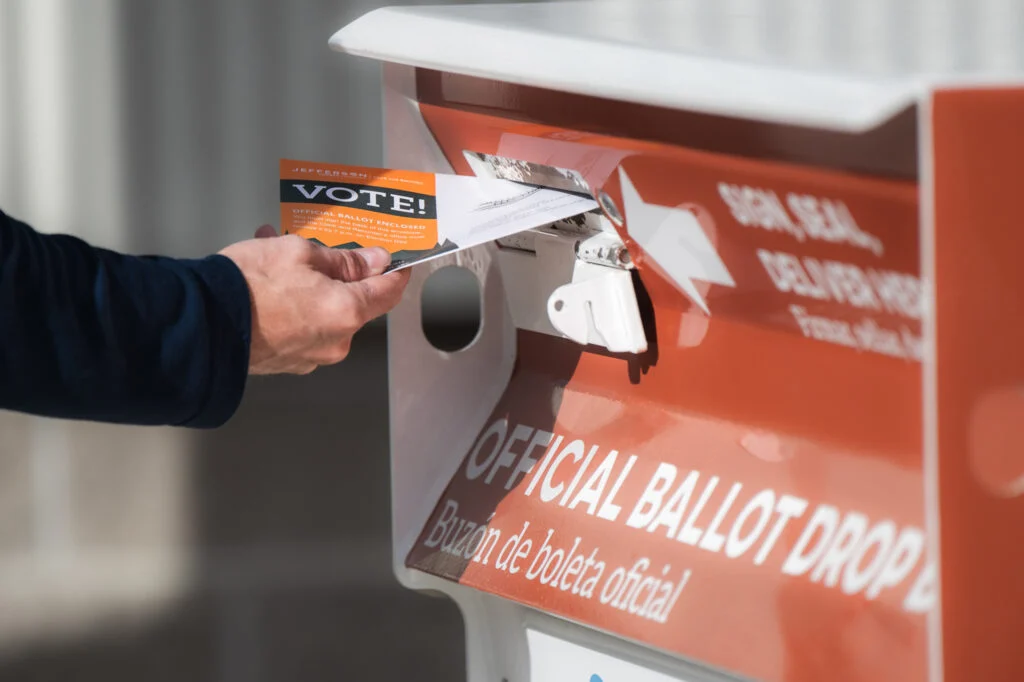
The trajectory of global climate mitigation efforts is increasingly being dictated not by the limits of technological innovation or the fluctuations of the green energy market, but by the fundamental structures of political power and the accessibility of the democratic process. Recent shifts in federal policy and a series of legislative maneuvers at the state level have highlighted a growing tension between environmental objectives and the administrative control of electoral systems. Advocates for climate action, most notably the organization Protect Our Winters (POW), have begun to redefine the "climate fight" to include the protection of voting rights, arguing that the ability to influence environmental policy is inextricably linked to the integrity of the ballot box. This transition in focus comes as a response to significant setbacks in renewable energy investment and a coordinated effort to restrict voter participation across several key American jurisdictions.
The Economic and Environmental Repercussions of Recent Policy Shifts
The landscape of clean energy in the United States has faced a series of abrupt challenges following the implementation of the federal tax and budget law known as the One Big Beautiful Bill Act. While the legislation was initially framed within the context of fiscal reform, its provisions have had a cooling effect on the renewable energy sector. Most notably, the act significantly compressed the timeline for developers to utilize clean energy tax credits. By moving the deadline to July 2026, the legislative change effectively reduced the planning and implementation "runway" for major infrastructure projects from nine years to just one.
The economic data following this shift indicates a substantial contraction in the green economy. Industry analysts estimate that approximately $83 billion in solar, wind, and battery storage projects have been either canceled or indefinitely delayed due to the lack of long-term tax certainty. These projects represented more than just environmental progress; they were projected to support an estimated 470,000 jobs across the manufacturing, construction, and engineering sectors. The sudden withdrawal of these incentives has created a vacuum in the energy market, stalling the momentum that had been building toward a carbon-neutral grid.
Parallel to these economic shifts, the administration’s environmental footprint has been altered through executive action. On July 13, a federal directive authorized the reduction of the Bears Ears National Monument by approximately 90 percent. The monument, which originally spanned 1.36 million acres, was reduced to roughly 121,000 acres. This decision not only opened the excised land to mining and resource extraction within a 60-day window but also dissolved the tribal commission that had been established to co-manage the territory. These actions underscore a broader trend: the vulnerability of climate and conservation policies to the whims of the executive branch, emphasizing that policy stability is a direct result of who holds the authority to sign such mandates.
A Chronology of Challenges to Electoral Integrity
As climate advocates identify the ballot box as their most potent tool, the mechanisms of voting have themselves come under increased administrative and legislative scrutiny. A series of events over the past year has raised concerns regarding the accessibility of the vote for various demographics.
In March, the administration issued a directive to the Department of Homeland Security (DHS) to compile comprehensive lists of citizens, alongside instructions to the United States Postal Service (USPS) to implement new restrictions on the delivery of mail-in ballots. While federal courts have since intervened, striking down several of these measures as unconstitutional, the attempts signaled a clear intent to alter the logistics of participation.
The administrative challenges continued into the summer. In July, the remaining members of the Election Assistance Commission (EAC)—the federal agency responsible for certifying voting systems and providing guidance on election administration—were dismissed. This left the agency without a quorum, effectively paralyzing its ability to perform essential functions ahead of critical election cycles.
At the state level, the legislative environment has become increasingly restrictive. A dozen states have moved to require documentary proof of citizenship (DPOC) for voter registration, a move that critics argue places an undue burden on eligible voters who may lack immediate access to specific birth or naturalization documents. In South Dakota and Utah, these laws have already gone into effect for the current election cycle. Meanwhile, in Texas and Ohio, state officials are engaged in aggressive "purging" of voter rolls. While proponents argue these purges are necessary to maintain accurate records, civil rights groups have filed litigation alleging that the processes rely on flawed federal data and disproportionately target marginalized communities.
Supporting Data: The Link Between Participation and Policy
The shift toward viewing voting as a "climate action" is supported by data suggesting a high correlation between voter turnout and the passage of environmental legislation. In jurisdictions with higher civic engagement, there is a statistically significant increase in the adoption of renewable portfolio standards and carbon-pricing mechanisms. Conversely, when voter participation is suppressed or restricted, the resulting legislative bodies tend to prioritize traditional energy sectors and roll back conservation protections.
For organizations like POW, the logic is mathematical: if a segment of the population that prioritizes environmental stability is unable to cast a ballot, the political "price" for ignoring climate science is effectively removed. This has led to the "Stoke the Vote" and "Defend the Vote" campaigns, which seek to mobilize the outdoor industry and its consumers—a demographic that contributes significantly to the national economy but has historically participated in elections at varying rates.
Official Responses and the Advocacy Landscape
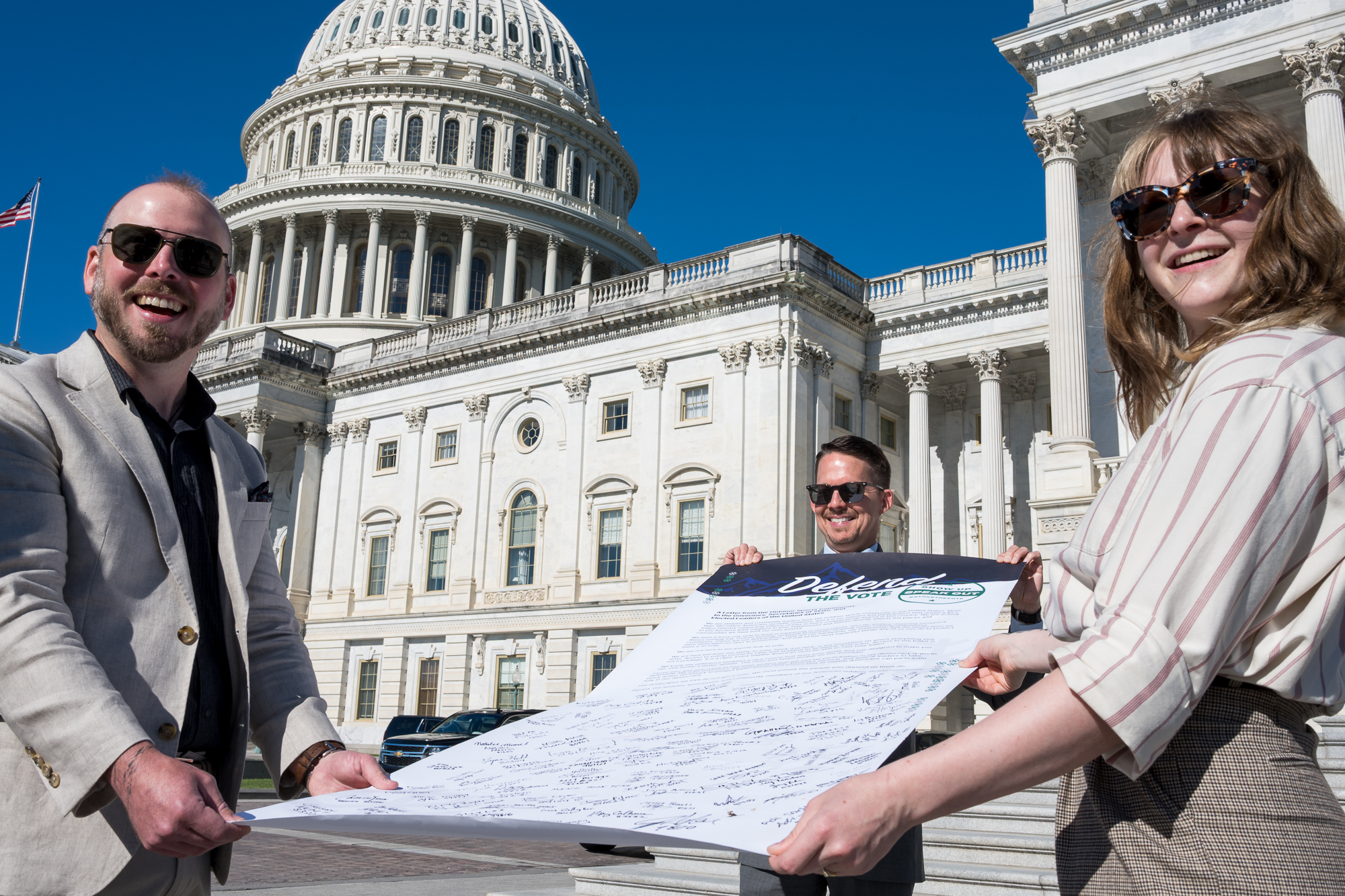
The response from the environmental and outdoor industry sectors has been unprecedented in its unity. Protect Our Winters’ "Defend the Vote" campaign has focused its resources on specific geographies where election interference is most anticipated, such as Montana and New Hampshire. By engaging directly with Secretaries of State, the campaign aims to ensure that local election officials are held accountable for maintaining fair access.
The initiative has garnered support from some of the most recognizable brands in the outdoor industry. A recent sign-on letter advocating for protected ballot access received more signatures than any previous environmental advocacy effort in the organization’s history. This indicates a growing consensus among corporate leaders that their business models—which depend on predictable climates and accessible public lands—are threatened by the erosion of democratic norms.
In contrast, proponents of the new voting restrictions and the energy policy changes maintain that these measures are necessary for national security and economic sovereignty. Officials in states like Texas and Ohio argue that voter roll maintenance is a standard administrative procedure intended to prevent fraud, despite a lack of empirical evidence suggesting that such fraud is a widespread issue. Similarly, the administration has framed the reduction of national monuments and the clawback of clean energy credits as a necessary correction to over-regulation, aimed at lowering immediate energy costs and promoting domestic mining.
Broader Impact and Long-term Implications
The convergence of climate advocacy and voting rights suggests a fundamental shift in the American political landscape. No longer are these issues viewed as siloed concerns; they are now seen as two sides of the same coin. The implications of this shift are manifold:

- Legal Precedents: The litigation currently unfolding in Ohio and Texas regarding voter purges may set new precedents for how federal data is used in state-level election administration. If the courts find these purges to be discriminatory or based on inaccurate data, it could lead to a broader federal oversight of state voter registration practices.
- Economic Volatility: The $83 billion in stalled renewable projects represents a significant loss in potential tax revenue for local municipalities and a missed opportunity for the U.S. to lead in the global green technology market. The July 2026 deadline in the One Big Beautiful Bill Act creates a high-pressure environment that may lead to rushed, less-efficient project completions or a total pivot by investors to international markets with more stable regulatory environments.
- Civic Engagement: By framing voting as a direct environmental action, organizations are reaching a demographic—outdoor enthusiasts and younger voters—that may feel alienated by traditional partisan politics but are deeply motivated by the tangible loss of "winters" and natural spaces. This could lead to a permanent increase in civic participation within these groups.
- Governance and Stewardship: The dissolution of the tribal commission at Bears Ears highlights a retreating trend from collaborative land management. The long-term impact on biodiversity and cultural preservation in these regions remains to be seen, but the immediate effect is a centralization of power that excludes local and indigenous voices.
Conclusion: The New Frontier of Environmentalism
The current political climate has forced a realization within the environmental movement: the most sophisticated carbon-capture technology or the most efficient solar cell is of little use if the policy environment remains hostile to their deployment. The "Defend the Vote" campaign represents a strategic pivot toward protecting the infrastructure of democracy as a prerequisite for protecting the planet.
As the midterms and subsequent general elections approach, the focus will likely remain on the mechanics of the vote—registration, ballot delivery, and the certification of results. For the people who "care about our winters," the ballot has become the primary tool for environmental preservation. The outcome of the current legal and legislative battles over voter access will likely determine the pace of the American climate response for decades to come. In this context, protecting the integrity of the electoral process is no longer merely a civic duty; it is a foundational element of global environmental stewardship.
