

The traditional image of a political advocate often involves suits, sterile office buildings, and a deep immersion in the minutiae of legislative drafting. However, a shifting tide in the environmental movement is redefining this archetype. Protect Our Winters (POW), a non-profit organization founded in 2007 by professional snowboarder Jeremy Jones, is increasingly leaning into a decentralized, grassroots model known as the Chapter Program. By empowering outdoor enthusiasts—skiers, hikers, mountain bikers, and anglers—to engage in local governance, POW is bridging the gap between recreation and regulation. This movement is led by a dedicated cohort of field organizers who operate at the intersection of adrenaline sports and civic duty, proving that the protection of natural landscapes requires a presence in both the backcountry and the town council chamber.
The Evolution of the Outdoor State
Protect Our Winters has long championed the concept of the "Outdoor State," a metaphorical voting bloc comprised of the more than 50 million Americans who identify as outdoor enthusiasts. According to data from the Bureau of Economic Analysis (BEA), the outdoor recreation economy accounts for approximately $1.1 trillion in economic output, or 2.2% of the United States’ Gross Domestic Product (GDP). Despite this significant economic footprint, the community has historically been underrepresented in the halls of power.
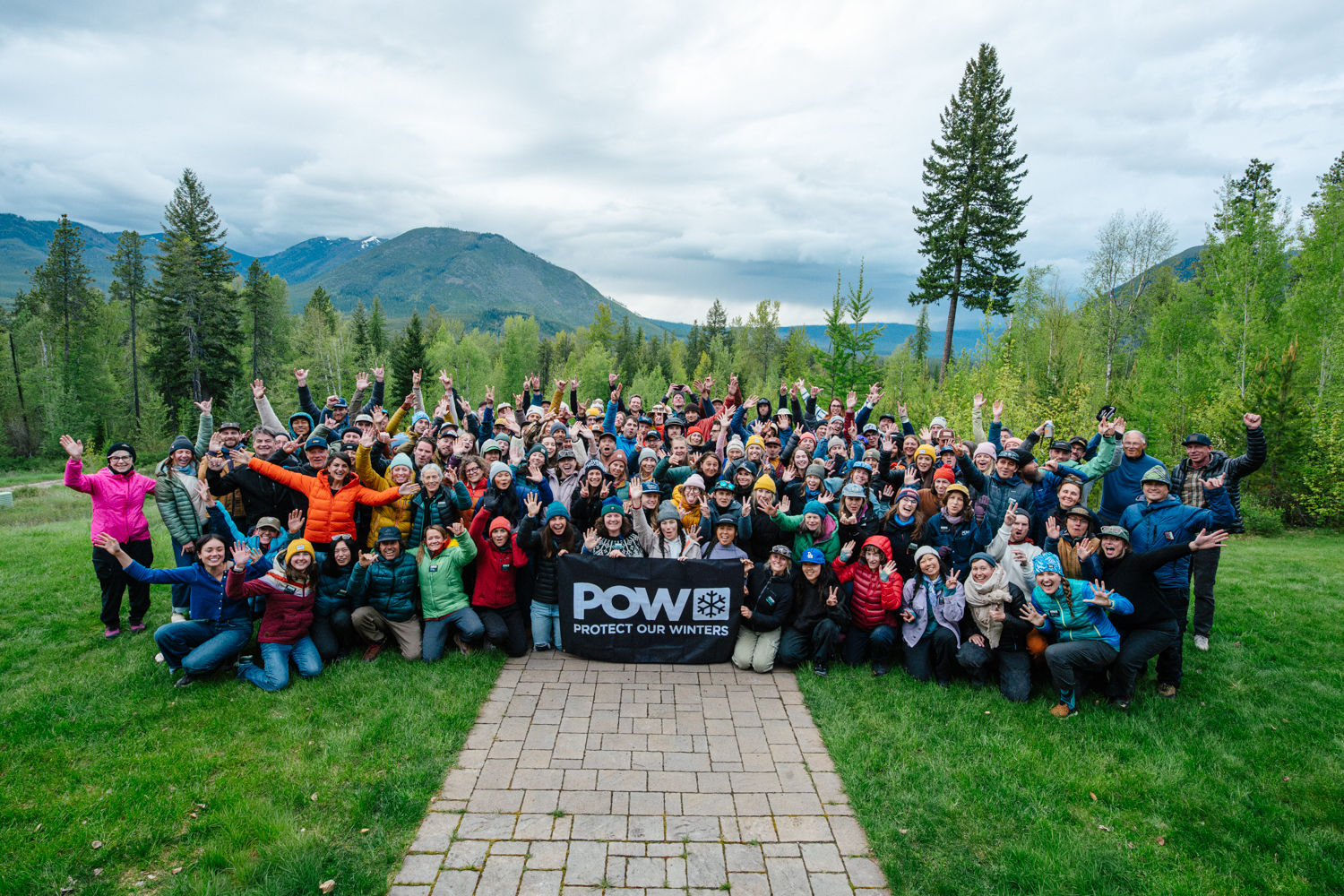
The POW Chapter Program was designed to rectify this by establishing year-round advocacy networks in mountain and coastal regions. These chapters function as local hubs for climate action, focusing on regional issues that directly impact the environment and the local economy. The program’s strength lies in its ability to translate global climate concerns into tangible, local policy goals, such as clean energy transitions, public land management, and sustainable transportation.
Profiles in Grassroots Leadership
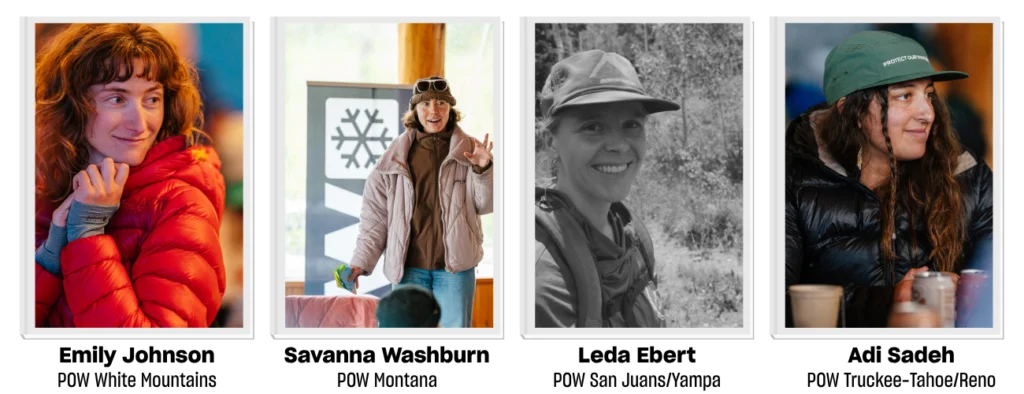
The efficacy of the Chapter Program is driven by field organizers who possess a deep personal connection to the regions they serve. In the White Mountains of New Hampshire, Emily Johnson leads efforts to mobilize a community where winter tourism is a cornerstone of the economy. Originally from Maine, Johnson’s background in skiing and mountain biking informs her perspective on the necessity of collective action. She characterizes her role as a mechanism to challenge the "outside power of the few" by building a robust network of residents who rely on healthy ecosystems.
In Montana, Savanna serves as a field organizer in the Gallatin Valley, a region experiencing rapid growth and escalating environmental pressures. Her focus is on demystifying the policy-making process for residents who may feel alienated from the legislative landscape. By connecting people to the policies that govern their air, water, and public lands, Savanna aims to replace apathy with engagement.

Leda, operating across Southwest Colorado and the Yampa Valley, focuses on the intersection of human community resilience and environmental sustainability. Her work is rooted in the diverse geography of the Western Slope, where climate change manifests in both diminishing snowpacks and increased wildfire risks. Meanwhile, in the Truckee-Tahoe and Reno corridor, Adi combines a background in geography and conservation with environmental organizing. Her work centers on empowering the local community to take direct action against the systems driving the climate crisis.
The Strategic Importance of Localism
While national climate debates often dominate news cycles, POW’s field organizers argue that local advocacy is where individual influence is most potent. National policy fights are frequently characterized by high-level polarization and vast scales that can make individual voices feel inconsequential. In contrast, local governance offers a high-impact, low-barrier entry point for advocacy.
Data suggests that local elections, such as those for city councils or utility boards, are often decided by razor-thin margins. In some rural electric cooperative elections, outcomes have been determined by fewer than a dozen votes. These local bodies make critical decisions regarding zoning for renewable energy, affordable housing (which reduces commuter emissions), and municipal infrastructure. Savanna notes that local decisions often have a more immediate impact on daily life—from utility rates to snow removal—than the high-profile battles seen in Washington, D.C.
Chronology of Recent Successes
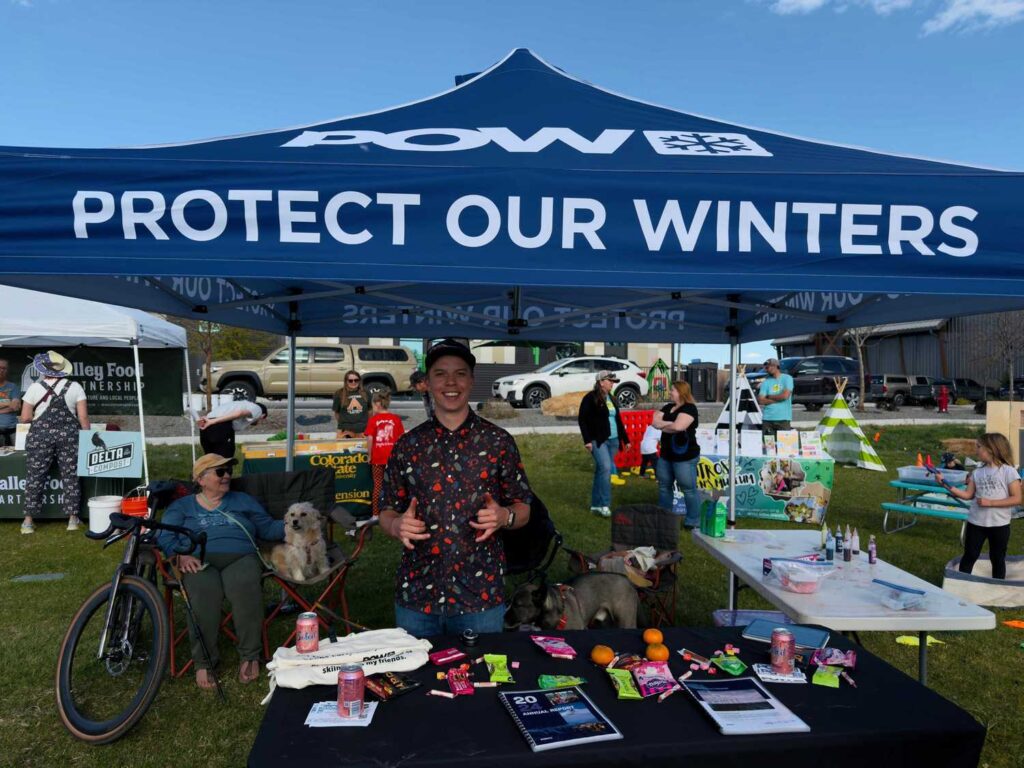
The impact of the Chapter Program is evidenced by a series of regional wins across the United States in 2024 and 2025. These victories highlight the diversity of issues addressed by the grassroots network:
- New Hampshire Electric Cooperative (NHEC) Board Election: In early 2024, the POW Action Fund supported the successful election of Laurel Boivin to the NHEC Board of Directors. Boivin, an expert in energy policy and community relations, represents a shift toward more environmentally conscious leadership within a utility that serves thousands of New Hampshire residents.
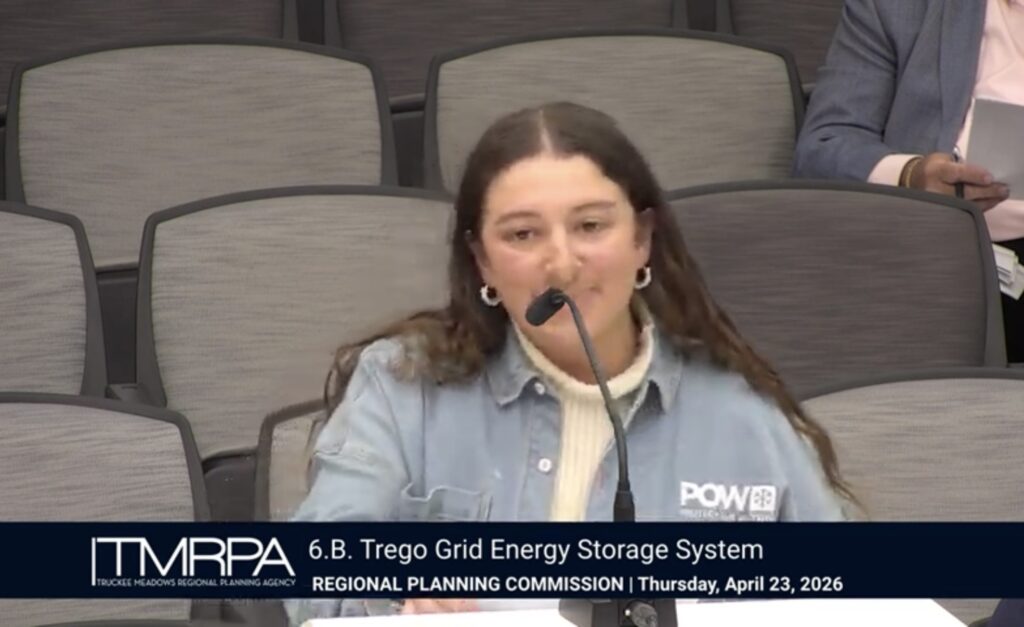
- Nevada’s TregoGrid Project: In April 2024, the POW Reno chapter played a pivotal role in the advancement of the TregoGrid project. By advocating for the project during public comment periods, the chapter helped secure the approval of 200 MW of battery storage for the regional grid, a critical step in Nevada’s decarbonization efforts.
- La Plata County Battery Storage: In early 2026, a moratorium on Battery Energy Storage Systems (BESS) was lifted in La Plata County, Colorado. Local POW volunteers were instrumental in this outcome, providing public testimony that emphasized the role of storage in a stable, renewable-heavy energy grid.
- Montana Integrated Resource Plan (IRP) Engagement: Throughout 2024 and 2025, the Bozeman chapter has been actively challenging NorthWestern Energy’s long-term energy planning. The utility’s proposed IRP has faced criticism for favoring fossil fuels over wind and solar. POW organizers have utilized community events, such as advocacy-themed bike rides, to generate public comments and increase transparency around the utility’s net-zero pledges.
The Economic Case for Climate Action
The push for local climate policy is not merely an aesthetic or environmental concern; it is a defensive measure for the outdoor economy. A study by the Climate Impact Lab indicates that without significant mitigation, the U.S. ski industry could face a 50% reduction in the length of its season by 2050. This represents a direct threat to the livelihoods of thousands of people in mountain towns.
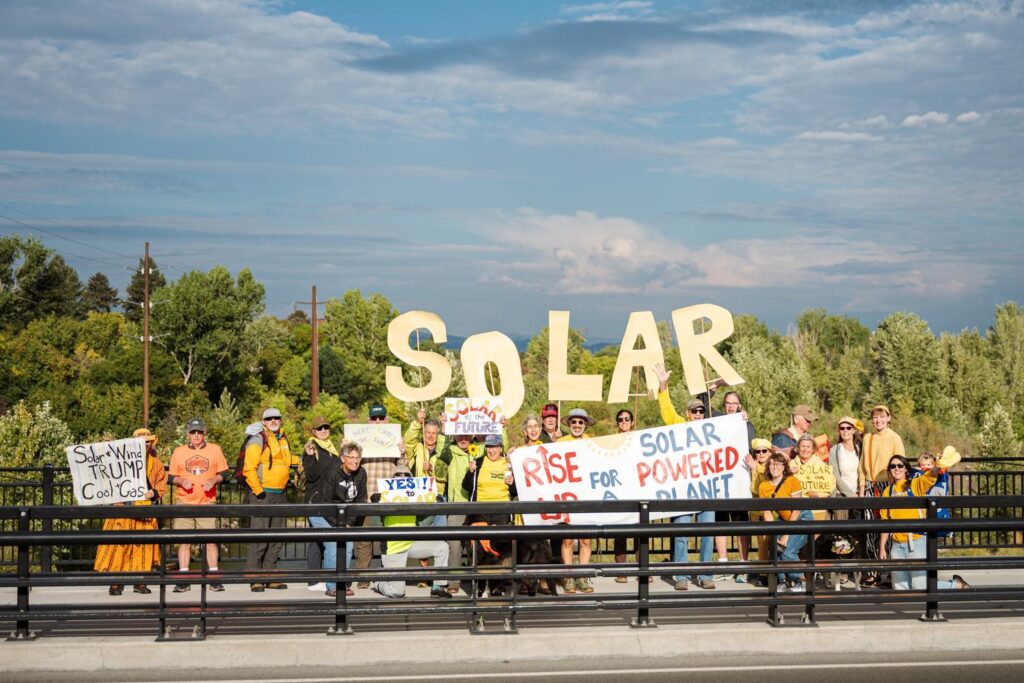
By advocating for clean energy and sustainable land use, POW chapters are working to preserve the "product" upon which their local economies depend. The organizers emphasize that climate action is a fundamental right, tied to the health of the planet and the economic viability of rural communities. This message is particularly resonant in areas where outdoor recreation is the primary driver of employment and tax revenue.
Overcoming Civic Apathy through Community
A significant barrier to environmental advocacy is the perception that it requires specialized expertise. POW field organizers spend a considerable portion of their time addressing this misconception. They argue that the most effective tool in advocacy is not a technical degree, but a personal story. By sharing how climate change affects their specific hobbies and habitats, residents can influence policymakers more effectively than through data alone.
The organizers provide a roadmap for those nervous about entering the political arena. They suggest that the "civic muscle" is built through repetition. Starting with low-stakes actions, such as attending a monthly chapter meeting or signing a petition, allows individuals to build the confidence needed for more public-facing roles, such as giving testimony at a town council meeting or writing a letter to the editor.
Future Outlook and Midterm Mobilization
As the 2026 midterm elections approach, the POW Chapter Program is shifting into a high-mobilization phase. The organization is focusing on increasing voter turnout in key districts, such as Nevada’s 3rd Congressional District and New Hampshire’s 1st Congressional District. The strategy involves connecting local environmental wins to federal policy goals, creating a "ripple effect" of engagement.
In Colorado, chapters are preparing to engage with large-scale clean energy projects in Montezuma and Routt counties, which represent nearly 500 MW of potential renewable capacity. In New England, the newly formed White Mountains chapter is set to hold its inaugural meeting in September, signaling an expansion of the program into the Northeast.
The long-term goal of the Chapter Program is to create a self-sustaining culture of advocacy within the outdoor community. By fostering leadership among volunteers and maintaining a year-round presence in local politics, Protect Our Winters is attempting to ensure that the voice of the "Outdoor State" is not just heard during election years, but integrated into the permanent fabric of local governance. As the climate crisis continues to reshape the physical landscape, these organizers are betting that a well-organized community is the most effective tool for ensuring that future generations can still experience the "powder-loving" lifestyle that defined their own.
