

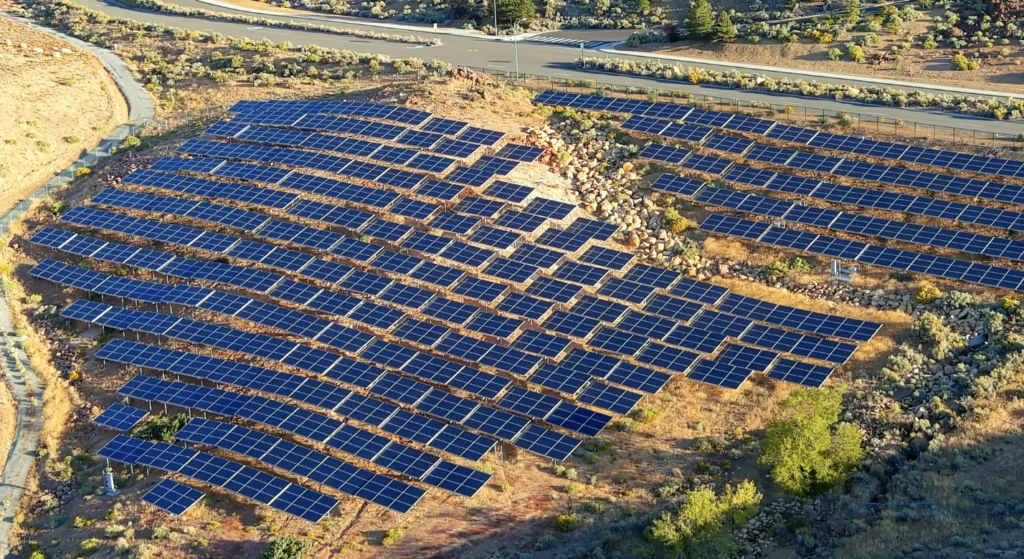
In a significant milestone for Nevada’s renewable energy transition, the city of Reno has moved forward with the Trego Battery Energy Storage System (BESS), a 200-megawatt (MW) infrastructure project designed to stabilize the regional power grid and maximize the utility of clean energy generation. The project’s advancement marks a pivotal shift in how local communities engage with large-scale energy infrastructure, moving beyond traditional resistance toward a model of informed advocacy and scientific support. Led by a coalition of local residents, outdoor industry advocates, and academic experts, the Trego BESS project is poised to serve as a blueprint for the integration of high-capacity storage solutions across the American West.
The Trego BESS facility is engineered to address the inherent intermittency of renewable energy sources such as solar and wind. By capturing excess energy during periods of low demand and discharging it during peak hours, the system ensures a reliable flow of electricity to the local grid. At its full 200-MW capacity, the facility is capable of powering approximately 68,000 households, effectively providing a clean energy buffer for a significant portion of the Reno metropolitan area. This capability is particularly critical during Nevada’s extreme summer heatwaves, where energy demand for cooling can strain traditional grid infrastructure to the point of failure.
Technical Specifications and the Shift to Lithium Iron Phosphate
Central to the project’s approval was a rigorous evaluation of the technology employed. Unlike many earlier large-scale battery projects that utilized traditional lithium-ion chemistries, the Trego project utilizes Lithium Iron Phosphate (LFP) technology. This distinction proved vital in overcoming local concerns regarding safety and environmental impact. LFP batteries are widely recognized in the energy sector for their superior thermal and chemical stability, which significantly reduces the risk of thermal runaway—a condition where a battery cell enters an uncontrollable, self-heating state.
Dr. Anne Nolin, a Snow Hydrologist and Professor in the Geography Department at the University of Nevada, Reno, played a key role in analyzing the project’s implications. As a member of the Science Alliance at Protect Our Winters (POW), Dr. Nolin initially approached the proposal with the skepticism typical of scientific inquiry. However, upon reviewing the safety profile of LFP technology and its role in mitigating carbon emissions, her stance shifted to one of active support. The LFP systems do not require cobalt or nickel, which are often associated with more volatile supply chains and higher environmental footprints during extraction, further aligning the project with broader sustainability goals.
Economic Impact and Local Development
The economic ramifications of the Trego BESS project extend beyond the immediate stabilization of energy prices. Industry data suggests that projects of this scale generate substantial localized economic activity. Estimates indicate that for every 5 megawatts of storage capacity installed, approximately $14 million in economic activity is generated through a combination of construction labor, long-term maintenance contracts, tax revenue, and supply chain expenditures. For a 200-MW project, the cumulative economic impact represents a massive infusion of capital into the Washoe County economy.
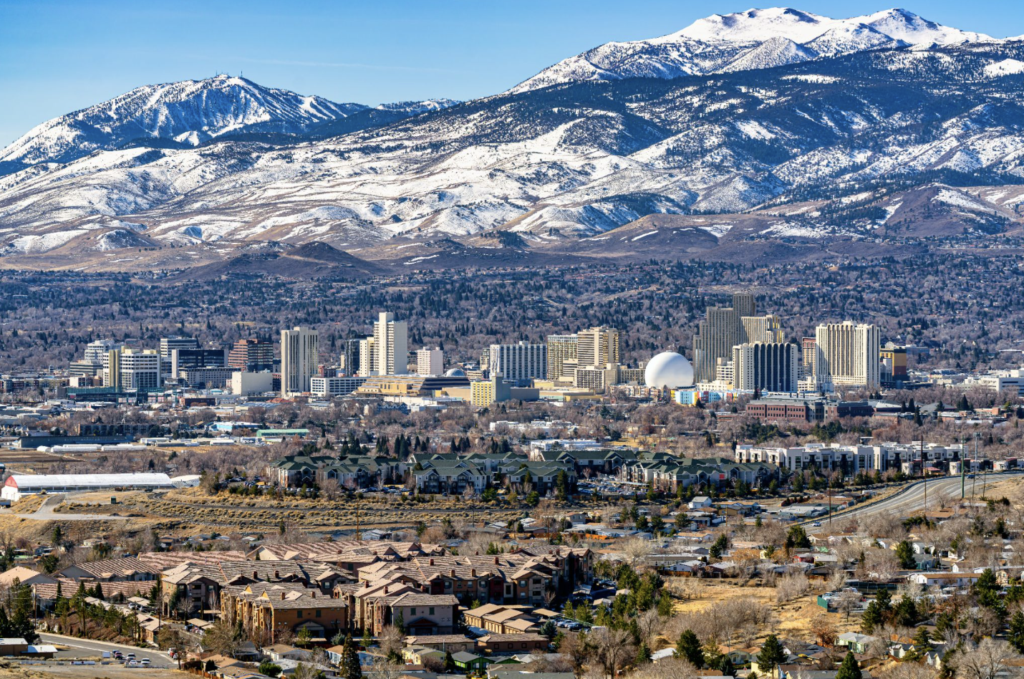
During the construction phase, the project is expected to create dozens of high-skilled jobs in the electrical and engineering sectors. Furthermore, the presence of reliable, cheaper energy storage can act as a catalyst for further commercial investment in the region. Businesses increasingly prioritize locations with resilient and "green" power grids to satisfy their own corporate sustainability mandates. By securing its energy future through the Trego project, Reno enhances its competitive position as a hub for the burgeoning clean-technology corridor in Northern Nevada.
Chronology of Community Engagement and Approval
The path to approval for the Trego BESS was defined by a deliberate effort to address "NIMBYism" (Not In My Backyard)—a common phenomenon where residents support renewable energy in principle but oppose specific projects in their immediate vicinity due to fears of noise, aesthetics, or safety.
- Project Proposal and Initial Scrutiny: The project was introduced as part of a broader strategy to meet Nevada’s Renewable Portfolio Standard (RPS), which mandates that 50% of the state’s electricity come from renewable sources by 2030.
- Public Information Sessions: Early meetings were characterized by community uncertainty. Concerns centered on the proximity of the battery arrays to residential zones and the potential for fire hazards.
- Advocacy Mobilization: Organizations like Protect Our Winters (POW) began a concerted effort to educate the public. By framing the BESS not just as an industrial site, but as a "climate solution," they mobilized outdoor enthusiasts and scientists to participate in the civic process.
- The Public Hearing Phase: During the official hearings, a notable shift occurred. Rather than a unilateral wall of opposition, decision-makers were met with a series of well-informed testimonies. Scientists like Dr. Nolin provided technical clarity, while residents spoke to the necessity of grid resilience in the face of a changing climate.
- Final Approval: Recognizing the overwhelming data in favor of the project’s safety and its necessity for the region’s energy security, local authorities granted the permits required to move forward.
Addressing Grid Strain and the "Duck Curve"
The Trego project addresses a specific challenge known in the energy industry as the "duck curve." In regions with high solar penetration like Nevada, there is an overabundance of energy produced during the day when the sun is shining, but a sharp drop-off occurs in the evening just as residential demand peaks. This creates a "belly" in the net load curve during the day and a steep "neck" in the evening.
Without storage, utilities are often forced to curtail (waste) solar energy during the day and ramp up carbon-intensive natural gas "peaker" plants in the evening. The Trego BESS solves this by "shaving" the peak demand. It absorbs the midday solar surplus and releases it during the evening ramp-up. This not only reduces carbon emissions but also lowers the overall cost of electricity for consumers by reducing the need to purchase expensive, last-minute power from out-of-state fossil fuel sources.
Broader Implications for Nevada and the National Energy Landscape
The success of the Trego BESS project in Reno is being viewed as a litmus test for similar initiatives across the United States. As the federal government continues to incentivize clean energy through the Inflation Reduction Act (IRA), the bottleneck for the energy transition has shifted from federal funding to local zoning and community acceptance.
The "Reno Model" demonstrates that when technical experts and community advocates collaborate, they can demystify new technologies and overcome the inertia of local opposition. For Nevada, a state that has positioned itself as a leader in lithium mining and battery manufacturing (notably with the Tesla Gigafactory), the Trego project completes the domestic "circular economy" of energy—mining, manufacturing, and now, large-scale deployment.
Expert Analysis: The Intersection of Science and Policy
From a scientific perspective, the involvement of snow hydrologists like Dr. Nolin highlights the interconnectedness of climate systems. In the American West, the "water tower" provided by winter snowpack is under threat from rising temperatures. By advocating for BESS projects that reduce CO2 emissions, scientists are directly intervening in the preservation of the hydrological cycles that sustain the region’s agriculture, recreation, and drinking water.
The project also underscores a shift in the strategy of environmental NGOs. Protect Our Winters, which historically focused on federal lobbying, has increasingly directed resources toward "Clean Energy Toolkits" designed to help citizens navigate local planning commissions and city council meetings. This "hyper-local" focus recognizes that the transition to a carbon-neutral economy is won or lost in the details of local infrastructure projects.
Conclusion and Future Outlook
As the Trego Battery Energy Storage System moves toward its operational phase, it stands as a testament to the power of informed local action. The project ensures that Reno is better equipped to handle the energy demands of the 21st century while providing a tangible boost to the local economy.
For other communities facing similar decisions, the Trego project offers several key takeaways: the importance of selecting the safest available technology (such as LFP), the necessity of transparent economic modeling, and the undeniable impact of having credible scientific voices participate in the public record. The win in Reno suggests that the path to a clean energy future is not merely paved with silicon and lithium, but with the grit and persistence of community members willing to show up and speak for the infrastructure of tomorrow. With the Trego BESS as a foundation, Nevada continues its trajectory toward becoming a national epicenter for renewable energy resilience.
