

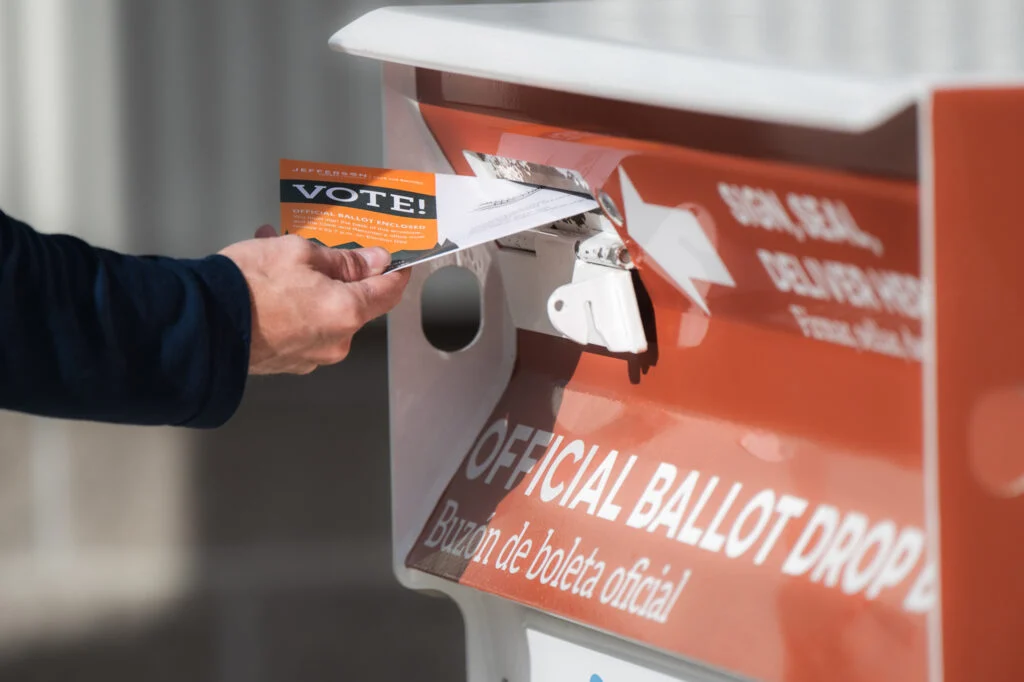
The global movement to mitigate climate change has reached a critical inflection point where the primary obstacles are no longer found in technological limitations or economic feasibility, but in the corridors of political power and the integrity of democratic institutions. While much of the public discourse remains focused on carbon capture, electric vehicle adoption, and the fluctuating costs of renewable energy, a more fundamental struggle is occurring regarding who holds the authority to set policy and whether the electorate can effectively exercise its voice at the ballot box. For organizations like Protect Our Winters (POW) and their allies, the protection of voting rights has transitioned from a tangential social issue to a core pillar of environmental advocacy. This shift reflects a growing recognition that climate progress is inextricably linked to the health of the democratic process.
The Legislative Shift and the Rollback of Clean Energy Incentives
The landscape of American climate policy underwent a significant transformation following the passage and subsequent amendment of federal tax and budget regulations. Most notably, the legislative package referred to as the One Big Beautiful Bill Act has introduced substantial volatility into the renewable energy sector. While initial policies were designed to provide a decade-long "runway" for developers to plan and execute large-scale projects, recent amendments have drastically shortened this timeframe. By clawing back clean energy tax credits and establishing a rigid July 2026 deadline, the federal government has effectively reduced the planning and development window from nine years to a single year.
The economic and environmental consequences of this legislative shift are quantifiable. Industry analysts estimate that approximately $83 billion in solar, wind, and battery storage projects have been either canceled or indefinitely delayed due to the loss of predictable financial incentives. These projects represented more than just a reduction in carbon emissions; they were projected to support roughly 470,000 jobs across the manufacturing, construction, and engineering sectors. This contraction in the clean energy market highlights how quickly progress can be reversed when the individuals in power prioritize short-term political or industrial interests over long-term environmental stability.
Conservation and the Erosion of Public Lands Protection
The volatility of climate policy extends beyond energy credits into the realm of land conservation and tribal sovereignty. On July 13, the current administration executed one of the most significant reductions in federal land protection in American history by cutting the Bears Ears National Monument by 90 percent. Originally spanning 1.36 million acres, the monument was reduced to approximately 121,000 acres. This move not only removed protections from over a million acres of culturally and ecologically significant land but also opened these areas to mining and resource extraction within a 60-day window.
The decision was accompanied by the dissolution of the tribal commission that previously co-managed the monument, a move that critics argue ignores the expertise and historical rights of Indigenous communities. The reduction of Bears Ears serves as a primary example of how executive power can be used to bypass public consensus on conservation. These actions demonstrate that environmental protections are only as durable as the administration that upholds them, reinforcing the argument that the ballot box is the most essential tool for climate stability.
A Systematic Challenge to Election Administration
As the link between political leadership and climate policy becomes clearer, observers have noted an increasing number of challenges to the voting process itself. Advocacy groups argue that the same leadership responsible for rolling back clean energy initiatives is also engaged in efforts to restrict ballot access. These challenges are manifesting at both the federal and state levels, creating a complex web of obstacles for voters.
At the federal level, the Department of Homeland Security (DHS) was recently ordered to compile citizen lists, while the United States Postal Service (USPS) received directives to restrict the delivery of certain mail-in ballots. Although federal courts have intervened to strike down parts of these orders as unconstitutional, the intent behind them has raised alarms among civil rights and environmental groups. Furthermore, the dismissal of the remaining members of the Election Assistance Commission (EAC) in July has left the agency responsible for certifying voting systems without a quorum, potentially paralyzing its ability to ensure the security and efficiency of upcoming elections.
State-Level Legislative Barriers and Voter Roll Purges
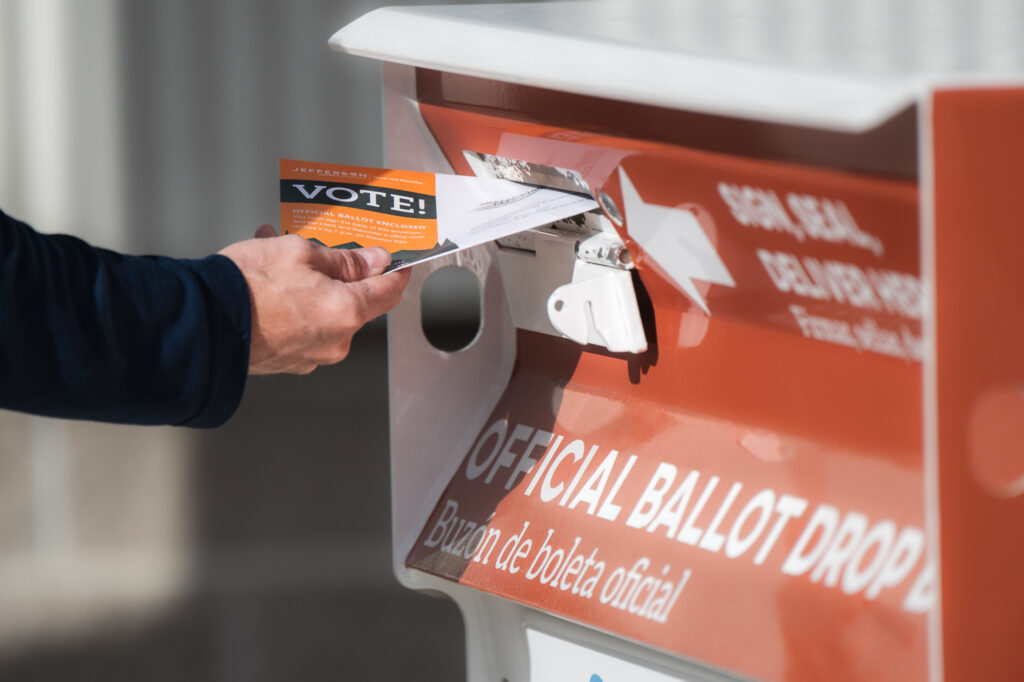
The friction in the voting process is equally evident at the state level, where a dozen states have implemented new requirements for documentary proof of citizenship to register to vote. In South Dakota and Utah, these laws are already in effect for the current election cycle, adding a procedural layer that proponents say ensures election integrity but critics argue disenfranchises eligible voters who may lack immediate access to specific documents.
In Texas and Ohio, the focus has shifted to the maintenance of voter rolls. Texas has initiated large-scale purges of its voter registration lists, utilizing federal data that some legal experts and advocacy groups claim is flawed and outdated. Similarly, Ohio is currently facing litigation over its methods of removing voters from the rolls. These "purges" often disproportionately affect younger voters, low-income individuals, and minority communities—demographics that polling suggests are more likely to prioritize climate action in their voting decisions.
Civil Society’s Response: Defend the Vote and Stoke the Vote
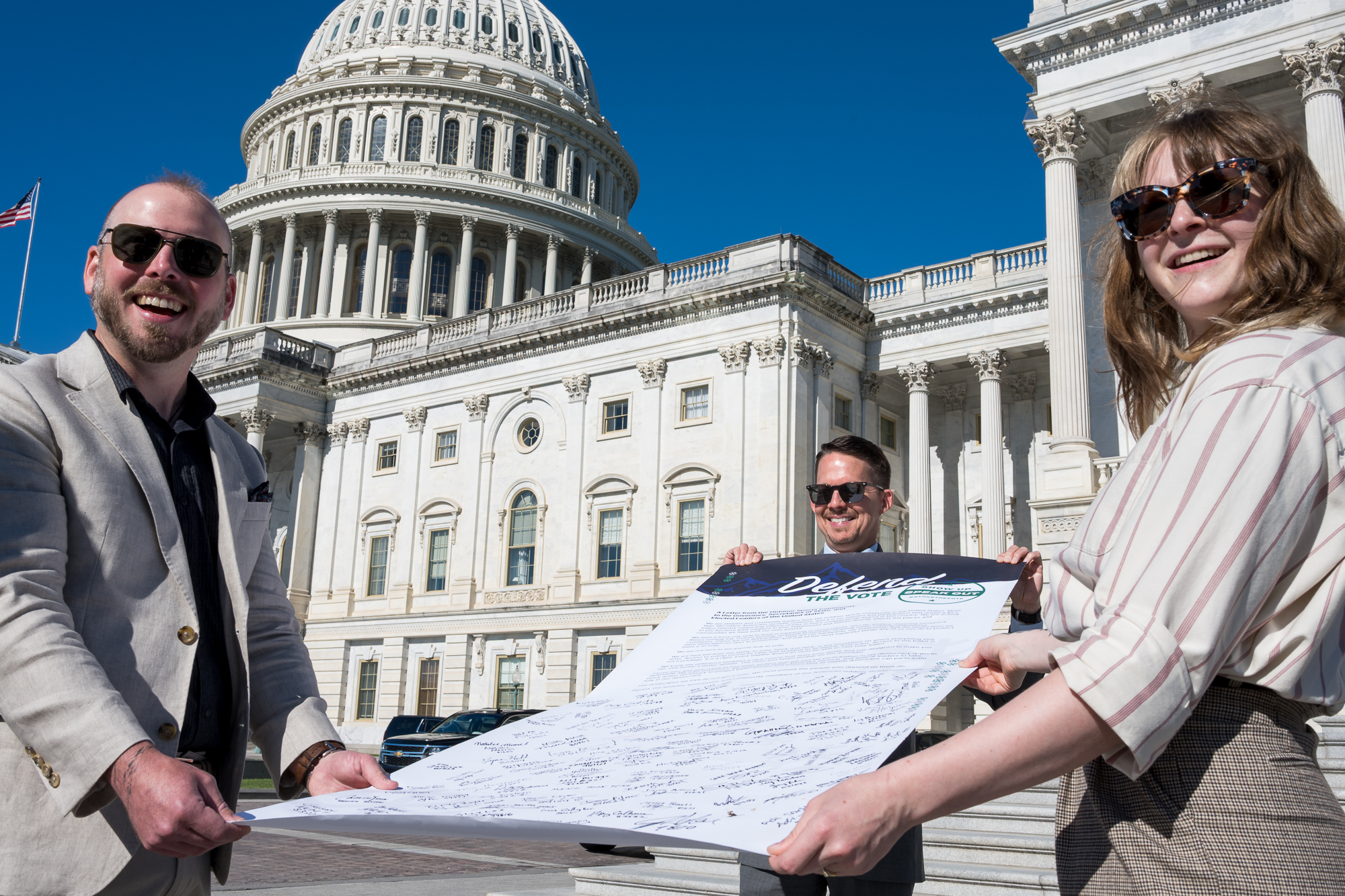
In response to these perceived threats, environmental organizations have pivoted their strategies to focus on election protection. Protect Our Winters has launched the "Defend the Vote" campaign, which specifically targets geographies where ballot access is deemed most at risk. This campaign serves as a precursor to the broader "Stoke the Vote" initiative, which aims to maximize voter turnout among the outdoor community and climate-conscious citizens.
The strategy involves direct engagement with secretaries of state, particularly in regions such as Montana and New Hampshire, to ensure that election officials are held accountable for fair and transparent processes. This movement has gained significant traction within the private sector; a recent sign-on letter supporting these efforts has drawn support from some of the most recognizable brands in the outdoor industry. The high level of corporate participation suggests that the business community increasingly views democratic stability as a prerequisite for a sustainable economy.
Chronology of Recent Events Impacting Climate and Voting Rights
To understand the current state of affairs, it is necessary to examine the timeline of events that led to this intersection of policy and practice:
- Early 2025: The "One Big Beautiful Bill Act" is signed into law, initially promising long-term clean energy tax credits but including "sunset" clauses that would later be triggered.
- March 2026: Federal directives are issued to the DHS and USPS regarding citizen lists and mail-in ballot restrictions, leading to immediate legal challenges.
- July 2026: The administration officially triggers the July 2026 deadline for clean energy credits, leading to the immediate cancellation of billions of dollars in wind and solar contracts.
- July 13, 2026: The executive order reducing Bears Ears National Monument is signed, sparking protests from environmental groups and tribal nations.
- Late July 2026: The Election Assistance Commission loses its quorum following the termination of its members, halting federal certification of new voting hardware and software.
- August 2026: Several states, including Texas and Ohio, accelerate voter roll purges ahead of the midterm elections.
Analysis of Broader Impacts and Implications
The convergence of environmental policy and voting rights represents a fundamental shift in the "climate fight." For decades, the movement was defined by its ability to influence public opinion and scientific consensus. However, the current era is defined by the realization that public opinion only translates into policy if the electoral system is accessible and functional.
The economic impact of policy volatility cannot be overstated. When the "runway" for energy projects is shortened from nine years to one, it creates a high-risk environment that discourages private investment. The $83 billion in lost projects represents a significant setback in the global effort to meet the goals of the Paris Agreement. Without a stable political environment, the transition to a low-carbon economy is likely to be characterized by "fits and starts" rather than the sustained growth required to avoid the worst effects of global warming.

Furthermore, the targeting of the voting process suggests a strategic effort to insulate policymakers from the consequences of unpopular environmental decisions. If the segments of the population most concerned about the climate—such as young people and outdoor enthusiasts—are marginalized through administrative hurdles, the political "cost" of rolling back environmental protections is significantly lowered.
Conclusion: The Path Forward for Environmental Advocacy
The evolving strategy of organizations like POW indicates that the future of environmentalism will be as much about defending the courthouse and the polling station as it is about defending the forest and the mountain. The mantra that "defending the vote is defending the climate" is becoming a standard operating procedure for a broad coalition of outdoor brands, activists, and citizens.
As the midterm elections approach, the focus remains on turnout and the removal of barriers to participation. The success of the climate movement in the coming years will likely depend not on a new technological breakthrough, but on whether the democratic process can remain resilient enough to reflect the priorities of an electorate increasingly concerned about the future of the planet. Protecting the vote is no longer seen as a separate social justice issue; it is the frontline of the climate action plan.
