

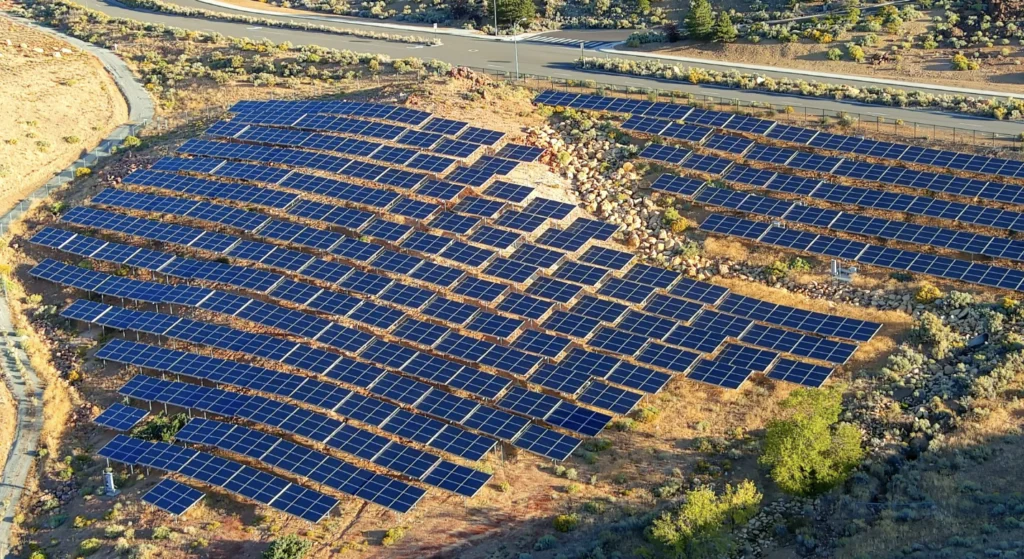
The development of the Trego Battery Energy Storage System (BESS) in Reno, Nevada, represents a significant milestone in the state’s transition toward a decarbonized electrical grid, bolstered by a rare confluence of scientific advocacy and grassroots community support. The project, a 200-megawatt (MW) utility-scale energy storage facility, is designed to capture and store surplus renewable energy, specifically from Nevada’s abundant solar resources, for distribution during periods of peak demand. By providing enough capacity to power approximately 68,000 households, the Trego BESS aims to stabilize the regional grid, reduce reliance on fossil-fuel-based "peaker" plants, and lower long-term energy costs for residents in Washoe County and the surrounding areas.
Technical Specifications and the Role of Energy Storage
The Trego Battery Energy Storage System is more than a localized infrastructure project; it is a critical component of the Western Interconnection’s evolving architecture. As Nevada increases its solar generation capacity, it faces the "duck curve" phenomenon, where solar production peaks during midday when demand is relatively low, and drops off in the evening just as consumer demand surges. Without large-scale storage solutions like Trego, this excess midday energy is often wasted or sold at a loss, while evening demand must be met by natural gas turbines.
The Trego facility utilizes Lithium Iron Phosphate (LFP) technology, a departure from the nickel-manganese-cobalt (NMC) chemistries commonly found in consumer electronics and earlier electric vehicles. LFP batteries are increasingly favored for stationary storage applications due to their superior thermal and chemical stability. They are significantly less prone to "thermal runaway"—the primary cause of battery fires—and offer a longer lifecycle, often exceeding 10,000 cycles. For the Reno community, the choice of LFP technology was a pivotal factor in addressing safety concerns regarding the facility’s proximity to residential and commercial zones.
Chronology of Development and Community Engagement
The trajectory of the Trego BESS project highlights the shifting dynamics of local energy politics. Historically, large-scale energy infrastructure has faced significant hurdles at the municipal level, often categorized under the umbrella of "NIMBYism" (Not In My Backyard). Such opposition is frequently rooted in concerns over aesthetics, property values, and perceived safety risks associated with new technologies.
The Trego project followed a structured timeline of public hearings and environmental reviews. Throughout late 2023 and the first half of 2024, the project moved through the Washoe County Planning Commission and the Board of County Commissioners. During this period, the involvement of Protect Our Winters (POW), an advocacy group focused on climate solutions for the outdoor industry, became a defining feature of the public discourse.
A key turning point in the project’s approval process was the public testimony provided by local experts and residents. Dr. Anne Nolin, a renowned snow hydrologist and professor in the Geography Department at the University of Nevada, Reno, emerged as a prominent voice. As a member of the POW Science Alliance, Dr. Nolin provided a bridge between abstract climate goals and local environmental realities. Her advocacy was grounded in the scientific understanding of how regional climate shifts—specifically the reduction in Sierra Nevada snowpack—threaten Nevada’s water security and outdoor economy. By framing the Trego BESS as a tangible tool to mitigate the carbon emissions driving these shifts, the project gained a level of scientific legitimacy that helped neutralize typical reactionary opposition.
Economic Impact and Regional Benefits
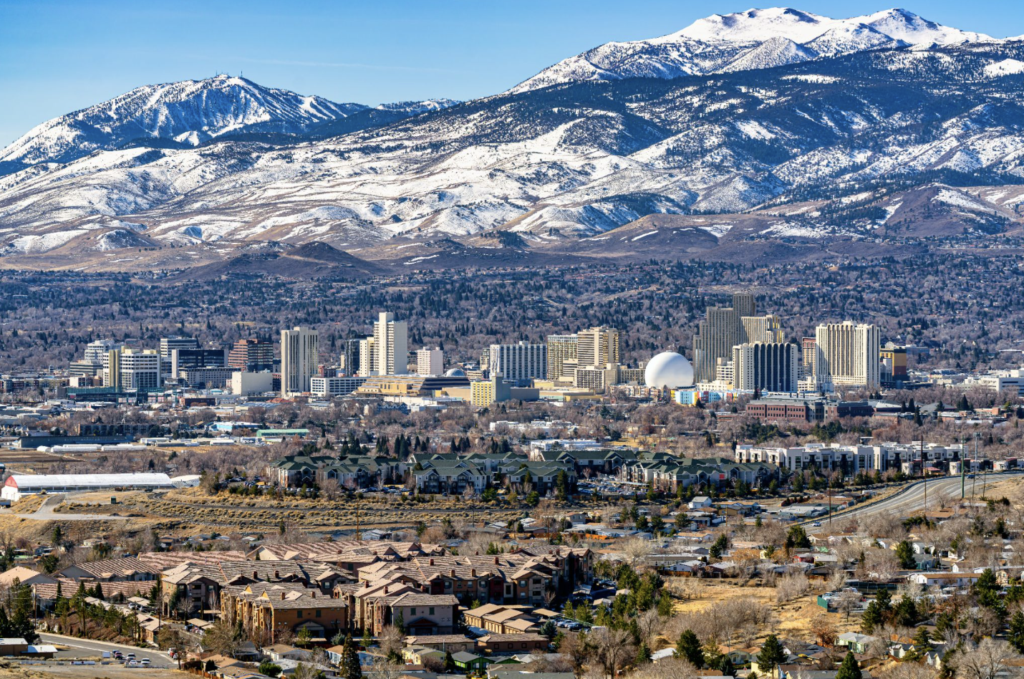
The economic implications of the Trego BESS extend beyond grid reliability. According to industry benchmarks and project-specific projections, utility-scale battery projects generate substantial economic activity during both the construction and operational phases. Advocacy groups and economic analysts note that such projects can generate approximately $14 million of economic activity per 5 megawatts of capacity when accounting for direct capital investment, supply chain requirements, and local labor.
For a 200 MW project like Trego, the total economic footprint is substantial. This includes:
- Tax Revenue: Washoe County stands to benefit from increased property tax receipts, which are often earmarked for local school districts and public infrastructure.
- Job Creation: The construction phase requires specialized electrical engineering, civil engineering, and heavy machinery operations. Long-term, the facility requires technical staff for monitoring, maintenance, and security.
- Energy Price Stability: By storing low-cost solar energy and deploying it when market prices are high, BESS facilities help flatten the volatility of wholesale electricity markets, which can eventually lead to more predictable rates for end-use consumers.
Addressing Safety and Environmental Concerns
The transition to clean energy infrastructure is not without its technical challenges, and the Trego project had to address specific community anxieties regarding the safety of battery installations. The shift to Lithium Iron Phosphate (LFP) was a central pillar of the developer’s safety strategy. Unlike traditional lithium-ion batteries, LFP batteries do not release oxygen when they fail, which significantly reduces the intensity and spread of potential fires.
Furthermore, the Trego facility is designed with integrated fire suppression systems, 24/7 remote monitoring, and physical setbacks that exceed local zoning requirements. During the public hearing phases, advocates emphasized that the risks associated with battery storage are significantly lower than those associated with the transport and combustion of fossil fuels, which are currently the primary drivers of air pollution and industrial accidents in the energy sector.
Dr. Nolin’s participation was particularly influential in this regard. By publicly vetting the technology and admitting to initial skepticism that was resolved through research, she provided a roadmap for other community members to move from "uncertainty" to "informed support." This model of "YIMBYism" (Yes In My Backyard) is being increasingly studied by urban planners as a necessary component of the global energy transition.
The Broader Legislative and Climate Context
The Trego BESS project does not exist in a vacuum; it is a direct response to Nevada’s aggressive renewable energy mandates. In 2019, the Nevada State Legislature passed Senate Bill 358, which raised the state’s Renewable Portfolio Standard (RPS) to 50% by 2030, with a goal of 100% carbon-free energy by 2050. Achieving these targets is mathematically impossible without a massive expansion of energy storage.
On a federal level, the Inflation Reduction Act (IRA) of 2022 has provided a tailwind for projects like Trego. The IRA introduced standalone investment tax credits (ITC) for energy storage, which previously were only available if the storage was co-located with a solar farm. This policy shift has allowed developers to strategically place BESS facilities like Trego near existing transmission nodes and load centers, such as Reno, where they can be most effective at stabilizing the grid.
Analysis of Implications for Future Projects
The success of the Trego BESS approval process provides several key takeaways for the clean energy sector. First, it demonstrates that scientific expertise is most effective when applied at the local level. While national climate reports are essential, the testimony of a local professor explaining how a battery project affects the local snowpack and water table carries more weight in a county commission meeting.
Second, the involvement of the "outdoor state"—the community of skiers, hikers, and outdoor professionals represented by groups like POW—represents a powerful new constituency in energy politics. These individuals are often motivated by a personal connection to the landscapes they wish to protect, providing a passionate counter-narrative to those who oppose clean energy infrastructure on aesthetic grounds.
Finally, the Trego project underscores the necessity of transparency in technology. By being upfront about the choice of LFP chemistry and the specific safety protocols in place, developers can build the social capital required to move projects past the planning phase.
Conclusion and Future Outlook
As the Trego Battery Energy Storage System moves toward its operational phase, it serves as a blueprint for other municipalities across the United States. The project confirms that the path to a clean energy future is paved with local decisions, and that the success of the global energy transition depends on the ability of communities to embrace infrastructure changes in their own backyards.
In Reno, the combination of state-of-the-art LFP technology, favorable state policy, and robust community advocacy has turned a potential point of friction into a win for grid reliability and climate action. For advocates like Dr. Anne Nolin and the team at Protect Our Winters, the Trego project is a reminder that while the climate crisis is a global challenge, the solutions are often found in the informed participation of citizens in local government. As Nevada continues its march toward a 100% carbon-free grid, the lessons learned in Trego will likely inform the next generation of energy projects across the American West.
